Eucheumatoids Sales
South-East Asia
Point of Sales
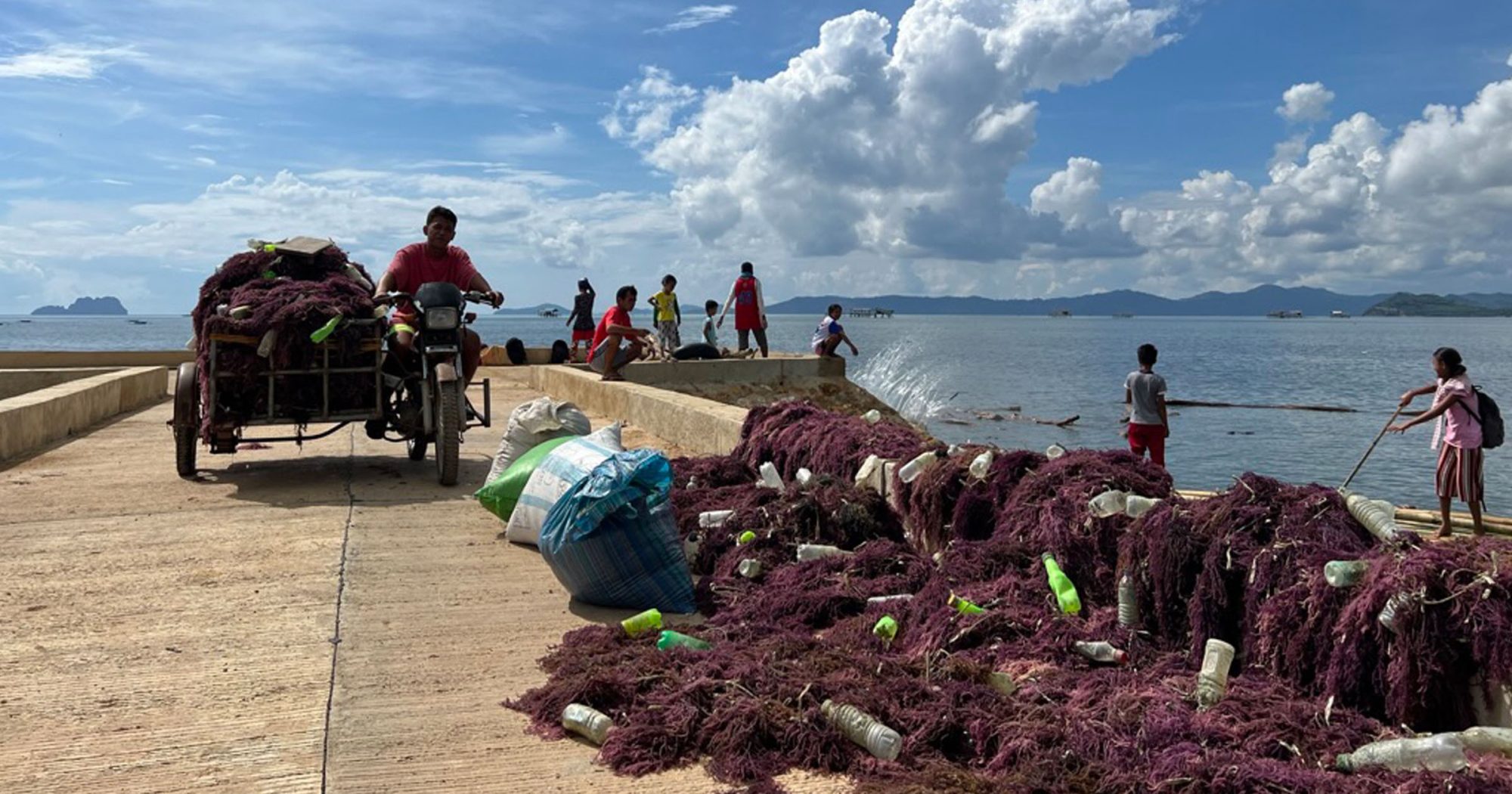
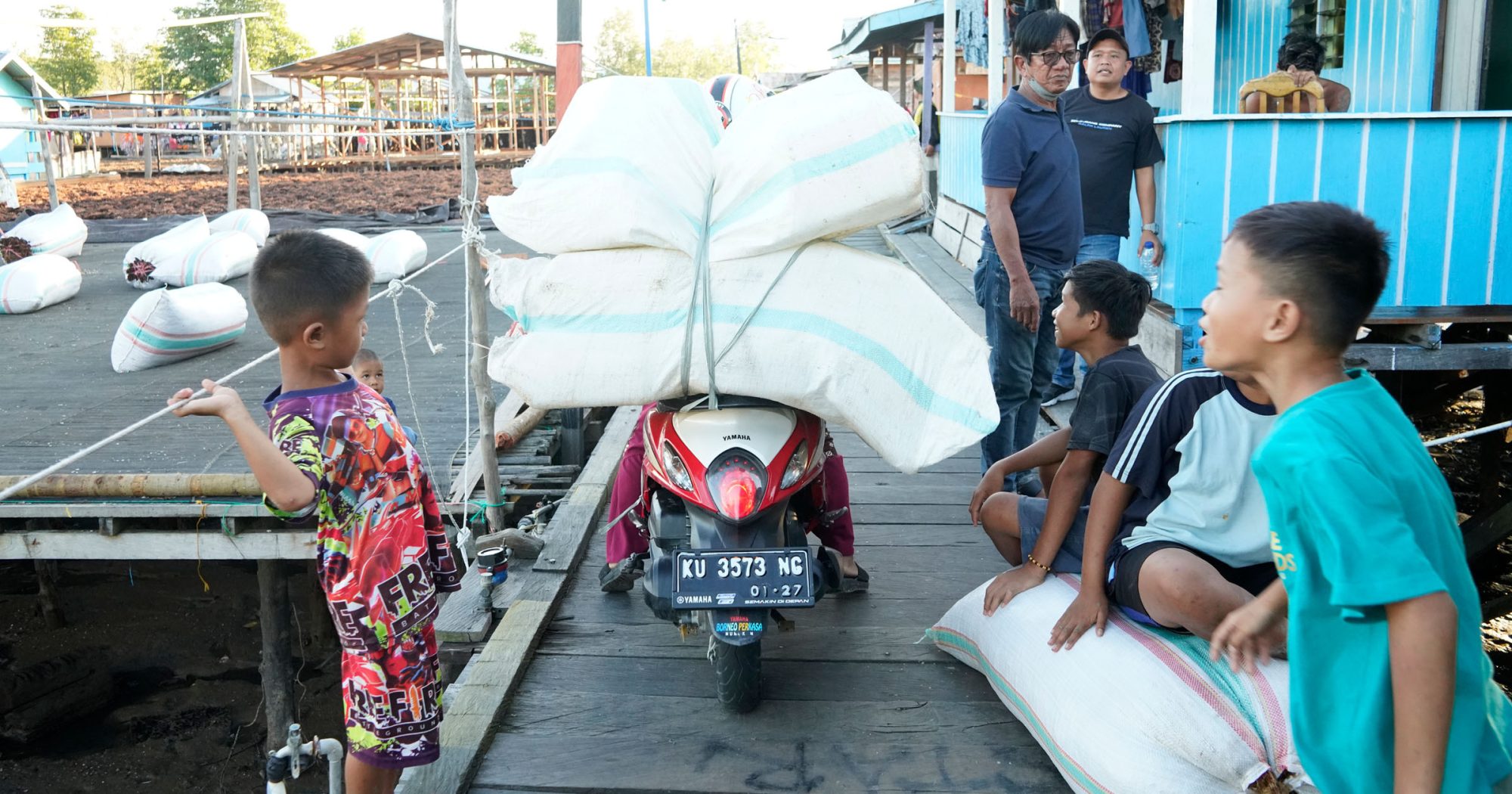
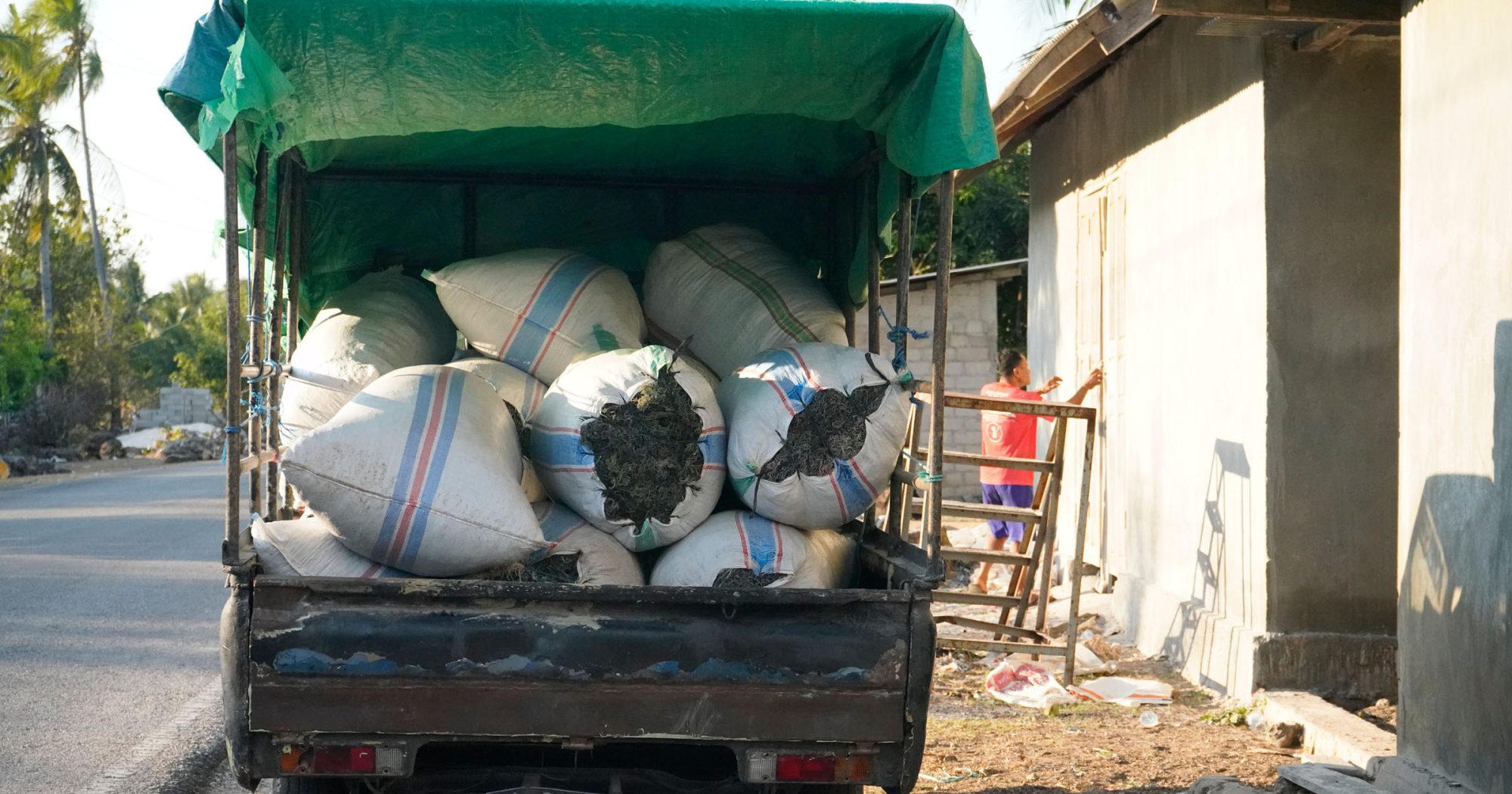
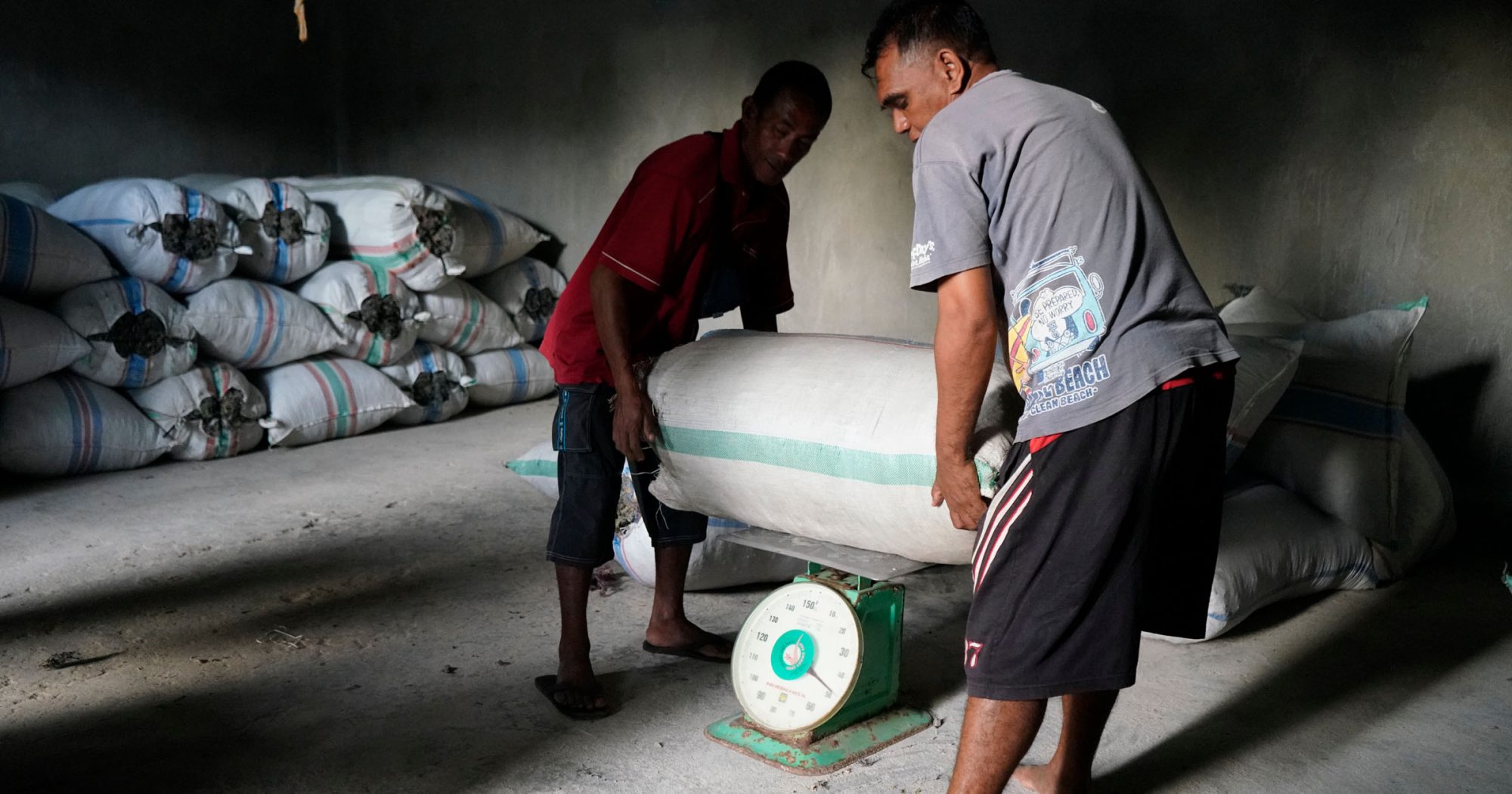
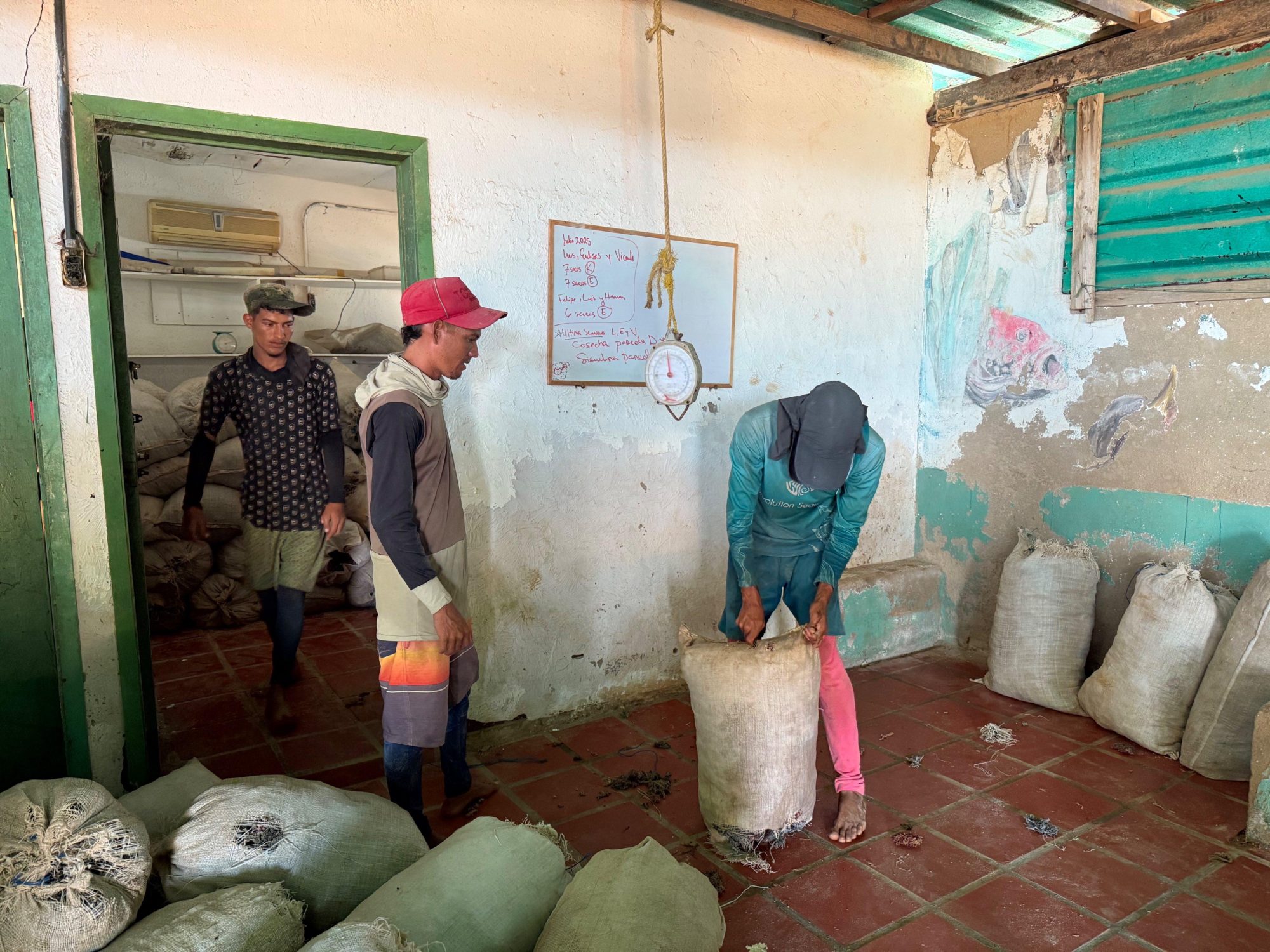
For smallholder farmers the point of sale is often the farmer’s house or the seaweed drying platform (if it is not the same as the house). Here, the dried seaweed is packed in nylon sacks (those are the same across all three countries) from which they are sold. The weight of the bags varies. Farmers don’t usually have a scale, but the local collector would bring one or weigh the sacks at his warehouse. The entire transaction is often based on trust.
On some occasions, the seaweed is sold fresh to other farmers as seed stocks or directly for human consumption (in the form of fresh seaweed salad for instance). This is only true for K. striatus and E. denticulatum. K. malesianus is another species that is commonly enjoyed as a ‘sea vegetable’ , due to its softer texture. However, it is less commonly farmed. K. alvarezii is not marketed or sold as a sea vegetable.
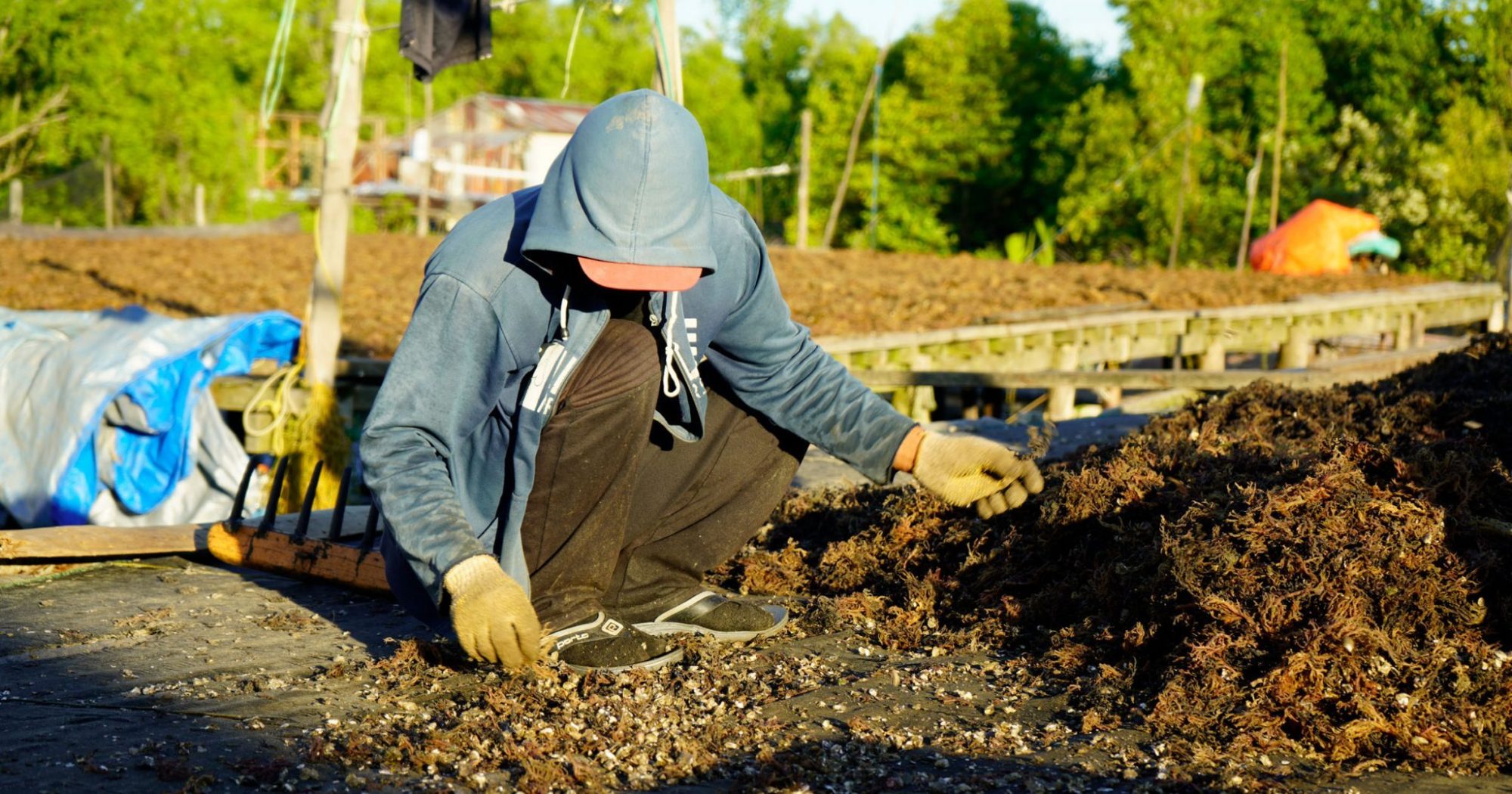
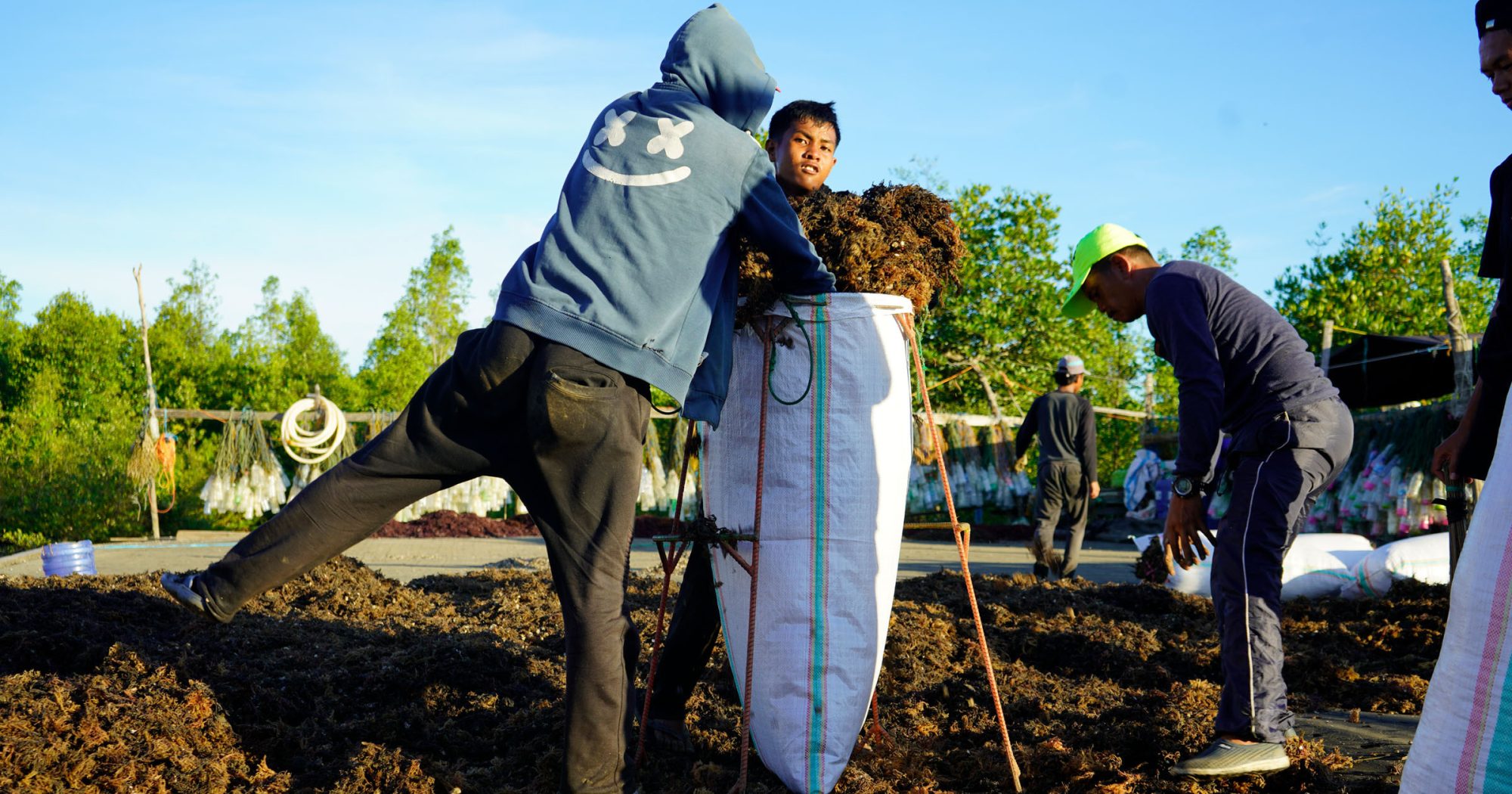
If the farmer doesn’t have any outstanding loans or commitments with a local collector, he can sell to anyone. Remote locations will typically have one or very few local collectors or aggregators, since the logistics to the nearest larger port can be complex. In established seaweed communities, there are different buyers. However the sales process is quite informal and based on existing relationships, so farmers tend to only sell to a maximum of three to four different collectors.
Transportation
Quality Parameters
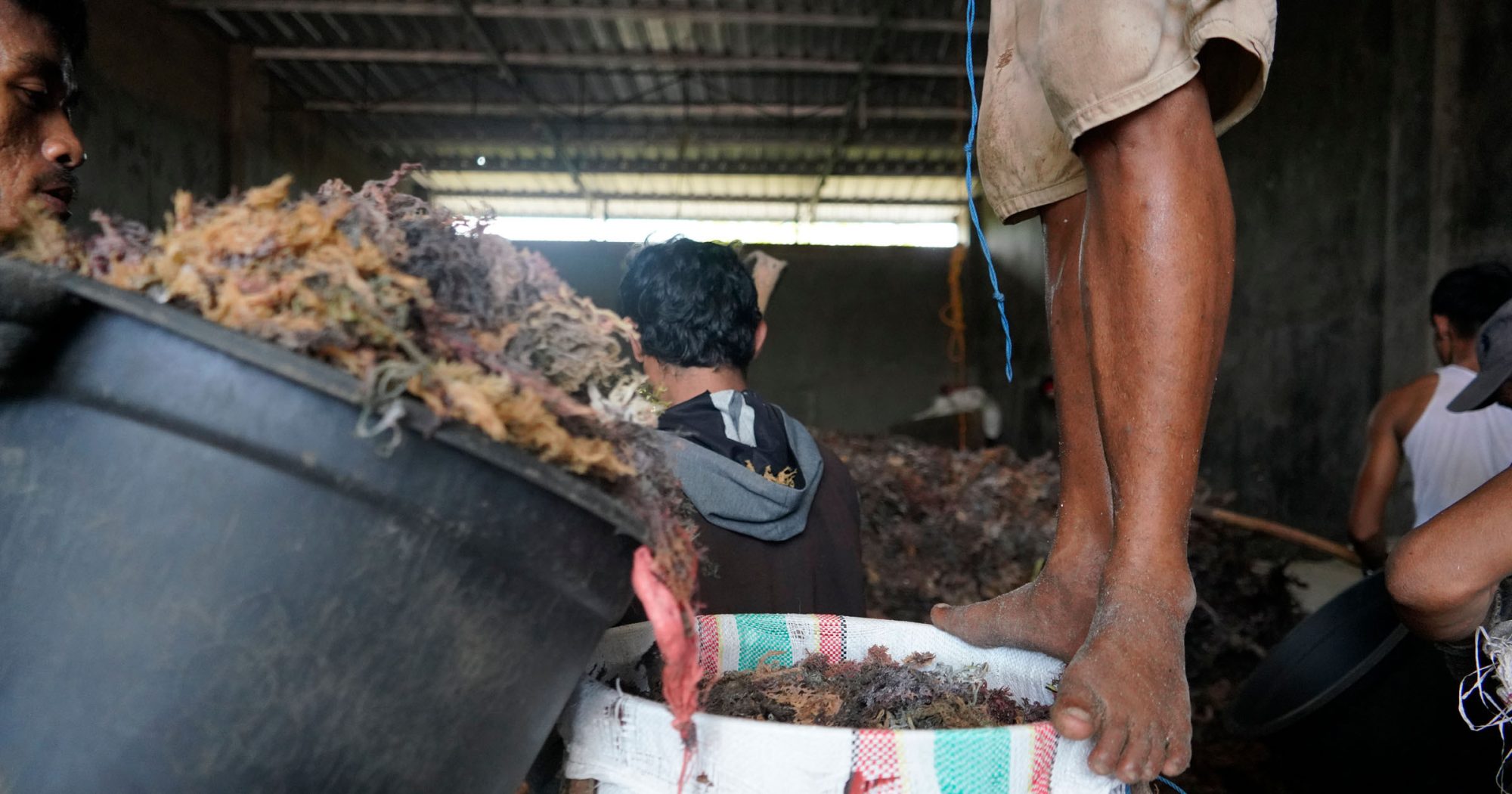
In most cases, the local collector or aggregator wouldn’t conduct quality tests until the seaweed reaches his warehouse. Moisture content is the most important quality parameter for Eucheumatoids and is visually estimated at the farm and trader level. Farmers and traders also evaluate the moisture content by touch and feel of the seaweed. Stickiness is the typical indicator. The stickier the seaweed, the higher the moisture content. Normal moisture content at farm level can be up to 50%. The collector will sun dry it further to reach 35 to 38% moisture content.
Other quality criteria are the percentage of impurities and sand or salt content. All of these factors are estimated visually. Recently, local collectors are buying seaweed in any condition, even if the moisture content is high, because supplies are short and competition is fierce. They will then dry the seaweed again and mix the seaweed before selling it to local traders, exporters or directly to processing facilities.
A laboratory moisture content test would measure the weight lost by wet seaweed during the desiccation process in a drying oven. This usually takes place at the domestic processing facility or the export warehouse before the seaweed is sent abroad. There are official standards for exporting seaweed. These parameters have been set by the carrageenan industry which is the main market for Eucheumatoids.
Regional aggregation of seaweed
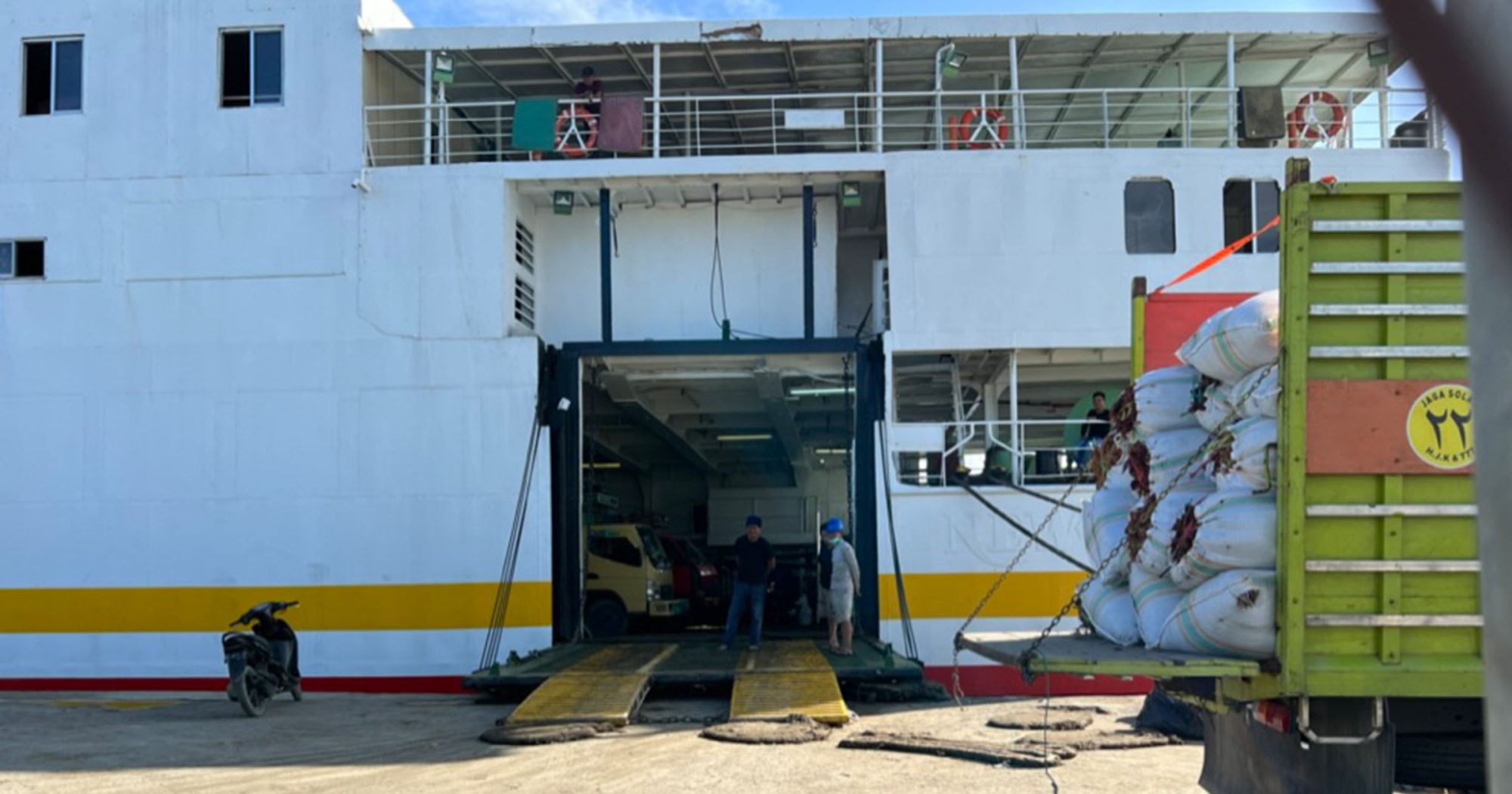
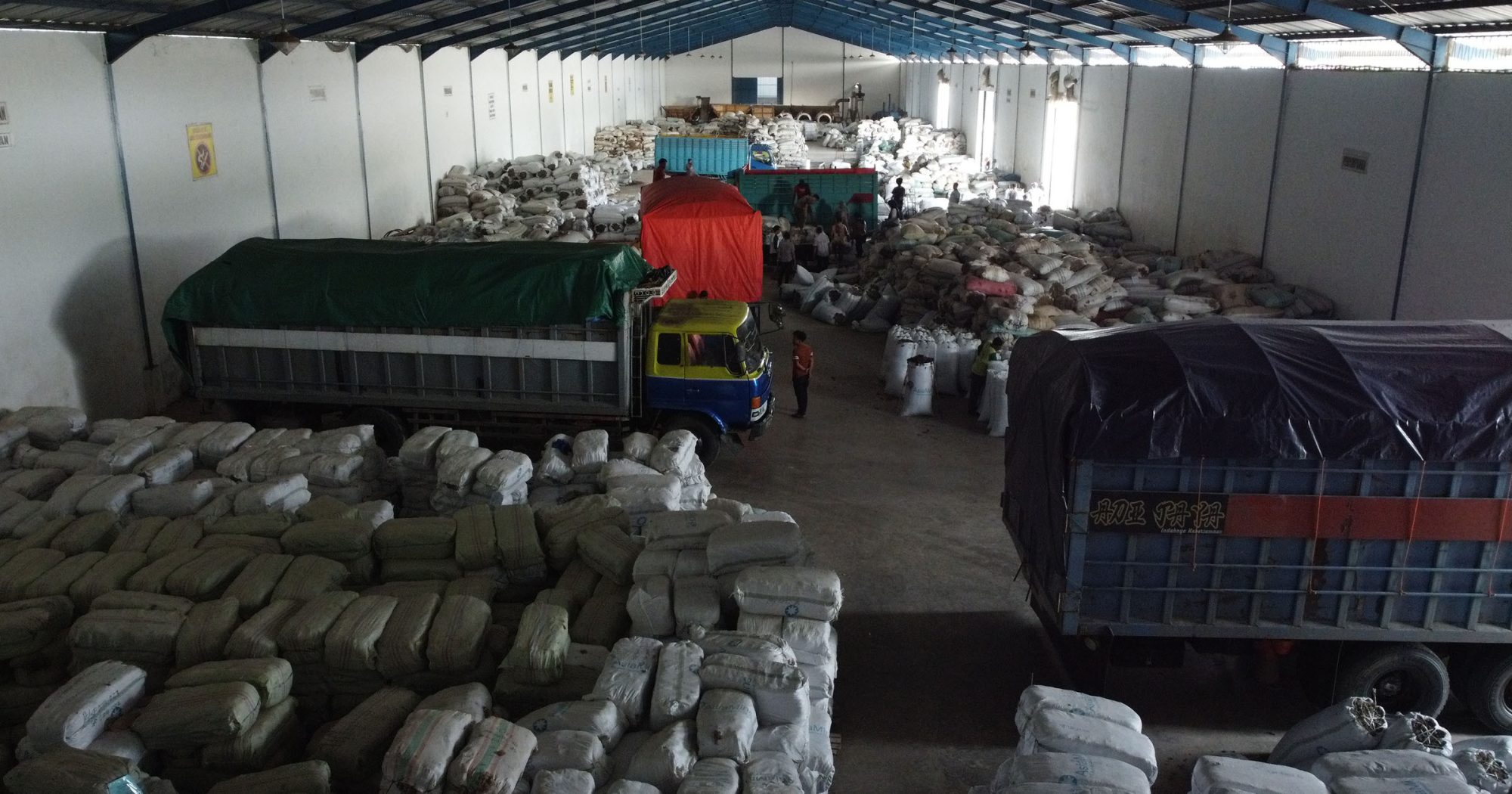
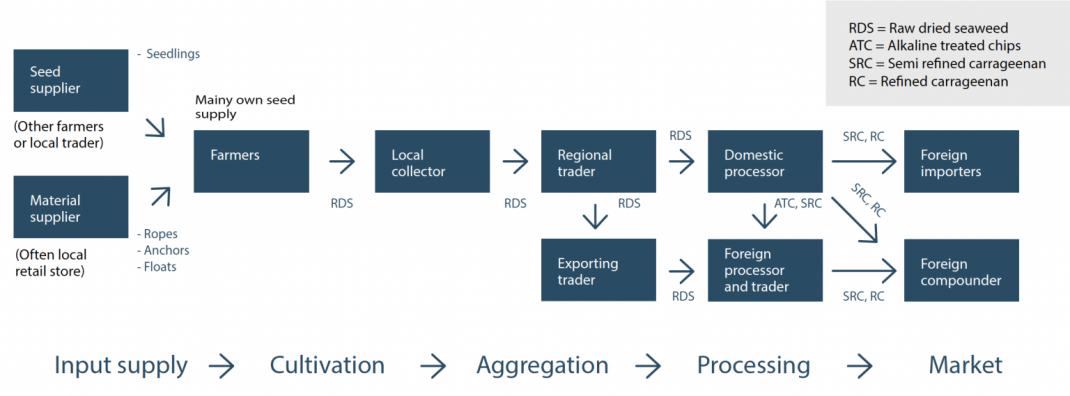
The supply chain overview below shows the most common way Eucheumatoids are traded today. To learn more about the uses for this seaweed and different actors, visit our Global Production Overview page for Eucheumatoids.
Caribbean
Point of sales
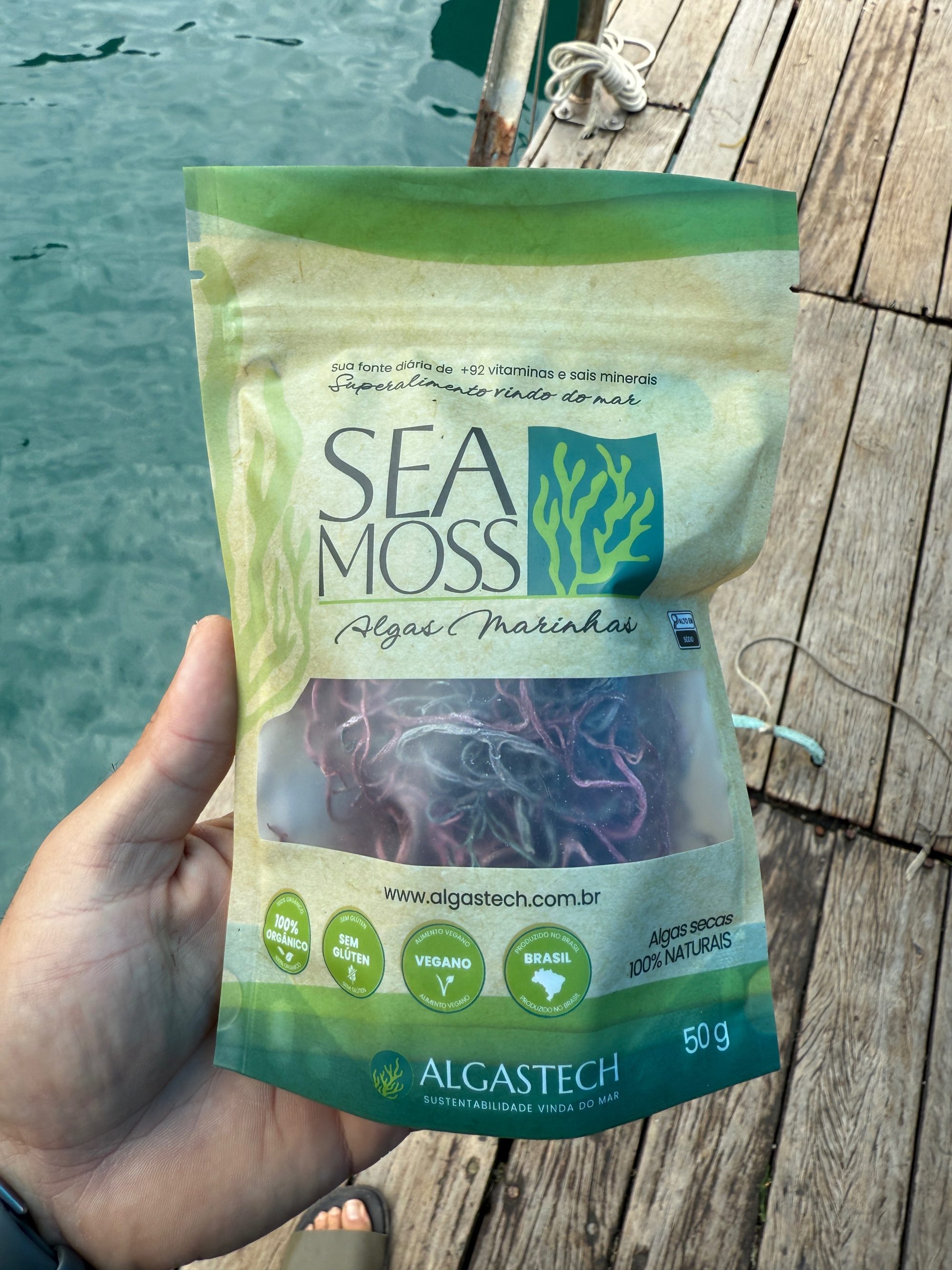
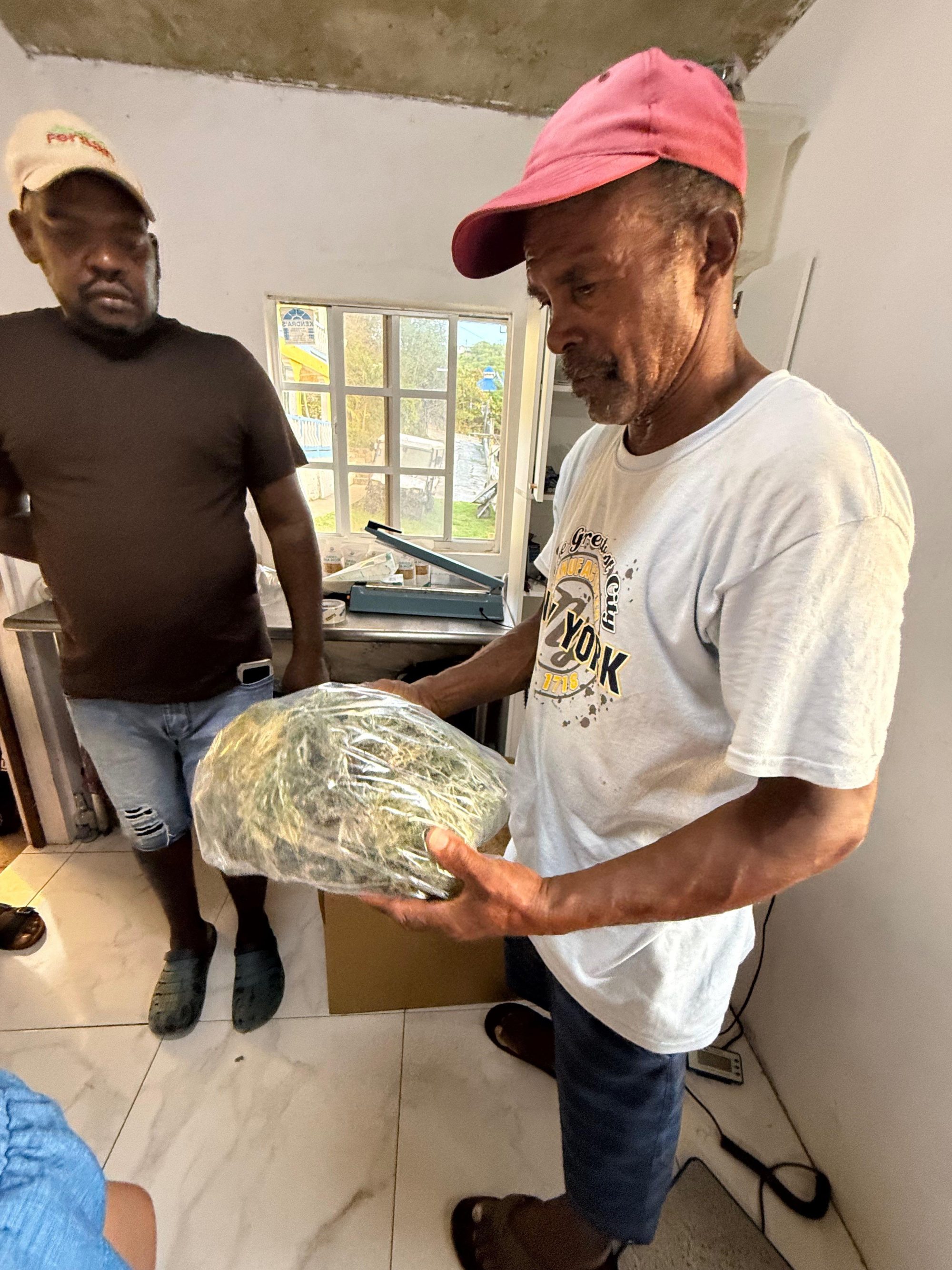
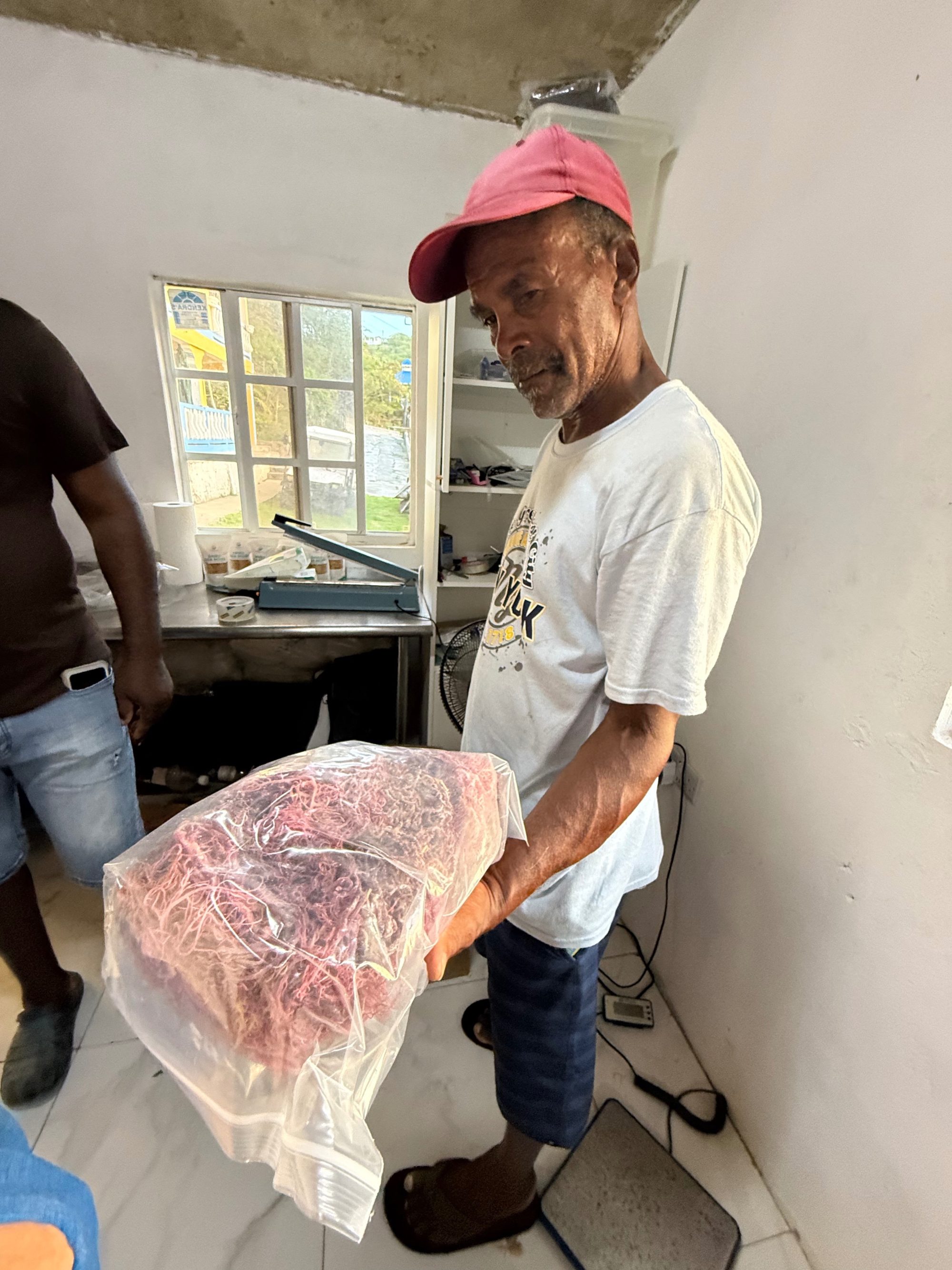
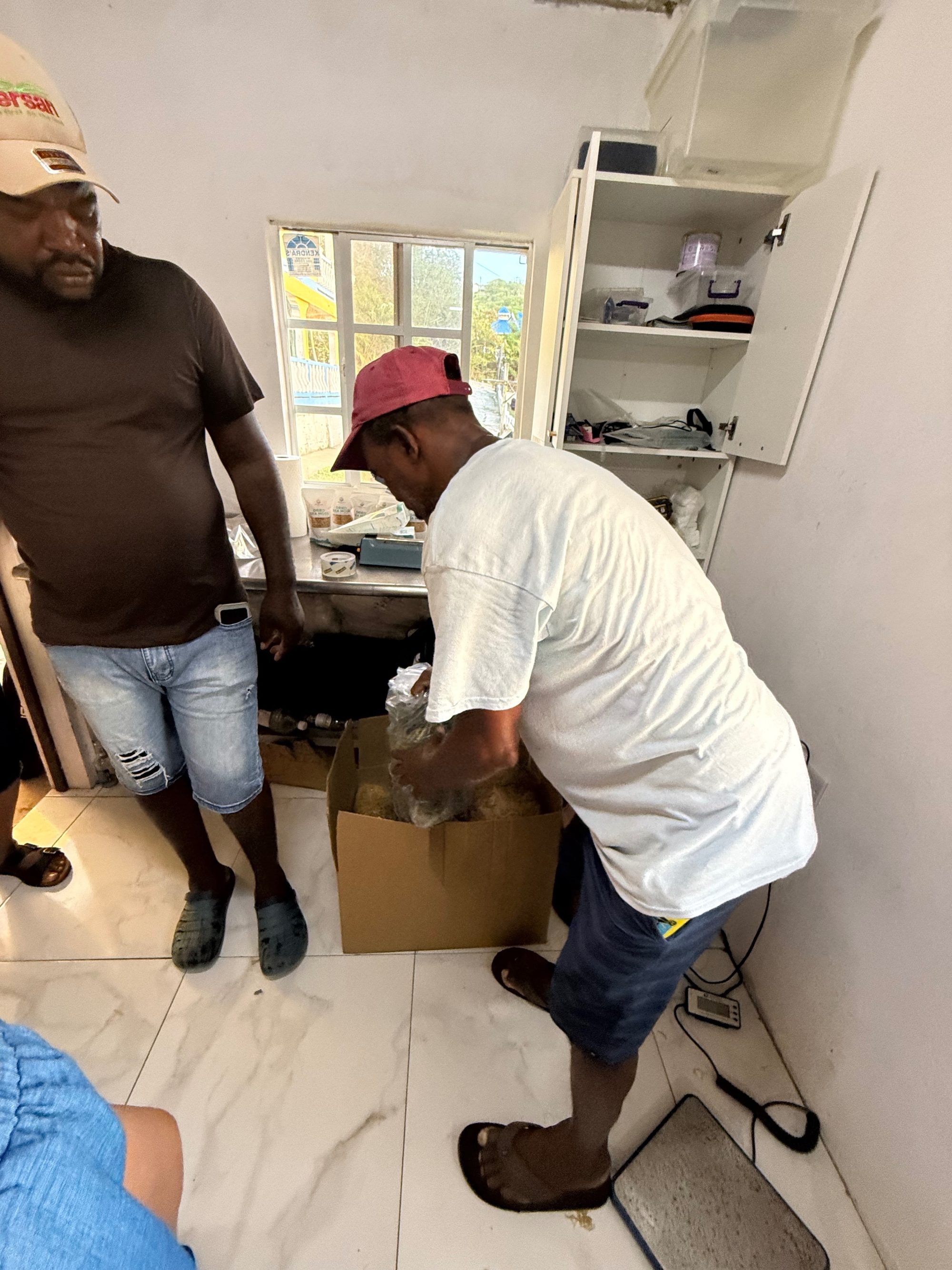
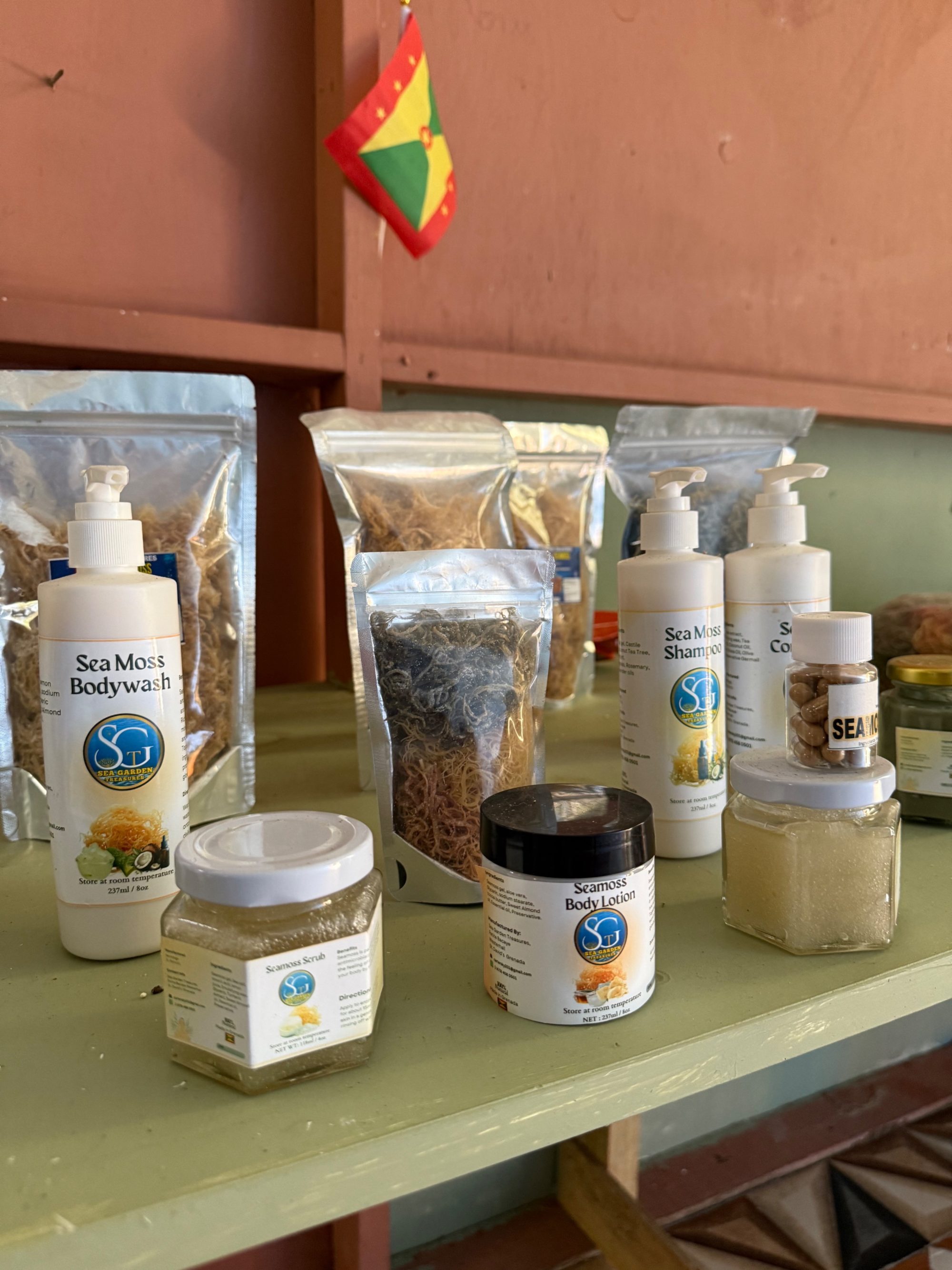
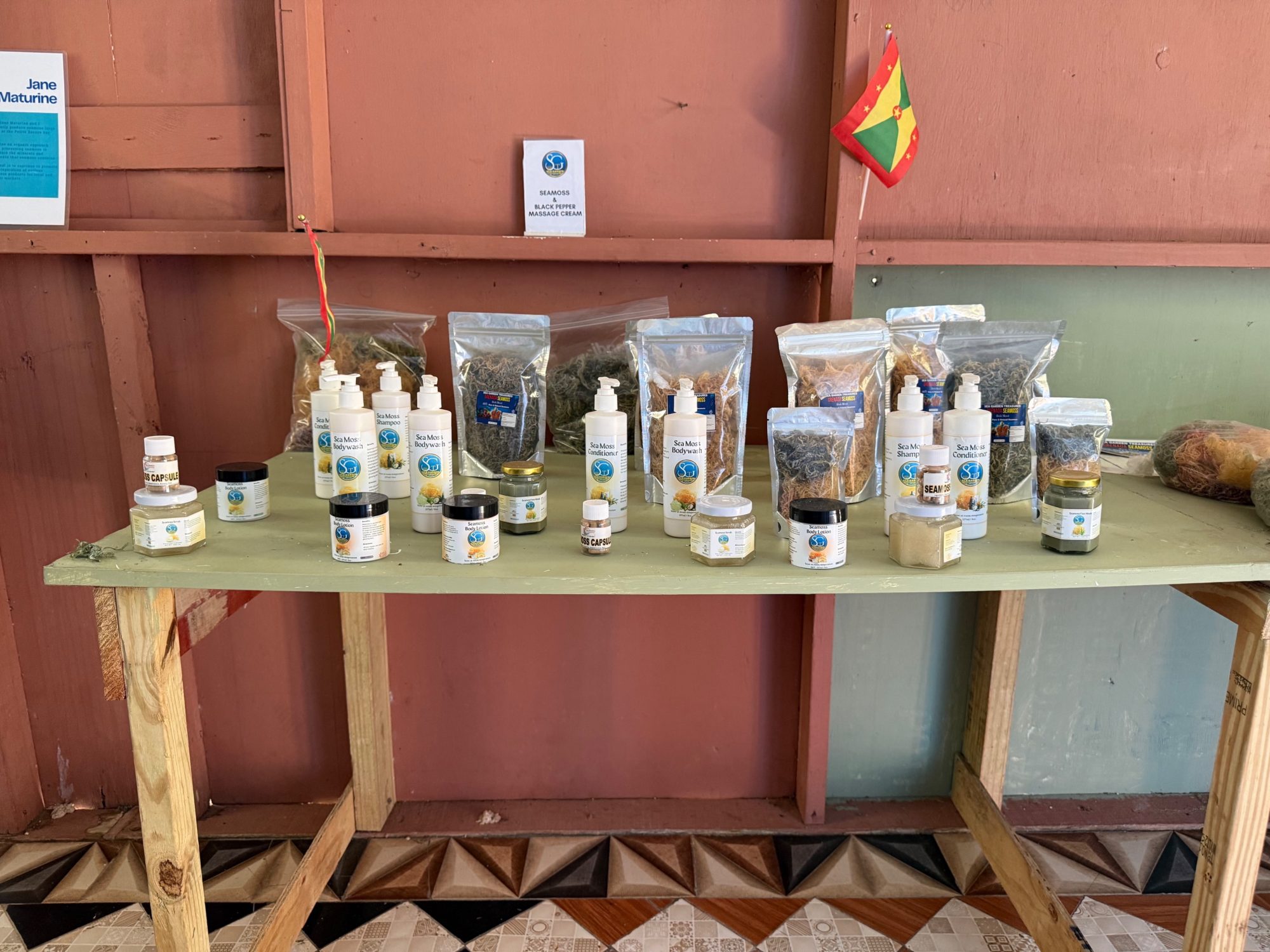
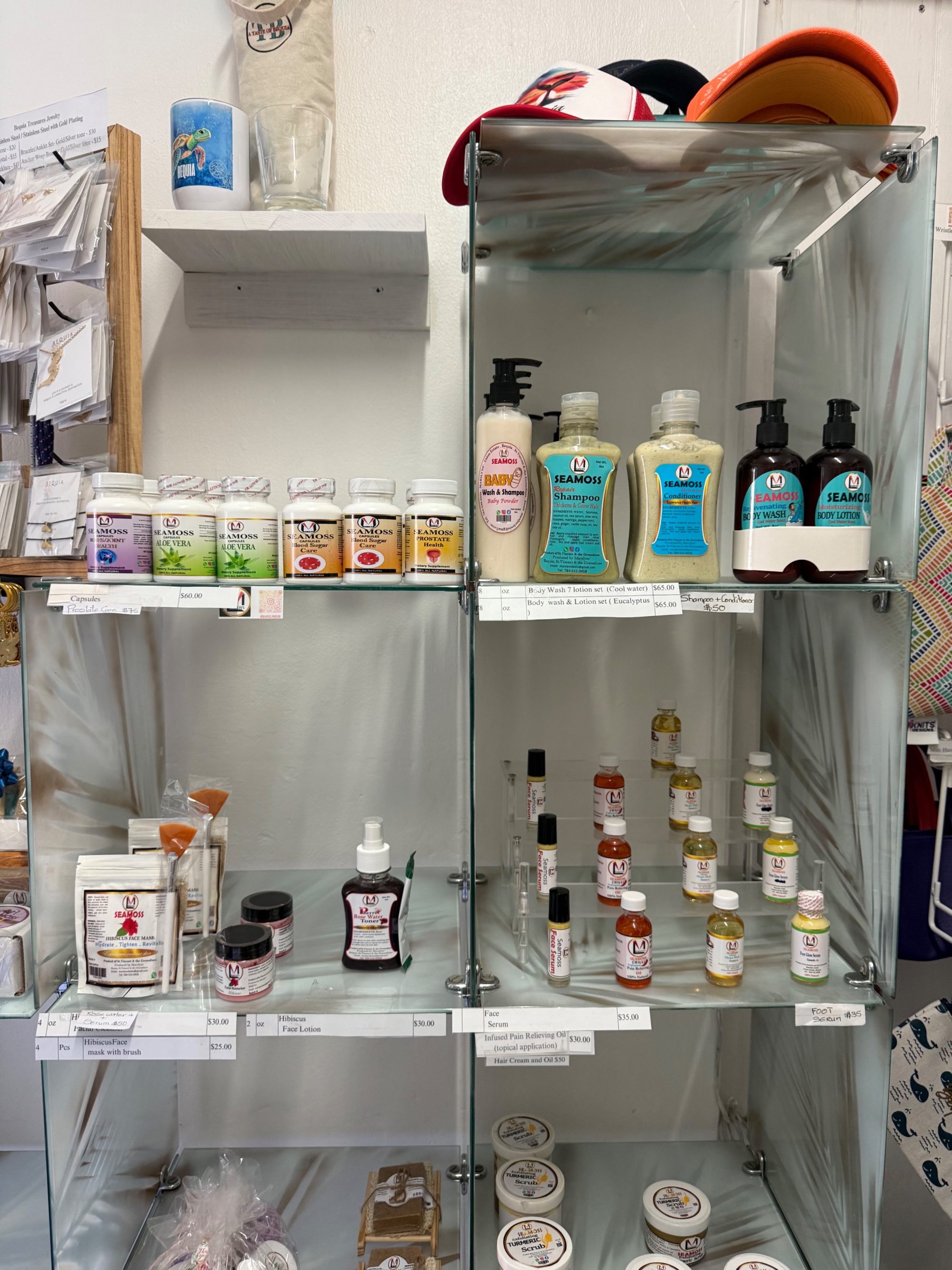
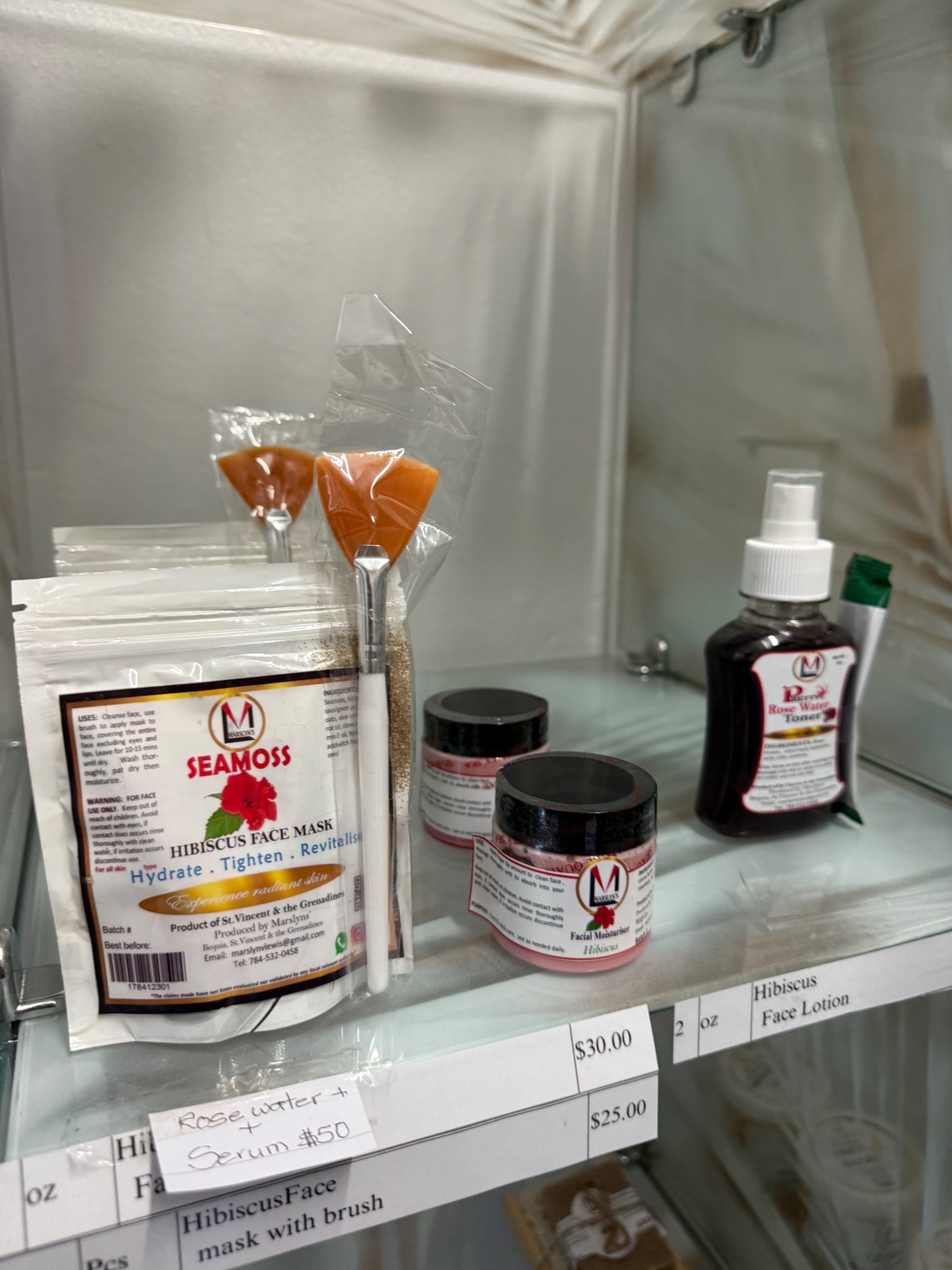
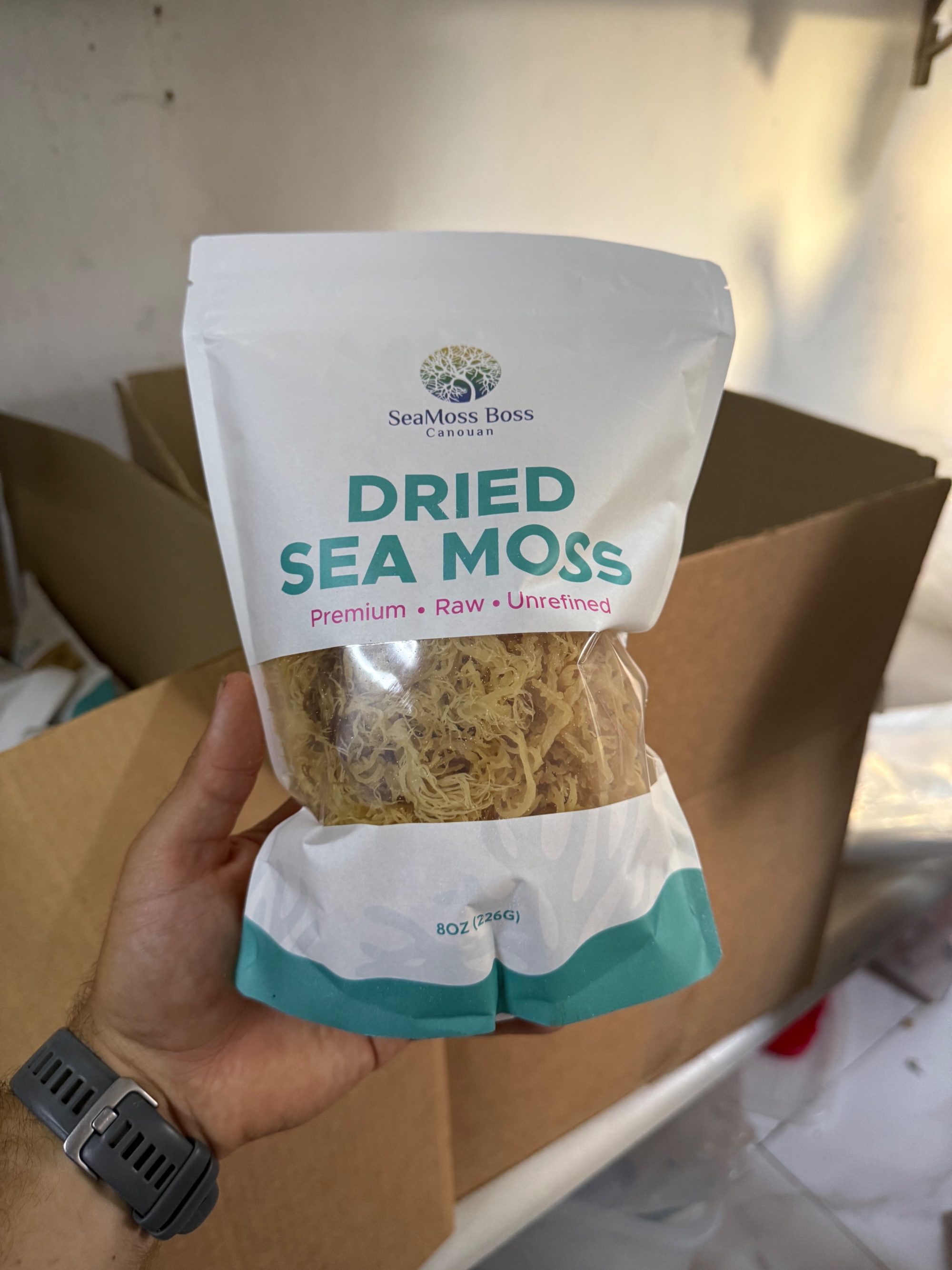
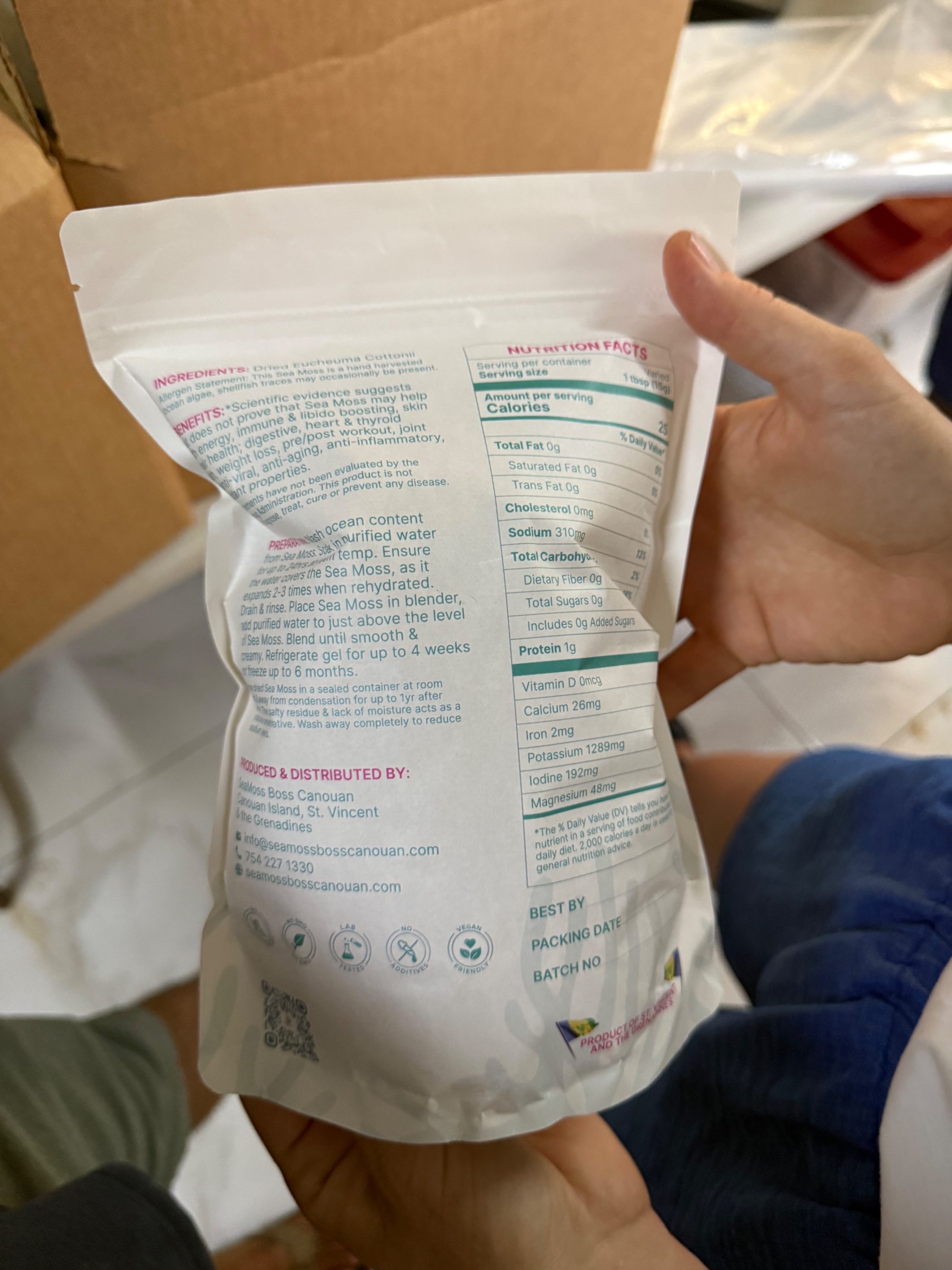
In the Caribbean Island, Eucheumatoids are marketed as sea moss for both local and international markets. Farmers sell dried seaweed directly to consumers or packaged in local supermarkets, while larger volumes are typically sold to exporters or through farmer associations. To do so, farmers transport their product either to local buyers or to designated association collection points.
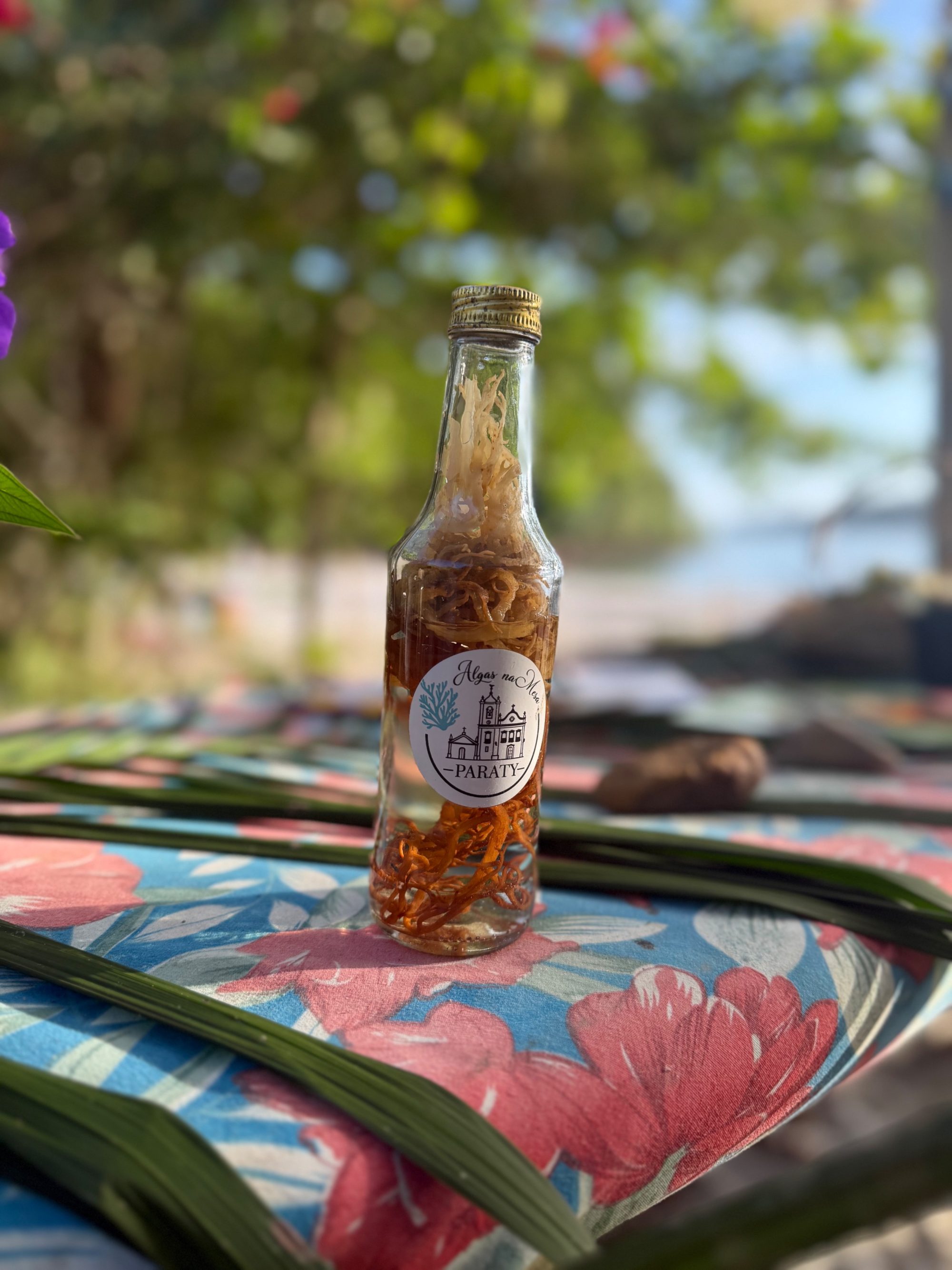
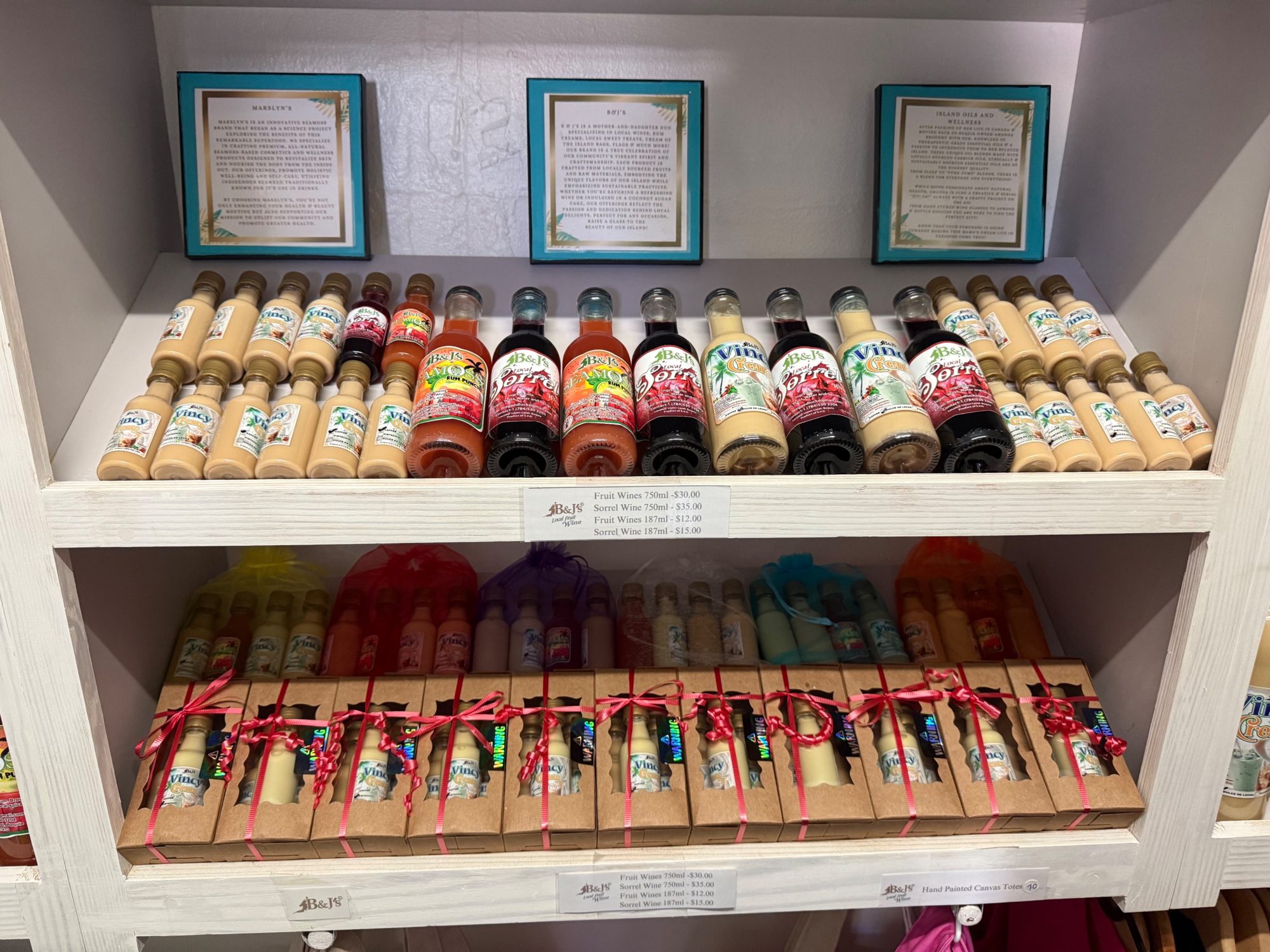
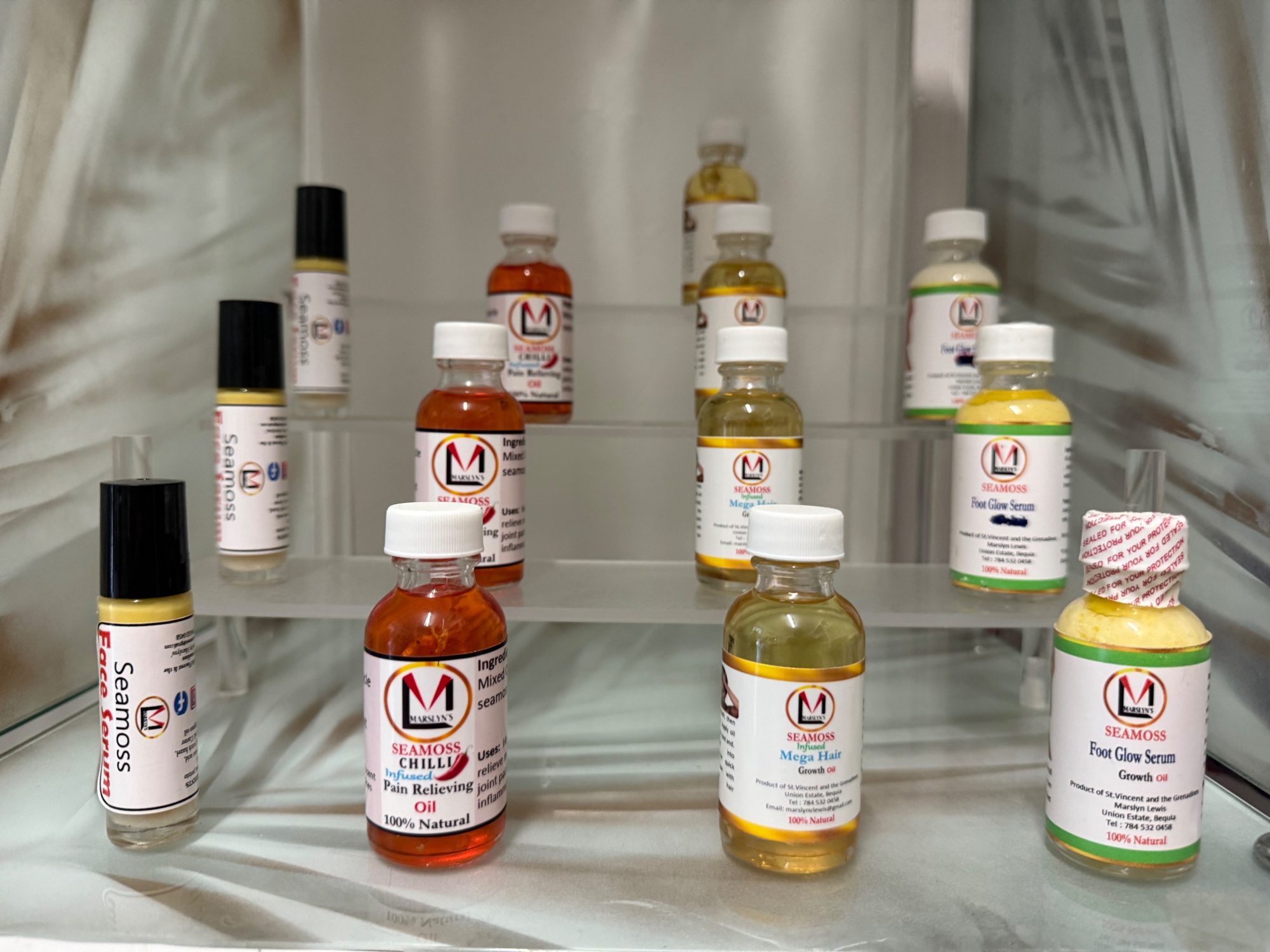
Some farmers, especially women have also started to produce a variety of value-added sea moss products, including gels, wines, juices, sugar cakes, jellies, cakes, and even barbecue dishes with fish and potatoes.These products are sold directly to international visitors, offered in local supermarkets, and shipped to overseas consumers through social media platforms such as Instagram, where individual orders are arranged for international markets.
Quality parameters
For unprocessed Eucheumatoids sold locally, quality is assessed visually and by feel, ensuring a crispy, non-sticky texture, consistent colour without spots, adequate size, and absence of impurities. For products intended for human consumption in supermarkets, compliance with Bureau of Standards requirements is required, while exports must additionally obtain phytosanitary certification.
South America
Point of sales
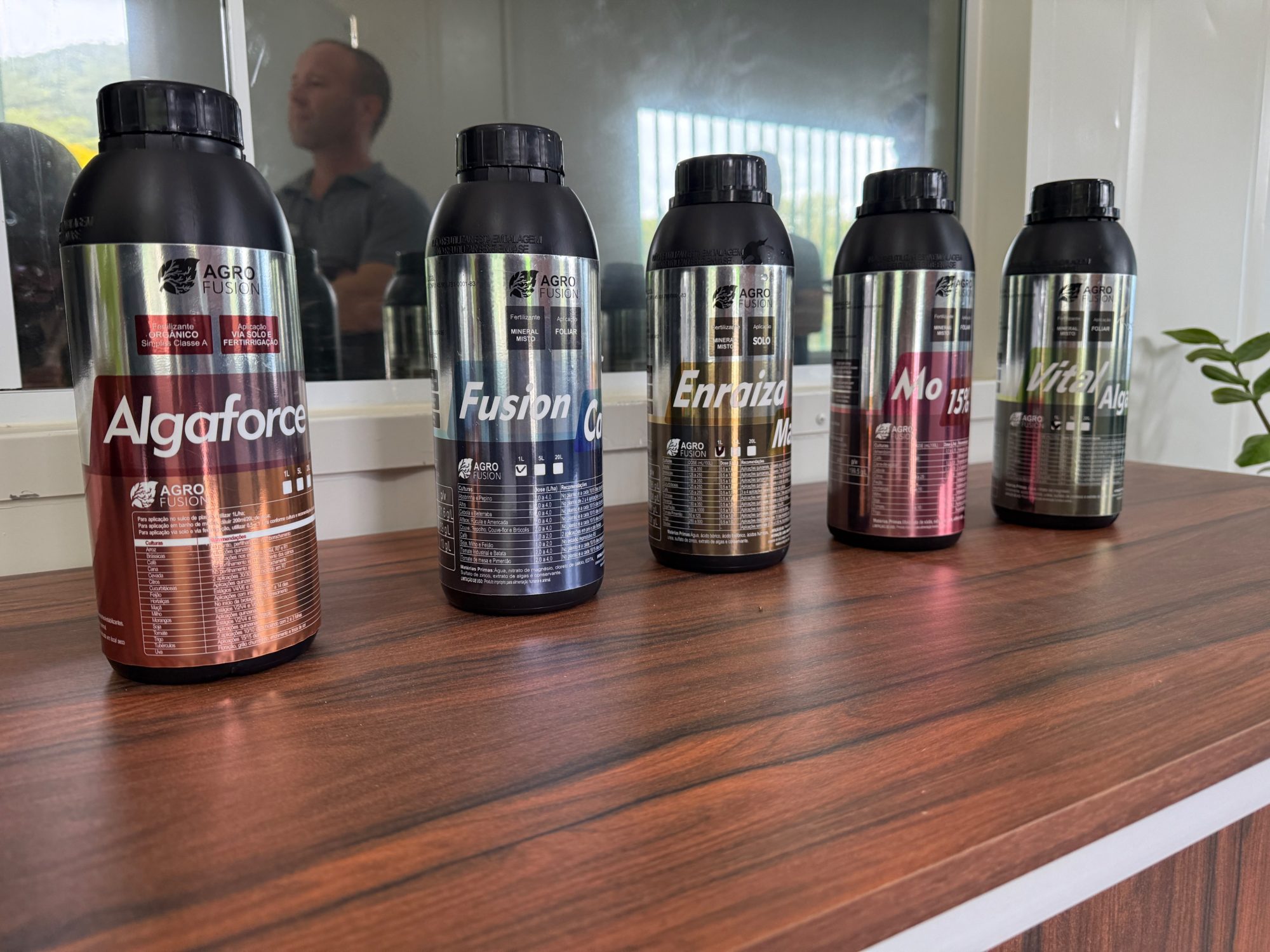
Compared to the typical panorama in South East Asia, the market for Eucheumatoids in Venezuela and Brazil is more consolidated. In Venezuela, primarily two companies purchase the dried seaweed produced by independent farmers, while both have their own farmed production as well. In Brazil's Santa Catarina, the market is dominated by a few major buyers that purchase wet biomass to produce extracts for biostimulants. Similarly in Rio de Janeiro one major buyer was producing extracts but the market for fresh seaweed has recently contracted. This structure creates distinct, concentrated supply chains in each region.
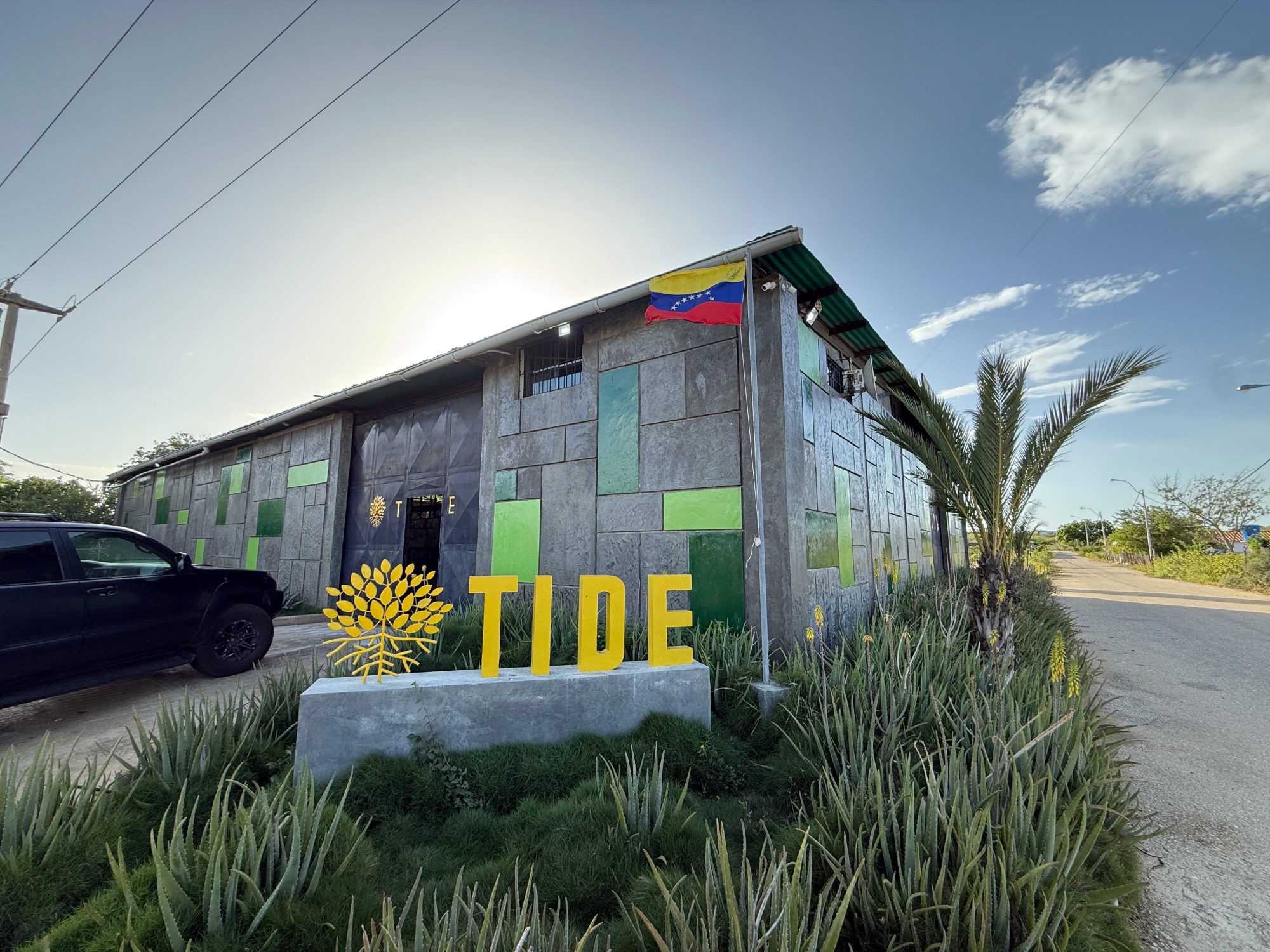
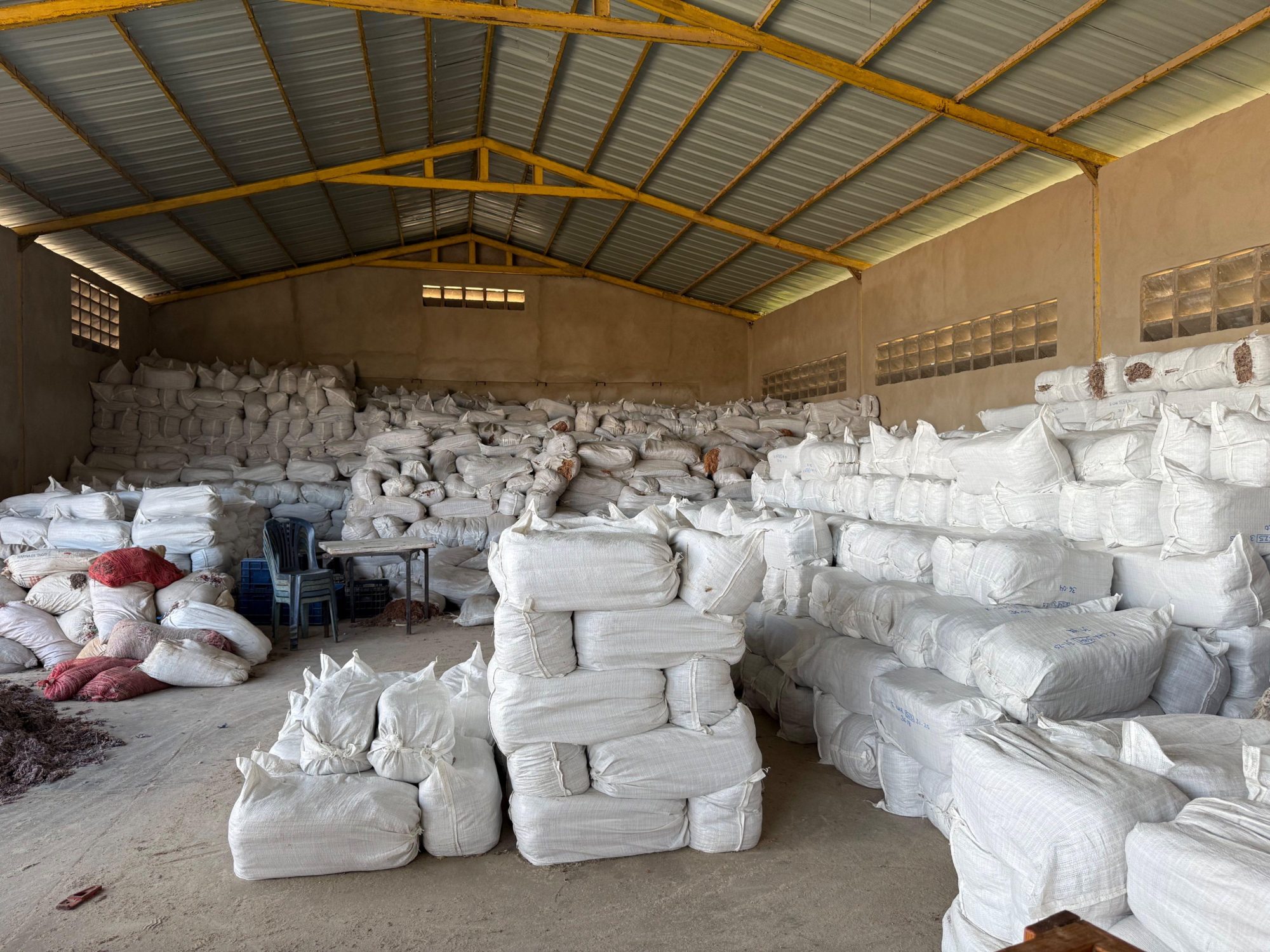
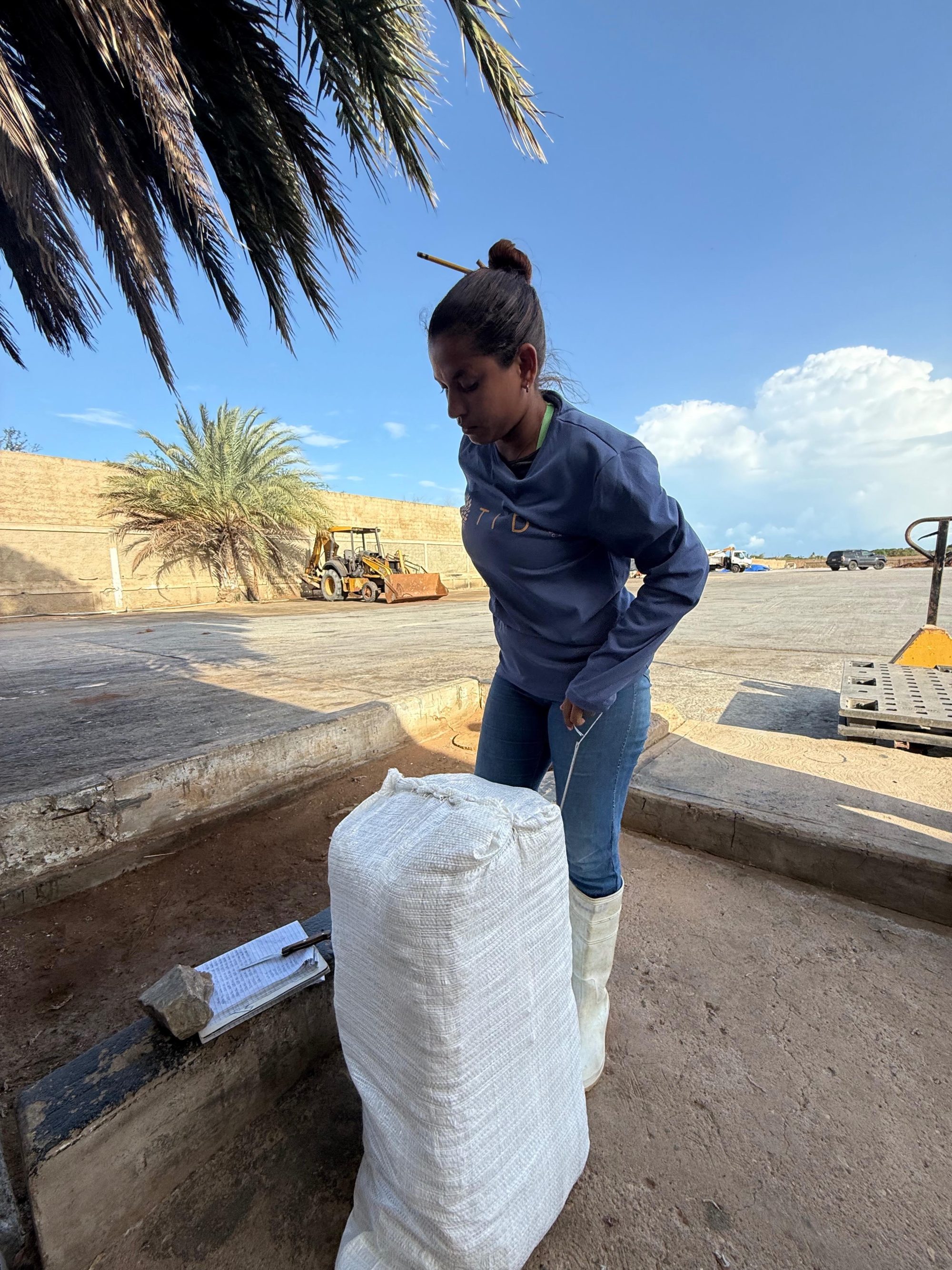
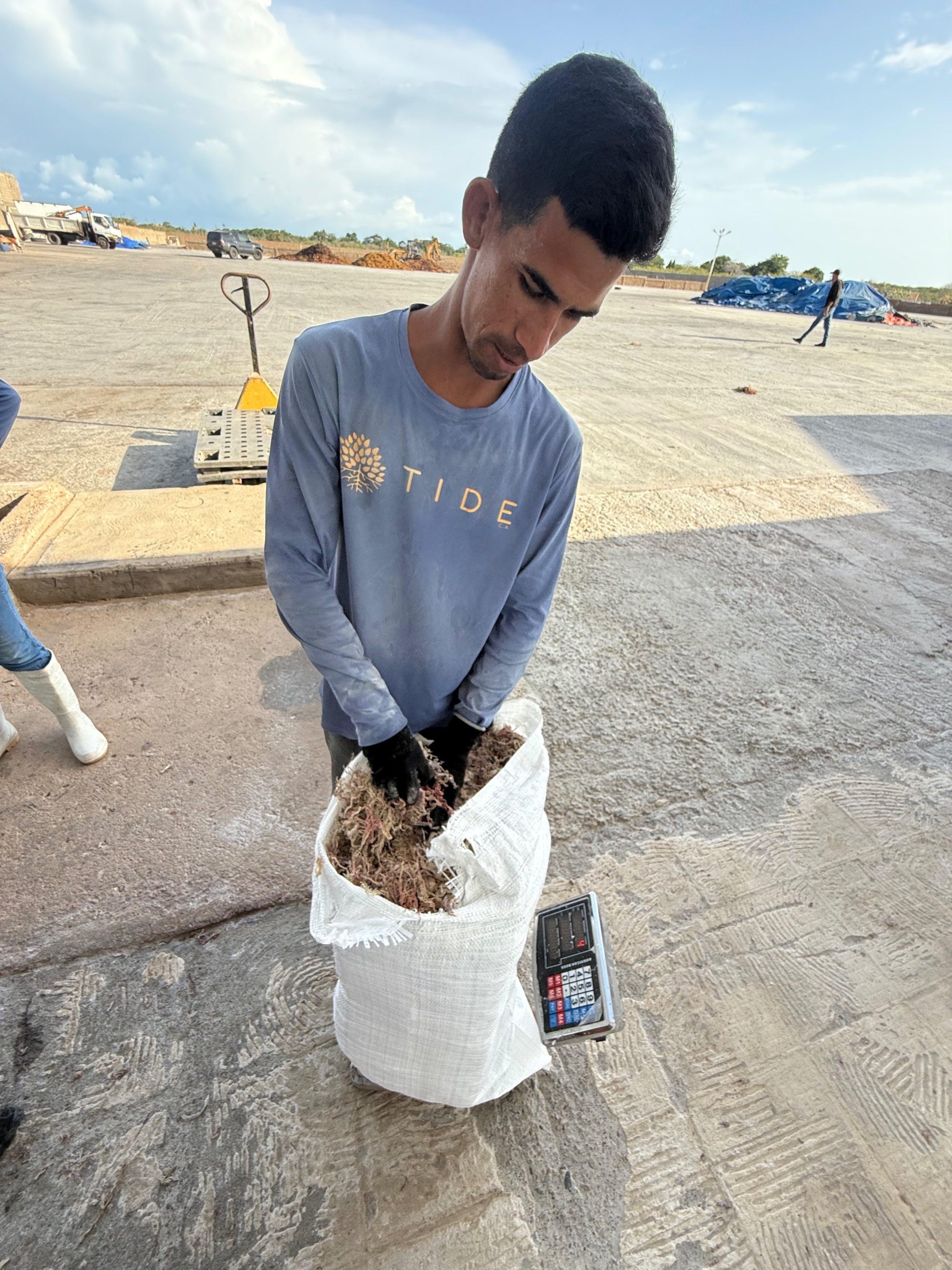
In Venezuela, dried seaweed packaged in sacks is prepared for container shipping to international buyers for Carrageenan processing. In addition TIDE has built a processing facility for extraction of a biostimulant to diversify income beyond raw material exports. In Brazil, the priority is speed to preserve freshness for liquid extraction. This involves complex logistics, primarily using trucks to transport live algae, with journeys sometimes extending 400 kilometers or over 20 hours from Rio de Janeiro to supply processors during the off-season.
In Venezuela, transactions occur at company facilities like TIDE's plant or local buyer collection points. In Brazil, the primary point of sale is the processor's reception facility, such as the Algas Brasil plant in Santa Catarina, where fresh algae for the major biostimulants market is delivered by boat and weighed as it reaches shore. The market in Santa Catarina is unique in the sense that it’s growing in an organized manner compared to other locations. The price has remained stable at approximately $0.50 USD per kg, which has been calculated by EPAGRI, the public company of Agricultural Research and Rural Extension of Santa Catarina, to be a fair price for both farmer and processor and is since respected.
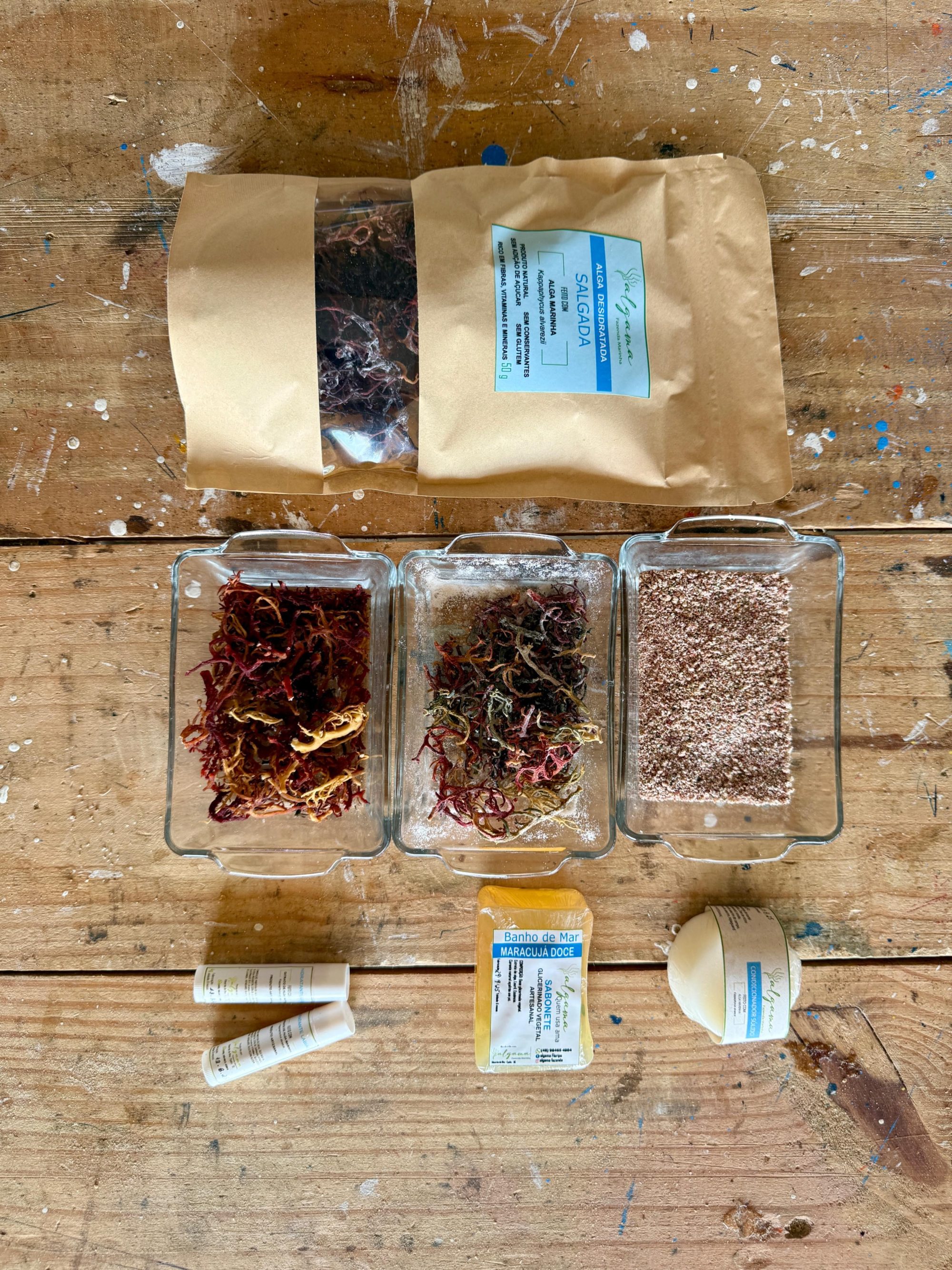
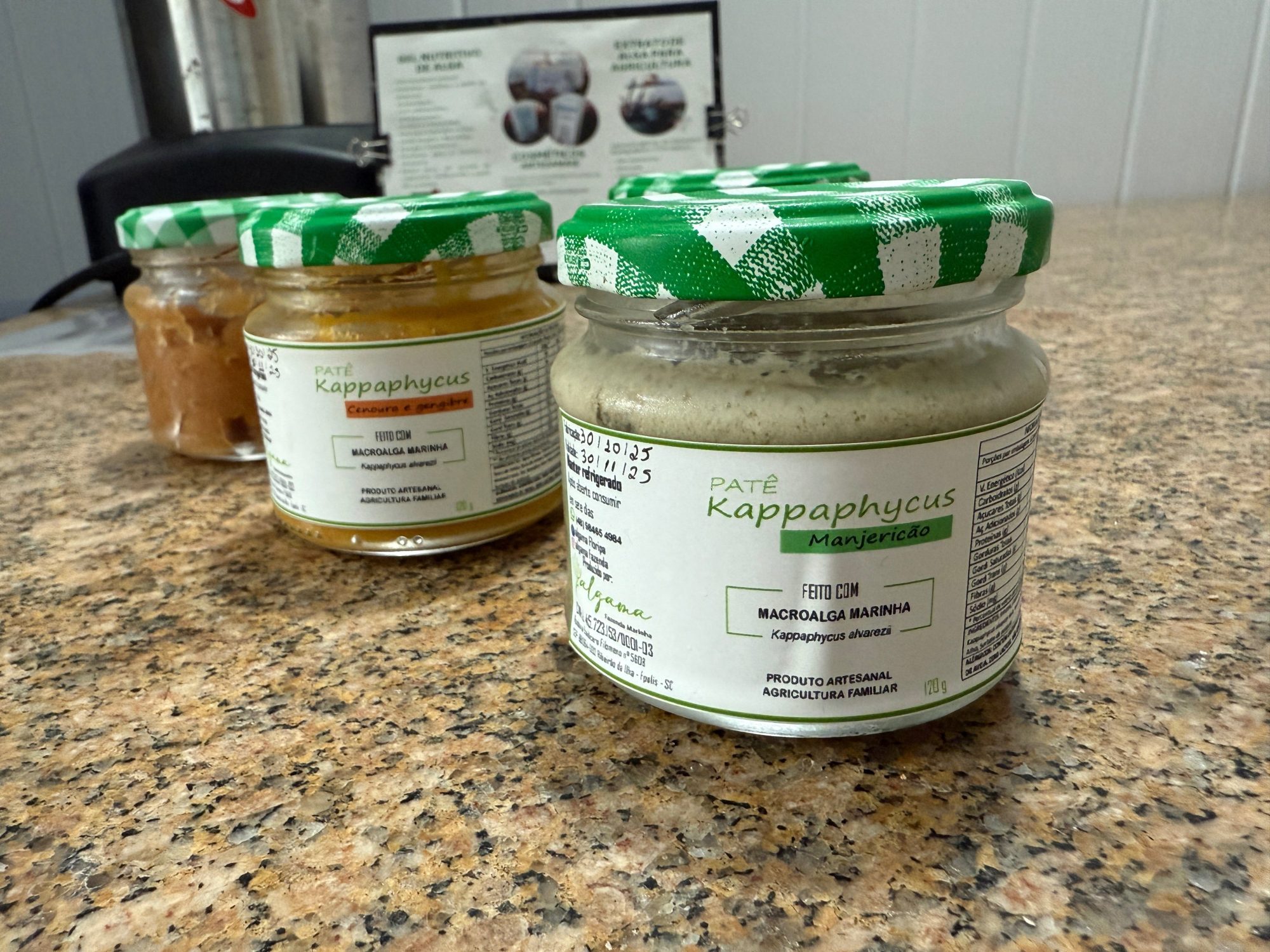
Beyond the domestic biostimulant market, innovators in Brazil are also developing new products around human consumption as a marine superfood, culinary products, and advanced industrial applications like bioplastics. This diversification is closely linked to gastronomy and tourism, with initiatives promoting seaweed through recipe books, community-based tours, and partnerships with chefs to strengthen local economies.
Quality parameters
The fundamental quality requirement across both countries is visually clean algae, free of biofouling and debris. For formal quality control, TIDE conducts laboratory tests to measure moisture, texture, and gel strength, alongside evaluating the performance of its biostimulant products. In Brazil, while visual inspection for cleanliness is standard at reception, the final biostimulant products must undergo rigorous laboratory testing to meet official Ministry of Agriculture standards for market approval.