Undaria Seeding
East Asia
Overview
Seed production
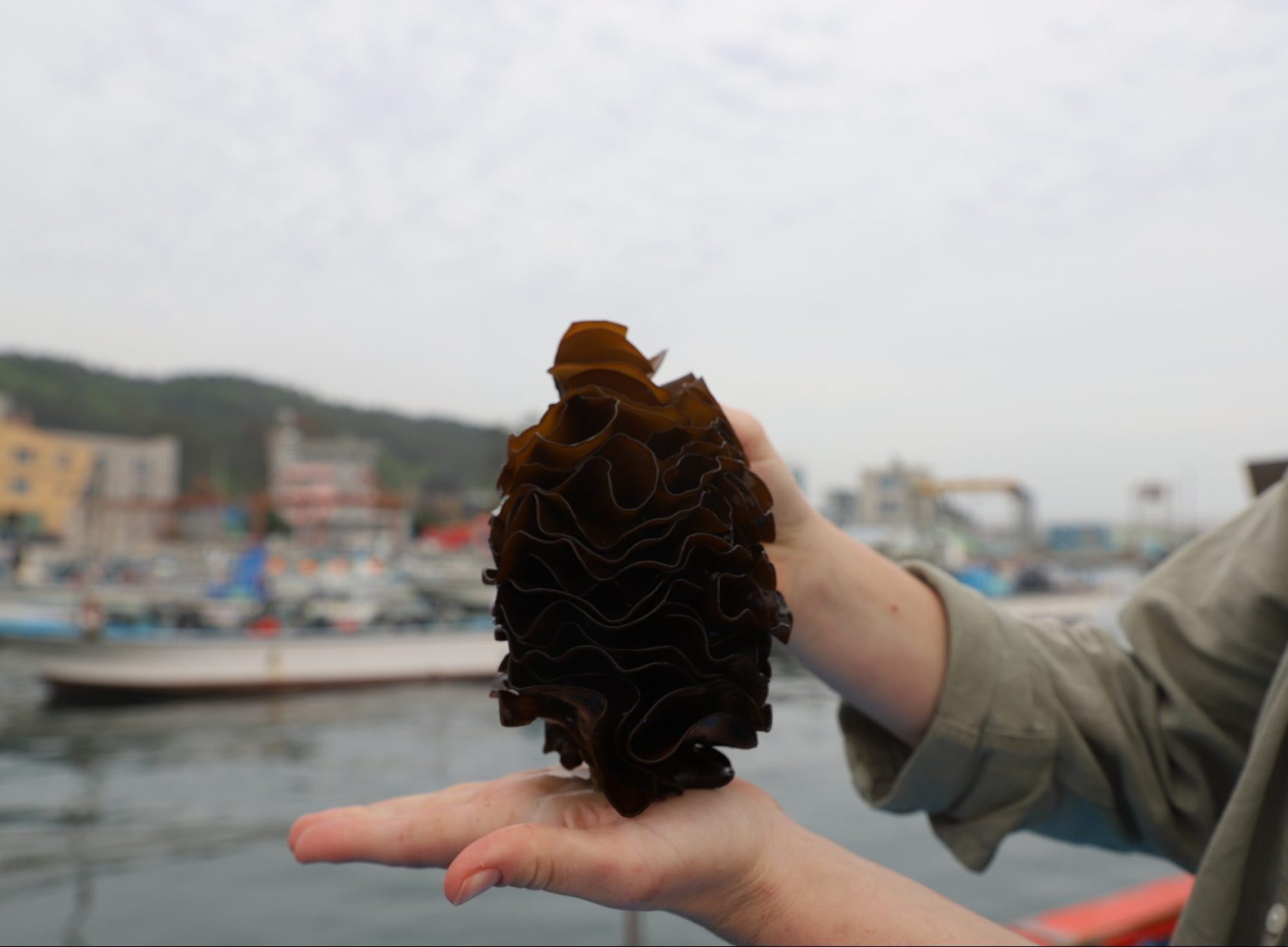
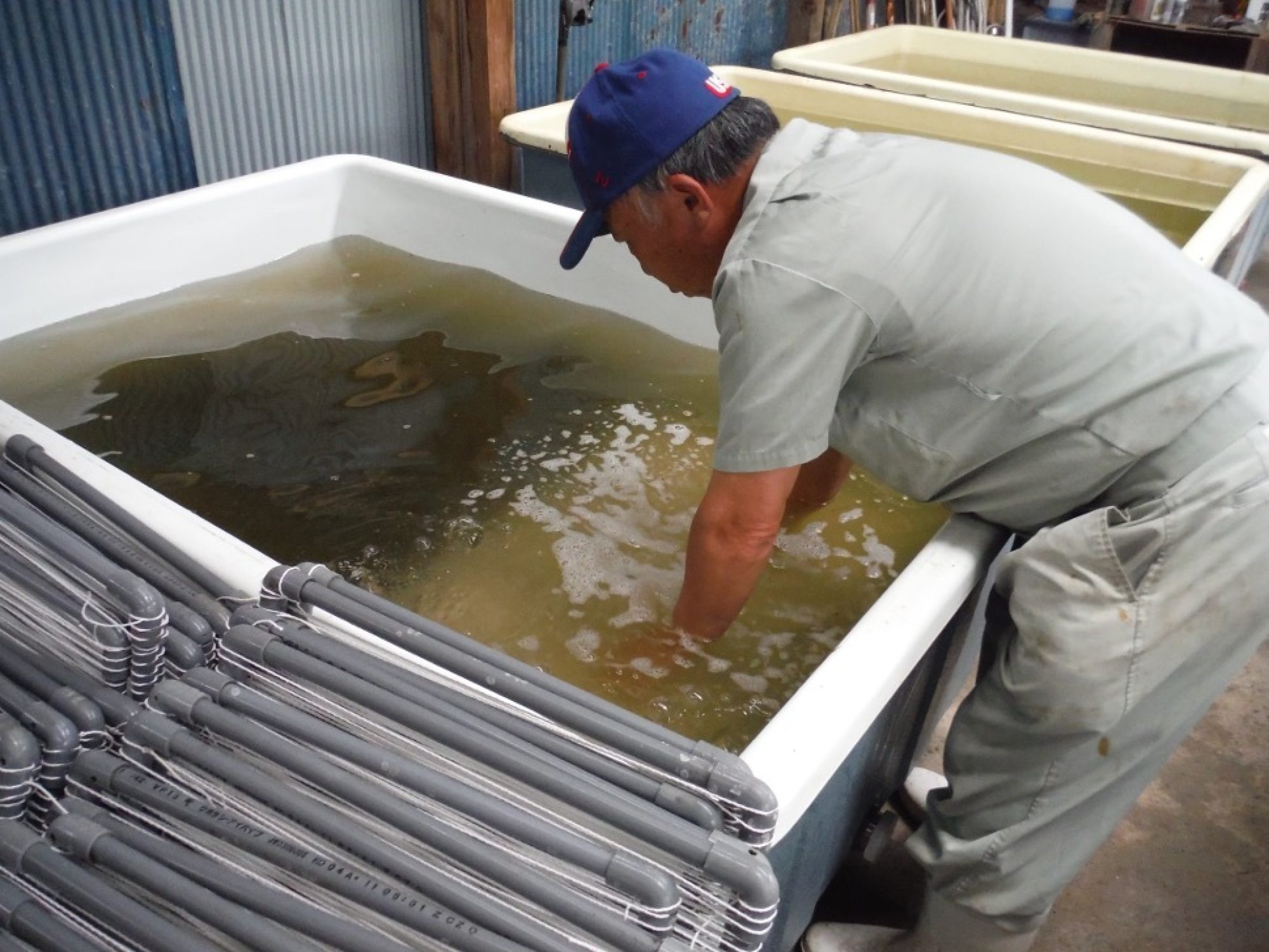
Once the seawater temperature rises above 19°C in summer, mature parent plants are brought to land to a hatchery. In the hatchery process, zoospores from the mature plants will be collected on either seed frames or curtains made from palm fibre or vinolyn fibres. The production of these ‘seed collectors’ is very time-consuming and labour intensive. During the hatchery process careful daily observation includes the regulation of water temperature, light intensity and nutrient requirements.
Typically, parental plants that are used for yearly sporeling production come directly from the farms, where they are kept until May (in Korea) or June (in Japan and China) until the hatchery process starts.
Depending on the region, the hatchery work will either be done by a dedicated company or the farmers themselves:
- In South Korea, seed supply almost exclusively comes from dedicated commercial hatcheries.
- In China, the large farms in the North run several of their own hatcheries.
- In Japan, the fisheries cooperative typically operates a hatchery.
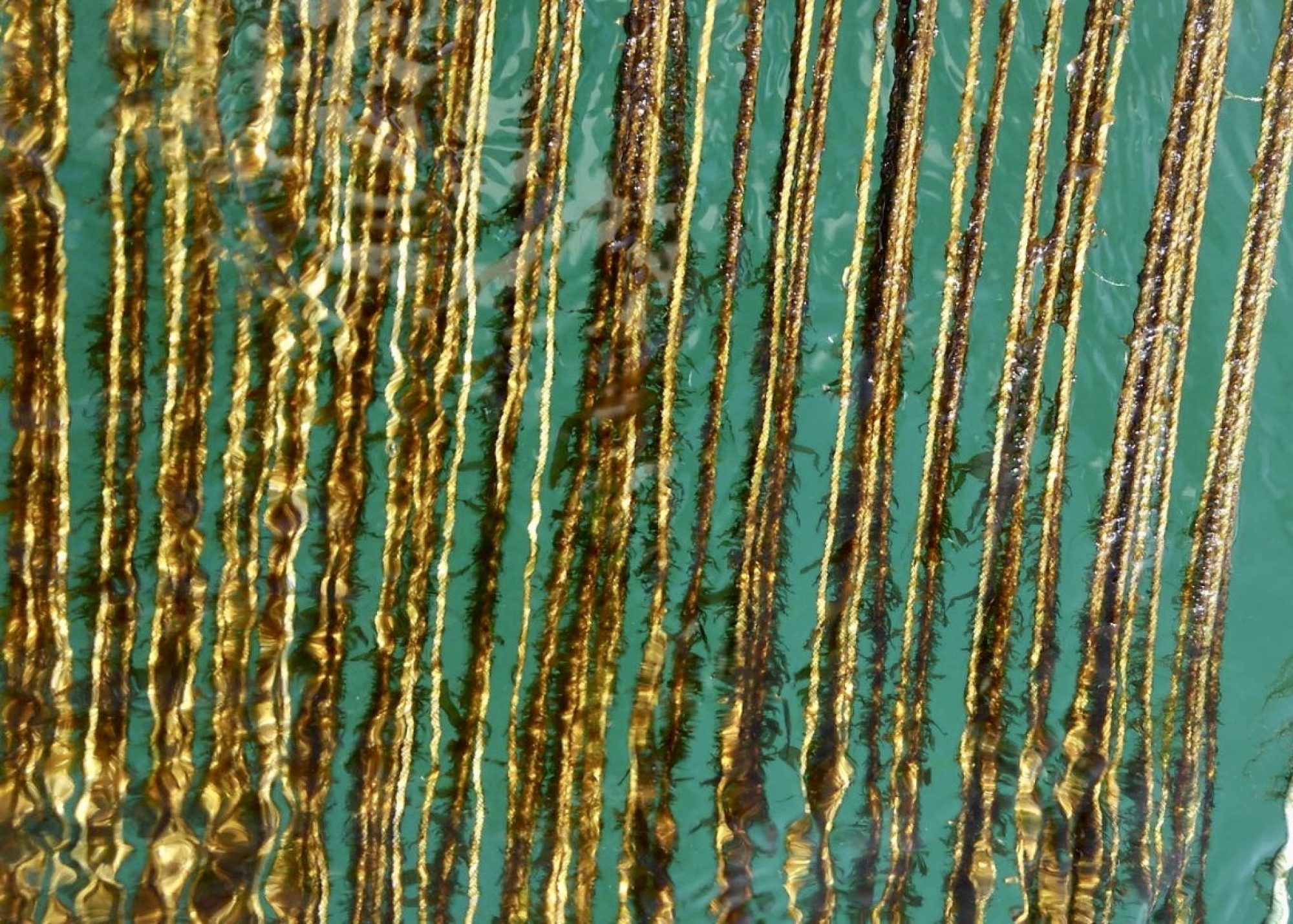
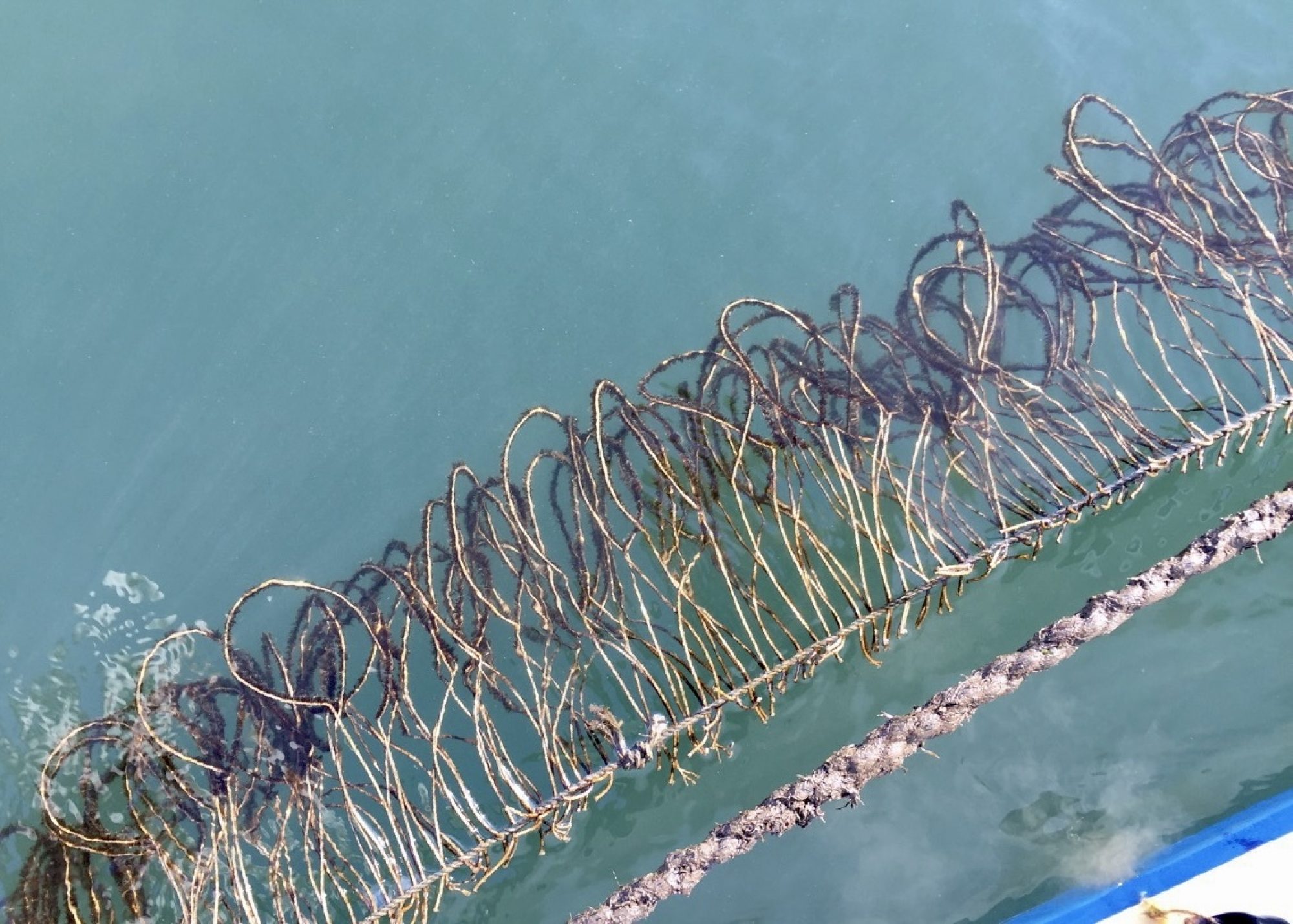
There are different methods to attach the seed material to the cultivation rope:
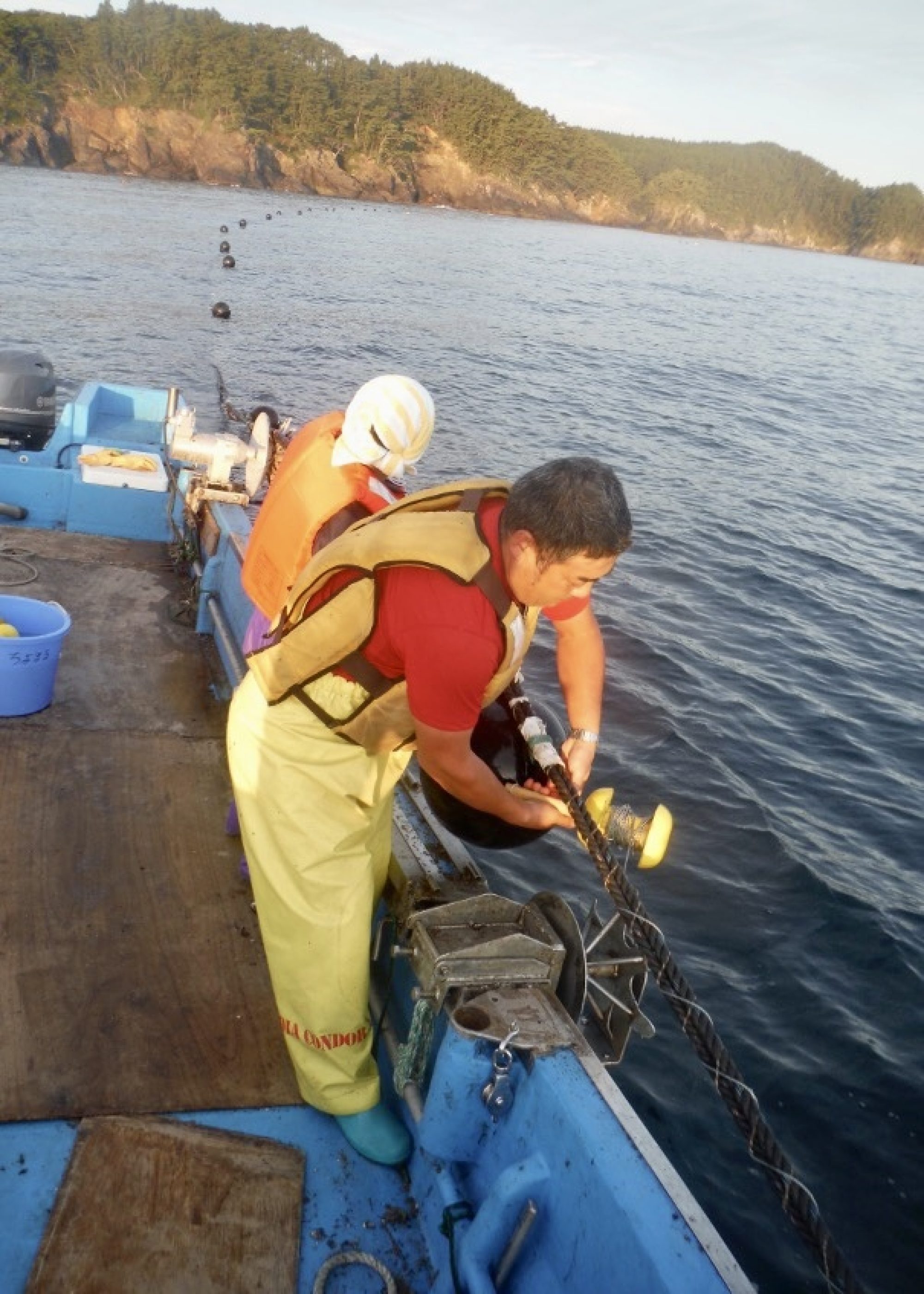
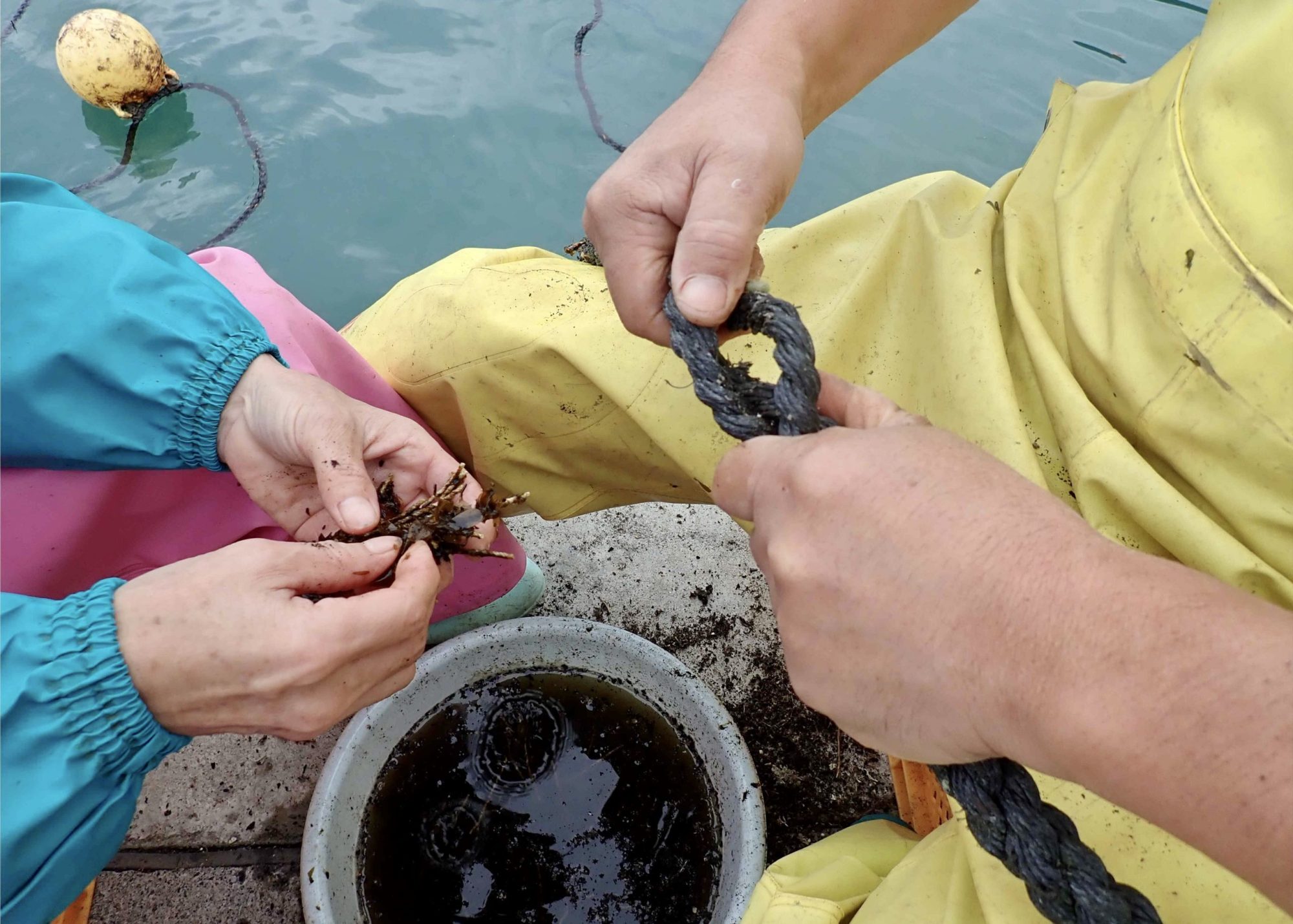
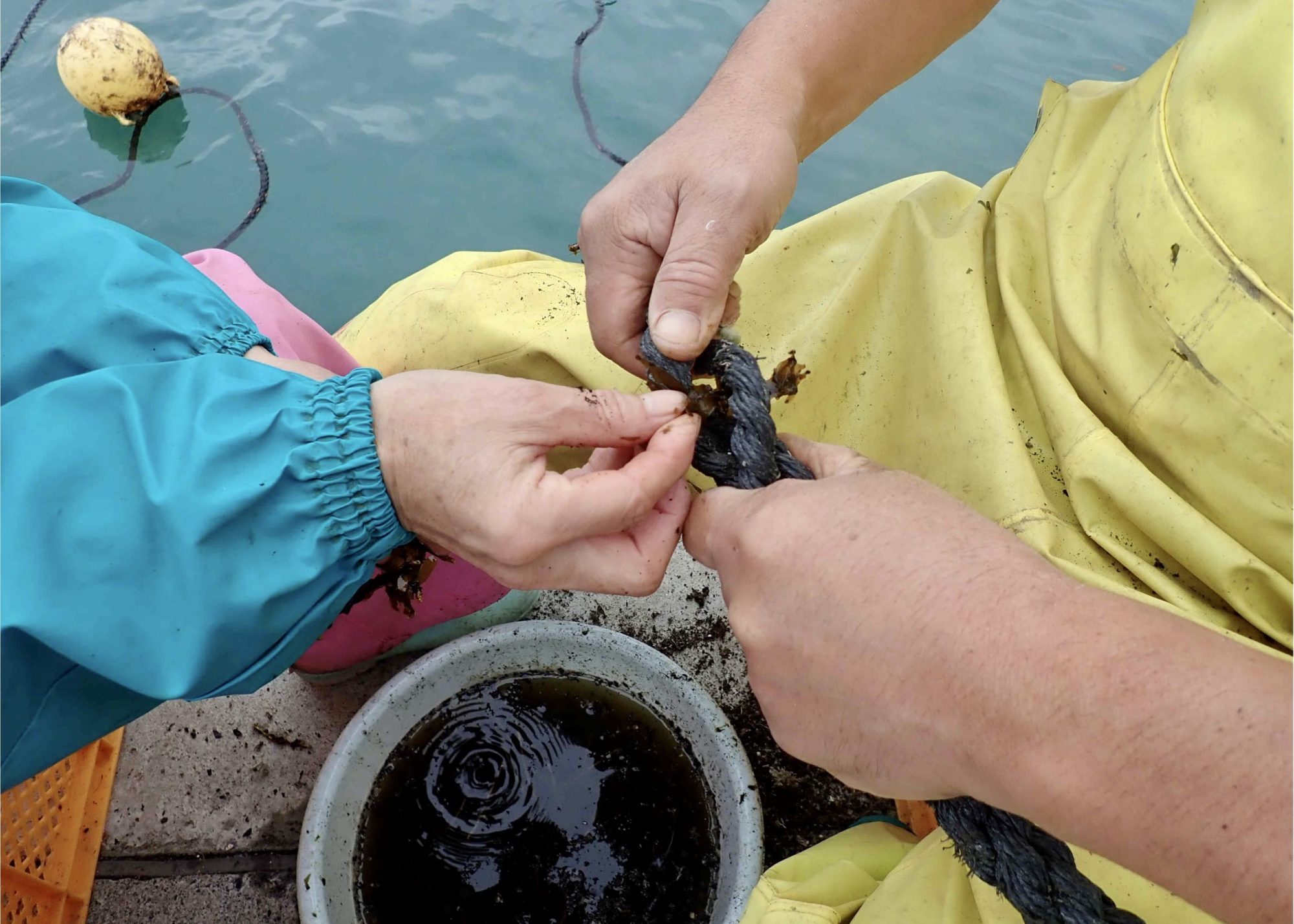
Twine seeding which can take place at the cultivation site, by winding the sporeling string around the cultivation ropes.
The sporeling string is cut into 2-5 cm long pieces and inserted directly into the twists of the main cultivation ropes, which will then have to be deployed at the cultivation site.
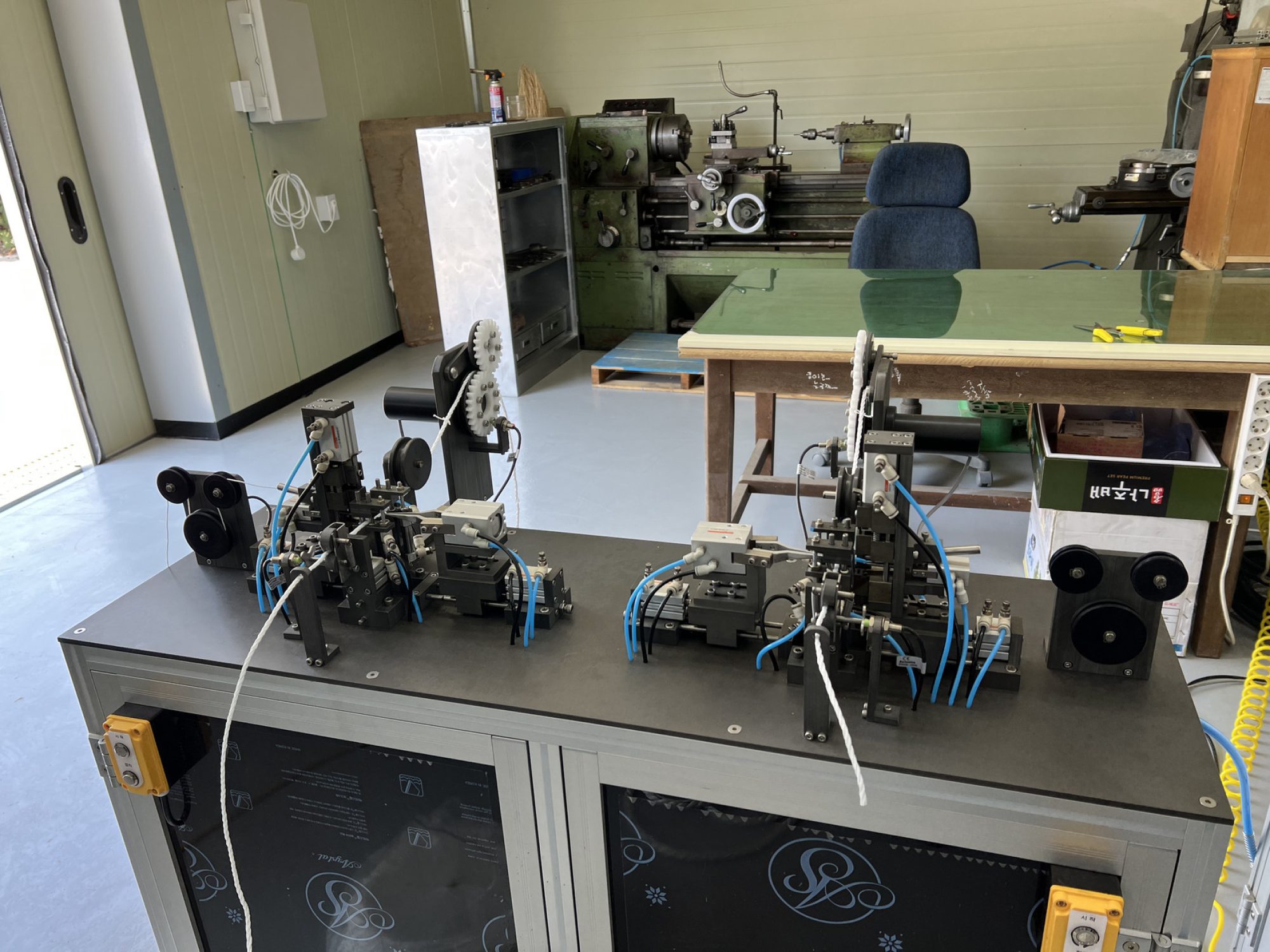
- In South Korea, roughly 70% of the farmers already use a machine that automatically cuts and inserts 2-3 cm of seed strings into the culture line. The seeding machine enables old ropes to be reused, because it can work with different rope sizes/strengths.
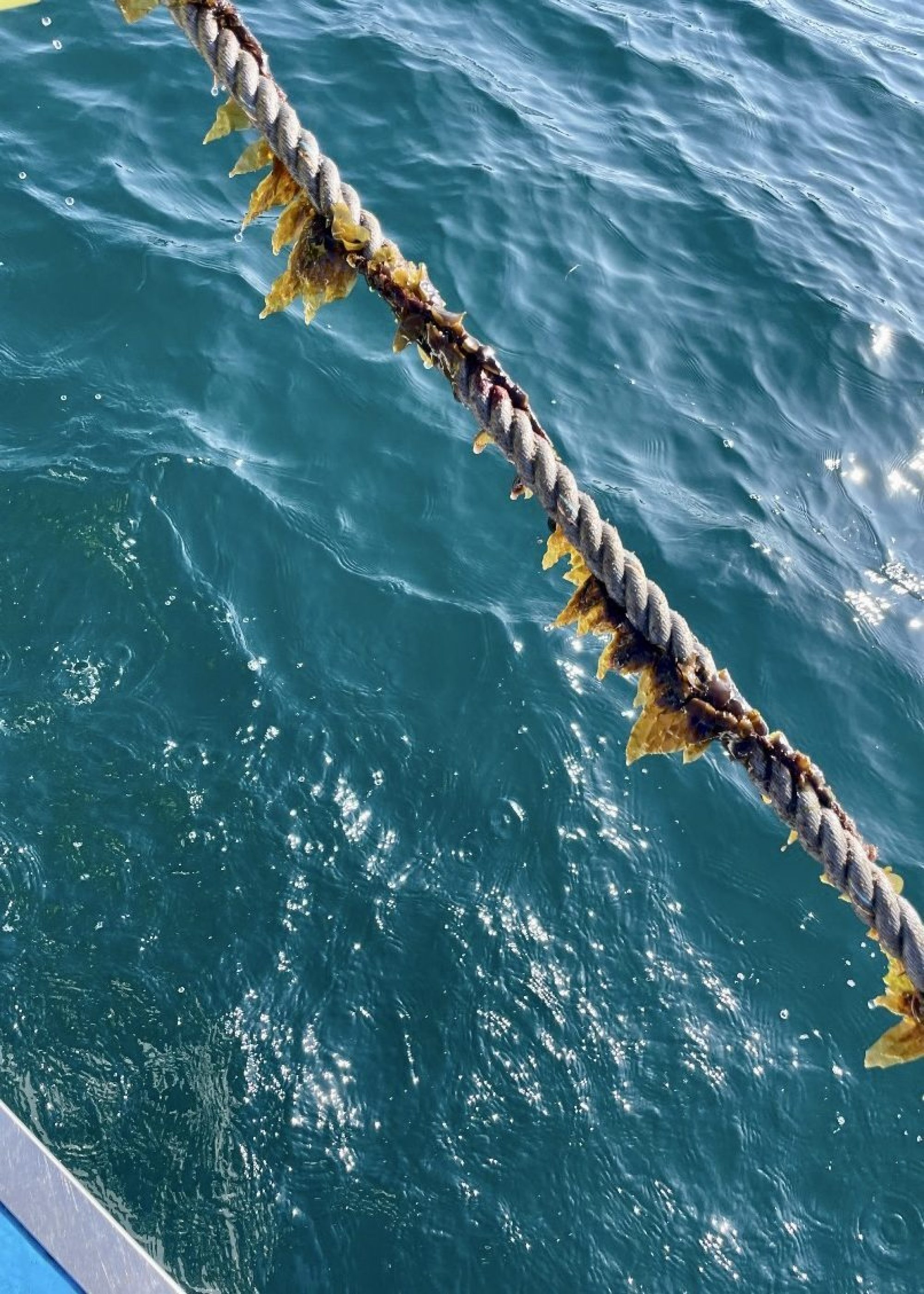
The seeded collectors are then transported to the open sea and further grown in a nursery location. Young sporophytes will grow rapidly at temperatures below 22°C generally until September to October. The depths of the lines will have to be constantly adjusted according to environmental conditions. During the period, other algae and diatoms tend to attach to the surface of the seeded strings, which requires manual cleaning every week.