Seaweed
  • Species production
  • Regional production
  • About
  • Reports
  • en
  • es
  • pt
  • Species Production Overview
  • Eucheumatoids
  • Saccharina
  • Undaria
  • Pyropia
  • Gracilaria
  • Macrocystis
  • Global Production Overview
  • East Asia
  • South East Asia
  • Central America & Caribbean
  • South America
  • Species production
    • Species Production Overview
    • Eucheumatoids
      • Production Overview
      • Site selection
      • Farm design
      • Seeding
      • Grow out
      • Harvest
      • Post harvest
      • Sales
      • The farmer
      • Future of farm
    • Saccharina
      • Production Overview
      • Site selection
      • Farm design
      • Seeding
      • Grow out
      • Harvest
      • Post harvest
      • Sales
      • The farmer
      • Future of farm
    • Undaria
      • Production Overview
      • Site selection
      • Farm design
      • Seeding
      • Grow out
      • Harvest
      • Post harvest
      • Sales
      • The farmer
      • Future of farm
    • Pyropia
      • Production Overview
      • Site selection
      • Farm design
      • Seeding
      • Grow out
      • Harvest
      • Post harvest
      • Sales
      • The farmer
      • Future of farm
    • Gracilaria
      • Production Overview
      • Site selection
      • Farm design
      • Seeding
      • Grow out
      • Harvest
      • Post harvest
      • Sales
      • The farmer
      • Future of farm
    • Macrocystis
      • Production Overview
  • Regional production
    • Global Production Overview
    • East Asia
    • South East Asia
    • Central America & Caribbean
    • South America
  • About
  • Reports
Seaweed
  • en
  • es
  • pt
  • Production Overview
  • Site selection
  • Farm design
  • Seeding
  • Grow out
  • Harvest
  • Post harvest
  • Sales
  • The farmer
  • Future of farm

Saccharina Post-harvest

Table of contents
  • East Asia
    1. Overview

    2. Drying methods

East Asia

Overview

Saccharina harvested for direct human consumption is usually dried immediately after landing on shore.

Since all Saccharina is harvested in a short period, drying is a real bottleneck for the farmers. Drying is highly dependent on the weather or space if done outdoors and is potentially energy intensive if done indoors. Dry blades will typically weigh around one tenth of the harvested biomass. It is important to note that exact conversion ratios can vary largely across harvests, regions and nuances in processing. Sometimes earlier harvests from the thinning out process during spring are boiled for direct consumption or processed into seasoned instant food.

Drying methods
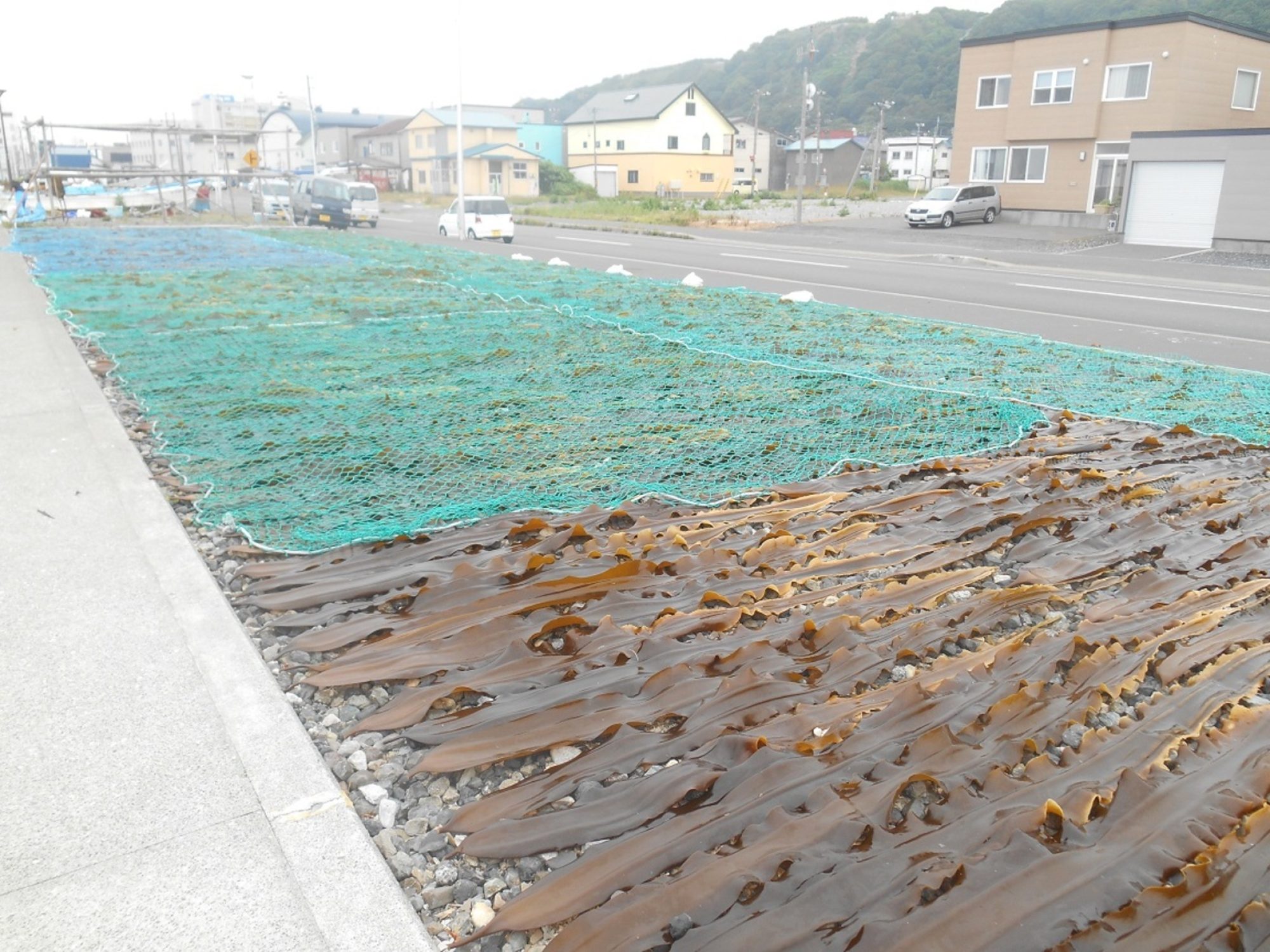
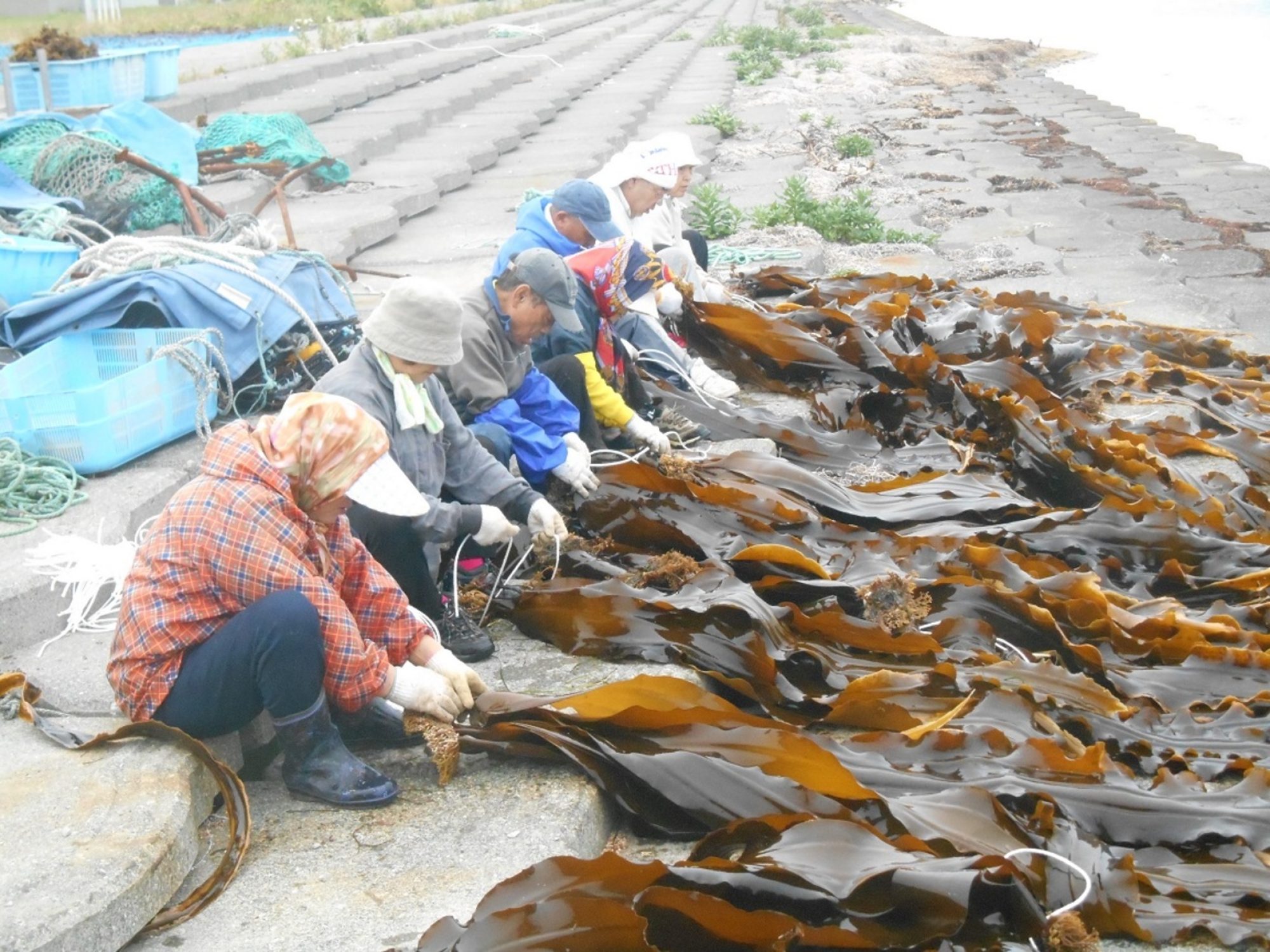
Drying Saccharina blades on the side of the road in Japan.
Farmers tying lines on the holdfasts to prepare them for hanging drying.
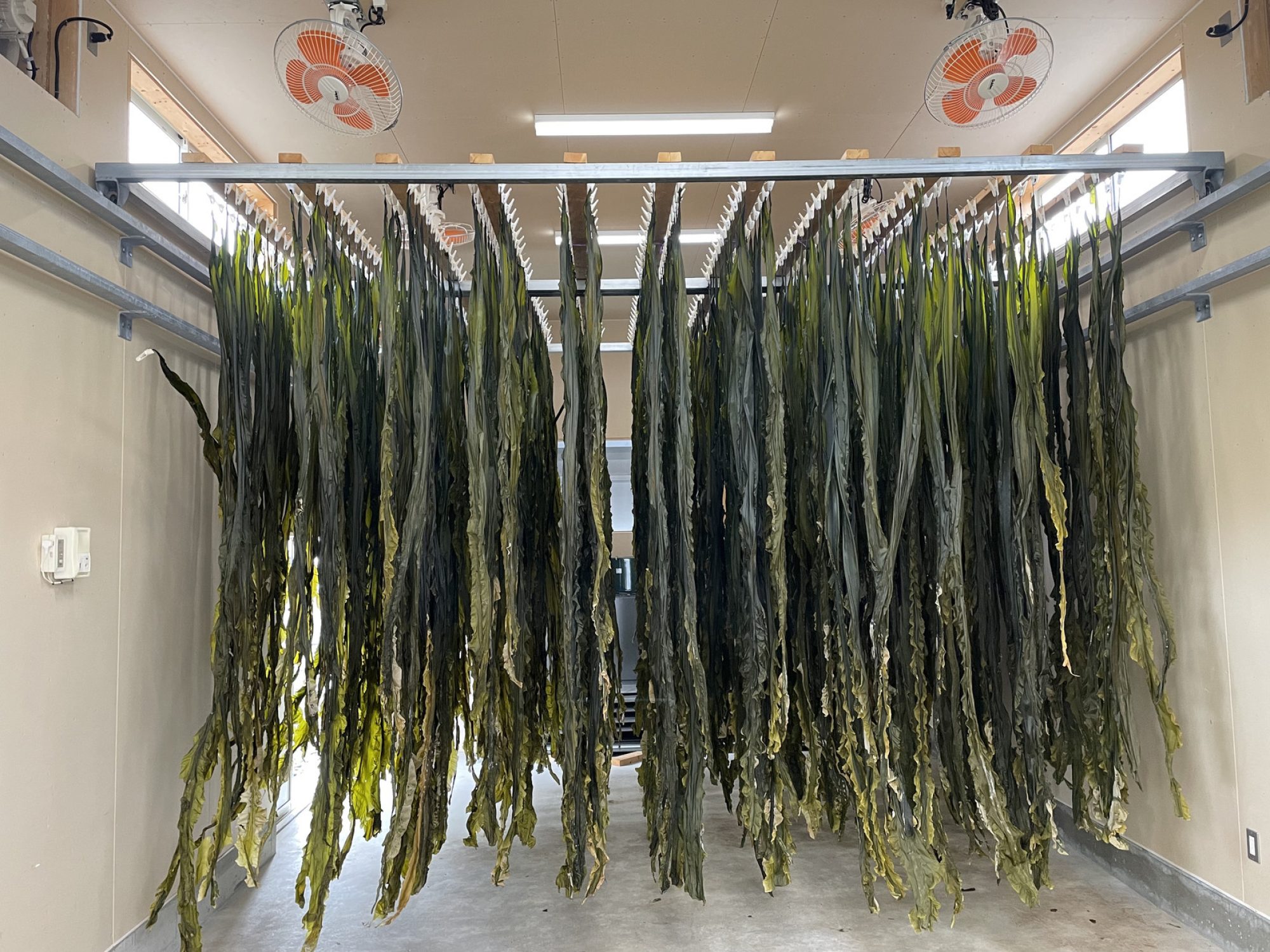
Drying Saccharina blades in a modern indoor facility in Hakodate, Japan.
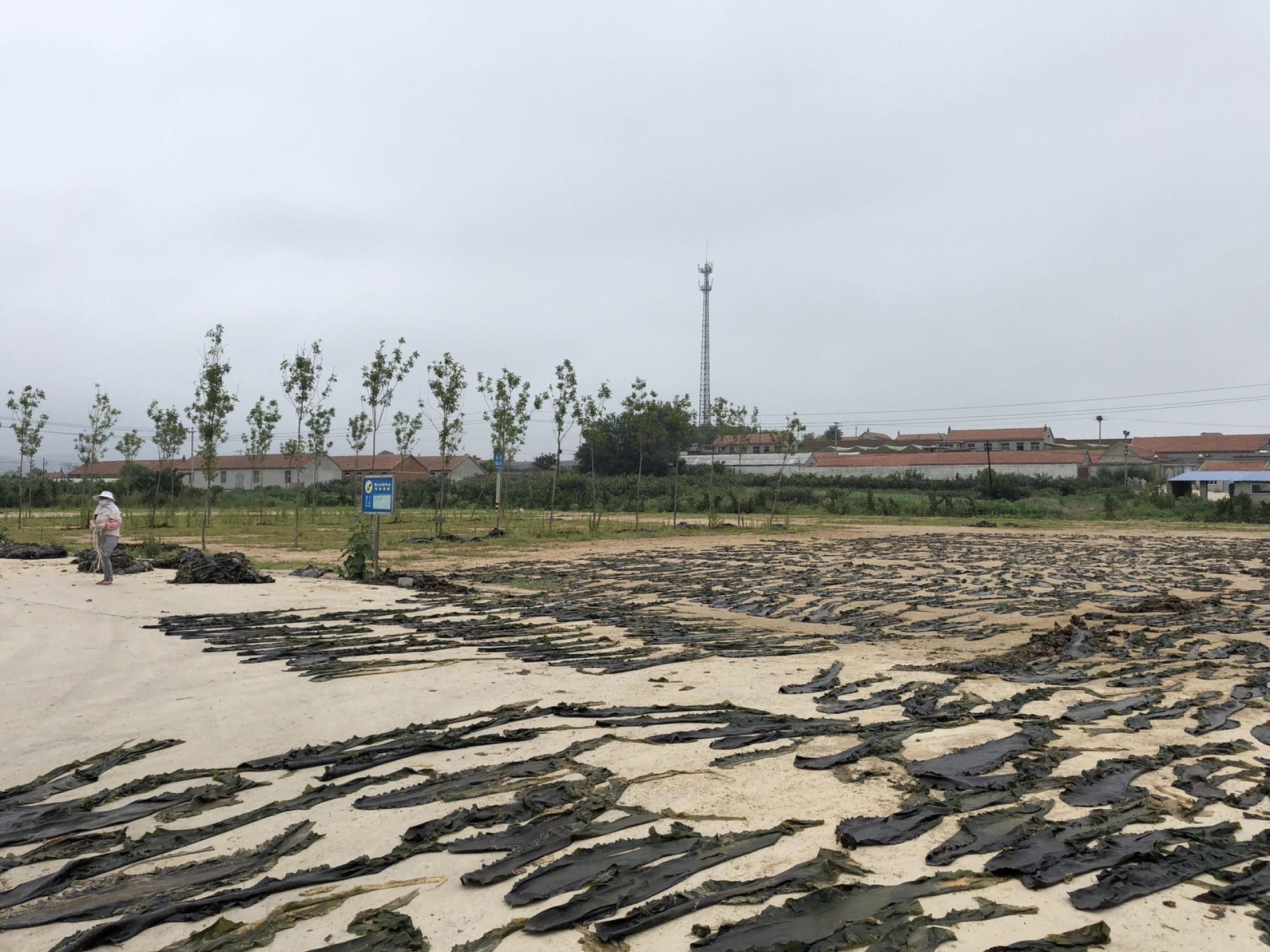
Sun drying straight on the ground usually reduces the quality since impurities can attach to the blades. (Photo courtesy of Innovation Norway China)
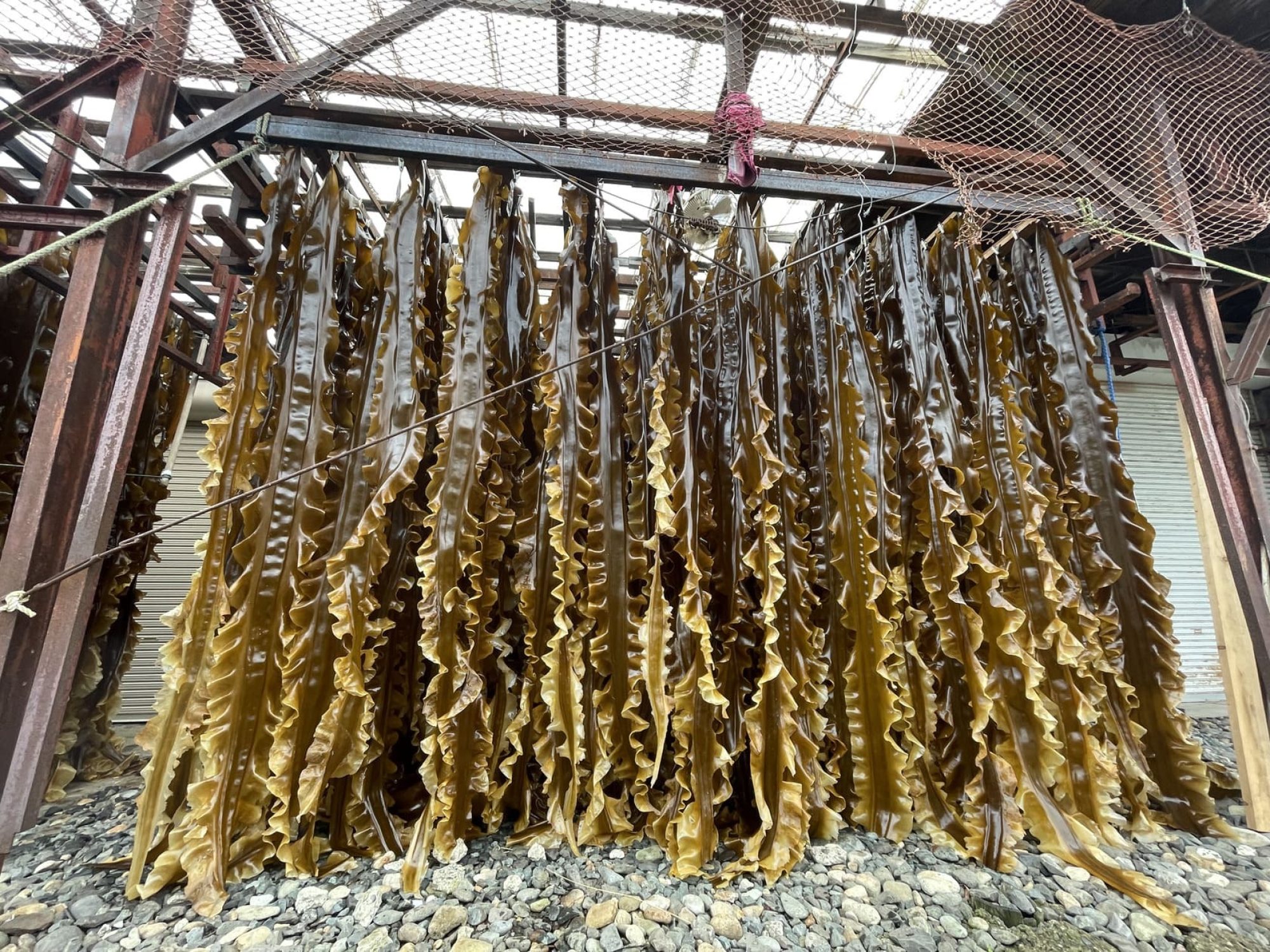
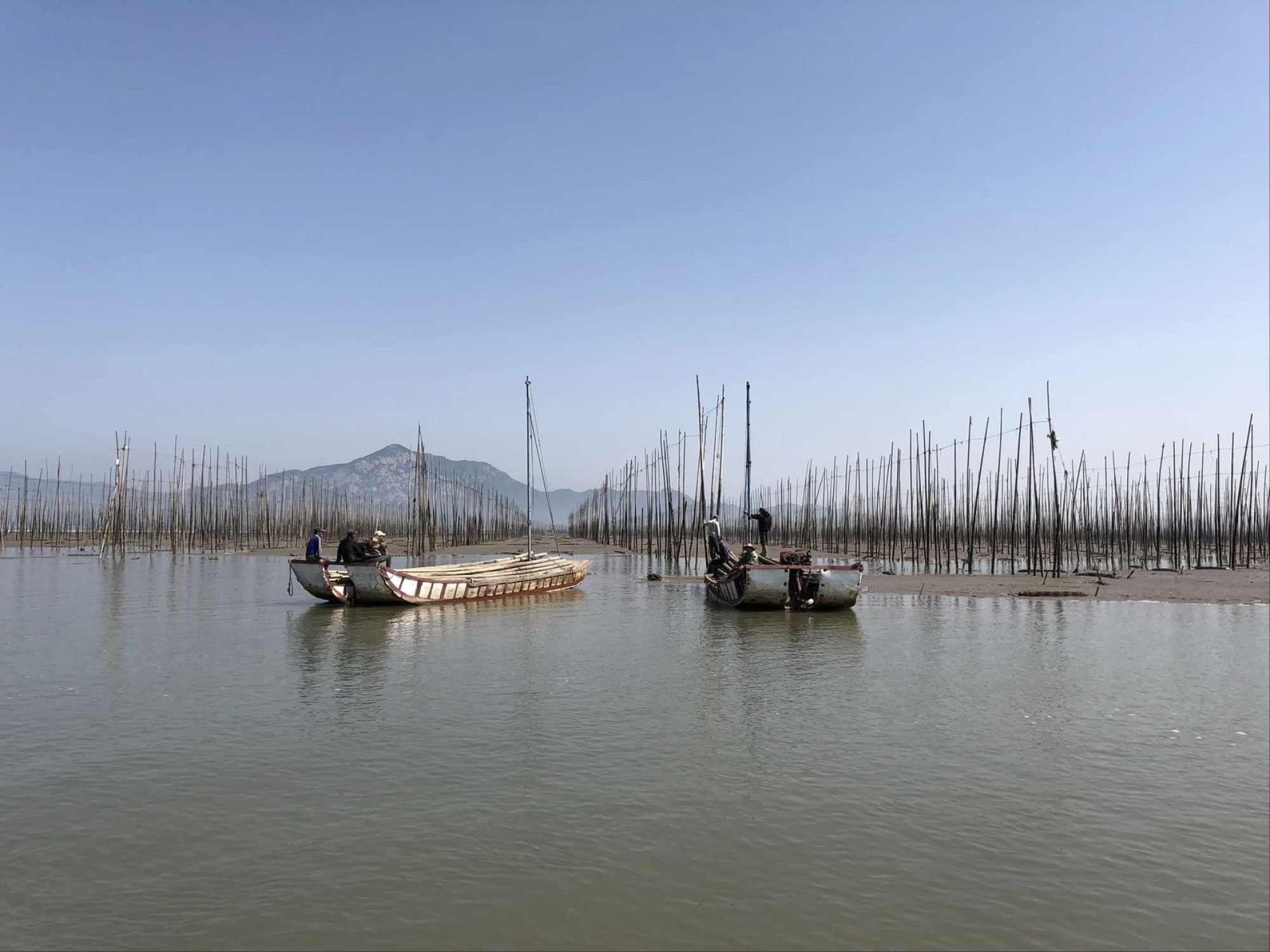
Setting up bamboo poles prepared for sun-drying Saccharina blades in Fujian, China. (Photo courtesy of Innovation Norway China)
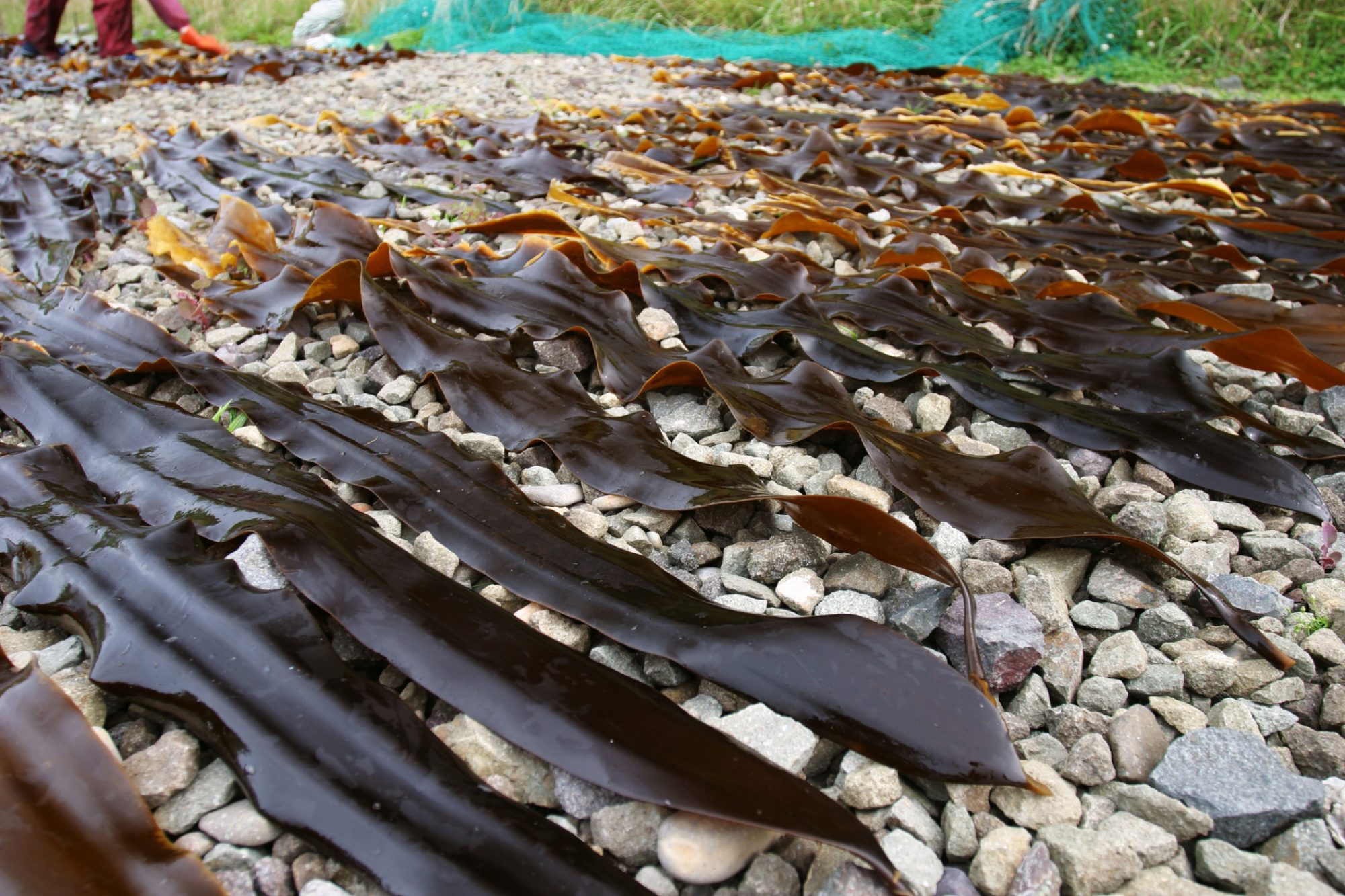
Drying blades on stones can help to keep them clean from sand or other impurities from the ground.
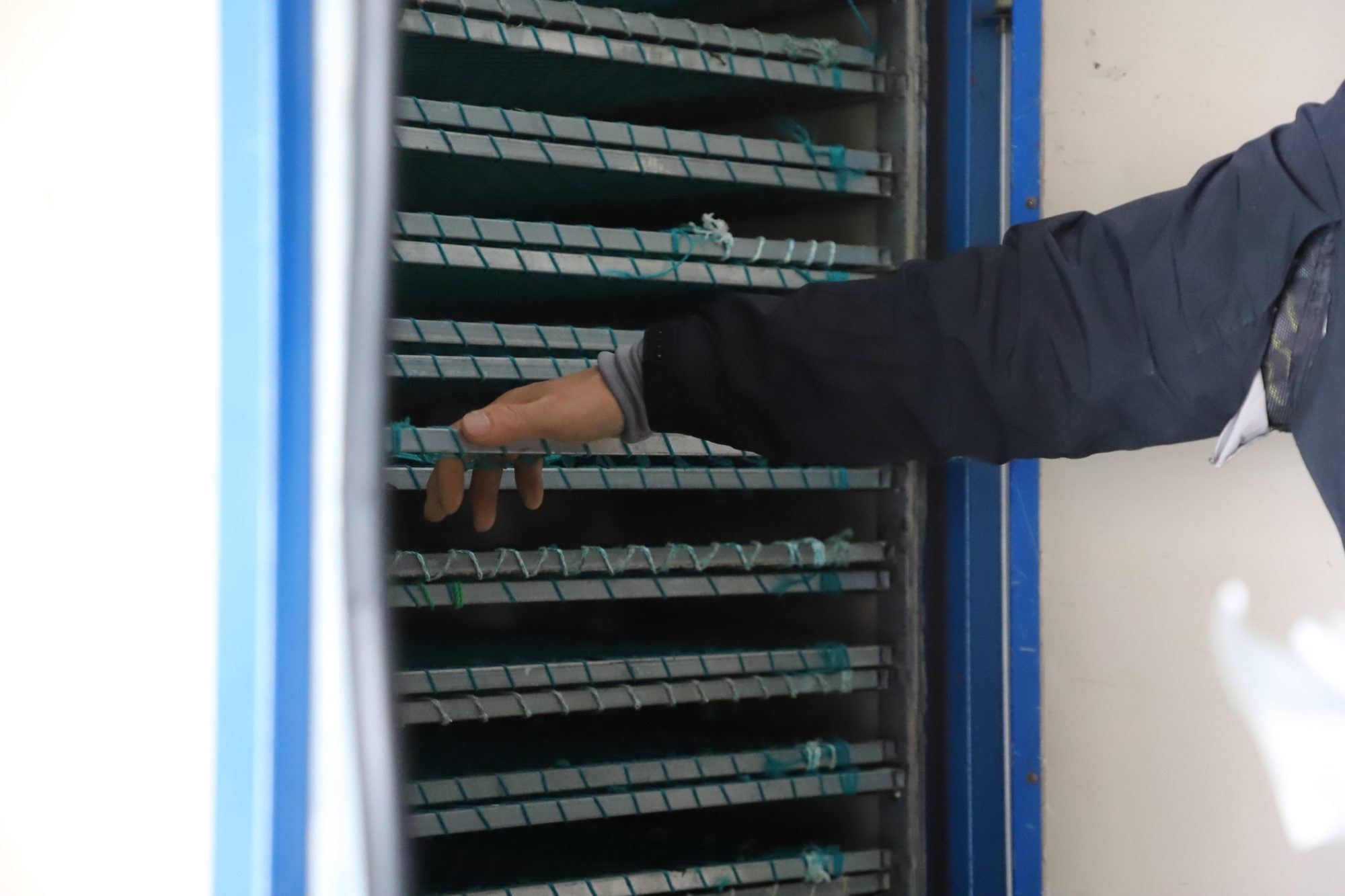
An indoor drying oven in South Korea.

In Japan, all harvested Saccharina is used for human consumption, so the majority will be dried. Traditionally, the blades would be sun dried outdoors, which in good weather takes about one to two days.  In addition to drying outdoors, farmers are now using drying rooms where the blades are hung on racks one by one and dried by a fan or similar device.
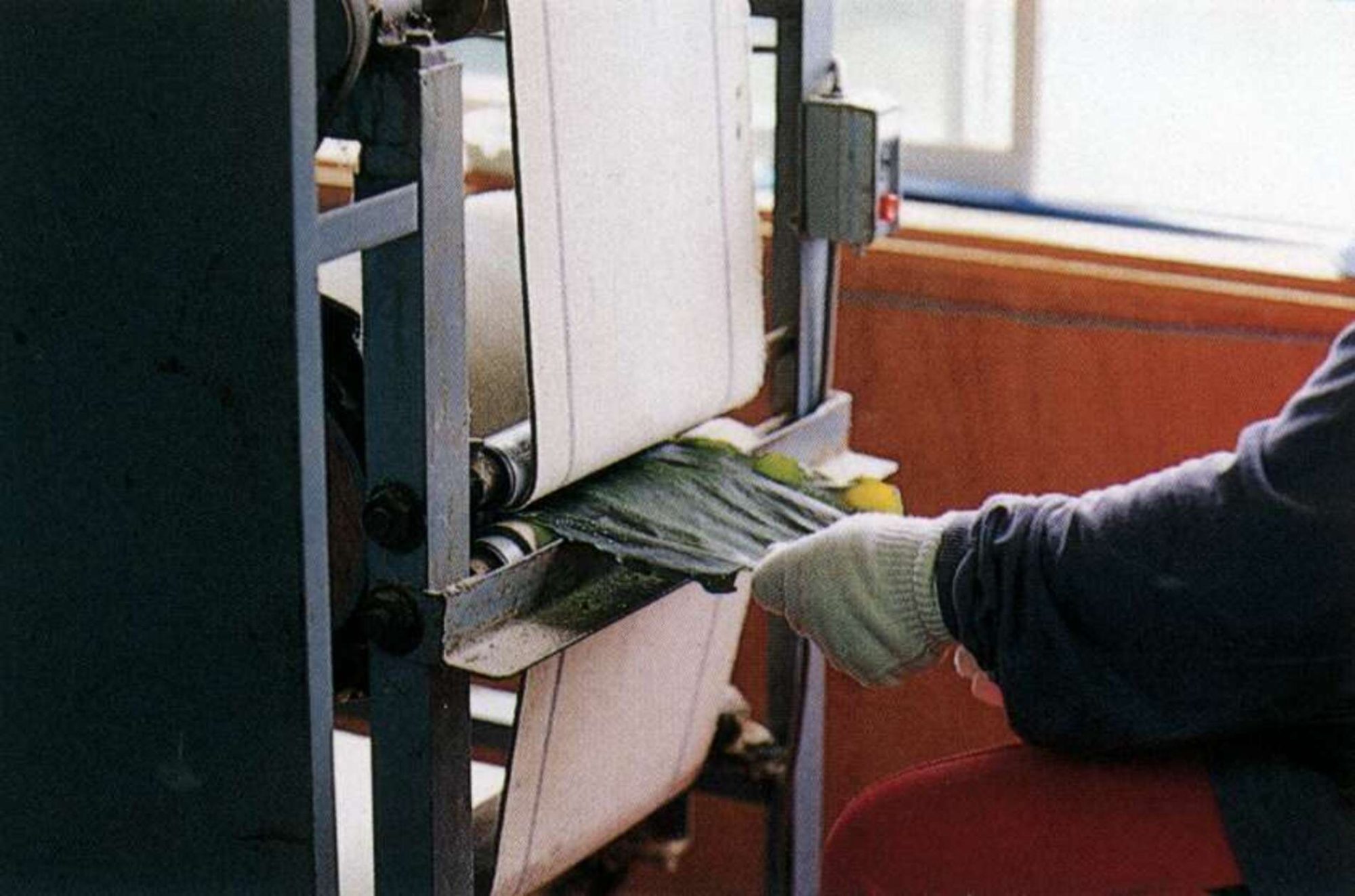
In Hakodate, Japan, the Saccharina blades are carefully straightened.
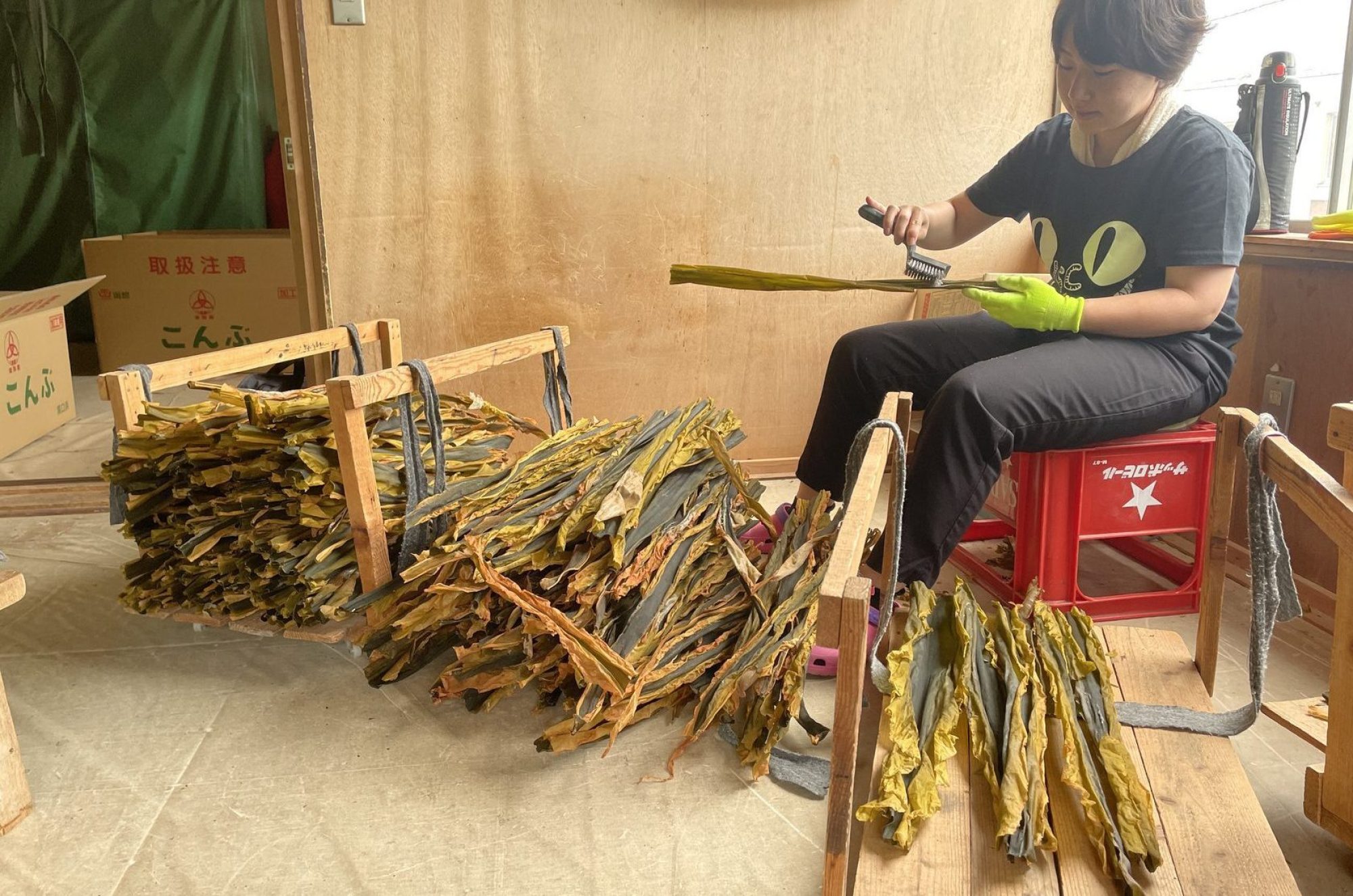
Dried blades are brushed one by one to ensure highest quality in Japan.

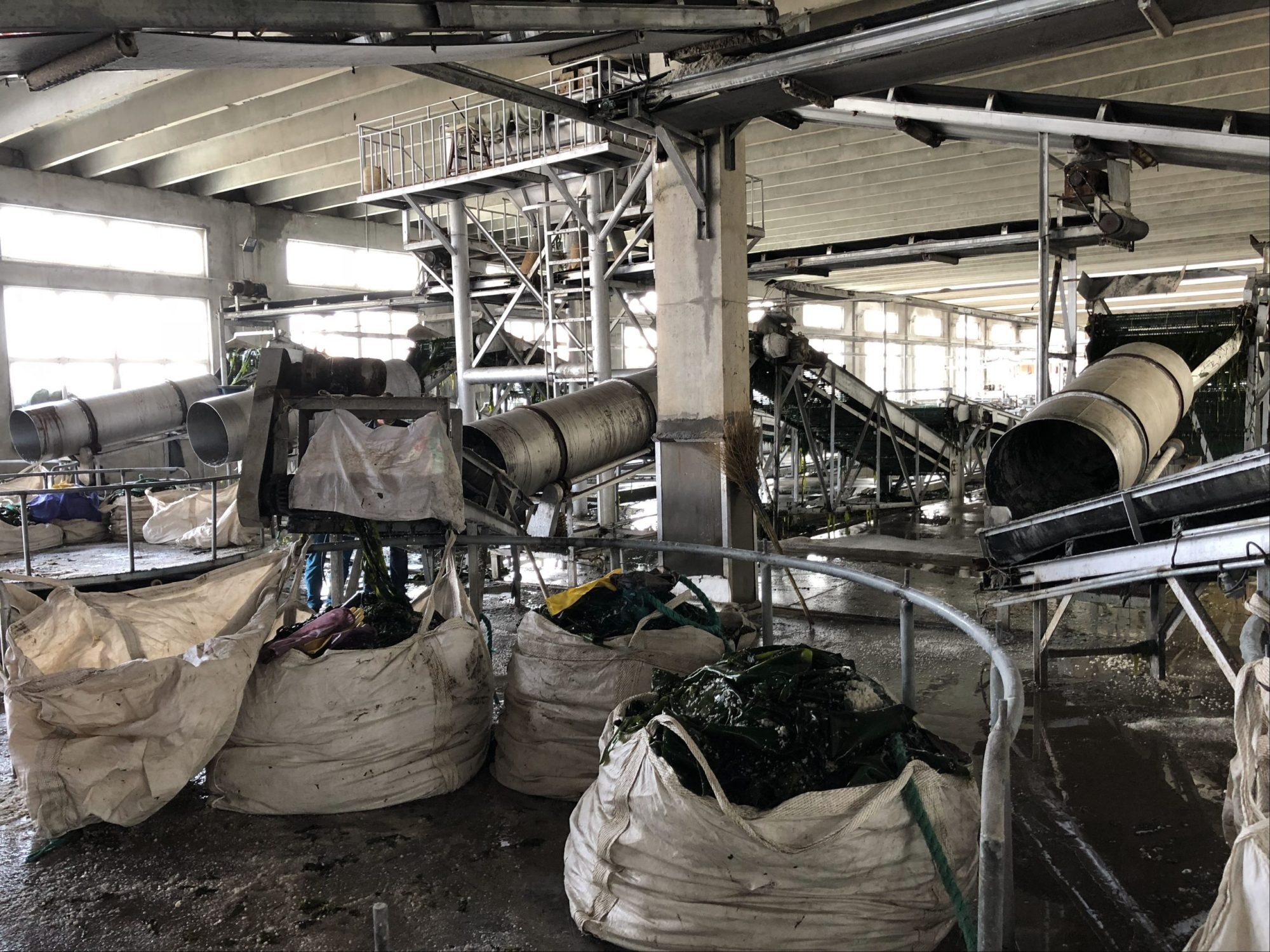
In China, about 80% of the harvest is blanched at 95°C and further processed into a large variety of food products. This process includes washing and boiling mass quantities of the harvested biomass. From this process the boiled, salted, cleaned and green coloured kelp is packed in big bags and transported to a cold storage (-18°C) for secondary processing at a later stage.
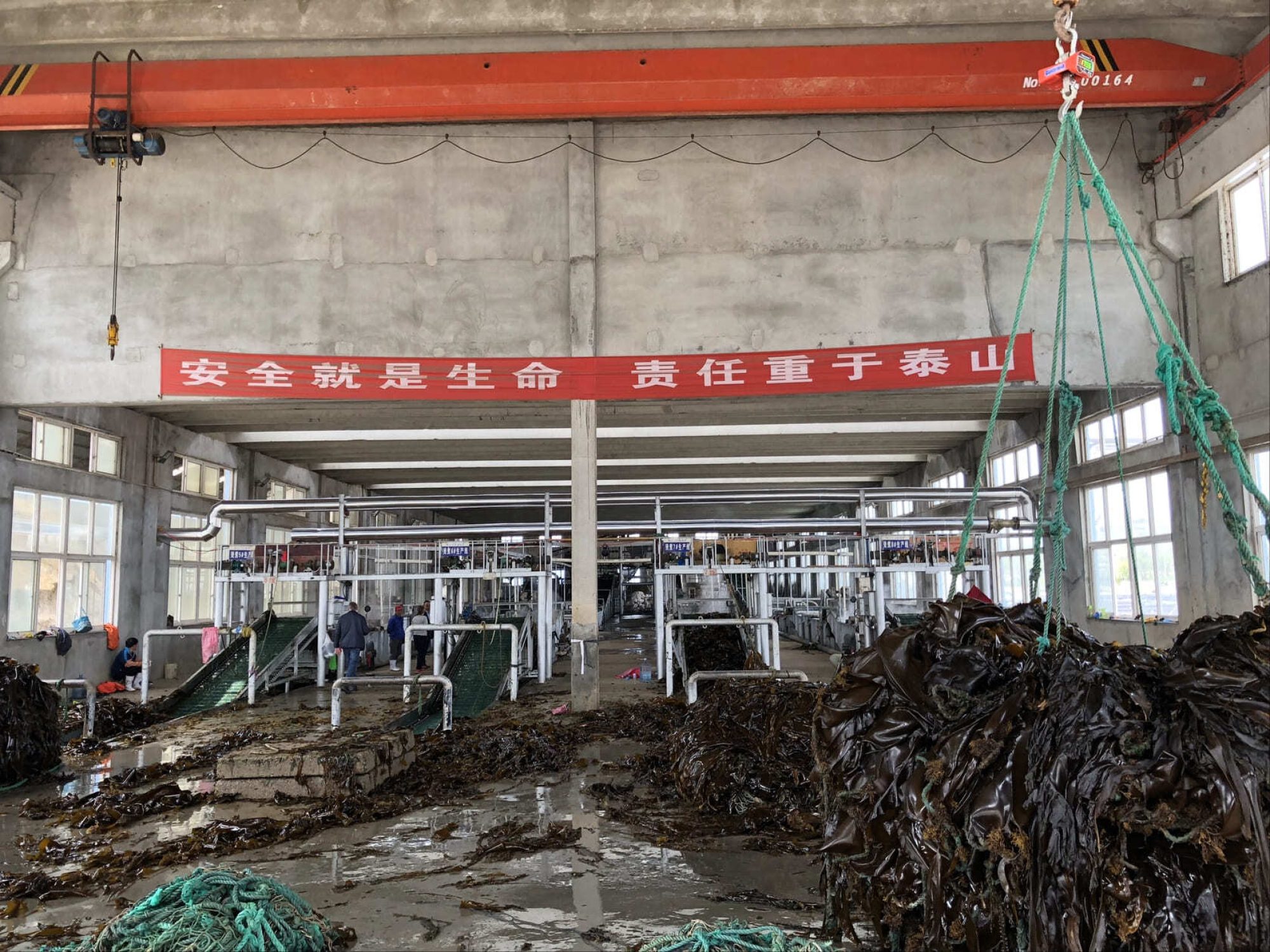
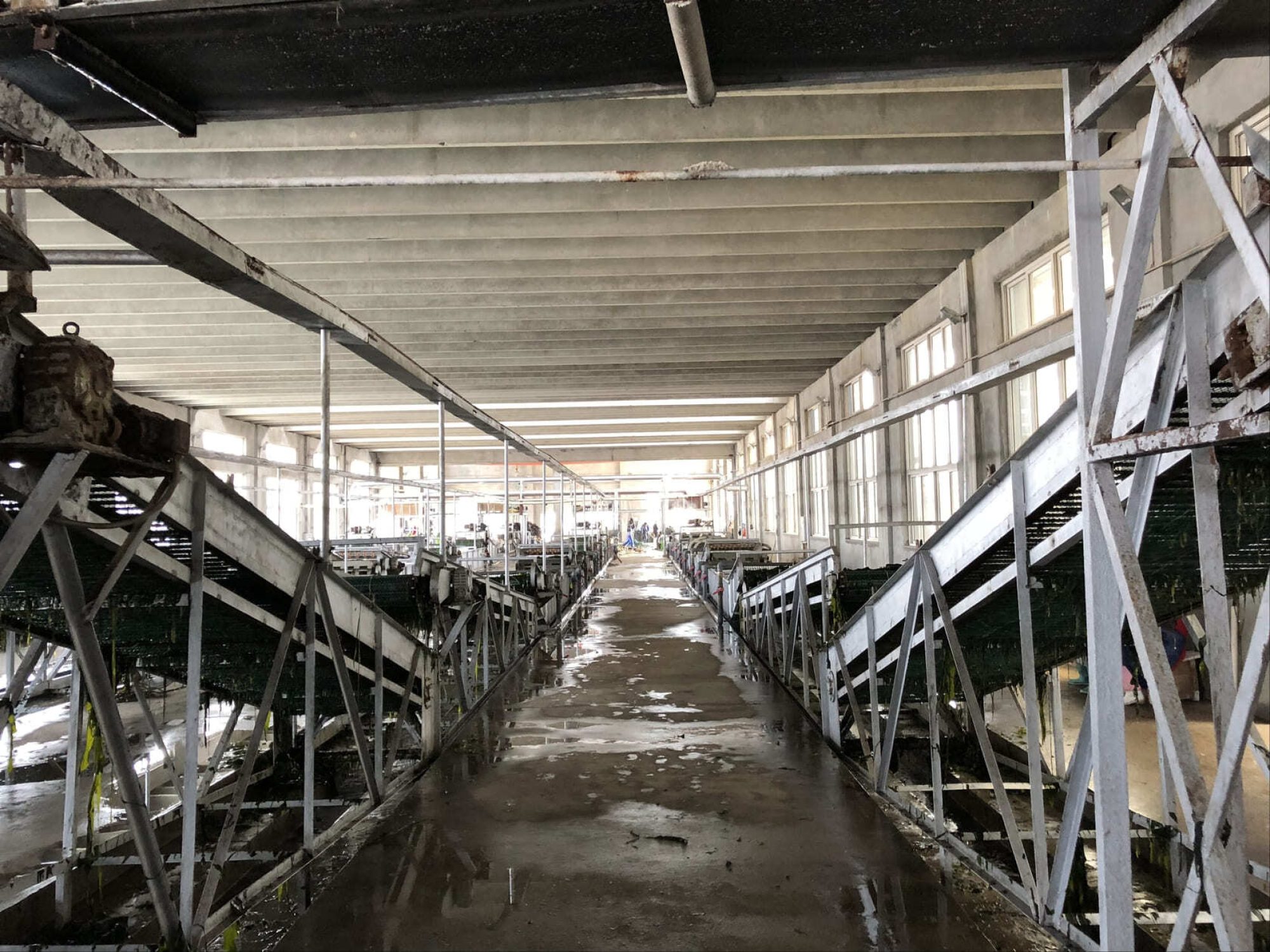
Pre-treatment processing lines in Shandong, China. (Photo courtesy of Innovation Norway China)
Washing and boiling biomass in pre-treatment processing lines, Shandong, China. (Photo courtesy of Innovation Norway China)
After pre-treatment products, salted in bulk sacks, Shandong, China. (Photo courtesy of Innovation Norway China)
Previous
Next
Seaweed

Contact us:

info@hatch.blue
www.hatch.blue

Copyright © 2026 Hatch Blue Limited. All rights reserved.

  • Terms and conditions
  • Privacy policy

Hatch Blue is a global impact business focussed on farmed and alternative seafood. Hatch Innovation Services is the consultancy arm of Hatch, advising corporates, investors and governments on innovation and investment projects in the global aquaculture industry.

For our Shrimp Farming Insights visit: www.shrimpfarm.tech.