Seaweed
  • Species production
  • Regional production
  • About
  • Reports
  • en
  • es
  • pt
  • Species Production Overview
  • Eucheumatoids
  • Saccharina
  • Undaria
  • Pyropia
  • Gracilaria
  • Macrocystis
  • Global Production Overview
  • East Asia
  • South East Asia
  • Central America & Caribbean
  • South America
  • Species production
    • Species Production Overview
    • Eucheumatoids
      • Production Overview
      • Site selection
      • Farm design
      • Seeding
      • Grow out
      • Harvest
      • Post harvest
      • Sales
      • The farmer
      • Future of farm
    • Saccharina
      • Production Overview
      • Site selection
      • Farm design
      • Seeding
      • Grow out
      • Harvest
      • Post harvest
      • Sales
      • The farmer
      • Future of farm
    • Undaria
      • Production Overview
      • Site selection
      • Farm design
      • Seeding
      • Grow out
      • Harvest
      • Post harvest
      • Sales
      • The farmer
      • Future of farm
    • Pyropia
      • Production Overview
      • Site selection
      • Farm design
      • Seeding
      • Grow out
      • Harvest
      • Post harvest
      • Sales
      • The farmer
      • Future of farm
    • Gracilaria
      • Production Overview
      • Site selection
      • Farm design
      • Seeding
      • Grow out
      • Harvest
      • Post harvest
      • Sales
      • The farmer
      • Future of farm
    • Macrocystis
      • Production Overview
  • Regional production
    • Global Production Overview
    • East Asia
    • South East Asia
    • Central America & Caribbean
    • South America
  • About
  • Reports
Seaweed
  • en
  • es
  • pt
  • Production Overview
  • Site selection
  • Farm design
  • Seeding
  • Grow out
  • Harvest
  • Post harvest
  • Sales
  • The farmer
  • Future of farm

Eucheumatoids The Farmer

Table of contents
  • South-East Asia
    1. Overview

    2. Farmers

  • Caribbean
    1. Overview

    2. Farmers

  • South America
    1. Overview

    2. Farmers

South-East Asia

Overview

Farmers

Euchematoid farming in the Philippines, Malaysia and Indonesia is carried out by household or smallholder farmers instead of commercial companies.

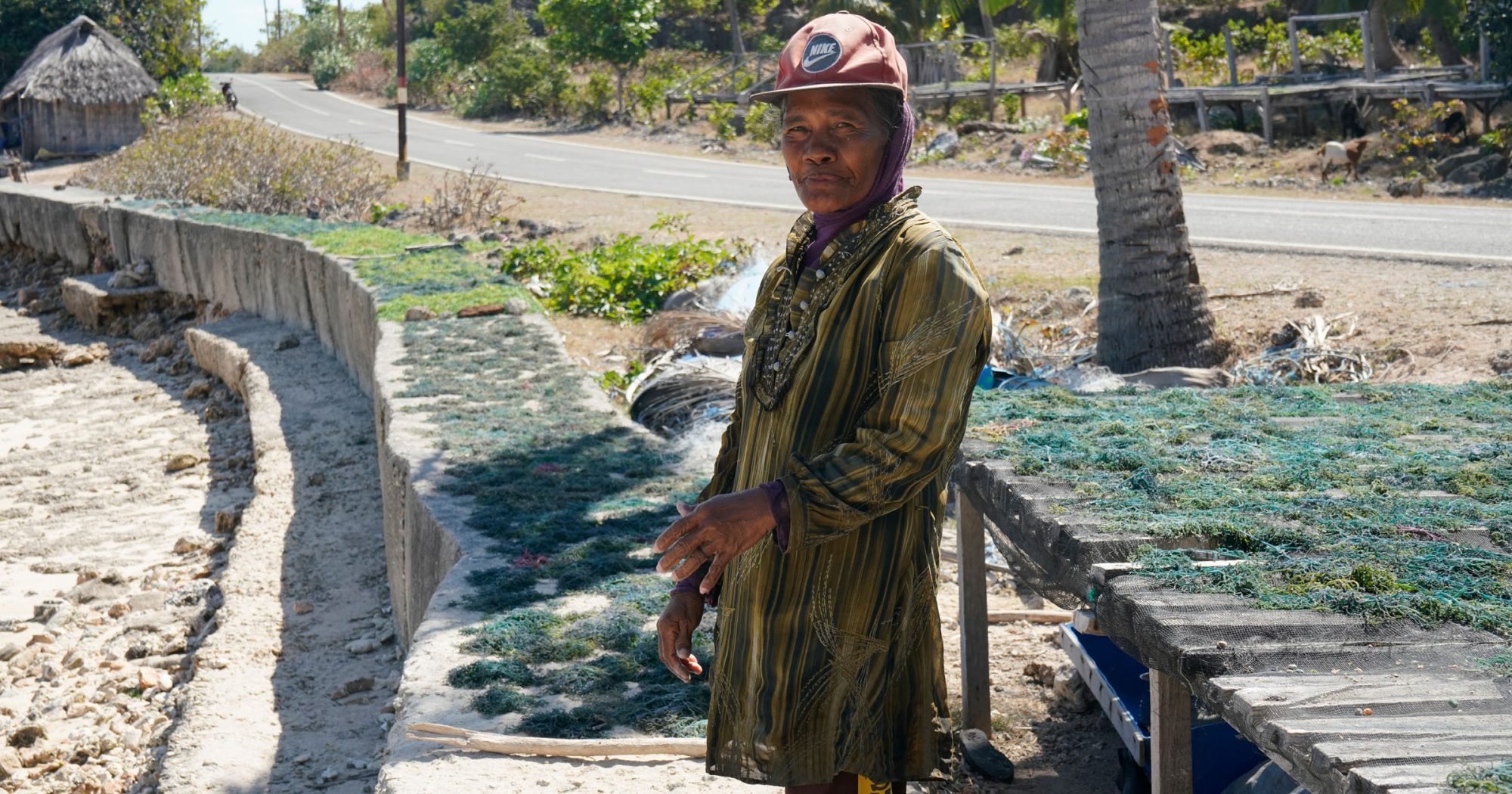
These smallholder farmers typically operate independently, as a family or as a larger household and sell their seaweed individually. They usually aren’t members of farmers’ organisations. Depending on the region, paid per job completed (piecework), is the common model for completing farm tasks. Tying, deploying and harvesting lines is very labour-intensive. Workers often come from the same community and can be neighbours. They sometimes work together in a group or for different farmers. Women are deeply involved with farm activities, especially in tying the seaweed.
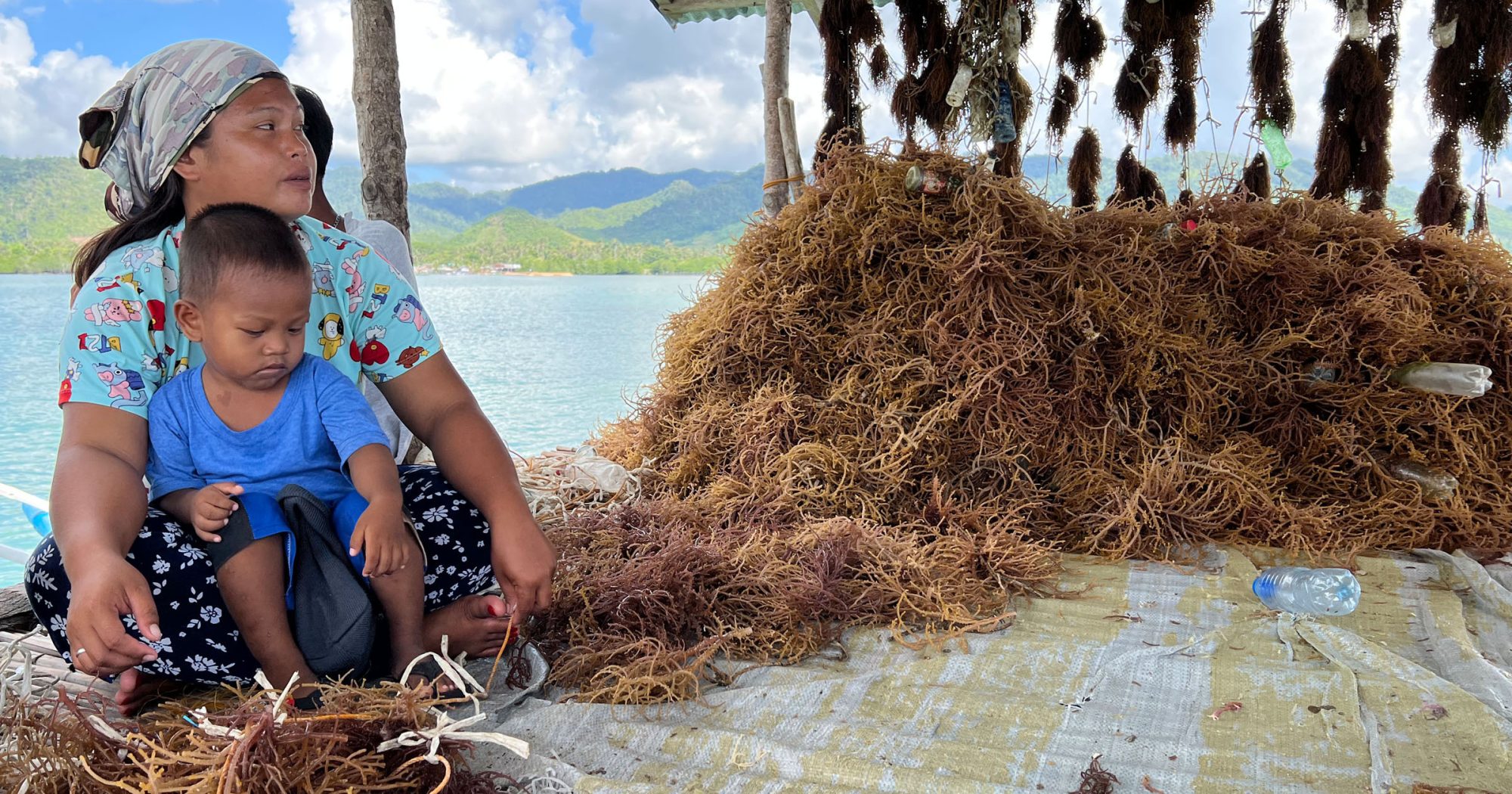
The work on shore is relatively easy and flexible, it allows young mothers to earn money.
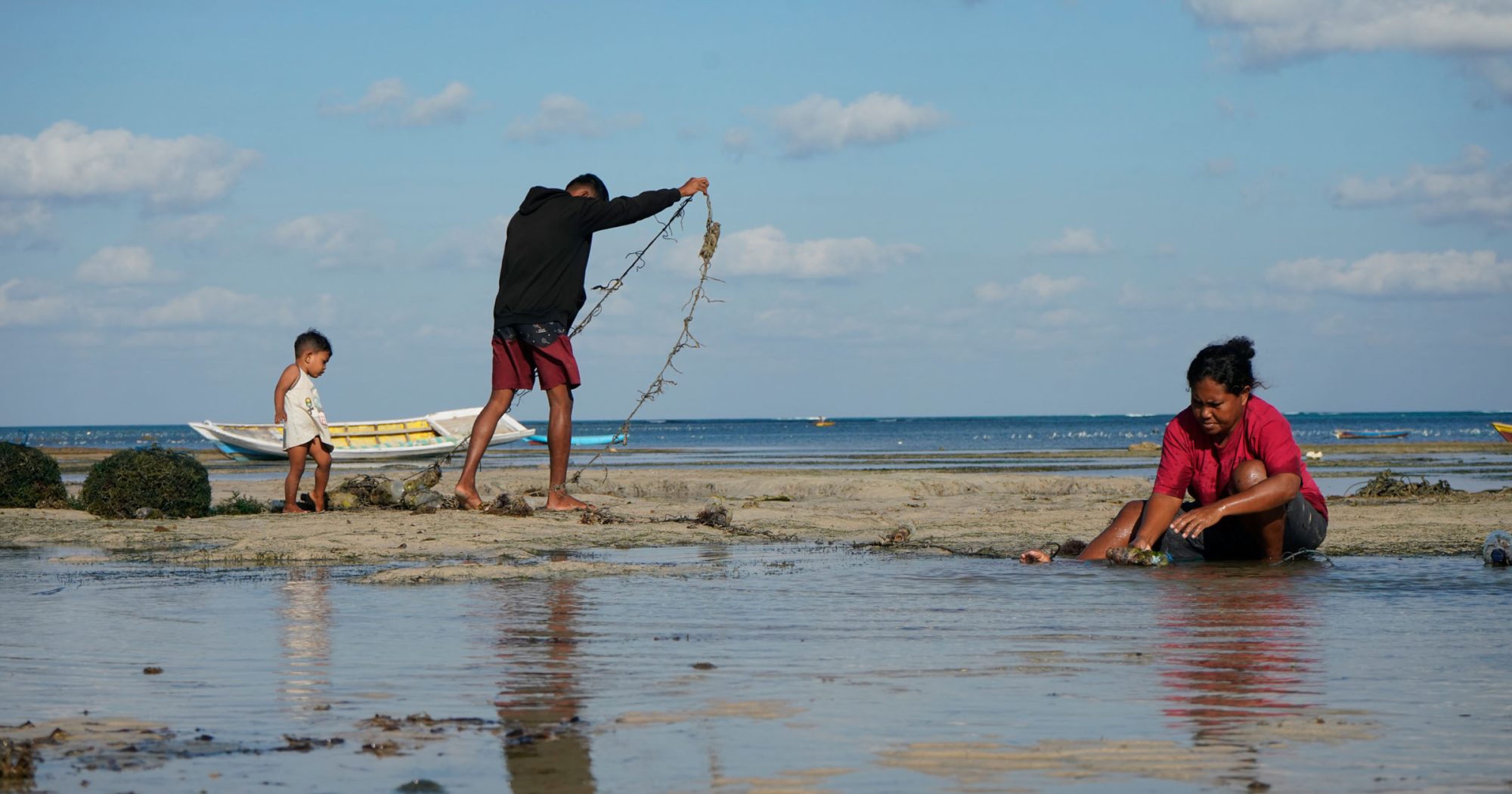
A young family in Oefoe, Rote Island taking care of their culture line after harvest.
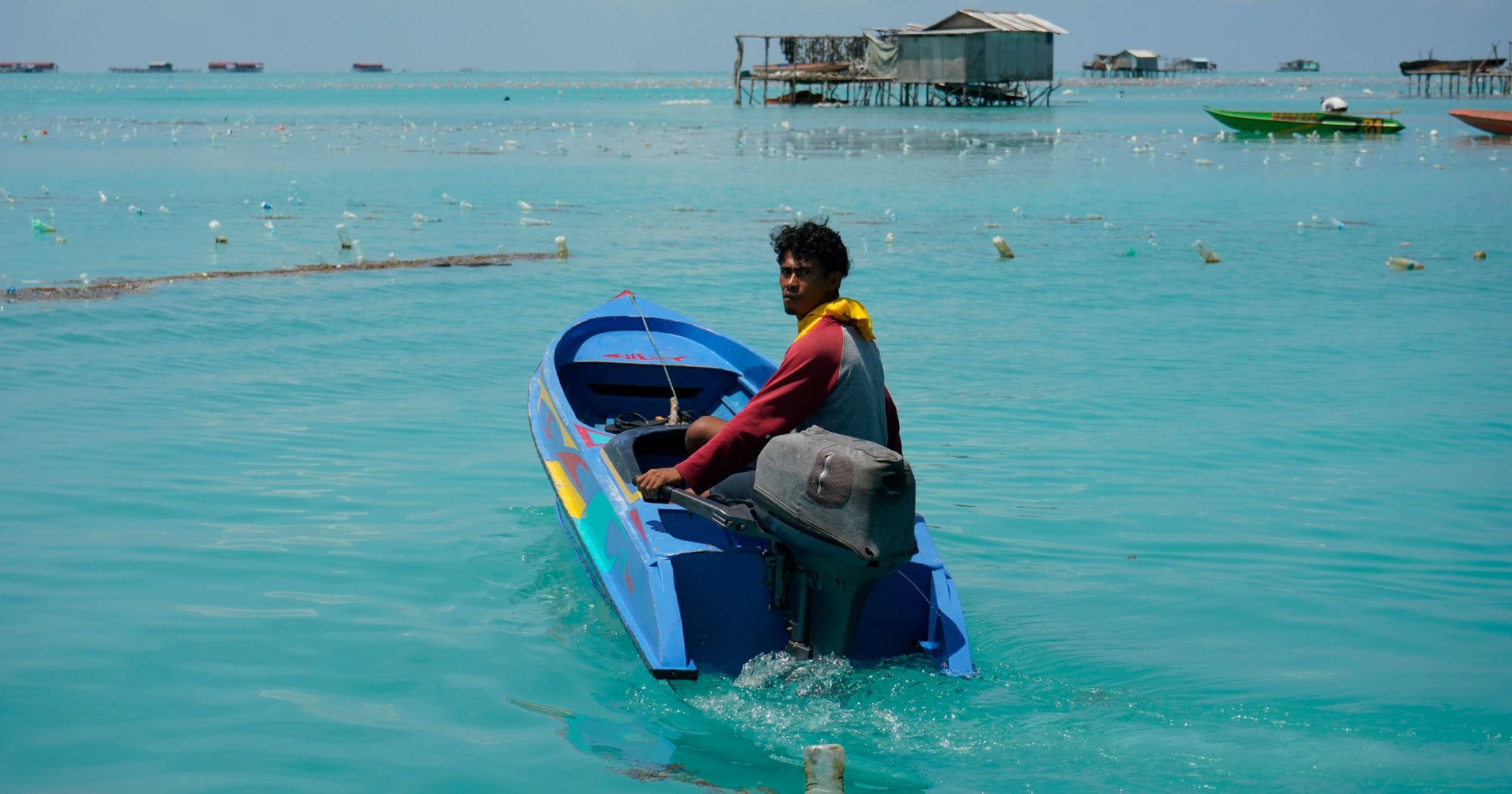
Men tend to do most of the work at sea, especially if farming takes place in deep waters where access by boat is mandatory.
Males tend to do most of the work at sea, especially if farming takes place in deep waters where access by boat is mandatory.

Families living in coastal and small island communities  depend on seaweed farming activities – often as their primary source of livelihood. Many of these farmers are former fishermen who could no longer make their living from their fish catch. Seaweed farming provides a fast and guaranteed harvest, is easy to cultivate with simple technologies and has low production costs, making it a safe income stream and viable alternative to fishing.


Depending on the region and the size of farms, a household might rely on other sources of income and subsistence fishing. Under normal circumstances with average prices and yields, a 2,500 metre culture line can ensure a minimum monthly income of 250 USD. This income is well above the national poverty line in all three countries.


One can often notice the prosperity seaweed businesses bring to the local economy during visits. The industry’s presence in these communities has led to a surge of investment in infrastructure like roads and pipe systems for fresh water and drainage. Farmers also report being able to invest and improve their own livelihoods thanks to seaweed farming.


In many cases, the additional income generated from seaweed farming is being invested in education for younger members of the community. Many farmers with a primary school education proudly shared that their children are attending high school or university.

According to a local trader, 99% of the population in Mamolo, Nunukan is involved in seaweed production.

Farming knowledge is typically passed on from one generation to the next as young family members help with daily farm activities.  In the Philippines and Malaysia government programmes provide active support to farmers through training and equipment initiatives. Likewise, the GlobalSeaweedSTAR project distributes information, education and communication materials on best practices directly to farmers.


There is more to learn from the seaweed farmers of the Coral Triangle region. The cultural differences between each region and community influences farming practices, efficiency and local trade networks substantially.

Caribbean

Overview
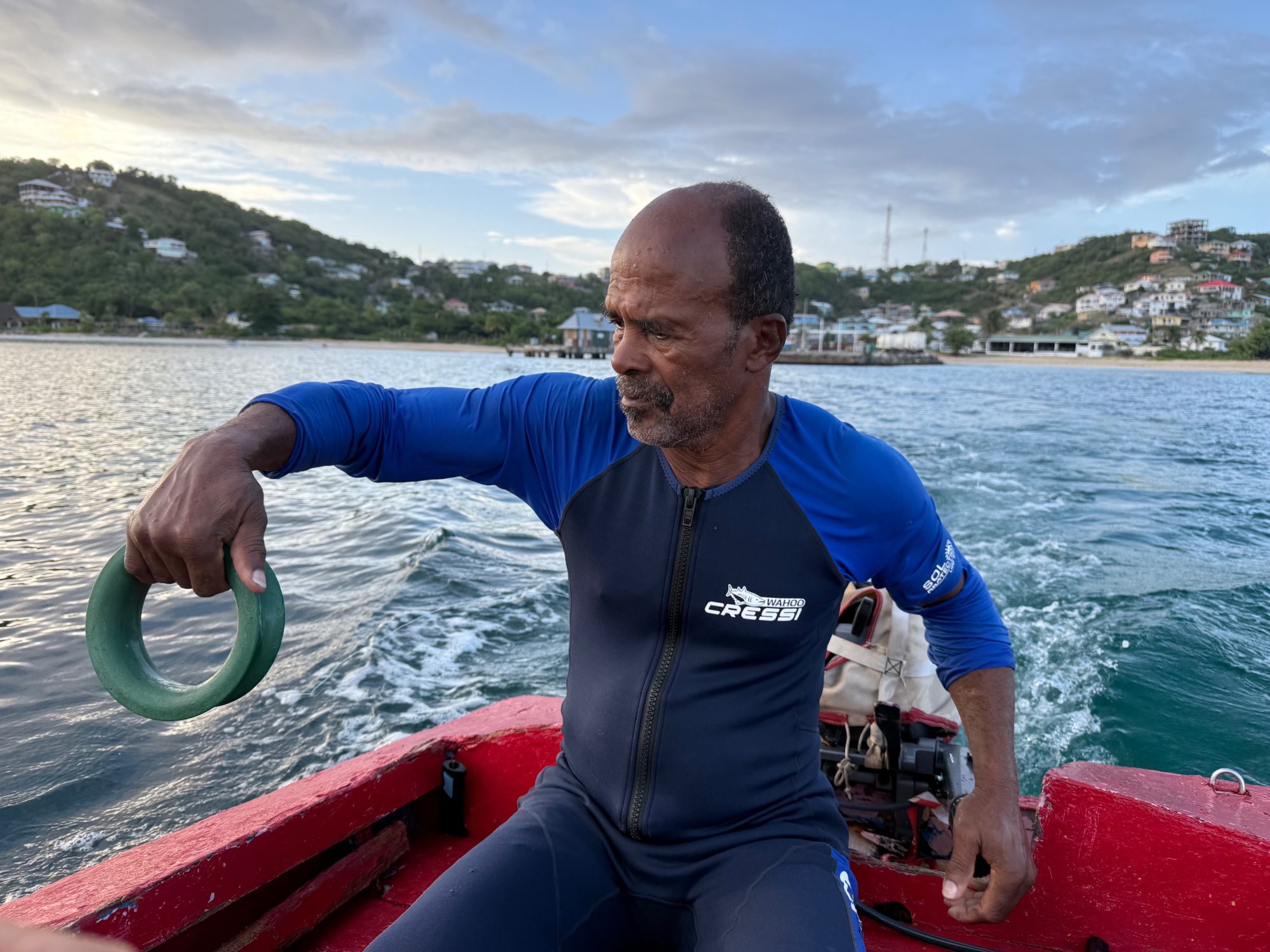
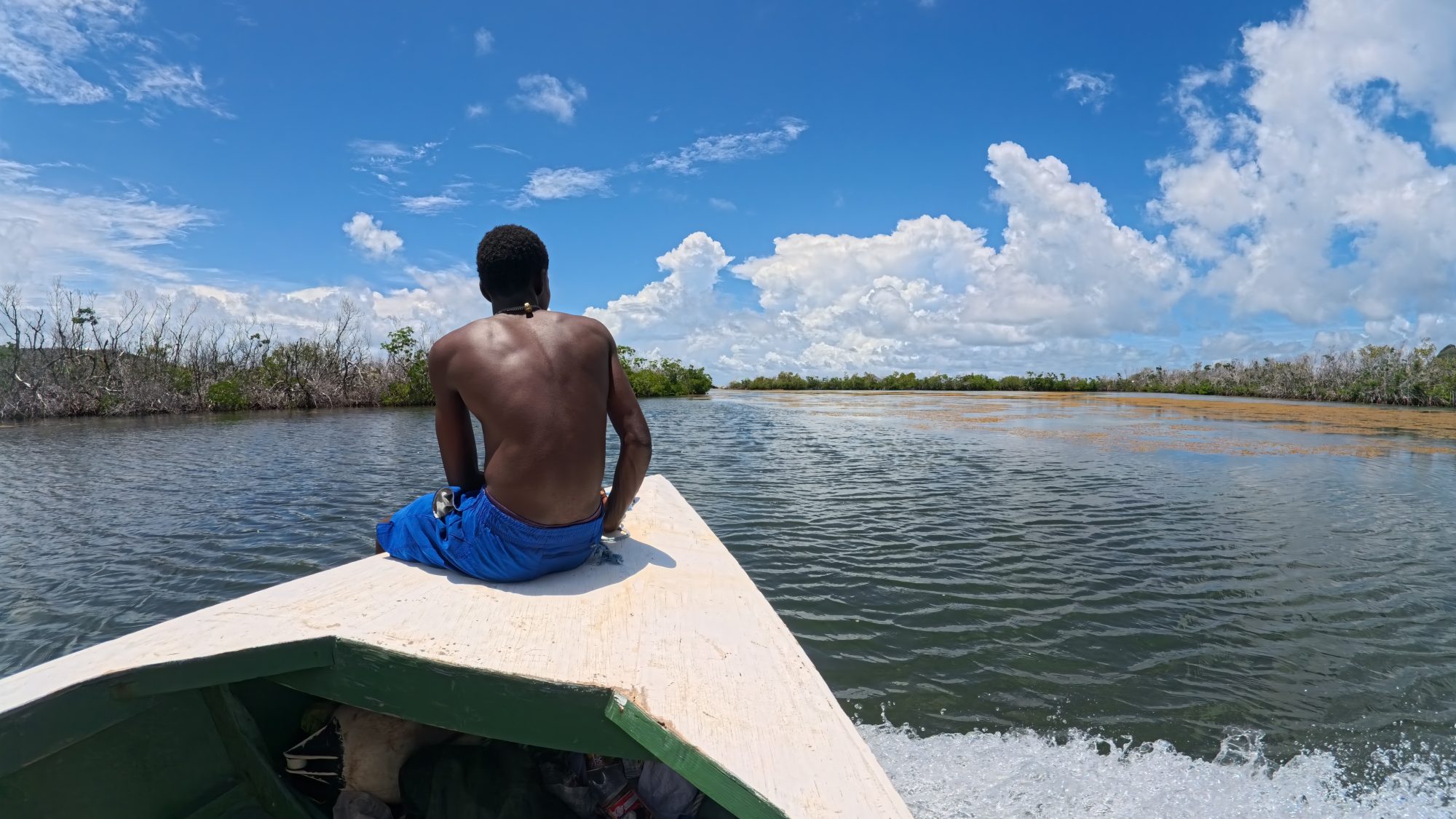
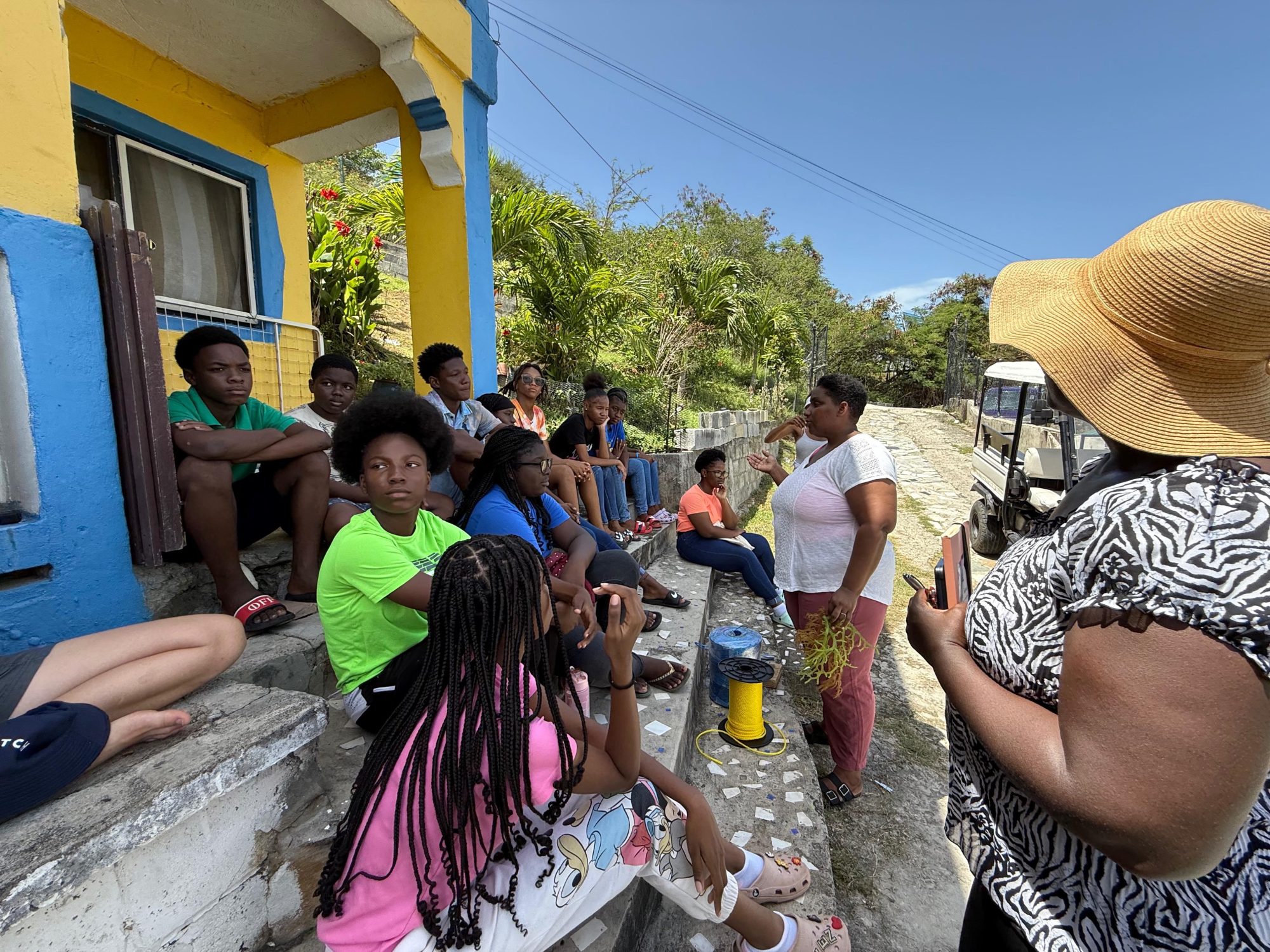
St Vincente: Many farmers travel daily by small boats, balancing seaweed work with fishing and other activities.
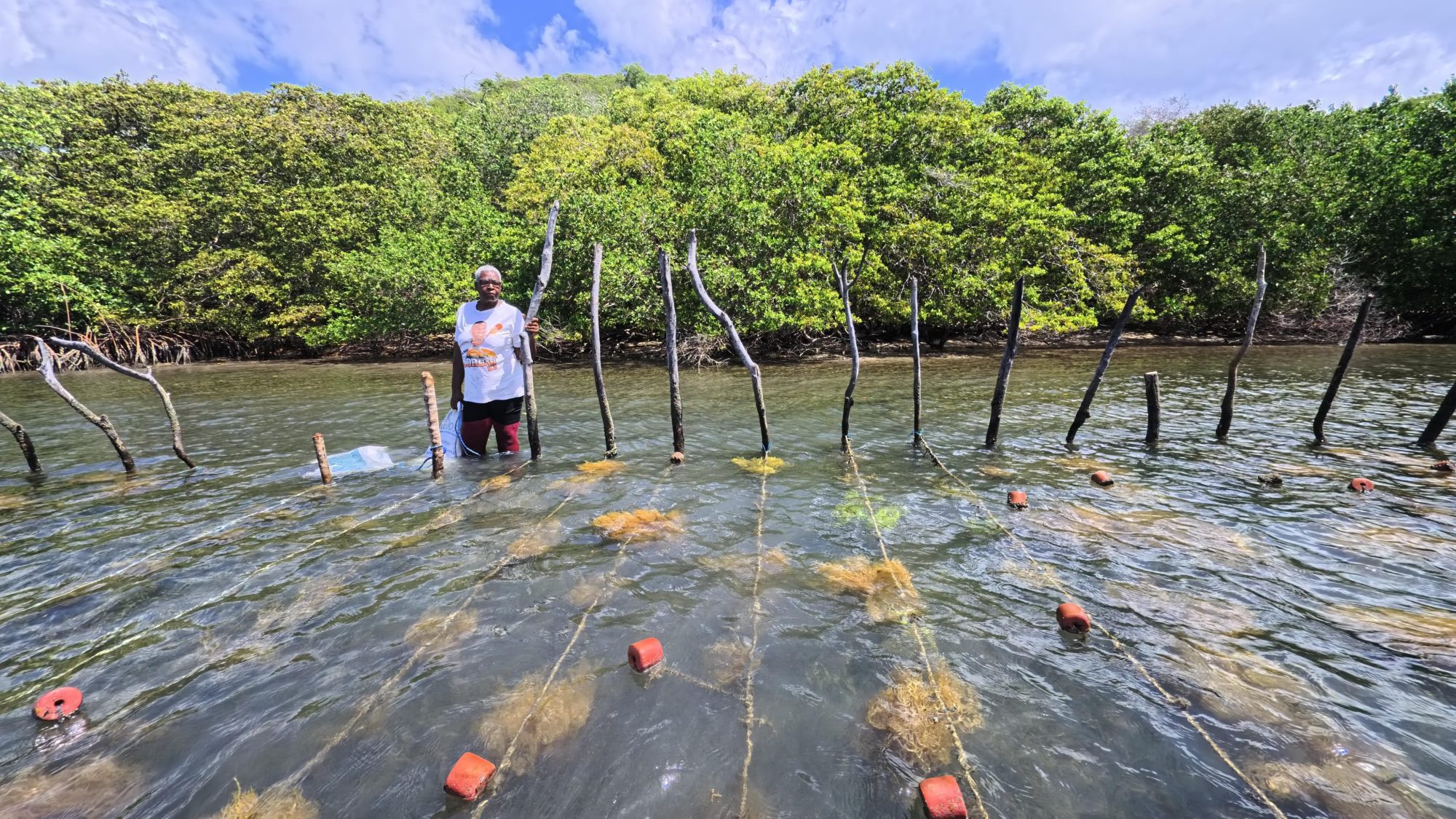
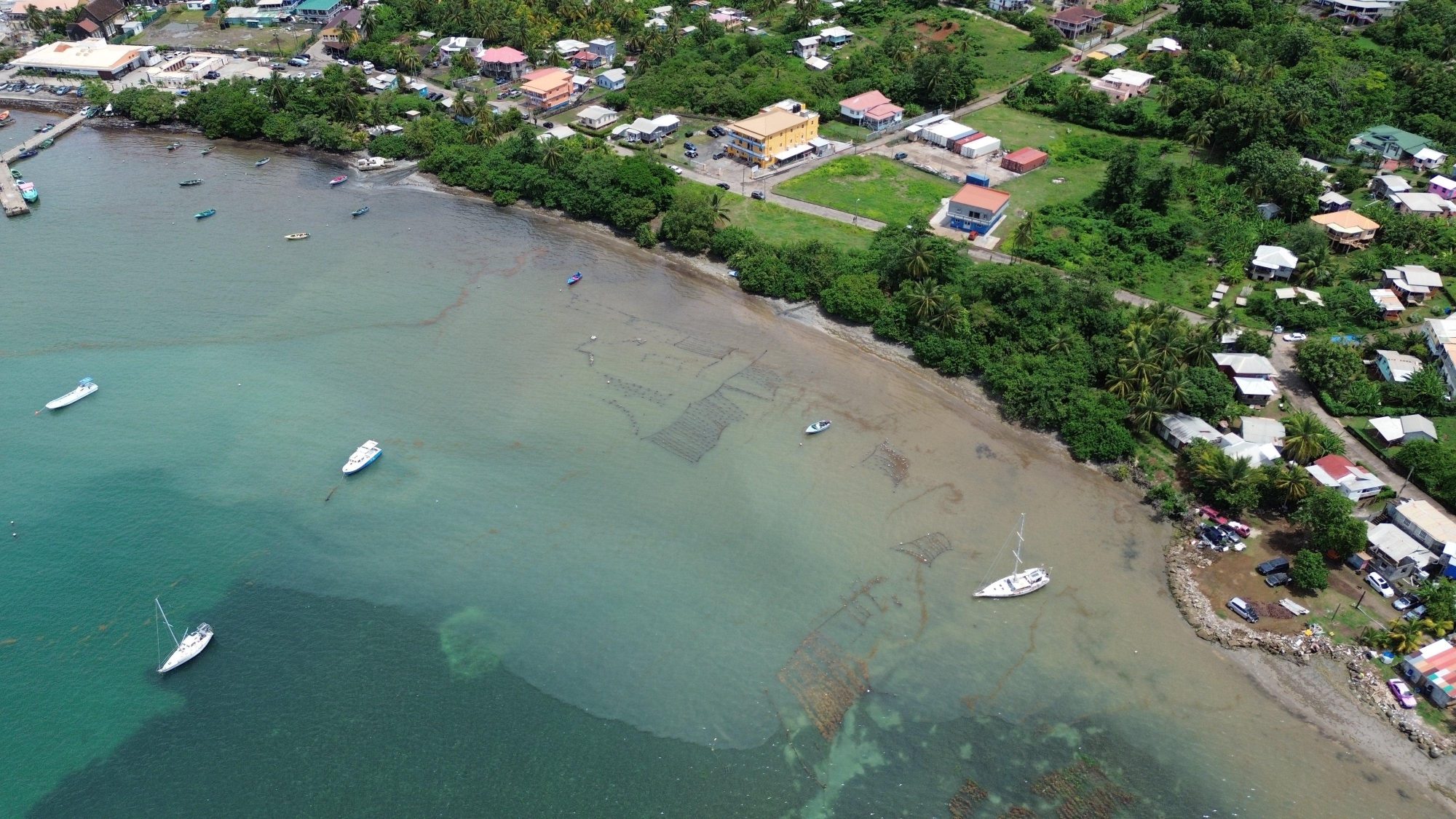
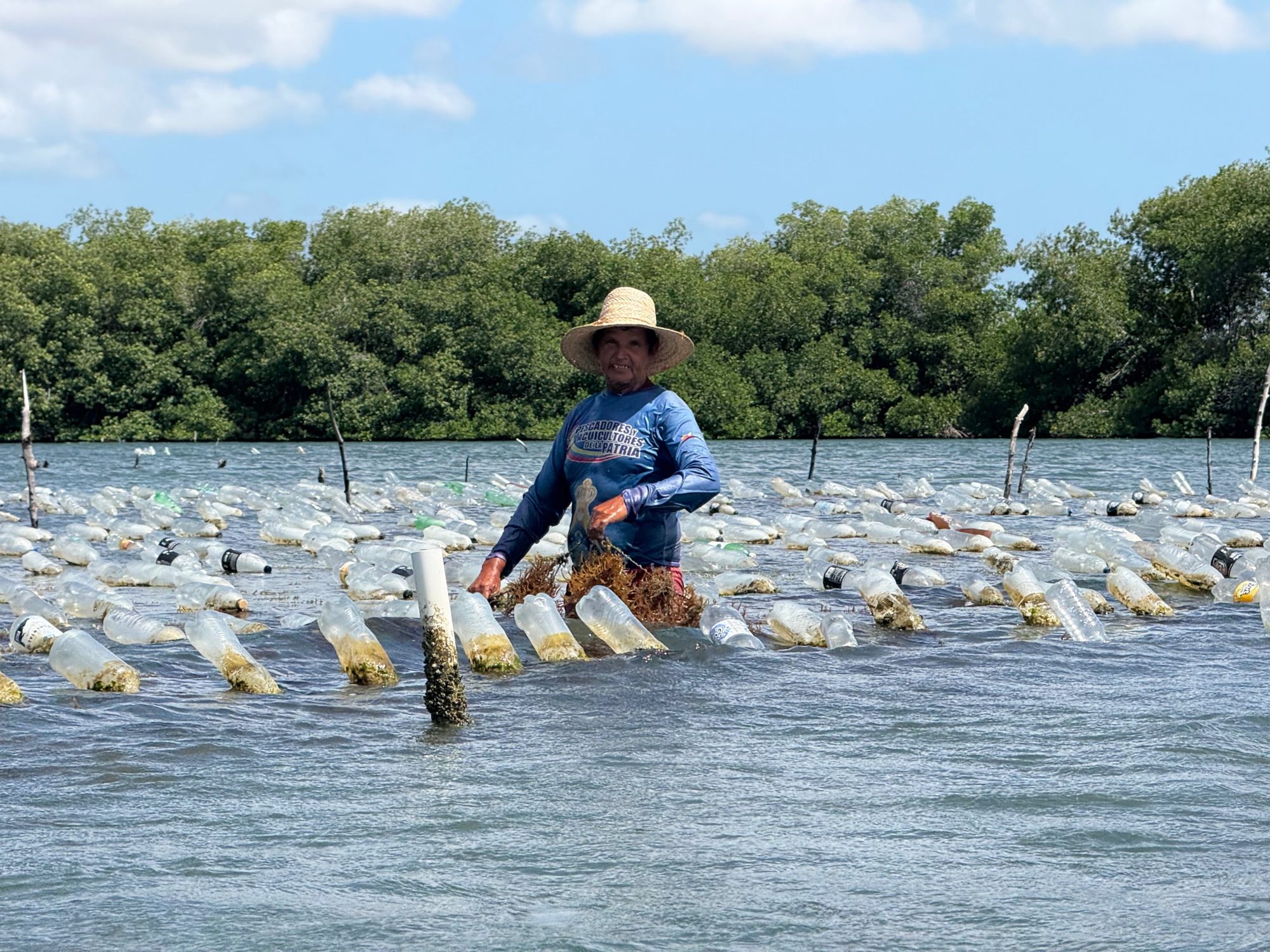
Grenada: A farmer in the shallows tending culture lines near mangroves.
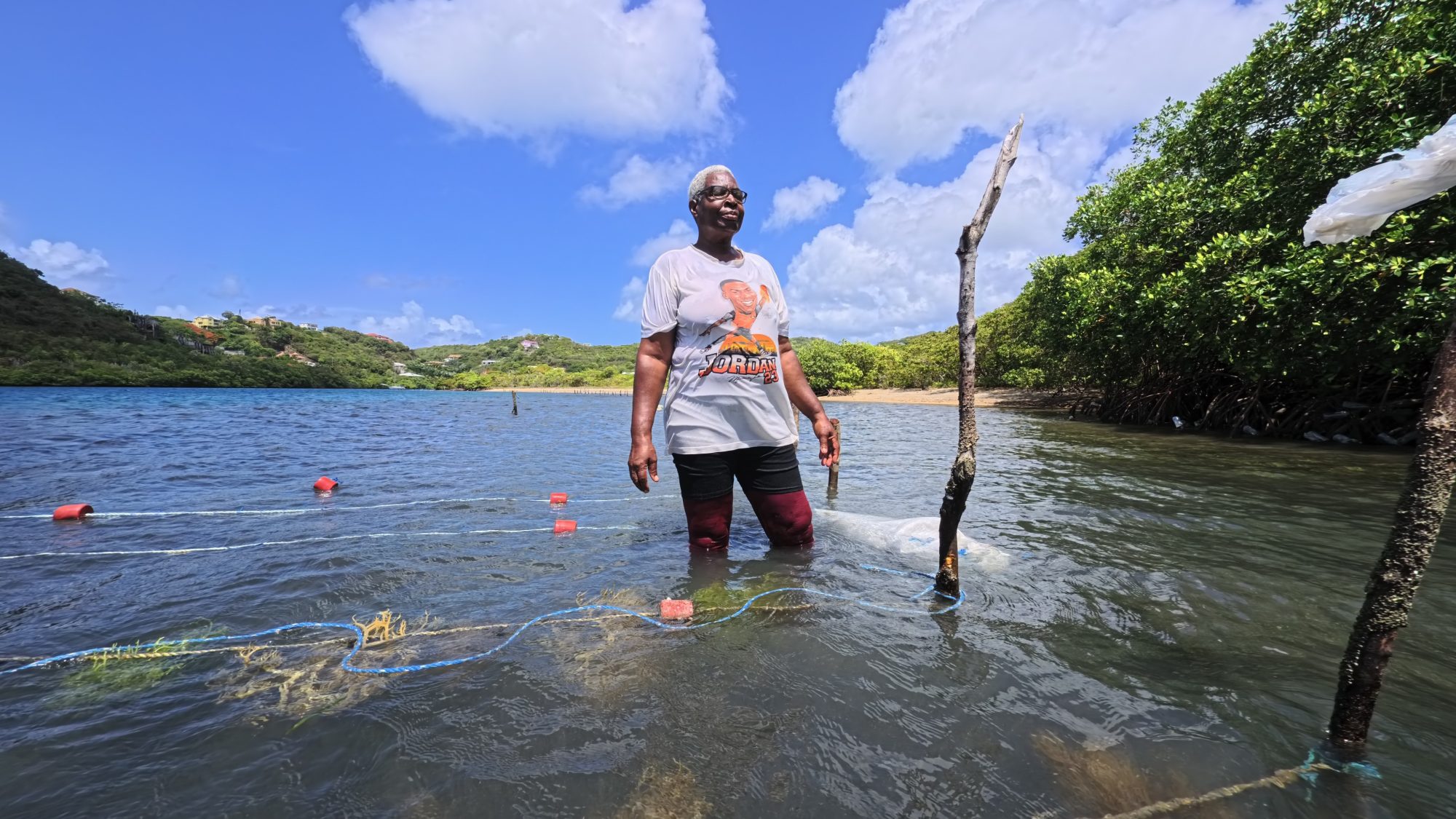
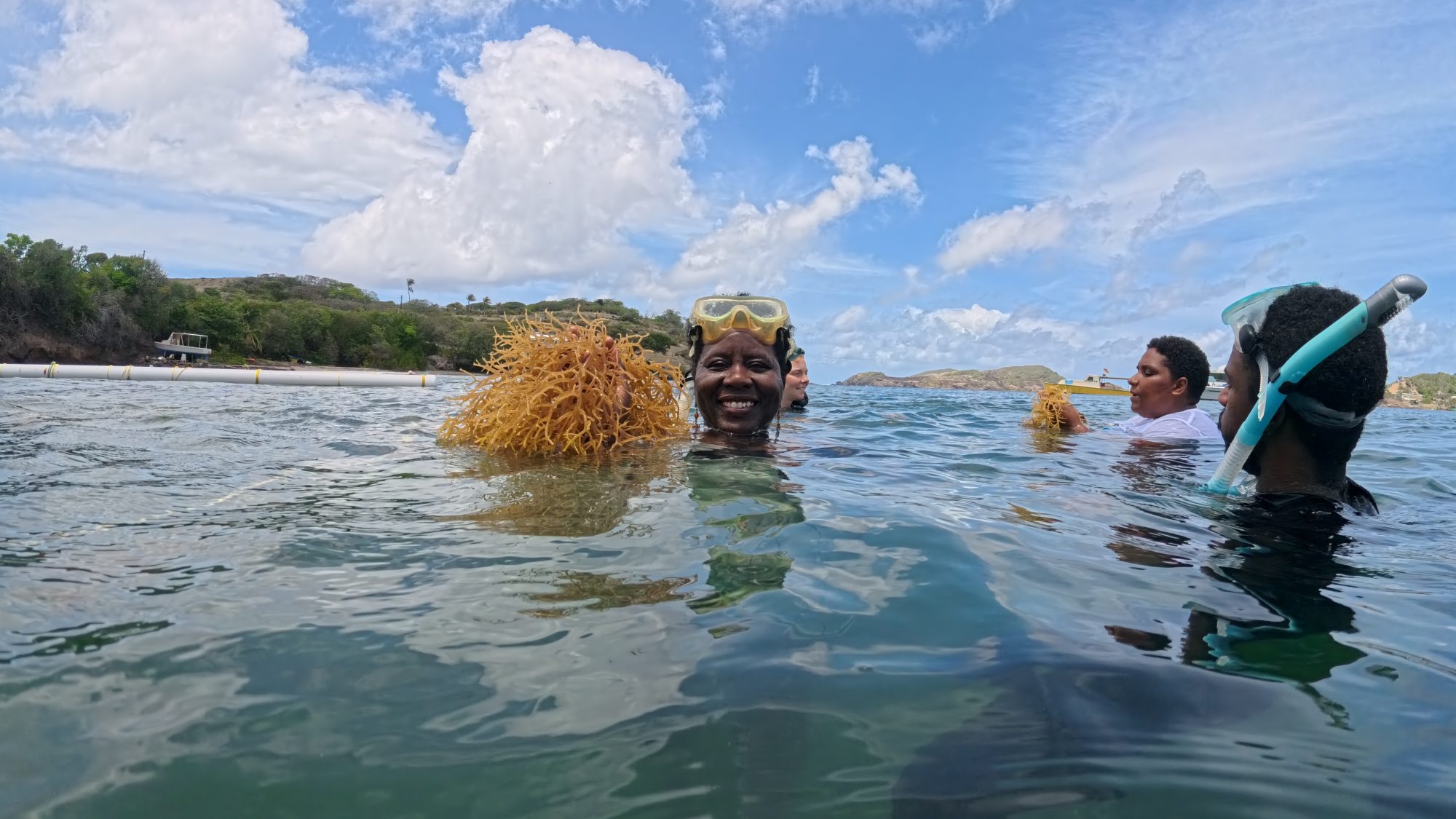
Grenada: A woman farmer checking the seaweed growth on her lines.
St Vincente: Farmers harvesting seaweed together in clear shallow waters.
St Vincente: A young farmer traveling to the farm site.

Farmers

Farmers in the Caribbean islands typically operate independently or few through cooperatives and associations. These groups provide access to funding, materials, and training. Women play a central role, not only as workers but also in leadership positions within farms and associations. Labor often includes neighbours from the same community or even from other islands, and farming activities usually involve entire families. In several islands, farmer associations also work with young people during school vacations, teaching them seaweed farming techniques and transmitting traditional knowledge to new generations, ensuring the continuity of this vital livelihood.


In the Caribbean islands, seaweed farming is usually a supplementary income, with farmers also engaged in fishing, construction, tourism, small businesses, or household work. Women emphasise its flexibility, as it allows them to balance childcare with productive activities. 


Some farmers have been cultivating seaweed for more than 20 years, but many only began recently, in the Caribbean islands following COVID-19 in 2020. Since then, farmers report seeing more fish, turtles, and other species around their farms, which they view as a positive ecological outcome and an additional source for fishing.


Eucheumatoid farming has had a significant impact on Caribbean Afro-descendant island communities. After Hurricane Beryl, most farms across many Caribbean islands (especially Mayreau, Canouan, Union Island, and Carriacou) were destroyed. Farmers emphasised that restoring their farms was directly tied to restoring their livelihoods and futures. 
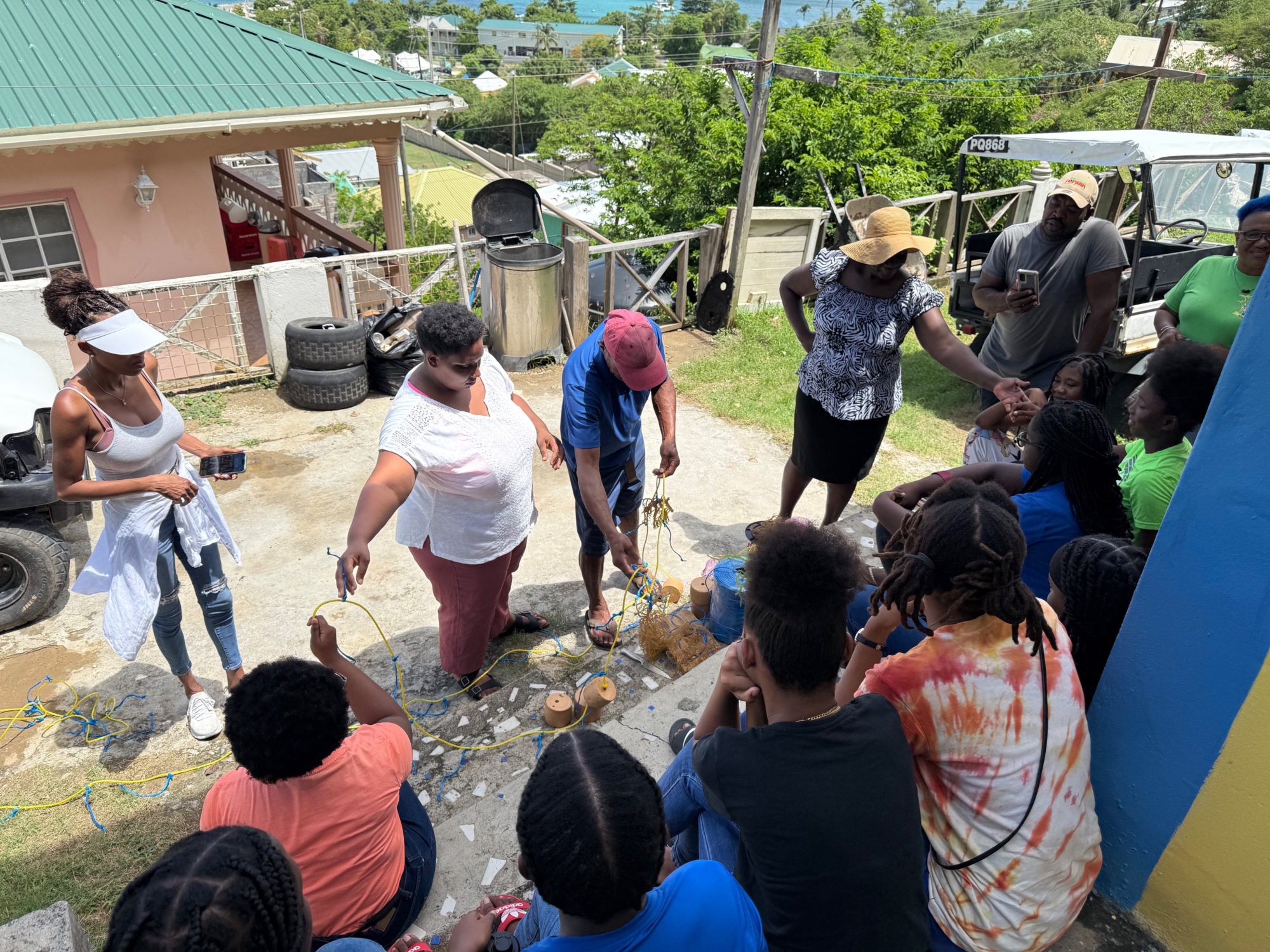
St Vincente: Associations engage young people during school vacations, transmitting traditional seaweed farming knowledge.
St Vincente: Coastal communities depend on nearshore seaweed plots for income and stability.
Grenada: For many coastal families, seaweed cultivation remains a vital part of island life and identity.
St Vincente: Farmer associations play a key role in keeping traditional practices alive through hands-on training.
South America

Overview

Venezuela: An independent community farmer gathers seaweed grown in floating lines.
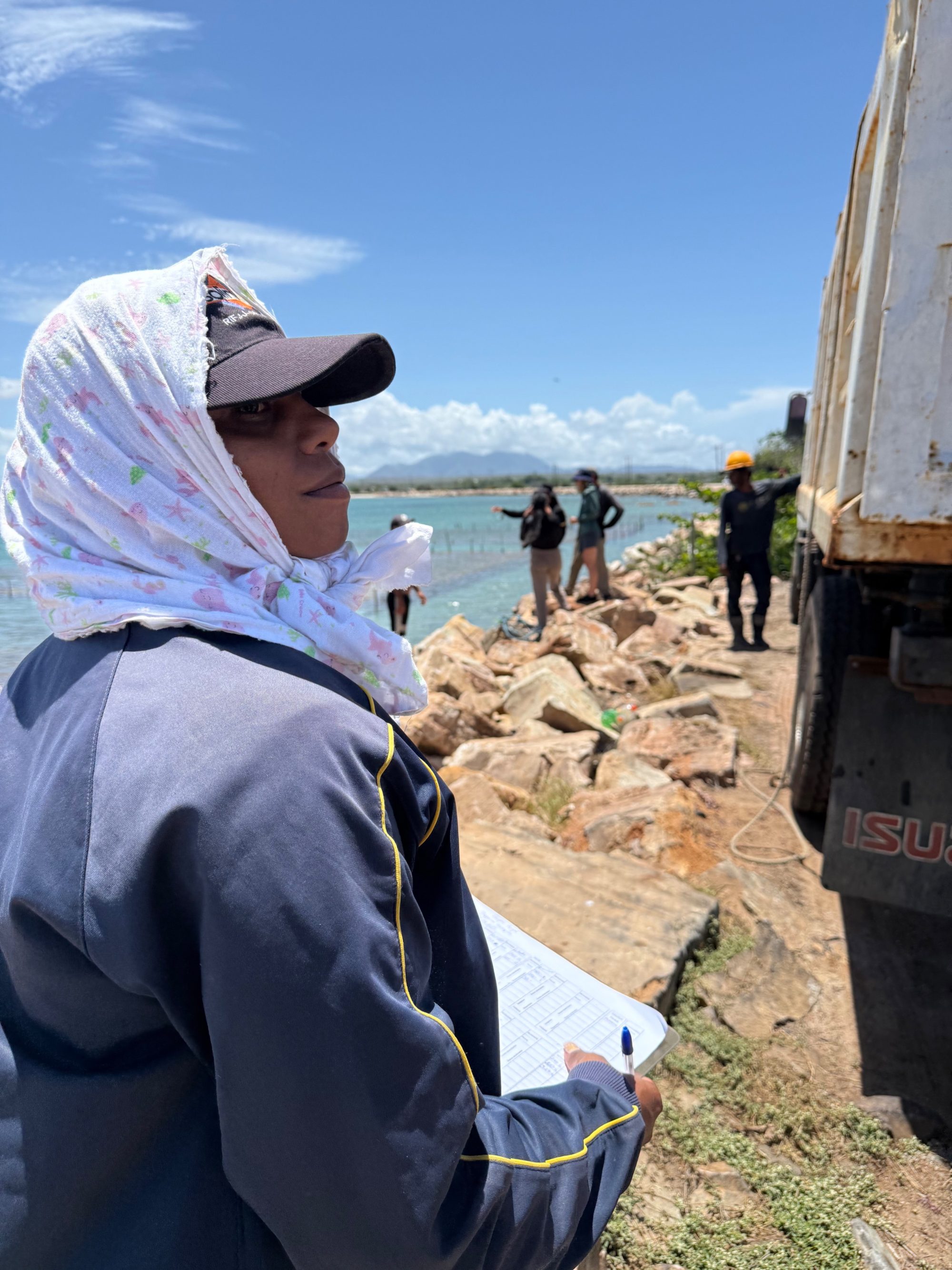
Venezuela: A former farmer turned coordinator ensures daily harvests reach TIDE's trucks, bridging farm work and formal logistics.
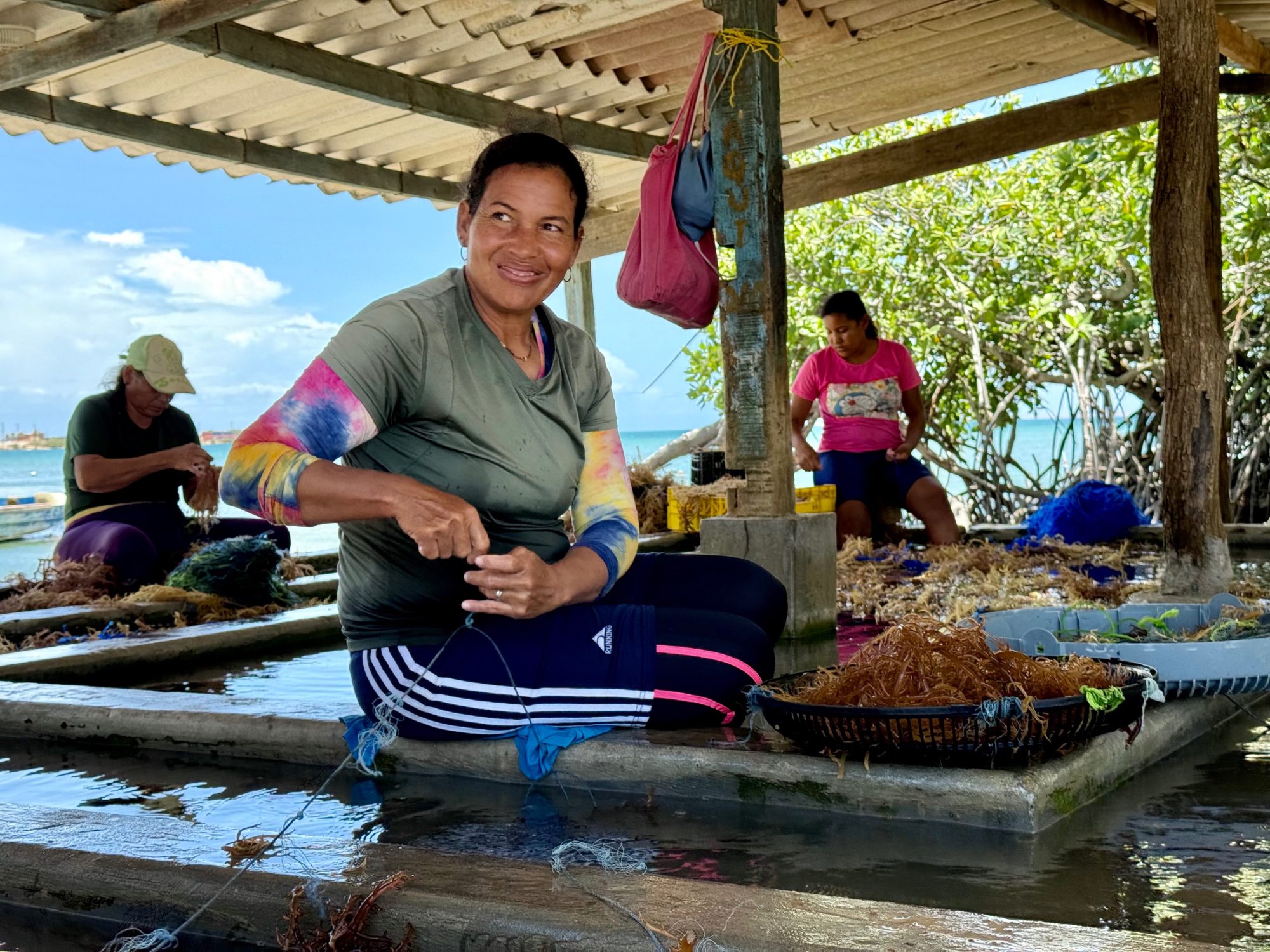
Venezuela: Women lead seeding in Venezuela and building lasting financial independence.
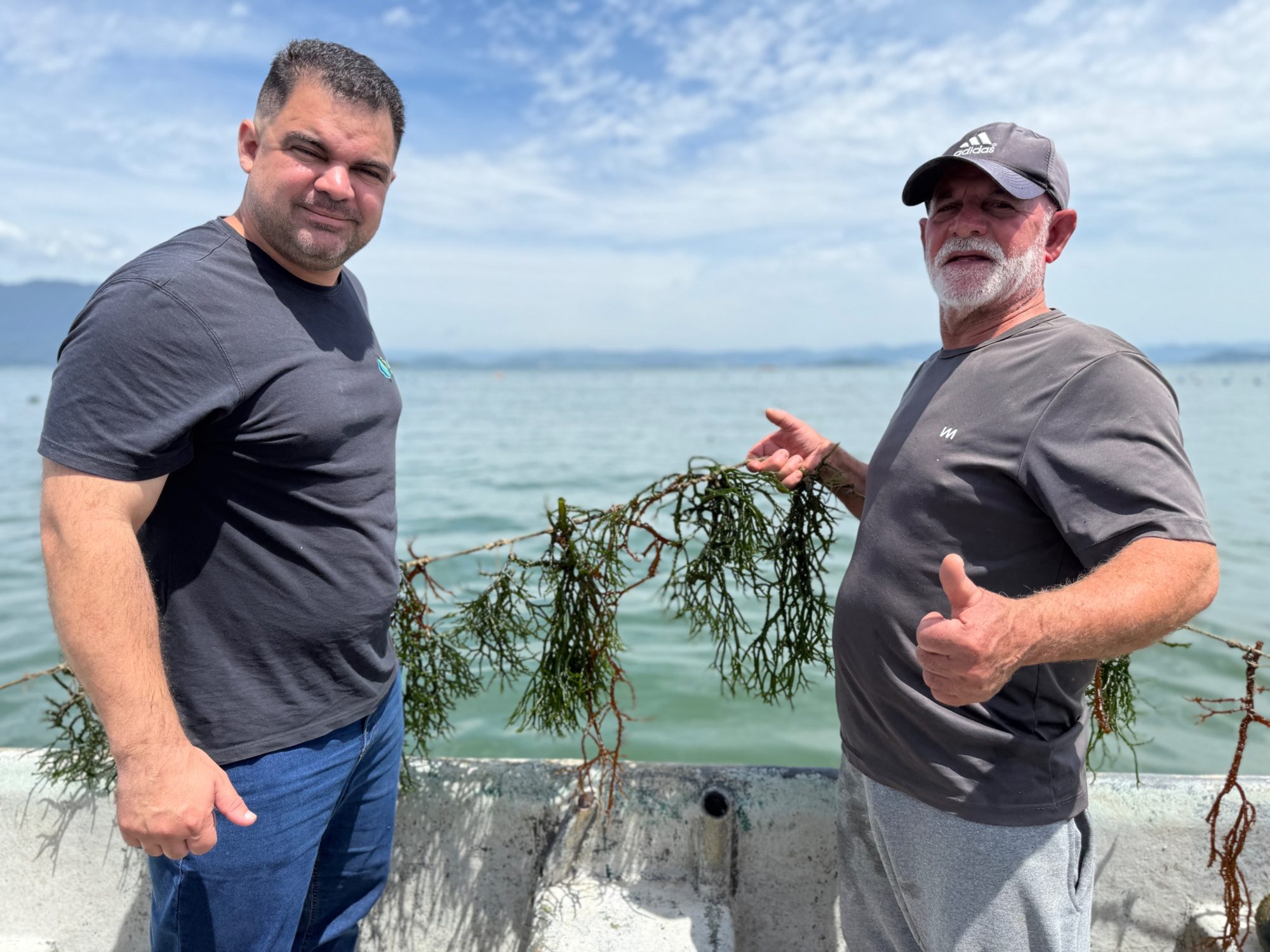
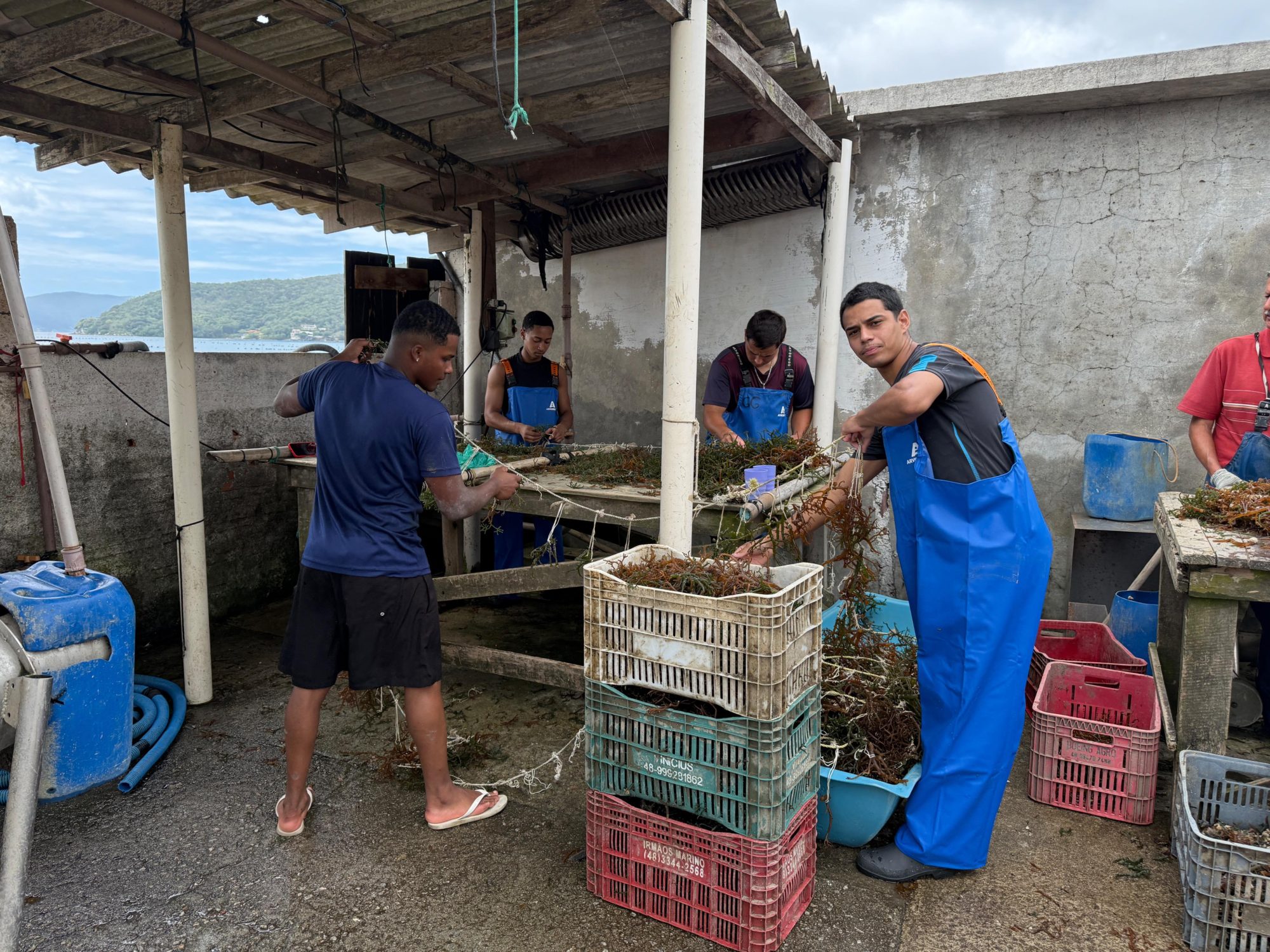
Brazil: Second generation shellfish farmers turned to seaweed and are now the largest buyer and processor of seaweed in Santa Catarina.
Brazil: Young farmers in Santa Catarina embrace seaweed, seen as simpler and more profitable than mussel farming.
Brazil: Saulo Vida is the president of the mariculture and fishery association Amaparparaty, which comprises a majority of Caiçara origin farmers.
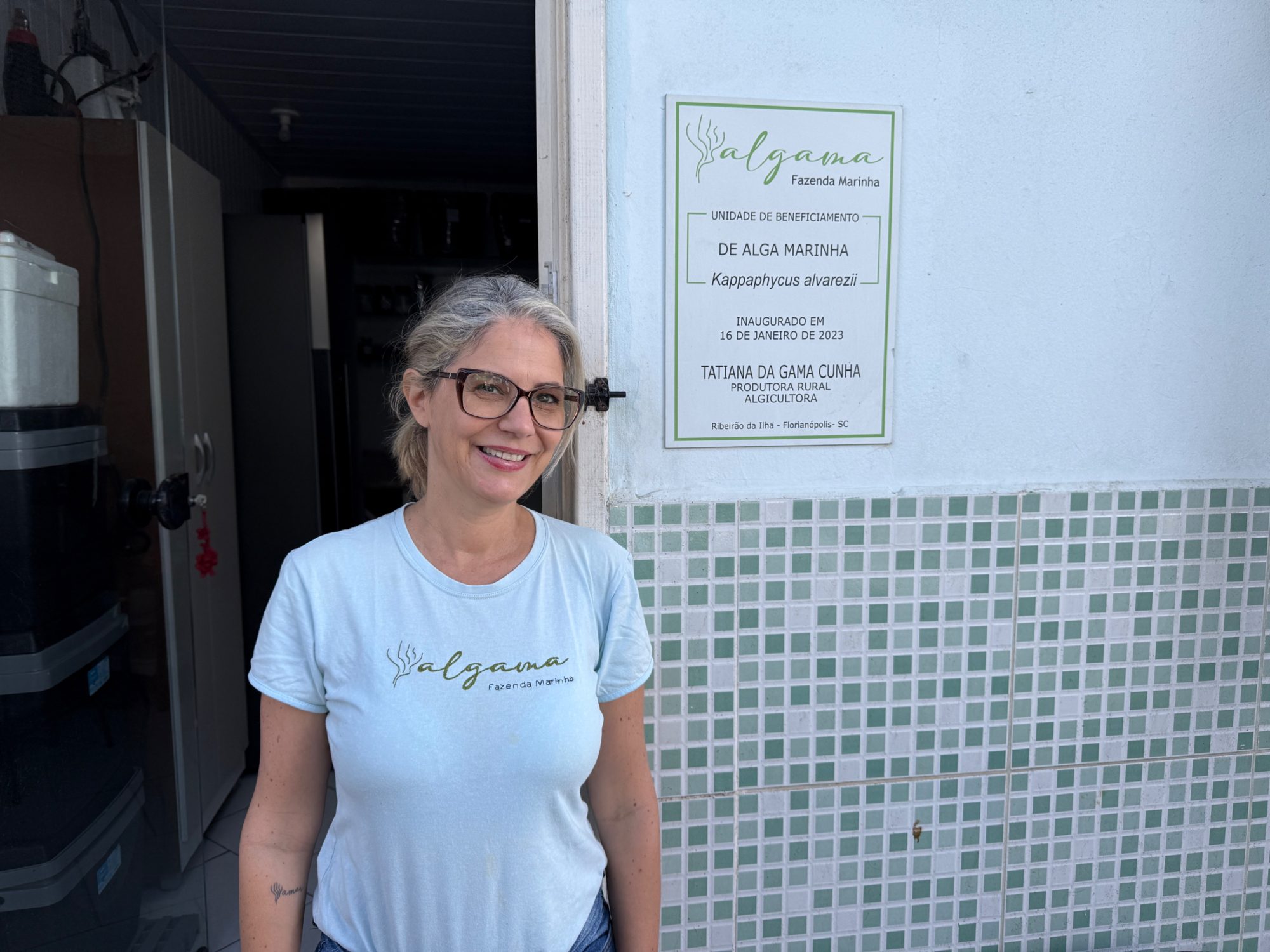
Brazil: Tatiana Duarte is a second generation mussel farmer, turned to seaweed 4 years ago and created her own brand for value added food and cosmetic products from Kapphaphycus.
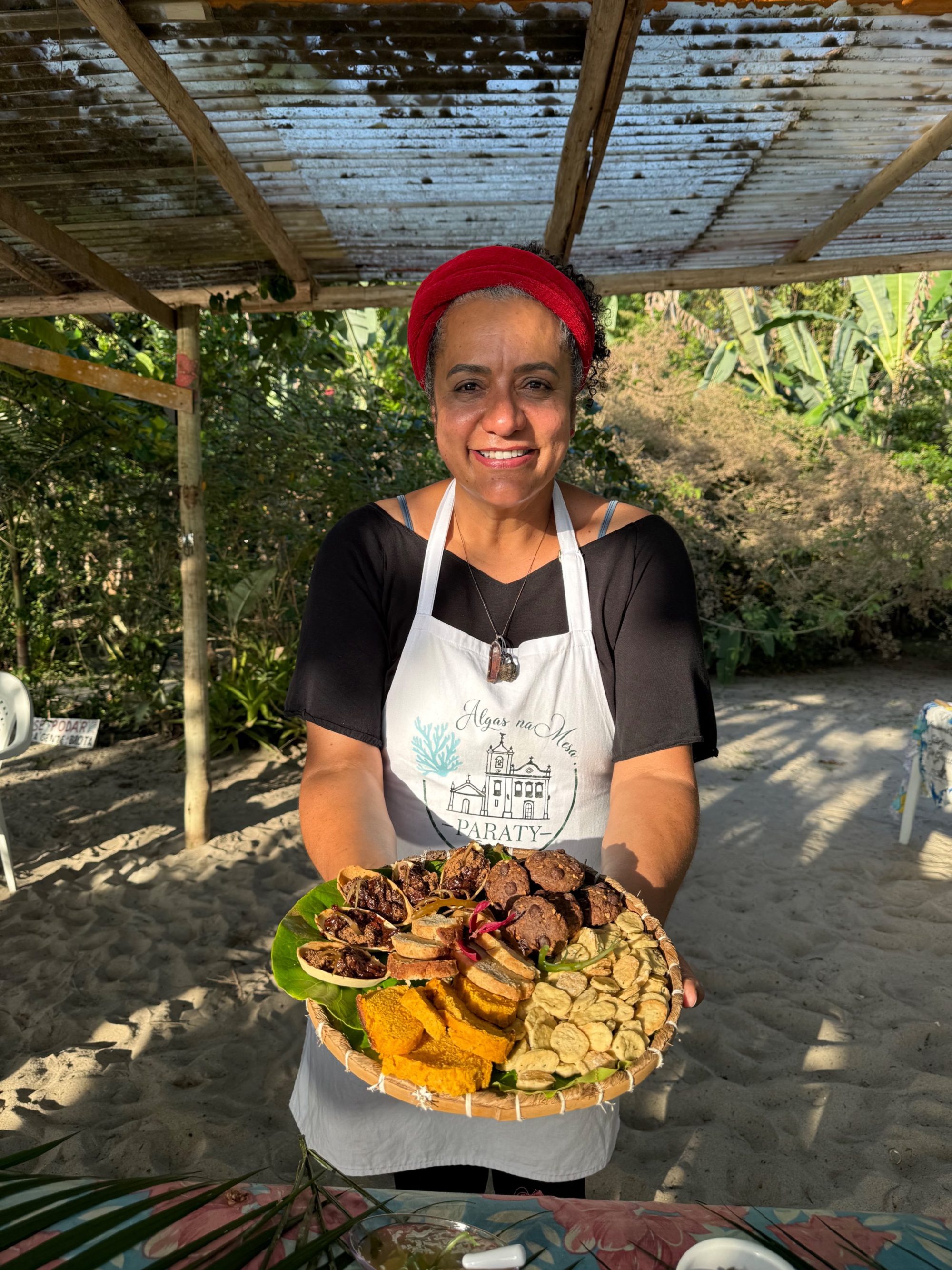
Brazil: Cida São Gonçalo spotlights her food creations from Kapphaphycus - linking food, identity, and local economic revival.

Farmers

Eucheumatoid farming in Venezuela and Brazil is being developed by a combination of commercial enterprises and community-based producers. 


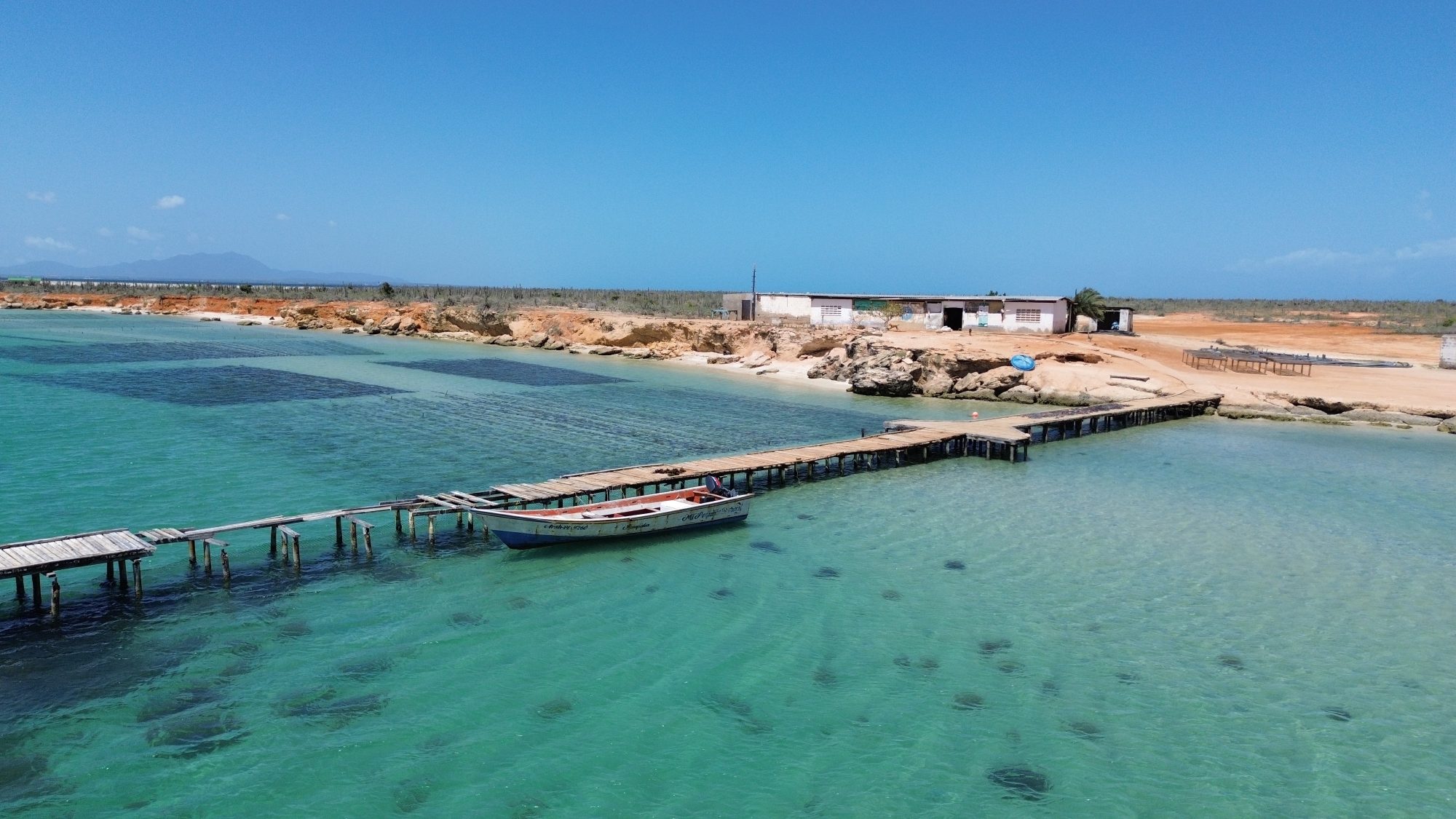
In Venezuela, the seaweed sector is structured around three main companies that provide the essential market link (primarily for carrageenan export) to independent community farmers. Many farmers in these coastal communities rely on seaweed as their primary source of income in regions with limited alternatives. The largest integrated farming enterprise, TIDE, has developed a unique model: it allocates plots—known as "parcelas"—to individual farmers, handling the necessary permits and regulations on their behalf. 


Each "alguicultore" (seaweed farmer) is responsible for planting, maintaining, and harvesting the seaweed. TIDE, in turn, provides key inputs, including pre-seeded lines, shared boats, training, manuals, and technical support. This model now directly supports 350 individuals, several of whom operate family-run microenterprises. The most productive farmers now earn between USD $800 and $1,200 per month—a life-changing income for most Venezuelans. The socioeconomic impact of this activity is substantial, as seaweed farming has transformed communities, notably reducing crime rates in previously high-risk areas while providing economic independence. 


In Brazil, the profile of farmers varies significantly by region. Around Paraty in Rio de Janeiro, many farmers belong to traditional Caiçara communities. Here, labour can be constrained as tourism offers competing employment for younger residents, sometimes requiring hiring from neighbouring countries. Conversely, in Santa Catarina, aquaculture is already established with second-generation shellfish farmers familiar with marine cultivation. Many find seaweed farming easier and more profitable than mussel cultivation, generating strong local interest where market conditions permit. Thus, seaweed farming offers a sustainable livelihood that complements or replaces traditional fishing. It represents a viable economic foundation for coastal communities, with families potentially earning up to $2,000 USD monthly. 


Both countries benefit from institutional support. Venezuela's fisheries ministry implements training programs and establishes farm schools, while Brazil's agricultural research agencies and universities provide technical support and professional training for farmers. This institutional framework, combined with the sector's ability to provide stable incomes in coastal communities, positions seaweed farming as a crucial economic activity that enables residents to thrive in their traditional homelands.
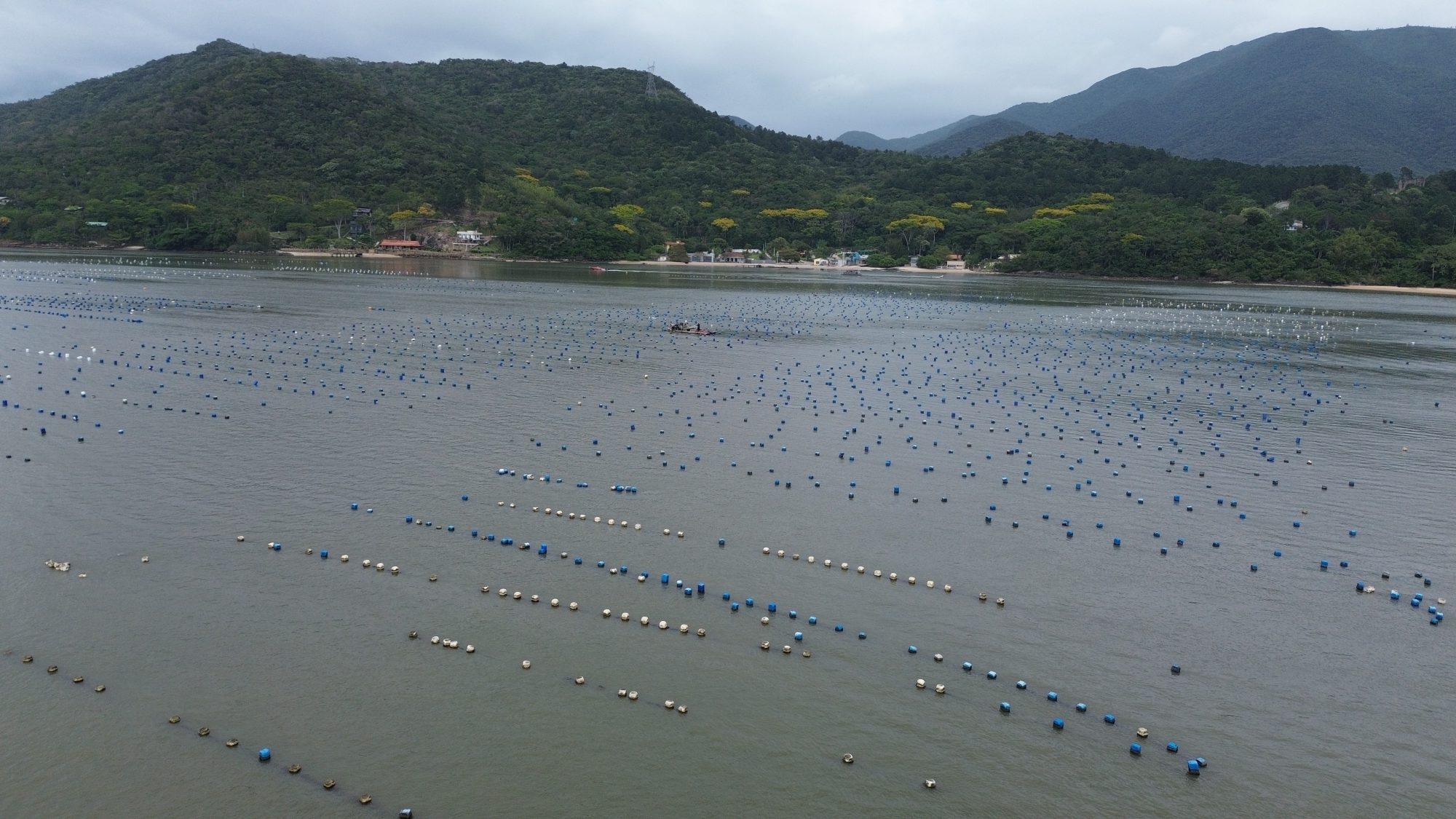
Brazil: In Santa Catarina, seaweed farms expand across calm waters, operated by experienced aquaculture families shifting from mussels to macroalgae.
Venezuela: Farm employees are only staying on Isla Cubagua periodically when working with the seaweed.
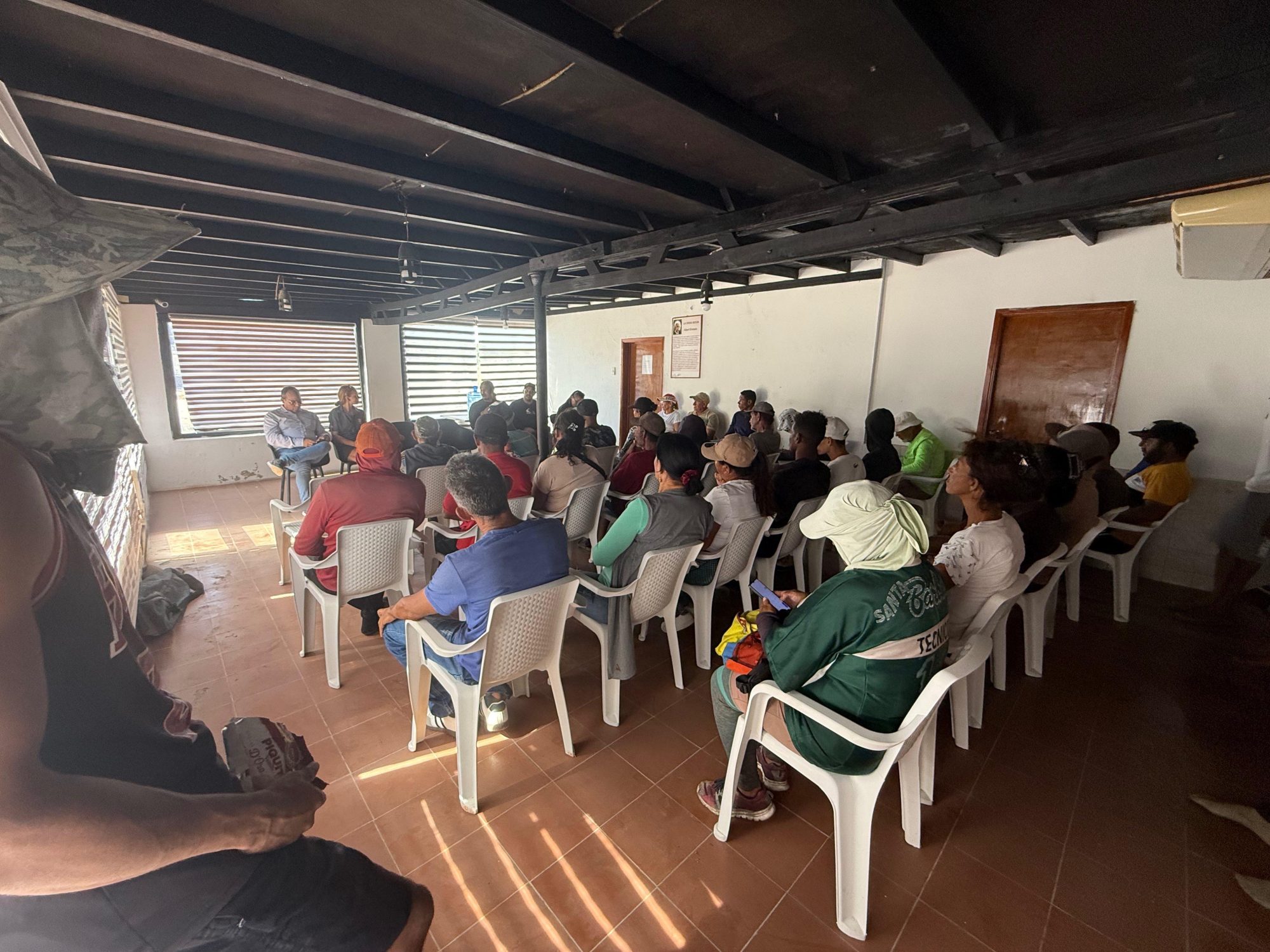
Venezuela: TIDE hosts assemblies to align with farmers, fostering trust, training, and innovation in Venezuela’s seaweed sector.
Previous
Next
Seaweed

Contact us:

info@hatch.blue
www.hatch.blue

Copyright © 2026 Hatch Blue Limited. All rights reserved.

  • Terms and conditions
  • Privacy policy

Hatch Blue is a global impact business focussed on farmed and alternative seafood. Hatch Innovation Services is the consultancy arm of Hatch, advising corporates, investors and governments on innovation and investment projects in the global aquaculture industry.

For our Shrimp Farming Insights visit: www.shrimpfarm.tech.