Pyropia Sales
East Asia
Overview
Initial Pyropia harvests tend to be softer and have a better taste. Pyropia that has grown for 50 days is considered best for consumption as the colour and flavour are at their peak.
Point of sales
In China, primary processing is usually carried out by farmers or farming companies with an automatic machine that produces dry nori sheets. The dried nori sheets are bundled into 10 sheets each and then graded according to quality.
Only Jiangsu province has a farmers' association, which unifies the sales process through an open auction. 95% is sold through this open market. Prices are relatively stable when compared to areas that do not have farming associations like Jheizhang and Fujian provinces.
In South Korea, all Pyropia farmers sell freshly harvested seaweed straight from the harvesting vessel through the auctions that take place every morning during harvest season at the farmers’ cooperative port. There are different quality categories for the auction and prices fluctuate according to the abundance of supply.
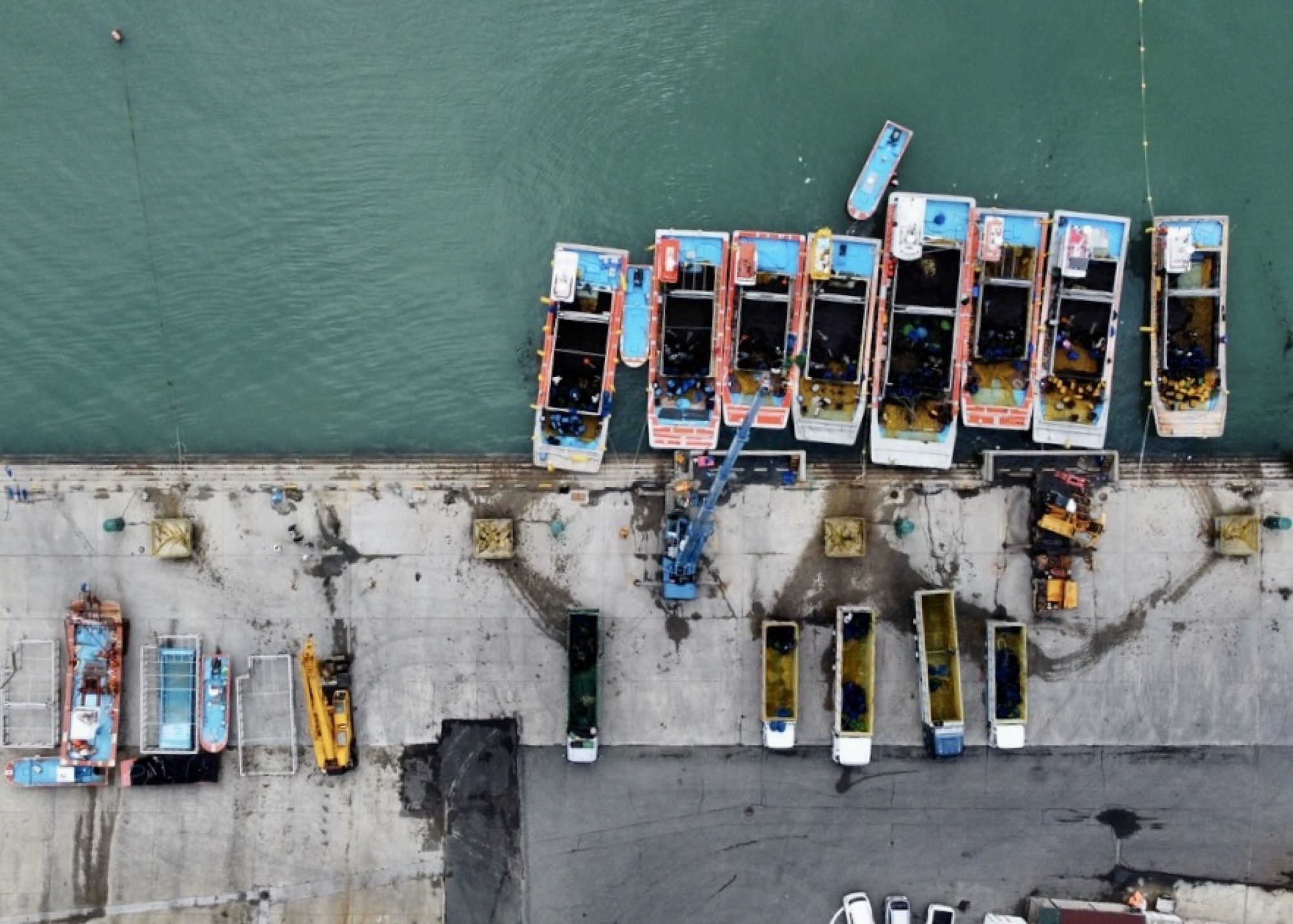
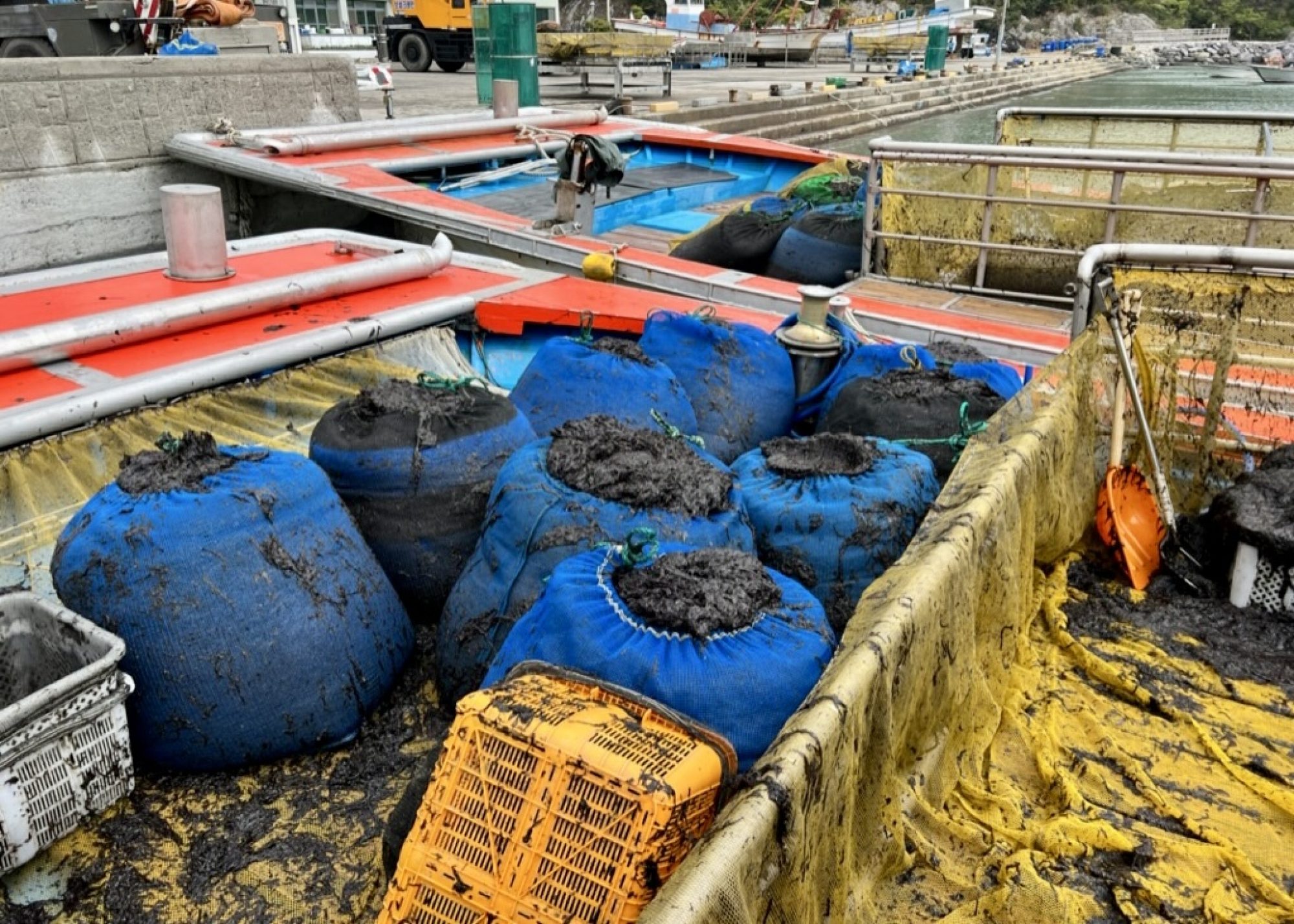
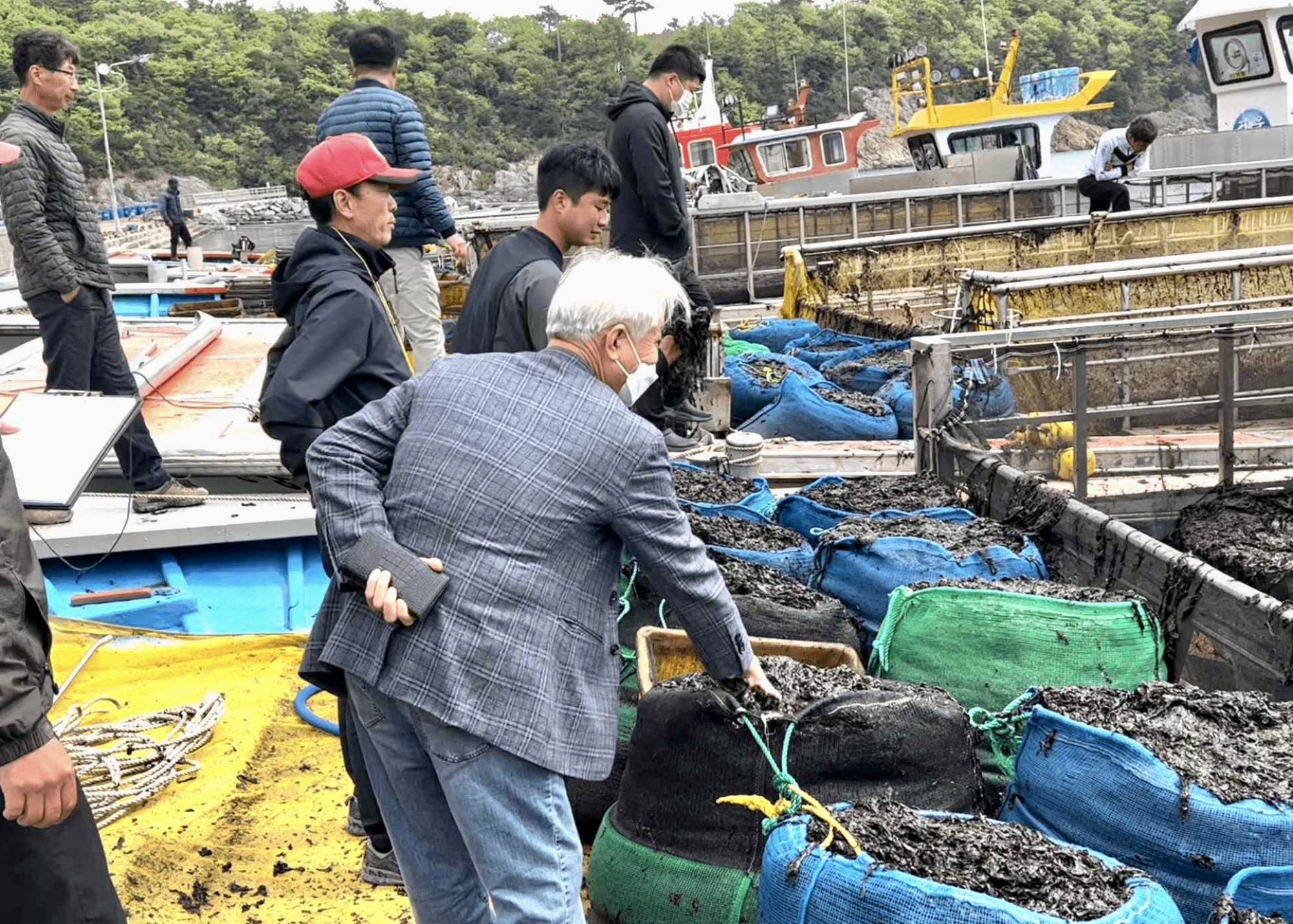
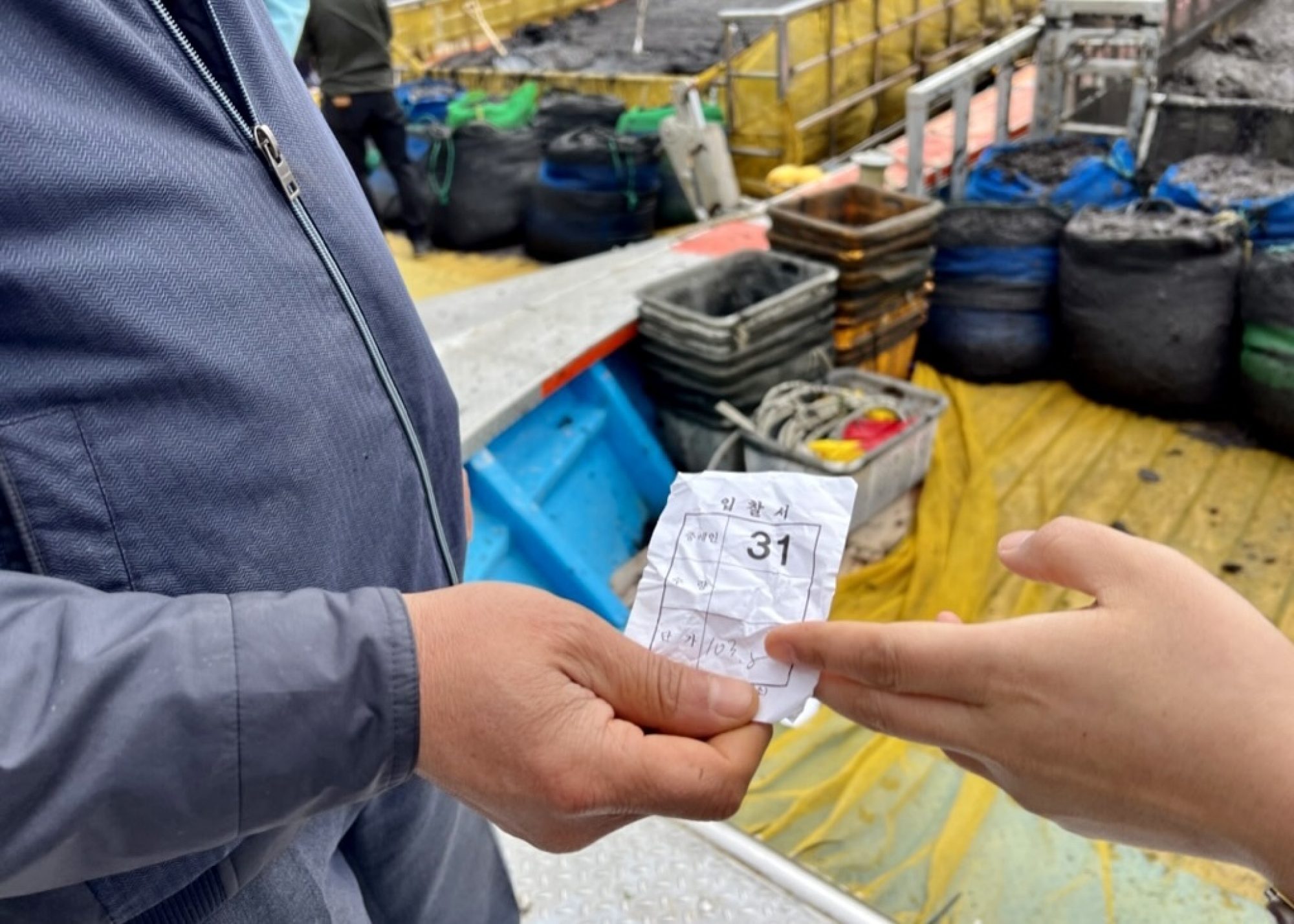
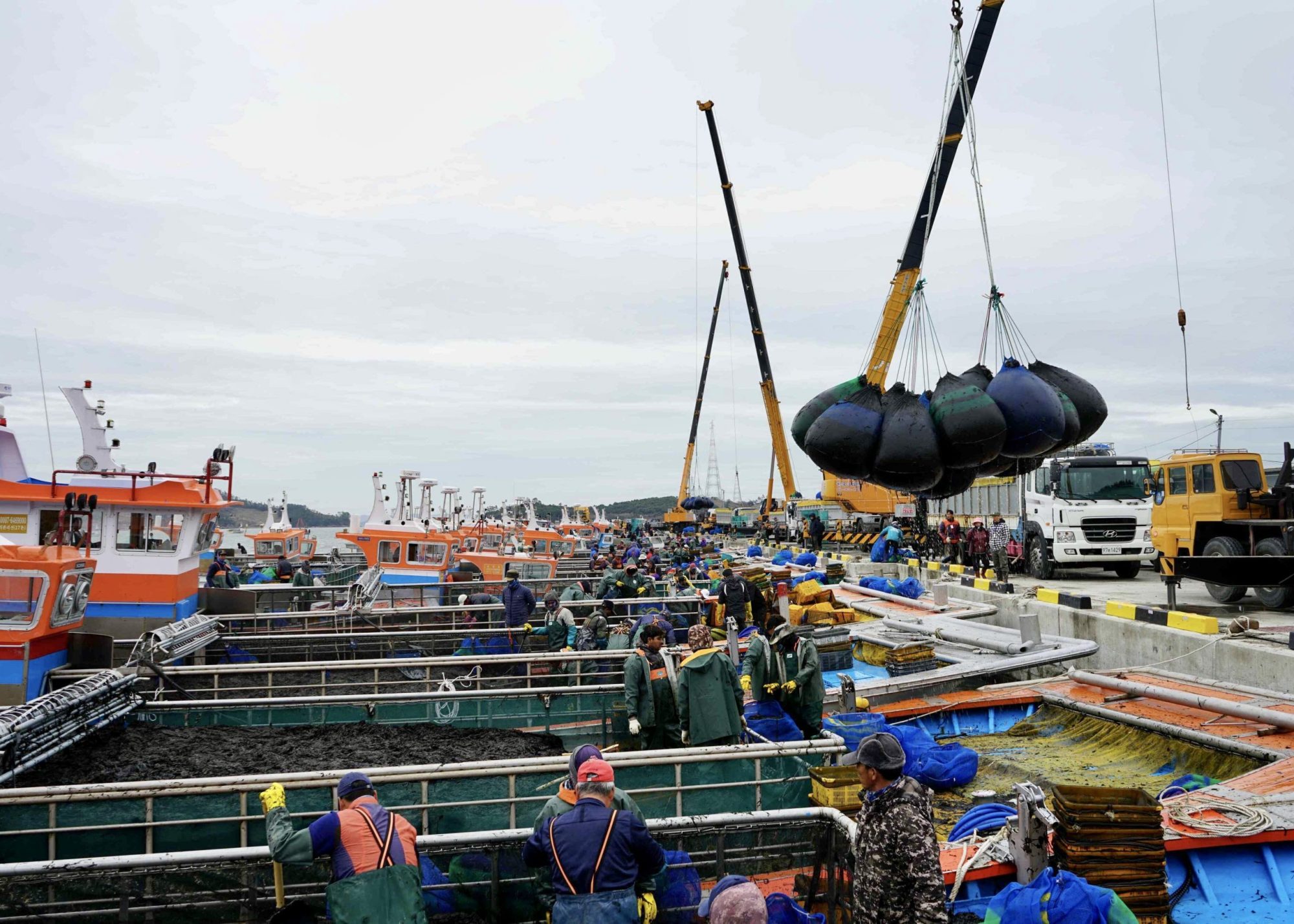
The auction is open to any potential buyer, but primary processors usually produce dried-sheet Pyropia. There are between 350 – 400 factories in South Korea that produce these sheets and sell them either to consumers directly, to other domestic processors for further processing steps into seasoned Pyropia or as export products. Korean companies buy for secondary processing.
In Japan, primary processing is usually carried out by farmers or farming companies with an automatic machine that produces dry nori sheets. The dried nori sheets are bundled into 10 sheets each and then graded according to quality.
These sheets are sold through open tenders at the fishery cooperative’s auction and sent to department stores, restaurants and supermarkets. Japanese companies tend to buy for secondary processing.