Gracilaria Seeding
East & South-East Asia
Overview
based on 5 interviews conducted across 2 major producing regions in 2 countries
Seed material for Gracilaria can be obtained by vegetative propagation either from wild or harvested crop, year-round.
Seed production
Seed material is sourced either from the wild, where branches of or entire reproductive plants are collected or from plants obtained in previous cultivation. In China, when the cultivation season is over in the South, some of the harvested Gracilaria will be transported by truck up to Northern China and used as initial seed material when the cultivation season starts there in May.
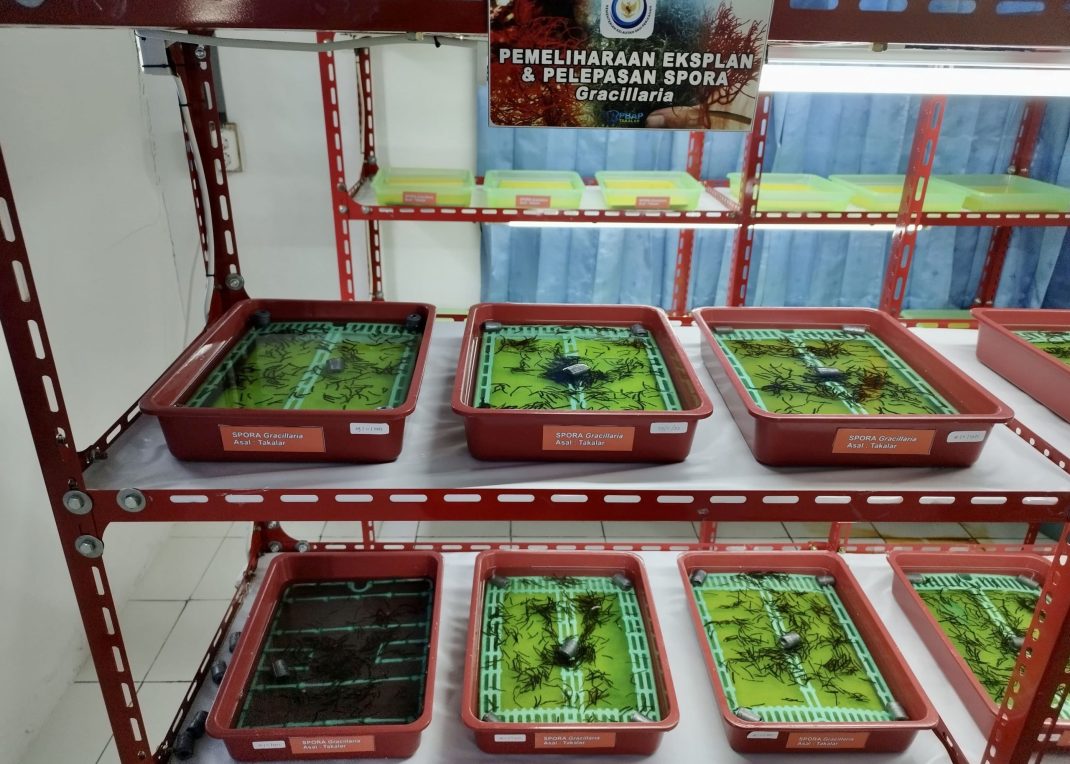
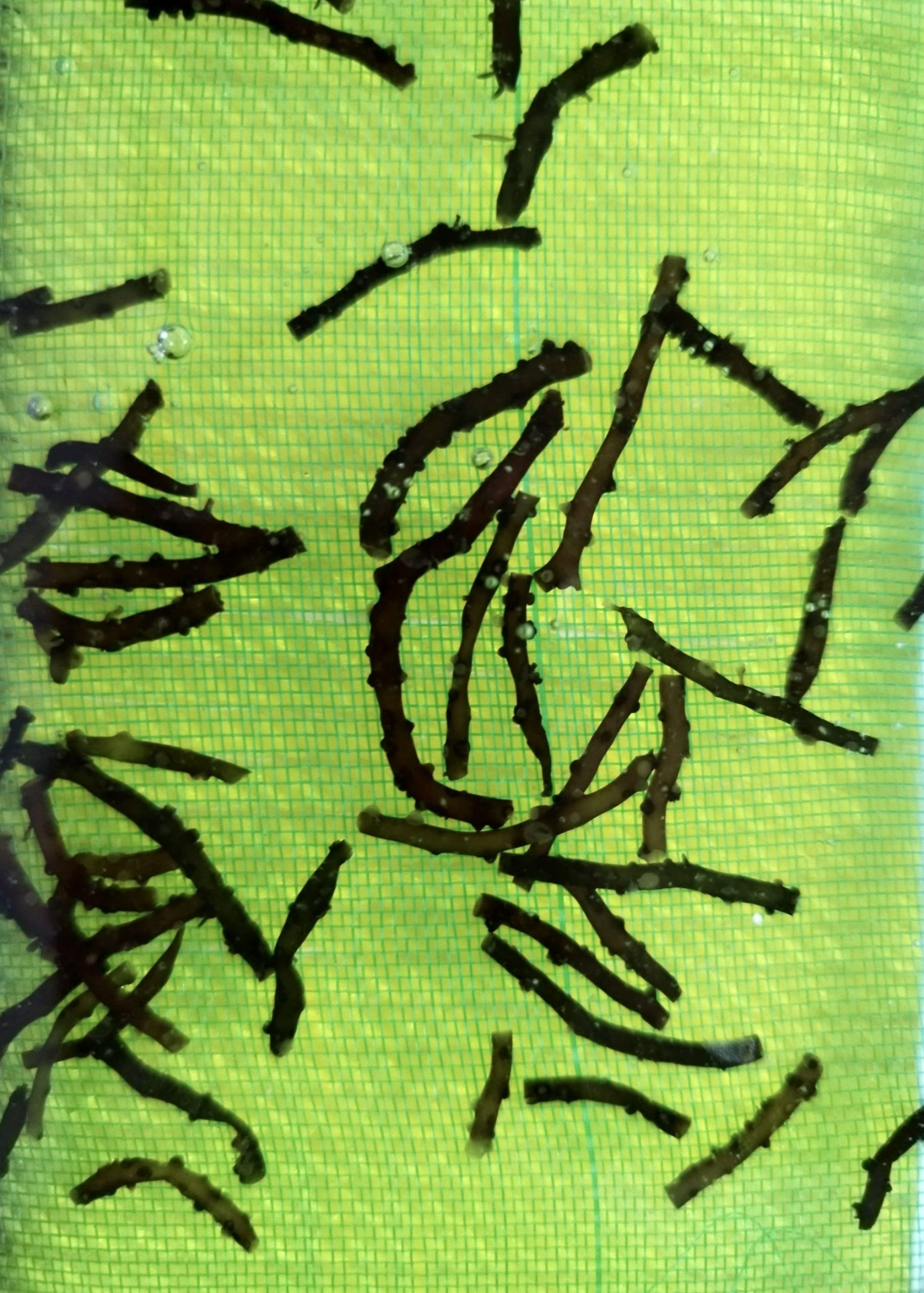
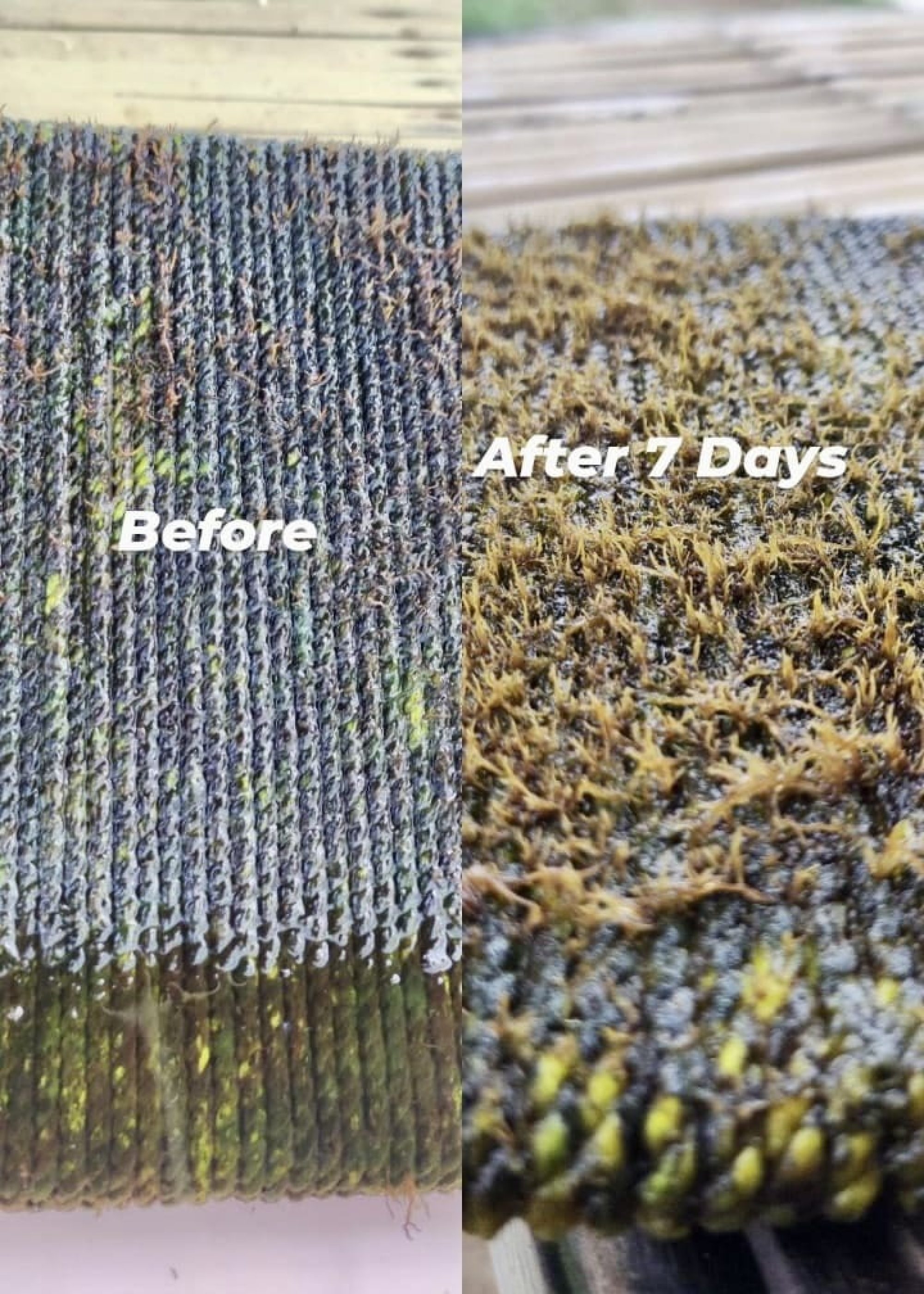
Another form of seed production can take place in a hatchery setting, by having spores from reproductive Gracilaria plants settle on the surface of ropes. This process can be seen in the pictures below.
Deployment
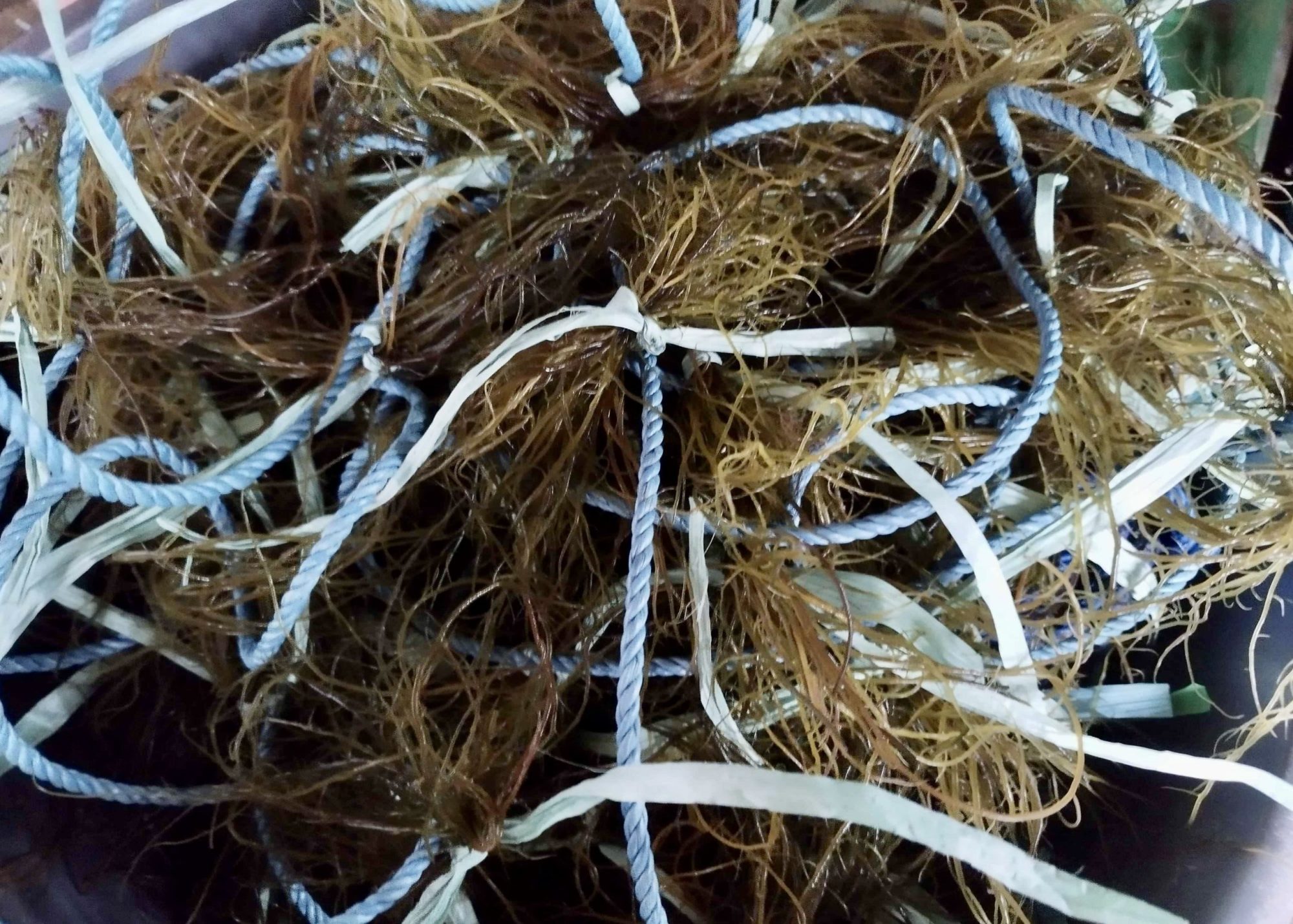
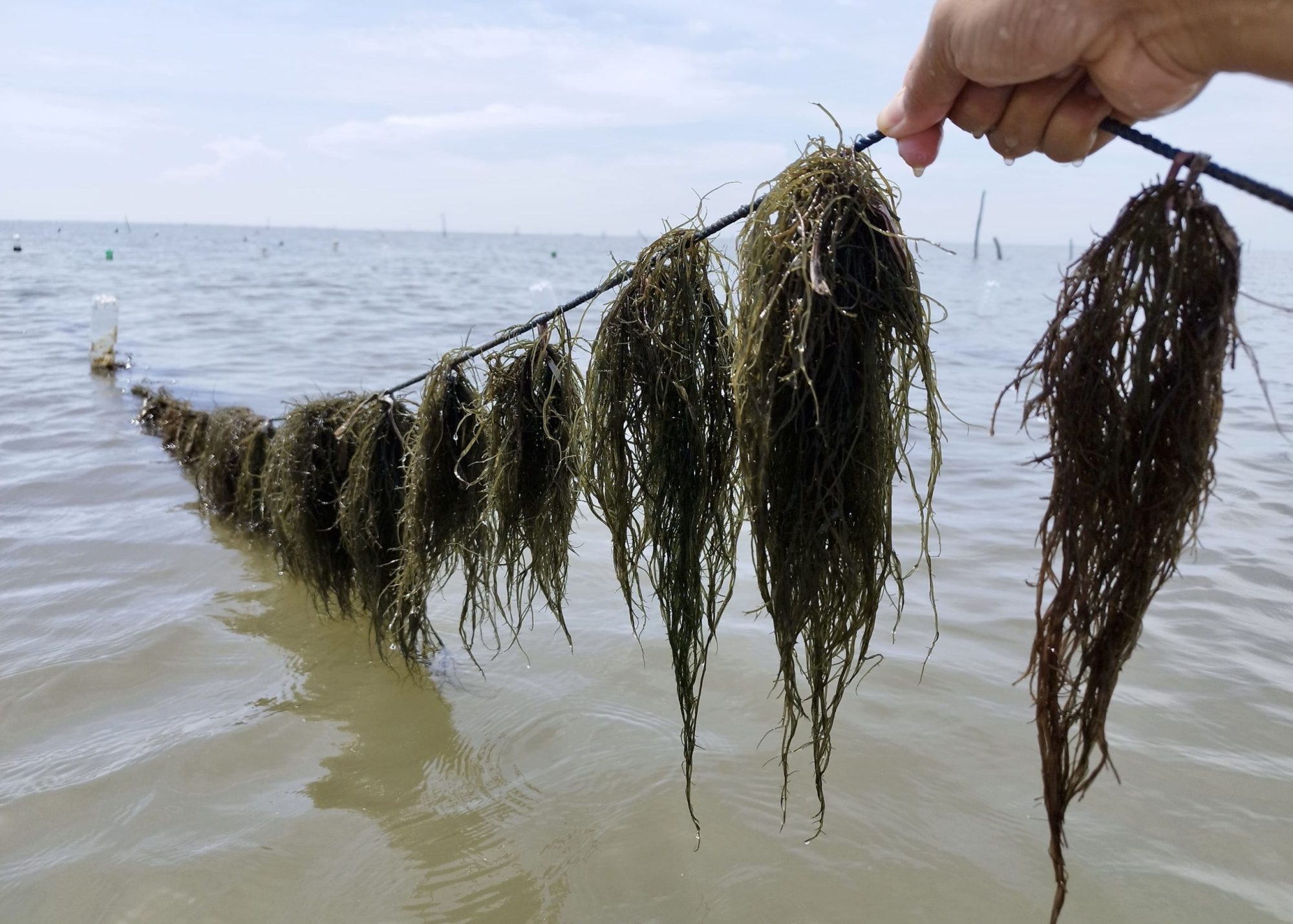
In pond culture, these seedlings are simply scattered across the grow out pond. When farming Gracilaria at sea on ropes, the seeding process is highly labour intensive. In Indonesia, fragments will be tied to the culture line, which uses the same materials and technique as seeding the lines for Eucheumatoids farming. In China, the fragments will be inserted into the twisted rope, just like in the seeding process for Saccharina.
In a second step the line with tied seedlings is deployed or in other words attached to the farm setup at sea. Alternatively the tying can also take place on the farm site by boat or walking if the water depths at low tide allows for it – however it requires much more time at sea.
South America
Overview
Seed production
While good practices recommend selecting healthy thalli with active growth, the dominant traditional method often bypasses this, harvesting the growing portions and leaving older material behind. The material degrades after 1-2 years, increasing susceptibility to pests and reducing productivity, a key factor in the historical decline of quality in long-standing cultivation systems. In this sense, it is highly recommended to renew approximately one-third of seed annually using spore-fixed ropes.
The only commercial hatchery in the Chilean Los Lagos region is Algas Marinas, which is also the major buyer in the region. They have been providing farmers with ropes, which they later buy the produced biomass from. The functional lifespan is typically one to two years, after which they become obsolete due to aging and biofouling, necessitating replacement to maintain productivity and avoid environmental damage from degraded fragments.
Deployment
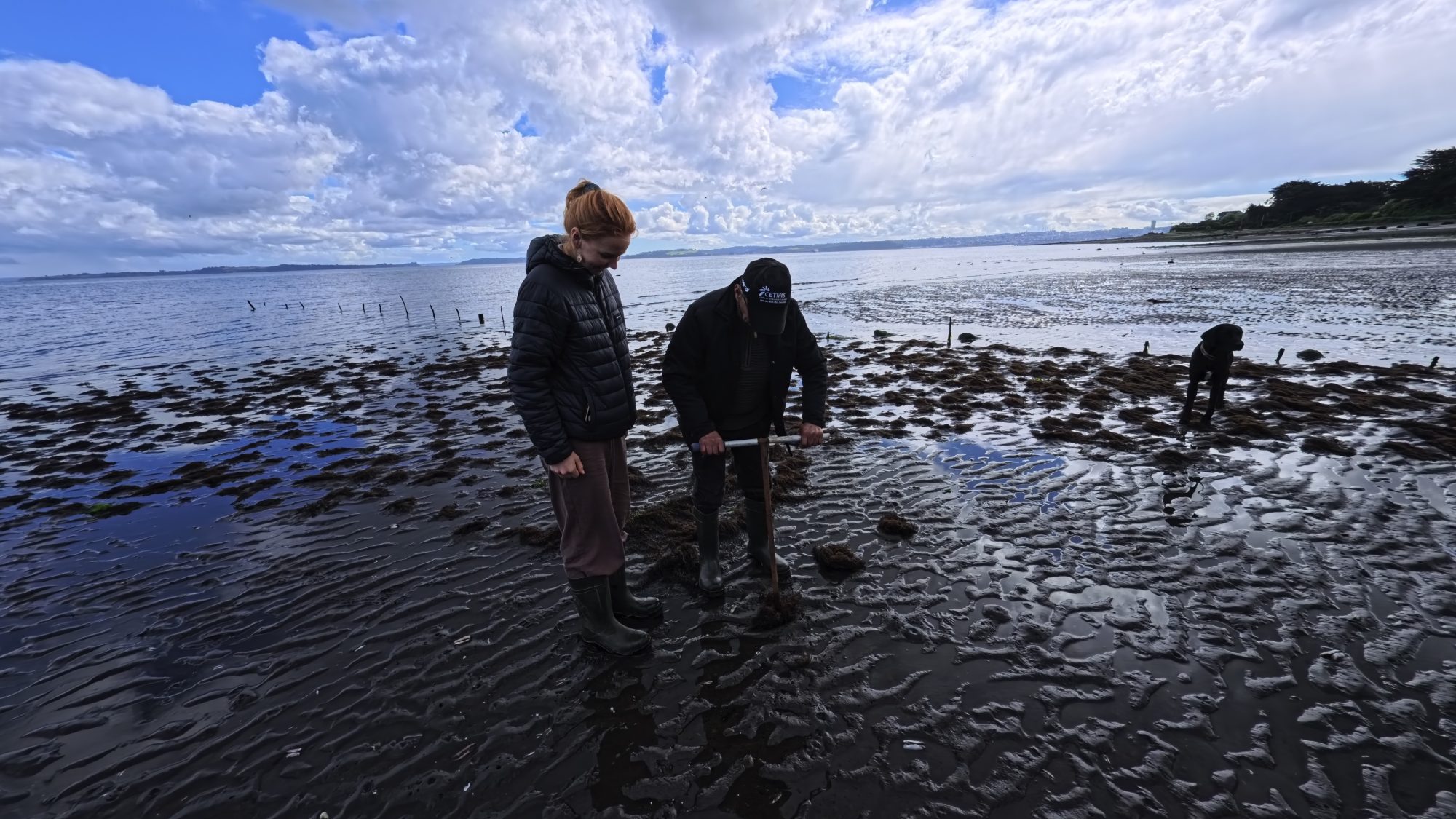
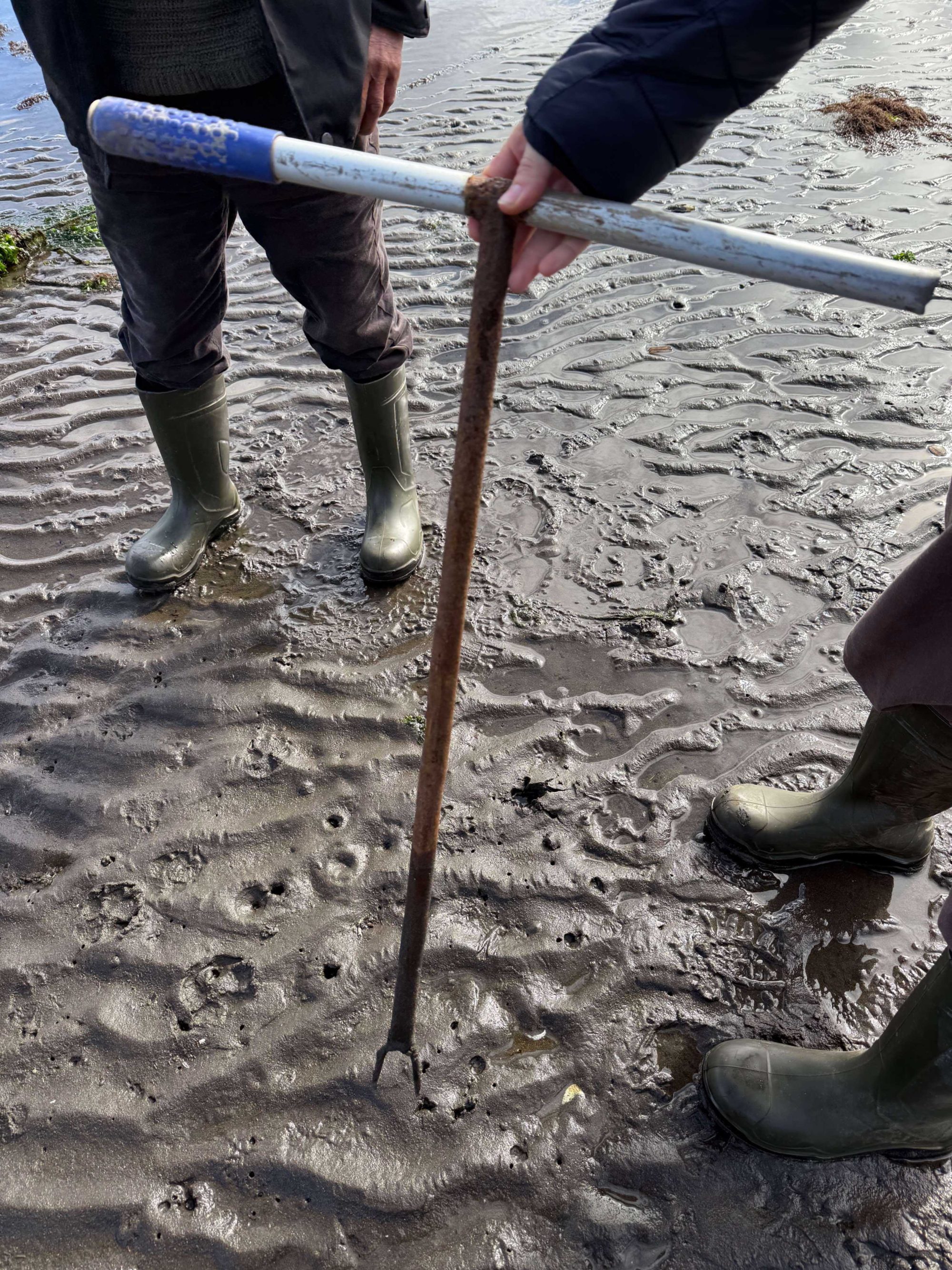
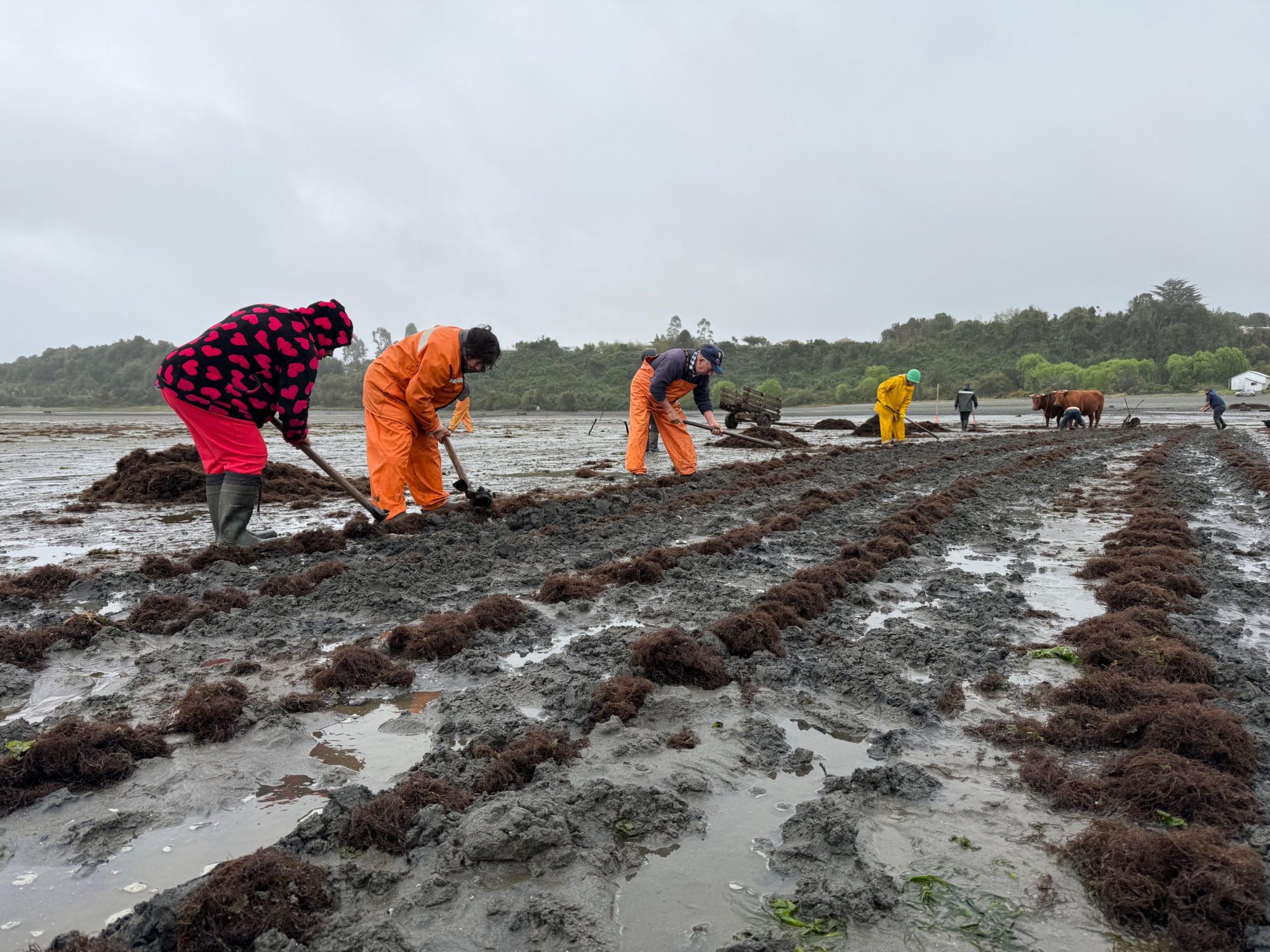
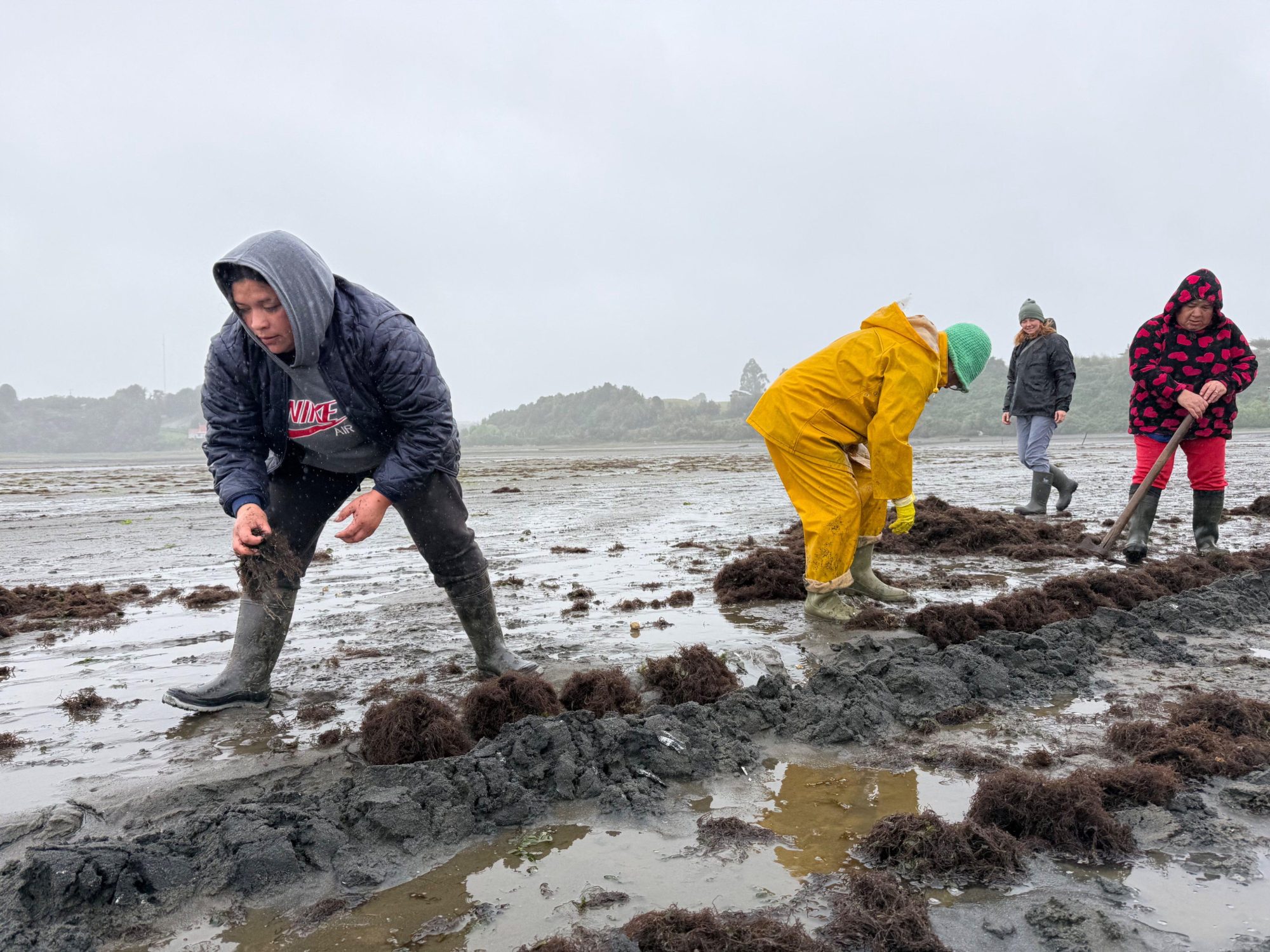
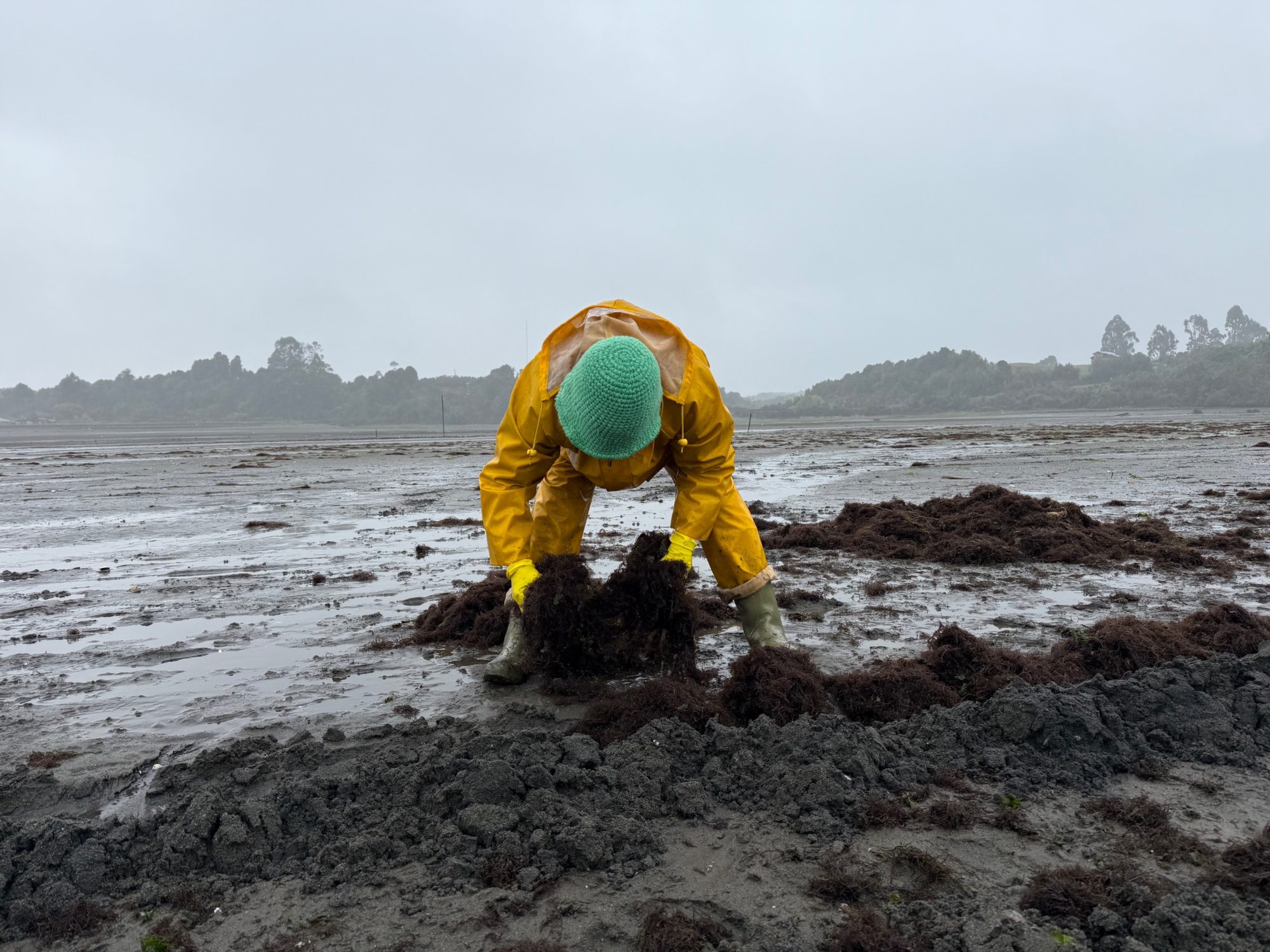
In Chile, Gracilaria cultivation employs distinct seeding methods tailored to different farming systems. For bottom culture, farmers use direct planting techniques where fragments are scattered across substrates or secured using traditional stone weights. Manual insertion using tools like forked implements is also practiced to ensure clumps are well-buried in the substrate.
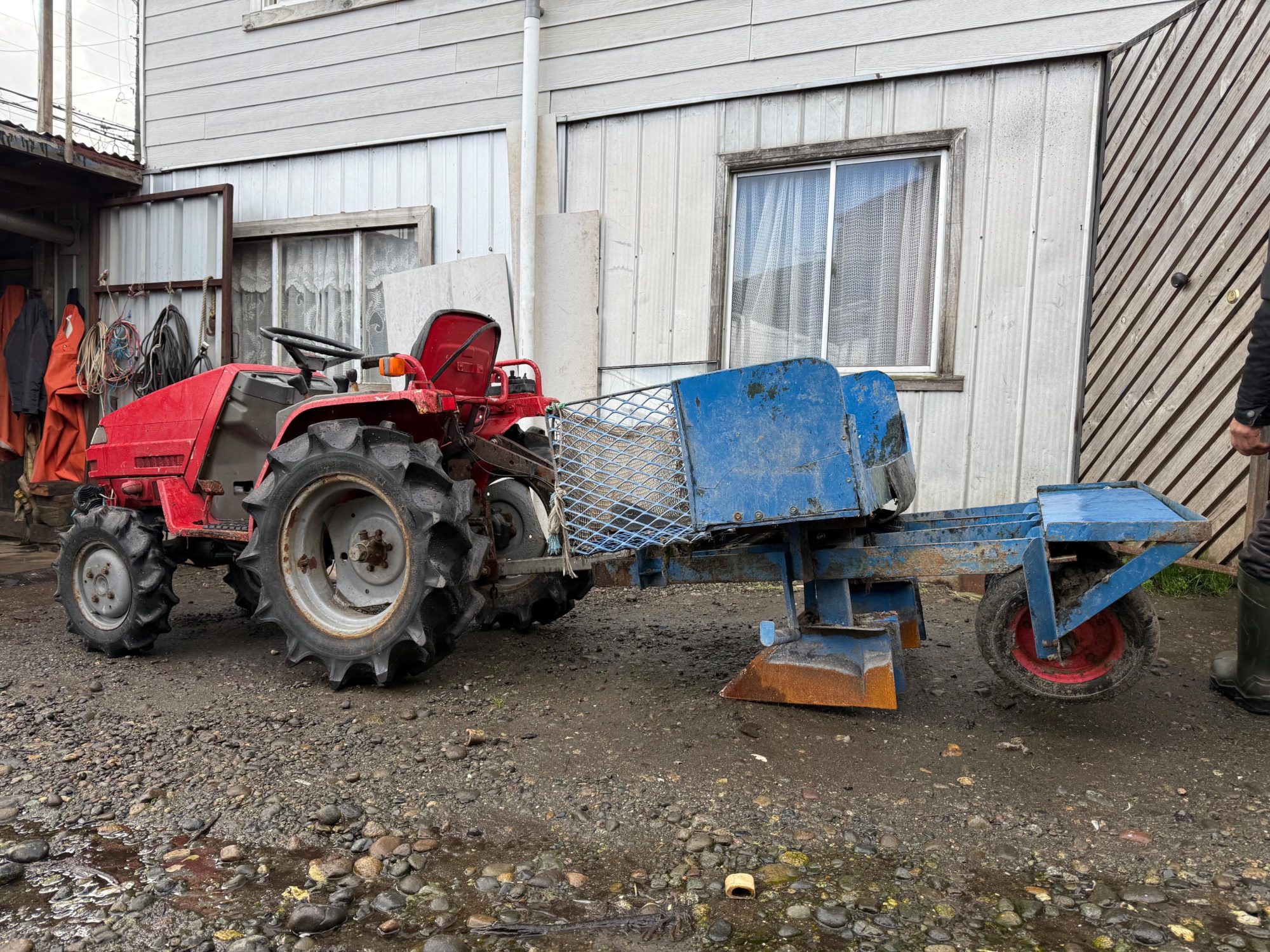
In suitable intertidal areas, mechanised sowing with tractors significantly enhances efficiency, enabling teams of 2-3 people to plant up to 1000 kg during a single 2-3 hour low tide cycle, though this advanced approach is currently limited to only two such tractors in the region of Los Lagos. The recommended seeding density ranges from 1 kg per linear meter to 1-2.4 kg per square meter to compensate for establishment losses.
For rope culture systems, another option involves land-based preparation where fragments are tied onto lines before deployment. There are motorised braiding platforms that accelerate this process significantly.