Seaweed
  • Species production
  • Regional production
  • About
  • Reports
  • en
  • es
  • pt
  • Species Production Overview
  • Eucheumatoids
  • Saccharina
  • Undaria
  • Pyropia
  • Gracilaria
  • Macrocystis
  • Global Production Overview
  • East Asia
  • South East Asia
  • Central America & Caribbean
  • South America
  • Species production
    • Species Production Overview
    • Eucheumatoids
      • Production Overview
      • Site selection
      • Farm design
      • Seeding
      • Grow out
      • Harvest
      • Post harvest
      • Sales
      • The farmer
      • Future of farm
    • Saccharina
      • Production Overview
      • Site selection
      • Farm design
      • Seeding
      • Grow out
      • Harvest
      • Post harvest
      • Sales
      • The farmer
      • Future of farm
    • Undaria
      • Production Overview
      • Site selection
      • Farm design
      • Seeding
      • Grow out
      • Harvest
      • Post harvest
      • Sales
      • The farmer
      • Future of farm
    • Pyropia
      • Production Overview
      • Site selection
      • Farm design
      • Seeding
      • Grow out
      • Harvest
      • Post harvest
      • Sales
      • The farmer
      • Future of farm
    • Gracilaria
      • Production Overview
      • Site selection
      • Farm design
      • Seeding
      • Grow out
      • Harvest
      • Post harvest
      • Sales
      • The farmer
      • Future of farm
    • Macrocystis
      • Production Overview
  • Regional production
    • Global Production Overview
    • East Asia
    • South East Asia
    • Central America & Caribbean
    • South America
  • About
  • Reports
Seaweed
  • en
  • es
  • pt
  • Production Overview
  • Site selection
  • Farm design
  • Seeding
  • Grow out
  • Harvest
  • Post harvest
  • Sales
  • The farmer
  • Future of farm

Pyropia Seeding

Table of contents
  • East Asia
    1. Overview

    2. Seed production

East Asia

Overview

The introduction of artificial seeding methods based on the cultivation of spores (seeds) in a land-based tank allowed for large scale production of seed material and thus the scaling of commercial Pyropia farming. 

Seed production

Compared to other commercially cultivated seaweed species, the lifecycle of Pyropia is fairly complex. The seed production stage is a complex process with several steps that are carried out in land-based hatcheries, where from February till September the conchocelis stage takes place and conchospores are produced.
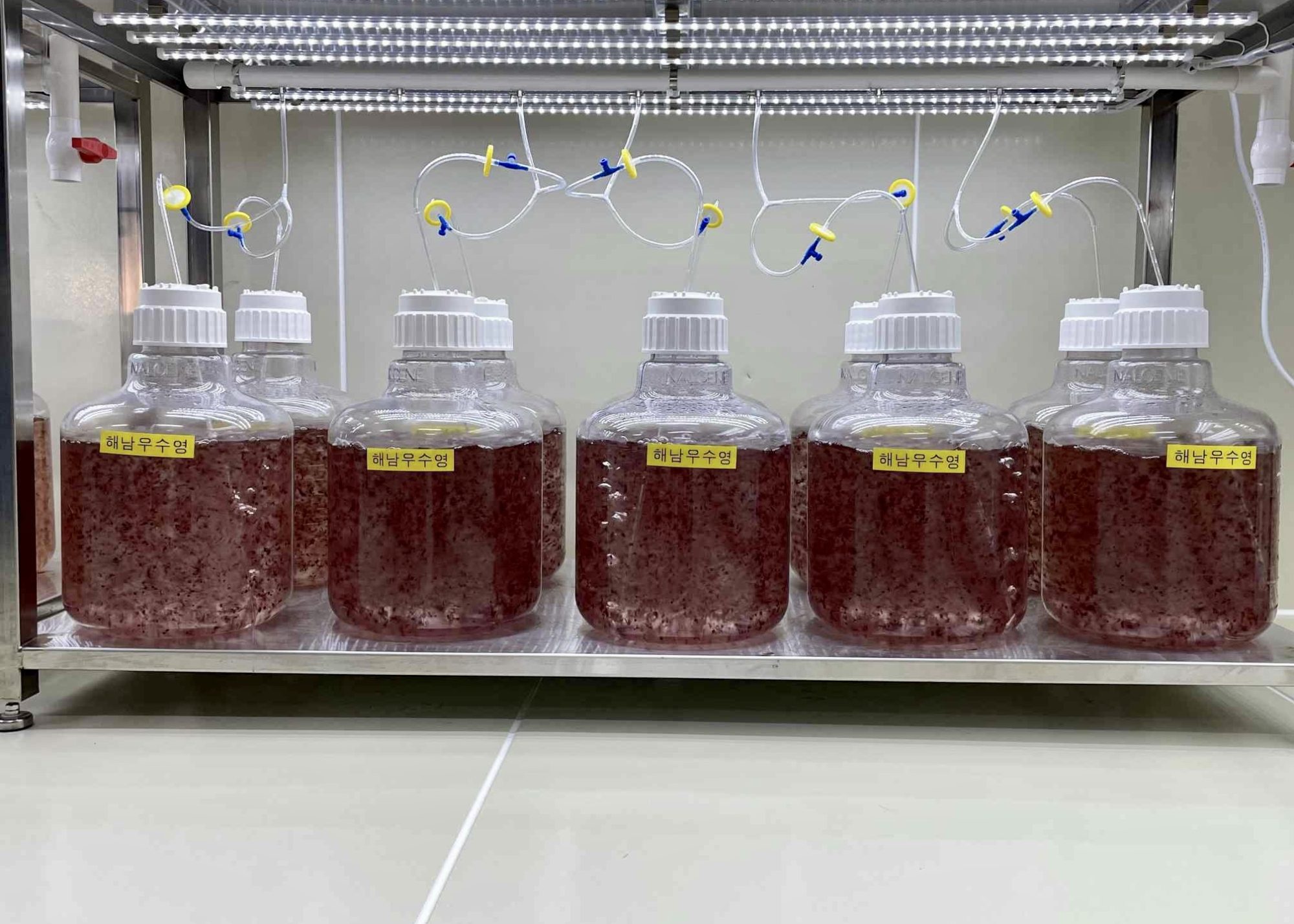
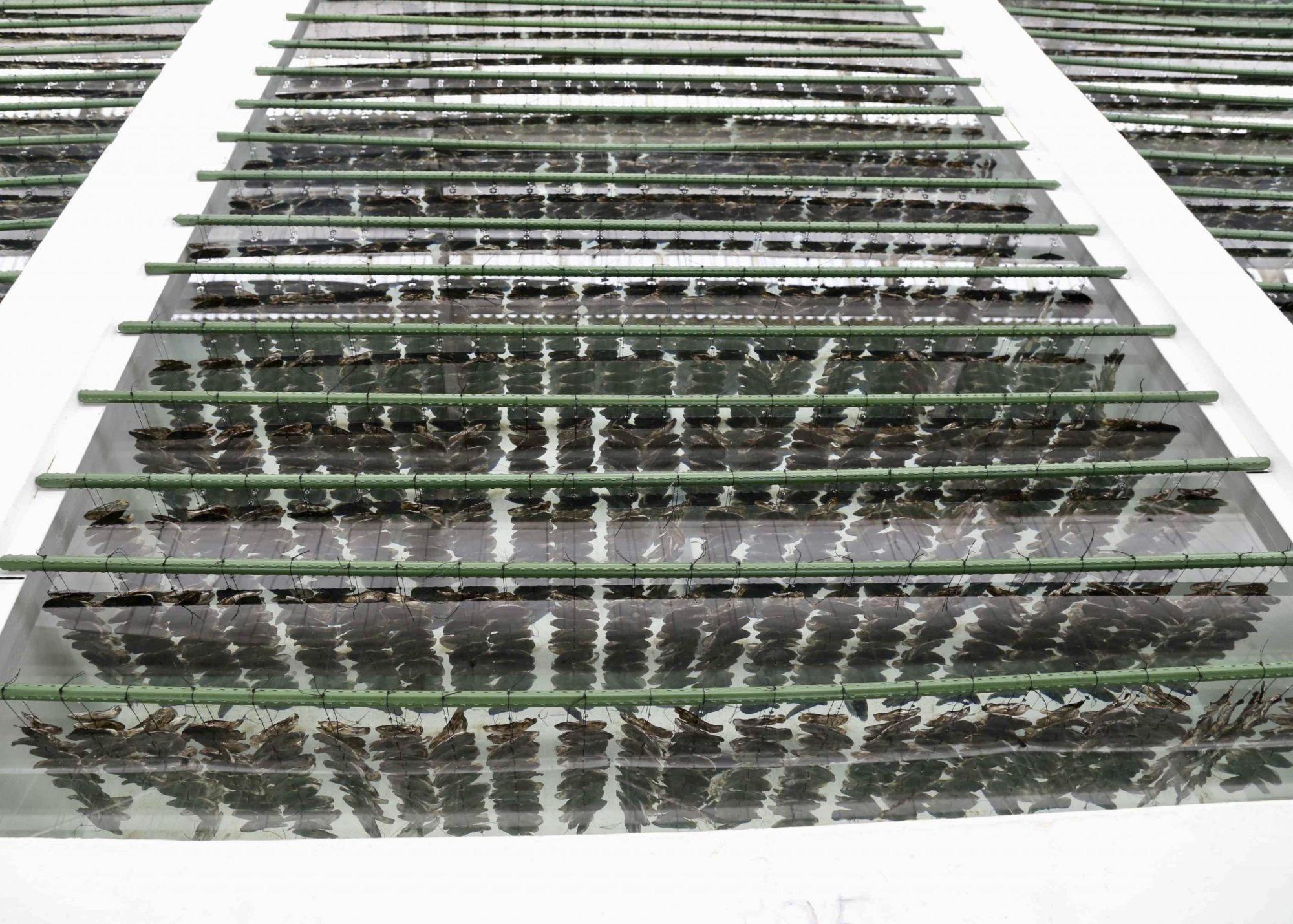
Conchocelis culture at the National Institute of Fishery Sciences in South Korea. (Photo courtesy by Dr Heo JS)
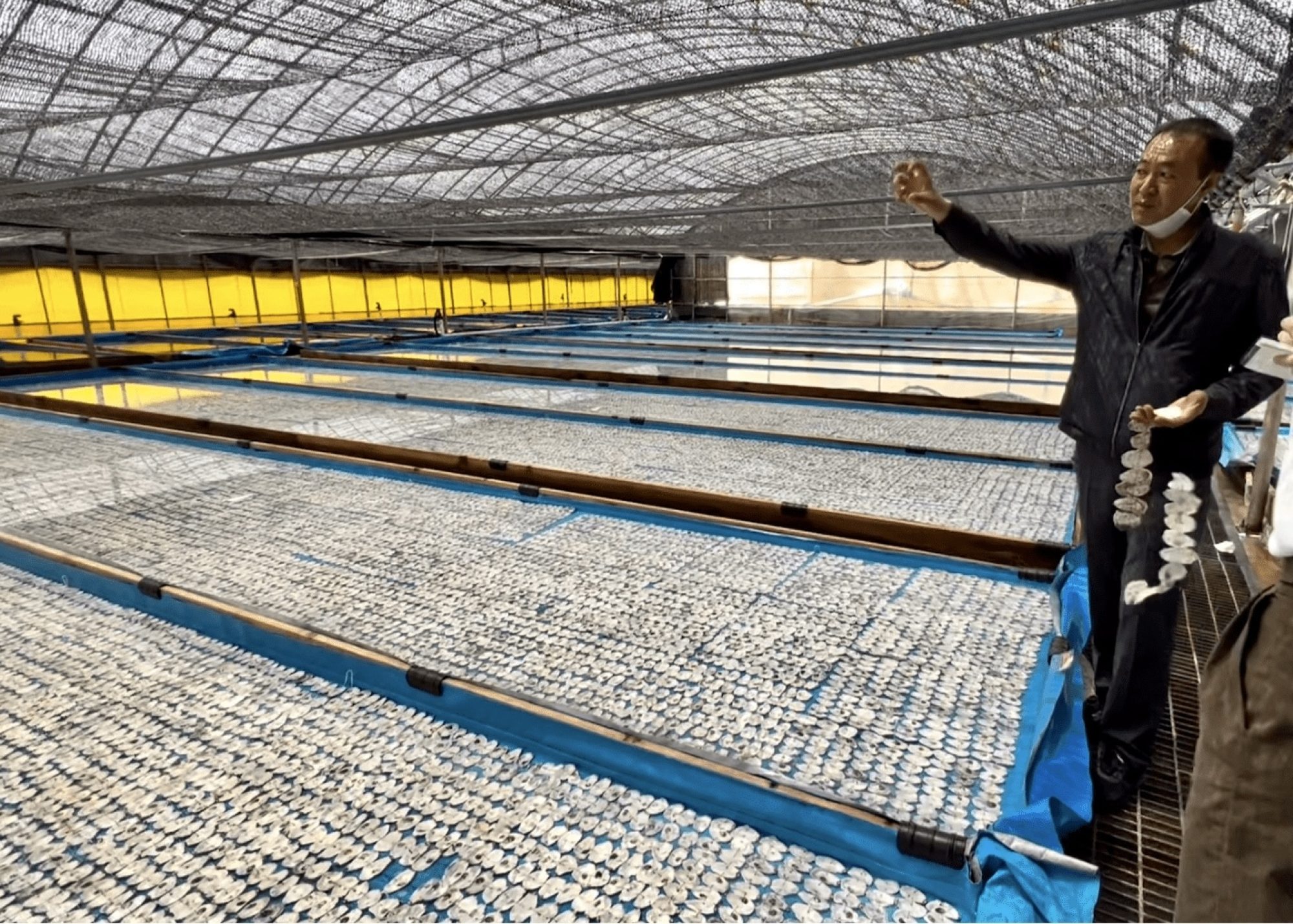
Conchocelis culture in oyster shells at commercial hatchery in South Korea.
Conchocelis culture in oyster shells at commercial hatchery in South Korea. (Photo courtesy by Dr Hwang EK)
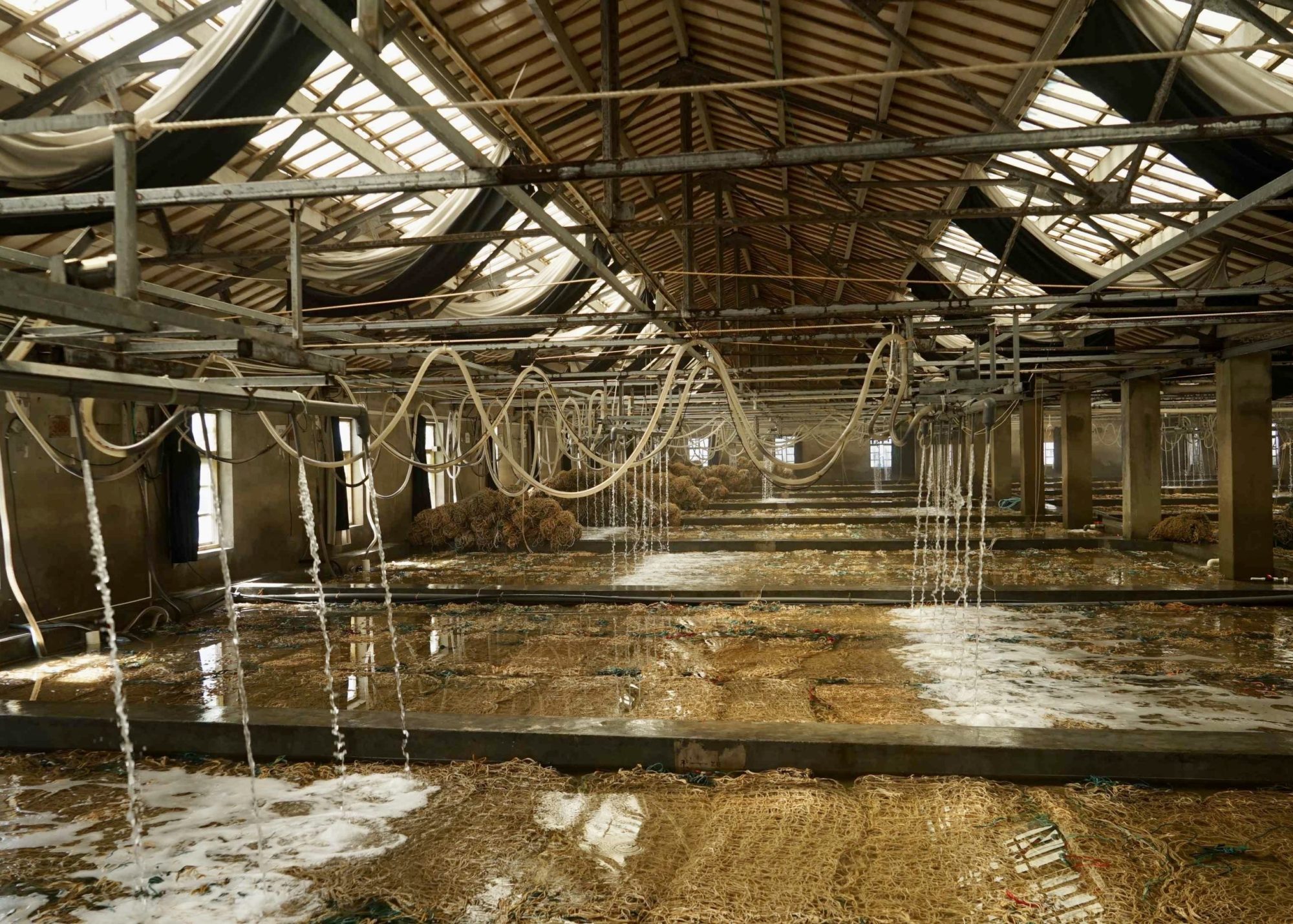
Seed collector in Jiantsu, China. (Photo courtesy of Li-En Yang)
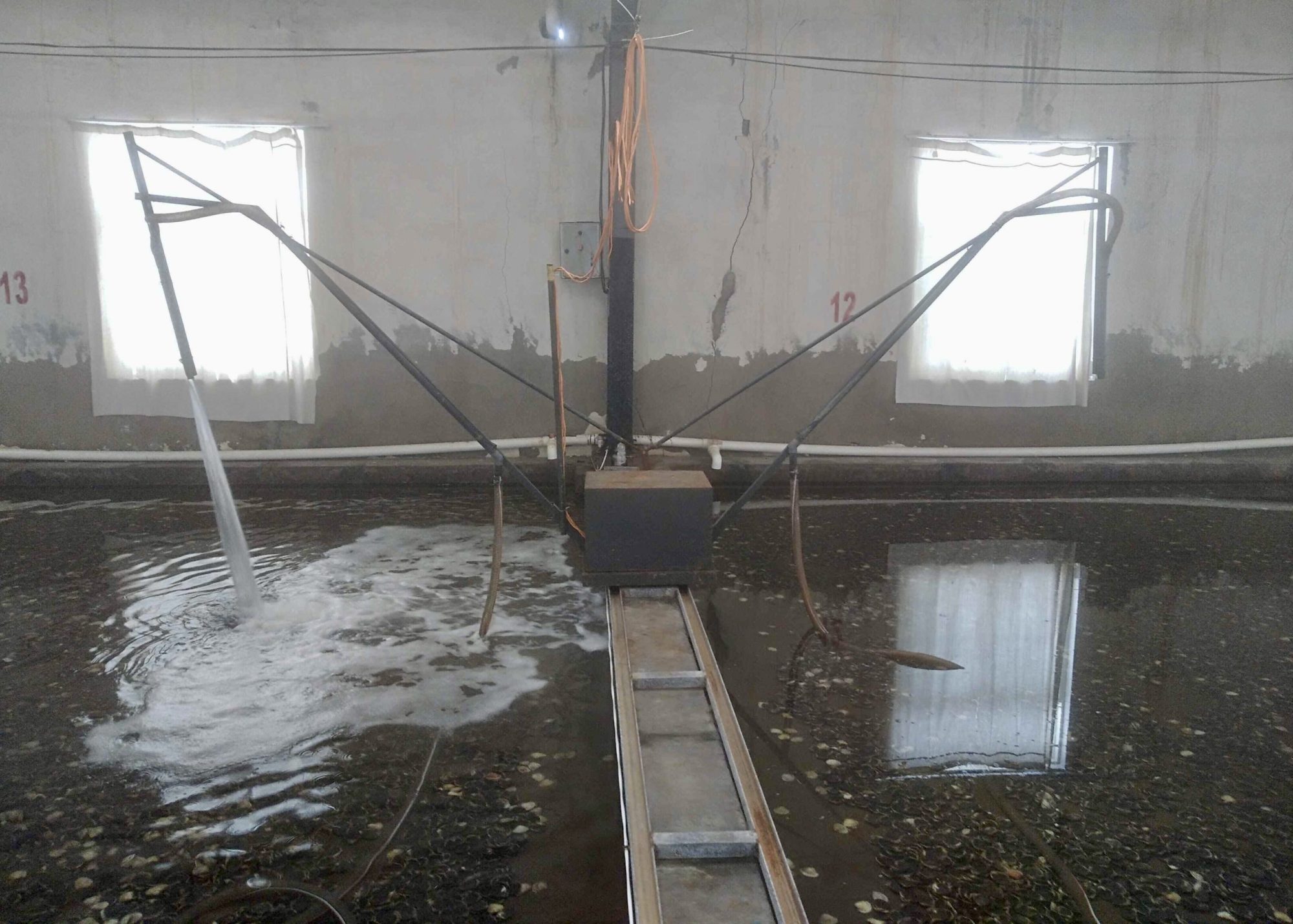
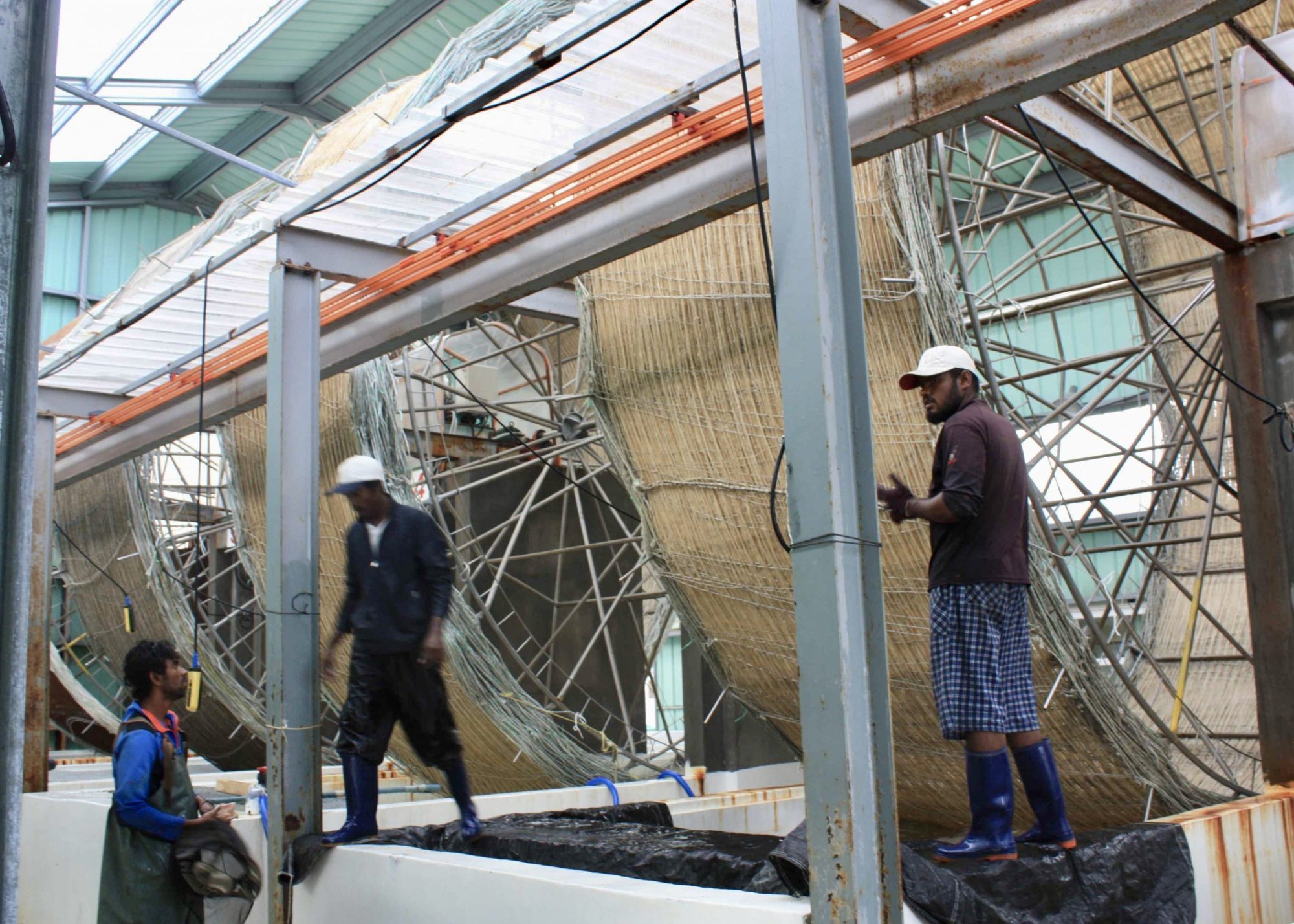
Indoor seeding with big wheel at commercial hatchery in South Korea. (Photo courtesy by Dr Hwang EK)

The actual seeding of Pyropia takes place between September and October, where the artificially cultivated Pyropia spores are attached to the cultivation nets using different methods, either indoors or outdoors. 


The indoor seeding method uses a large wheel that rotates cultivation nets through the spore tank, so the spores can attach on the net substrate.


In the outdoor method, the nets together with the seed material are placed in large plastic bags and moved out to sea. This method is much more weather dependent and uncontrolled, however it requires much less land-based infrastructure and is therefore more widely practiced.
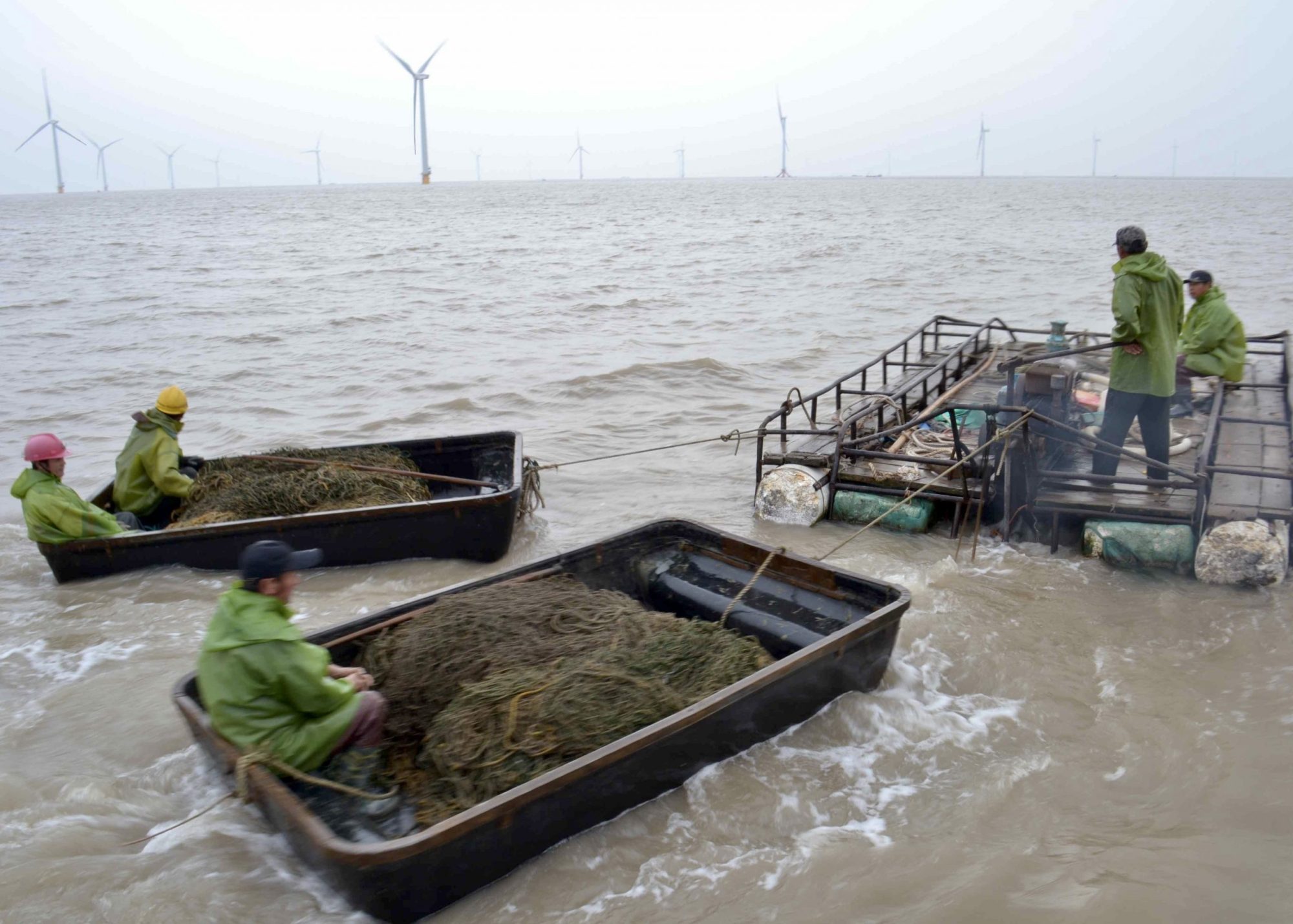
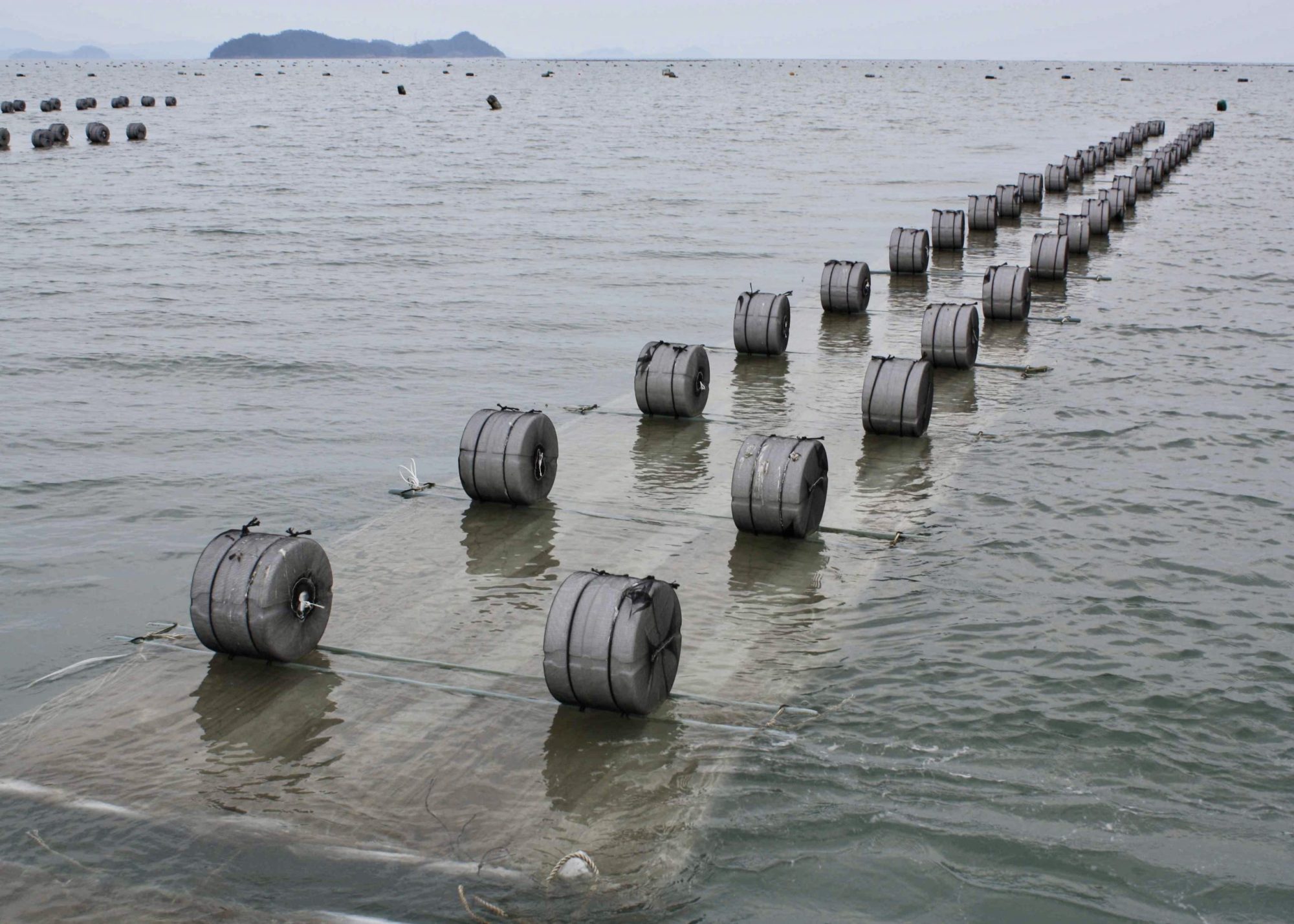
Deploying seeded nets at sea in Jiangsu, China. (Photo courtesy of Li-En Yang)
Outdoor seeding in South Jeolla Province, South Korea. (Photo courtesy of Dr Hwang EK)

In a nursery location at sea, the grow out nets will be placed for 2-3 weeks to grow the Pyropia ‘leaves’ up to 5 mm and then relocated to the dedicated farm site. A similar nursery stage can also be carried out on land in a concrete basin with seawater, which requires a lot of space.


Another common method is to freeze the seeded nets at -20°C to deploy them at sea again at a later stage (even after several months). This not only extends the season, but also reduces the risk of diseases and is said to improve the quality of the final product. 

In China, (Jiantsu and Shandong region) large farming companies typically operate their own hatcheries. In the South, Fujian, where smaller farms dominate, this process is done by external seed companies.

In South Korea there are more than 160 specialised companies producing the material for Pyropia seeding (data from the Korea Maritime Institute, 2019). This is made up of oyster shell bearing conchocelis and sold in boxes to the farmers.

In Japan, seeding is either done by government run regional seed centres or the farmers’ cooperatives themselves.  

Previous
Next
Seaweed

Contact us:

info@hatch.blue
www.hatch.blue

Copyright © 2026 Hatch Blue Limited. All rights reserved.

  • Terms and conditions
  • Privacy policy

Hatch Blue is a global impact business focussed on farmed and alternative seafood. Hatch Innovation Services is the consultancy arm of Hatch, advising corporates, investors and governments on innovation and investment projects in the global aquaculture industry.

For our Shrimp Farming Insights visit: www.shrimpfarm.tech.