Gracilaria Sales
East & South-East Asia
Overview
based on 5 interviews conducted across 2 major producing regions in 2 countries
In Indonesia, all farmed Gracilaria is destined for the food industry and will be processed into agar. Therefore, almost all raw dried Gracilaria is sold through local trade networks.
In China, 70% of Gracilaria is farmed for abalone feed and is sold directly to abalone farmers. The remaining 30% is dried and sold to national processors that produce agar.
Point of sales
In Indonesia, the farm gate price for Gracilaria depends on its quality when dried, its variety and the farm location. Gracilaria from sea cultivation usually gets a price premium of 25% when compared to Gracilaria from brackish water ponds.
If the farmer doesn’t have any outstanding loans or commitments with a local collector, he can sell his seaweed to anyone. In Indonesia, the sales process is usually informal and based on existing relations, so farmers would only sell to a maximum of 3-4 different collectors.
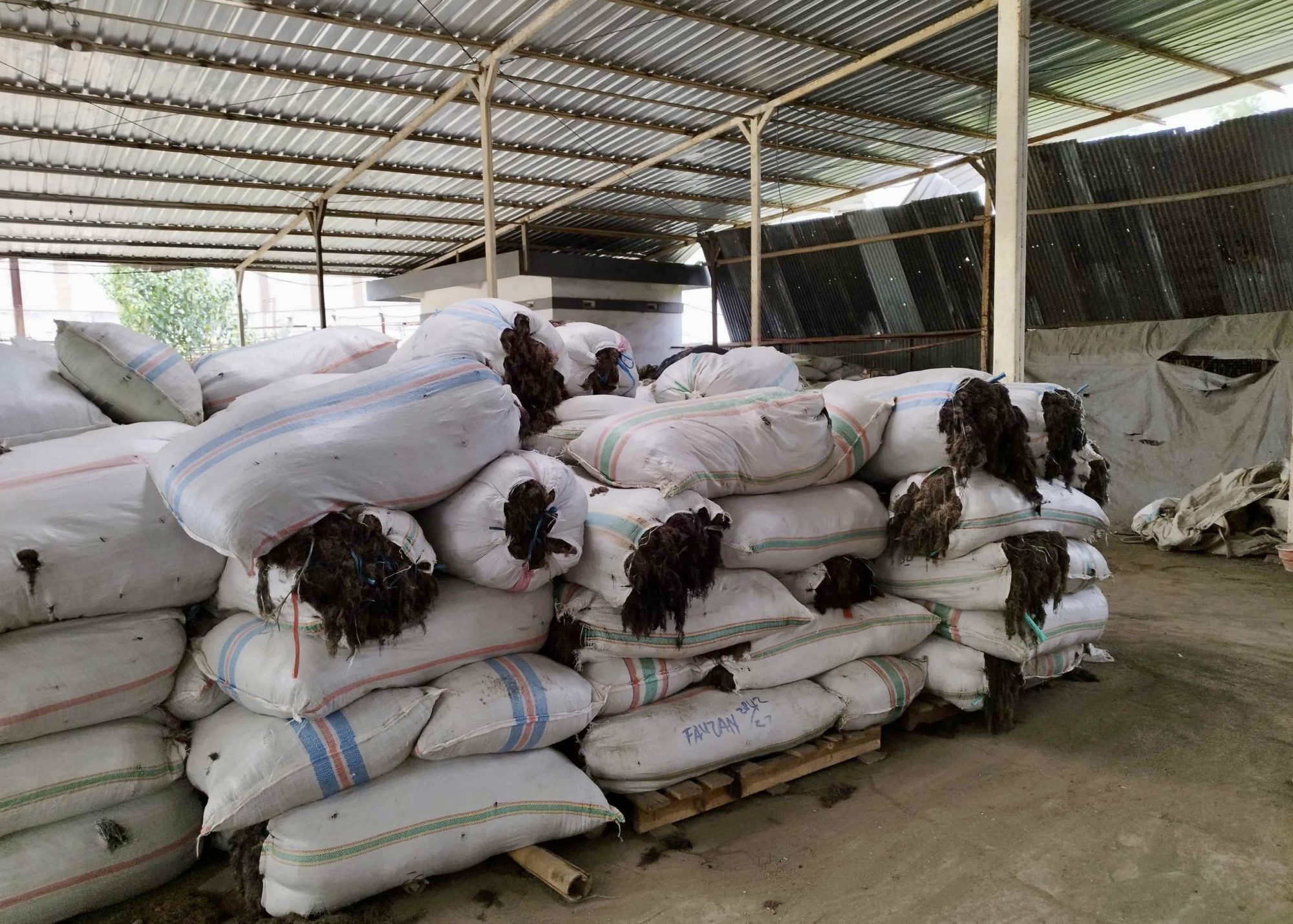
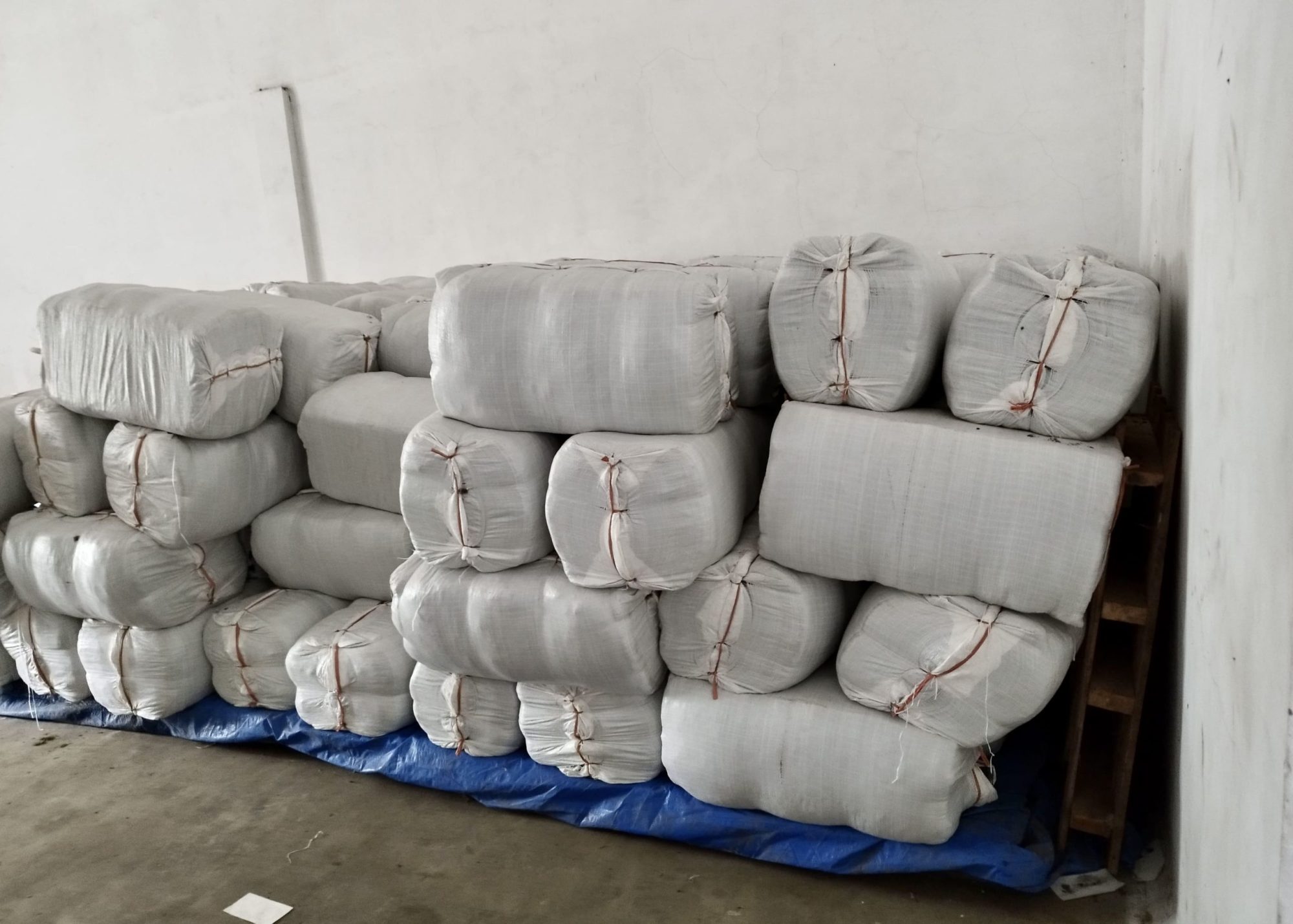
The point of sales is often at the drying platform, some aggregation point on the farm or at the farmer’s house. Here, the dried seaweed is packed into nylon sacks (these are the same across all three countries) from which they are sold. The weight of the bags can vary. Farmers don’t usually have a weighing scale, but local collectors would either bring one or weigh the sacks at the warehouse.
South America
Overview
Most farmed Gracilaria in Chile is sold dried, but some farmers sell it wet to avoid the effort of drying; this wet biomass is bought and processed by Algas Marinas, which prefers fresh seaweed to preserve valuable properties lost in standard drying processes.
While domestic agar extraction is the primary market, about 20% of farmed Gracilaria is also exported directly as raw material. A central challenge for the sector is maintaining competitiveness, as Chile's high-quality, high-cost agar must compete with cheaper, mass-produced alternatives from Asia. All farmed Gracilaria in Chile is destined for processing into agar.
Point of sales
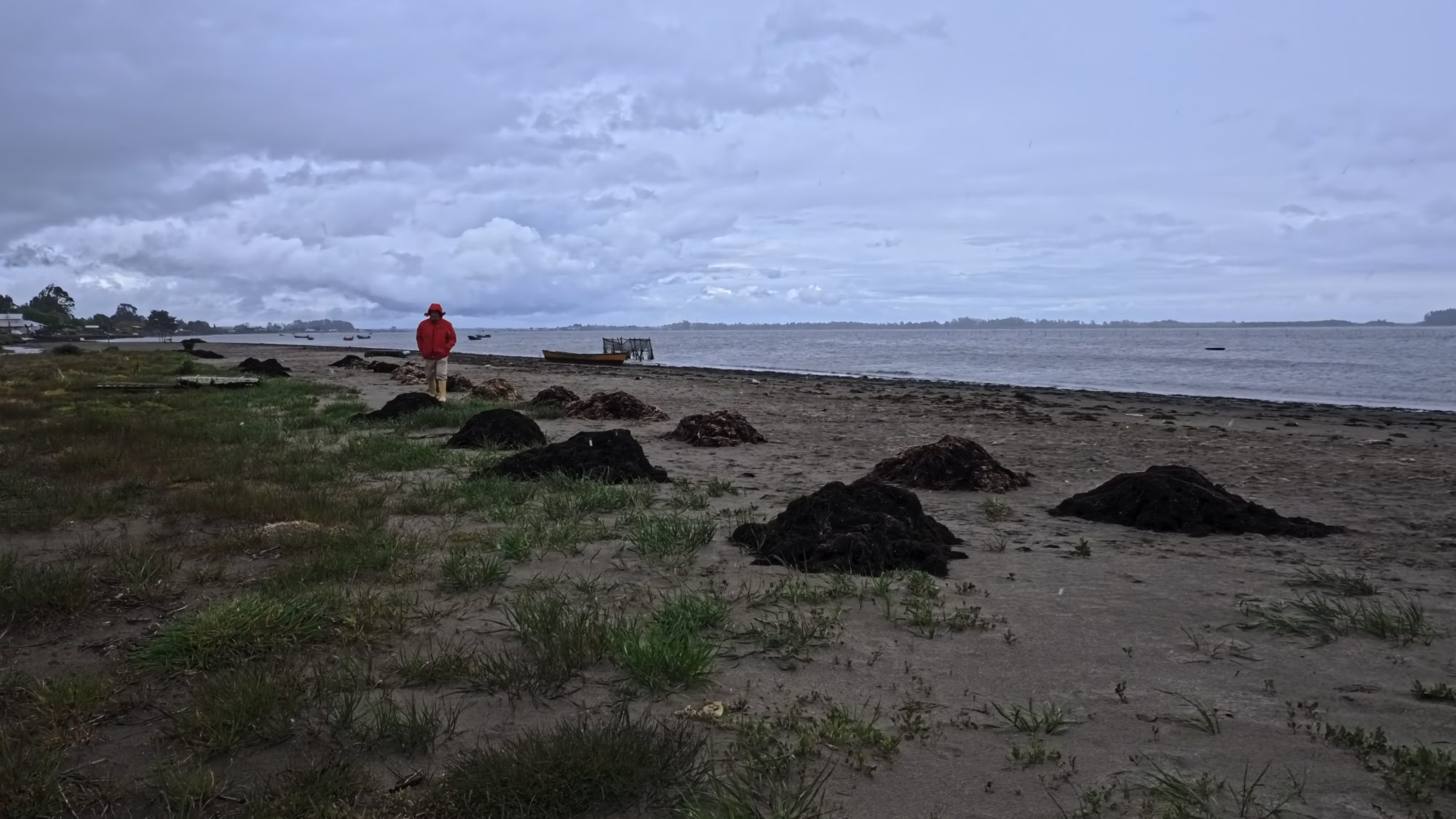
The most common point of sale in Chile for small-scale cultivators is at the farm site or the nearest beach, where they sell their product in sacks or bins at varying prices. Buyers are either local middlemen or agents from the major processing plant Algas Marinas or exporters. Larger volumes are sold directly to the processing plant, measured by the volume of the truckloads. This direct approach allows cultivators to bypass intermediaries and often secure a higher price, but it requires formal registration and the ability to transport significant volumes.
The market for Gracilaria is highly concentrated, with a dwindling number of buyers. The sales process is largely informal, relying heavily on pre-existing relationships and financial dependencies.
The value of dry kg Gracilaria has plummeted from approximately 1 USD in 1994 to less than 0.10 USD today. Prices are typically negotiated at the start of the season. The Chilean government provides a supplementary financial support mechanism to cultivators, buffering the low market prices. This offers direct support to registered cultivators or their syndicates, helping to bridge the gap between the market price and the actual cost of production. However, this system faces significant critique. While these subsidies offer temporary relief, they are not a sustainable solution. Many farmers abandon cultivation once they receive financial support, highlighting the need for a more robust and long-term strategy.
Aggregation
Aggregation is a critical step in Chile, as production is fragmented across hundreds of small concessions while processors require industrial-scale volumes. Intermediaries purchase algae at the farm site from numerous small producers and consolidate the harvest until they have a full truckload. While this system ensures volume for processors and exporters, it drives down the farm gate price for cultivators. These intermediaries are sometimes financially enabled by the large buyers, strengthening buyer control over the supply chain.
Alternatively, direct aggregation by cooperatives or syndicates, who could historically hold and auction their collective harvest for better prices, is now limited in major growing areas due to difficulties in social organisation and trust. A critical factor is legal documentation; without official permits and declarations to authorities like Sernapesca, cultivators are forced to sell to intermediaries who can handle the necessary paperwork.
Quality
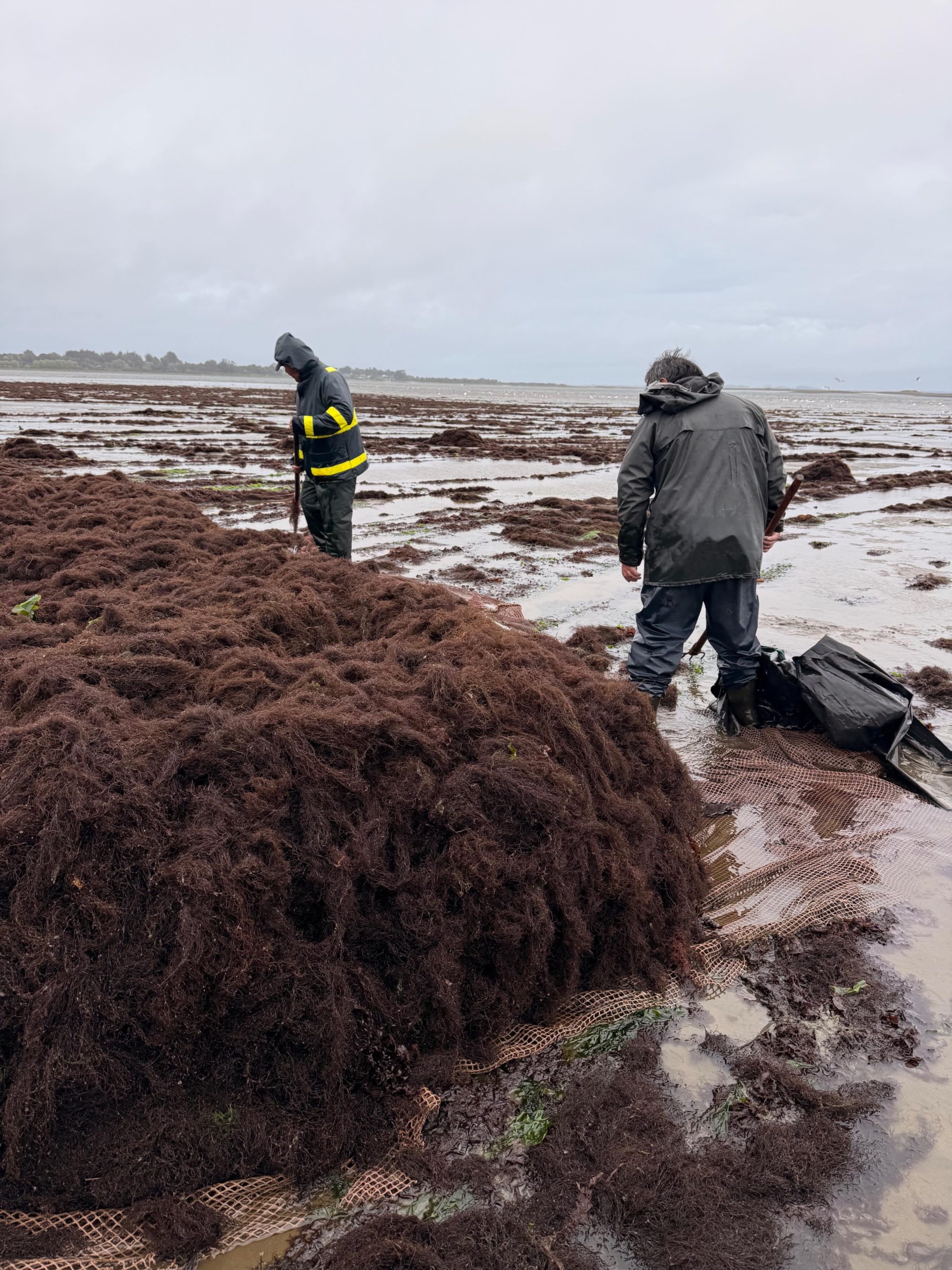
Quality is assessed at the point of sale and is a critical factor in determining price, with a focus on moisture content and purity. Gracilaria is sold in different states that directly impact its value, from wet to dry with a target moisture content of around 18%. The presence of impurities such as sand, mud, salt, or other algae like the epiphyte Rhizoclonium sp. significantly reduces quality and can render a harvest unsellable. Quality is primarily judged through visual inspection and touch at the farm gate, though processors conduct more rigorous laboratory tests for final agar yield and gel strength.