Seaweed
  • Species production
  • Regional production
  • About
  • Reports
  • en
  • es
  • pt
  • Species Production Overview
  • Eucheumatoids
  • Saccharina
  • Undaria
  • Pyropia
  • Gracilaria
  • Macrocystis
  • Global Production Overview
  • East Asia
  • South East Asia
  • Central America & Caribbean
  • South America
  • Species production
    • Species Production Overview
    • Eucheumatoids
      • Production Overview
      • Site selection
      • Farm design
      • Seeding
      • Grow out
      • Harvest
      • Post harvest
      • Sales
      • The farmer
      • Future of farm
    • Saccharina
      • Production Overview
      • Site selection
      • Farm design
      • Seeding
      • Grow out
      • Harvest
      • Post harvest
      • Sales
      • The farmer
      • Future of farm
    • Undaria
      • Production Overview
      • Site selection
      • Farm design
      • Seeding
      • Grow out
      • Harvest
      • Post harvest
      • Sales
      • The farmer
      • Future of farm
    • Pyropia
      • Production Overview
      • Site selection
      • Farm design
      • Seeding
      • Grow out
      • Harvest
      • Post harvest
      • Sales
      • The farmer
      • Future of farm
    • Gracilaria
      • Production Overview
      • Site selection
      • Farm design
      • Seeding
      • Grow out
      • Harvest
      • Post harvest
      • Sales
      • The farmer
      • Future of farm
    • Macrocystis
      • Production Overview
  • Regional production
    • Global Production Overview
    • East Asia
    • South East Asia
    • Central America & Caribbean
    • South America
  • About
  • Reports
Seaweed
  • en
  • es
  • pt
  • Production Overview
  • Site selection
  • Farm design
  • Seeding
  • Grow out
  • Harvest
  • Post harvest
  • Sales
  • The farmer
  • Future of farm

Pyropia Post harvest

Table of contents
  • East Asia
    1. Overview

    2. Processing

East Asia

Overview

The water content of Pyropia biomass is extremely high. Consequently, processing needs to take place as soon as possible to avoid spoilage, which usually occurs after 24 hours.
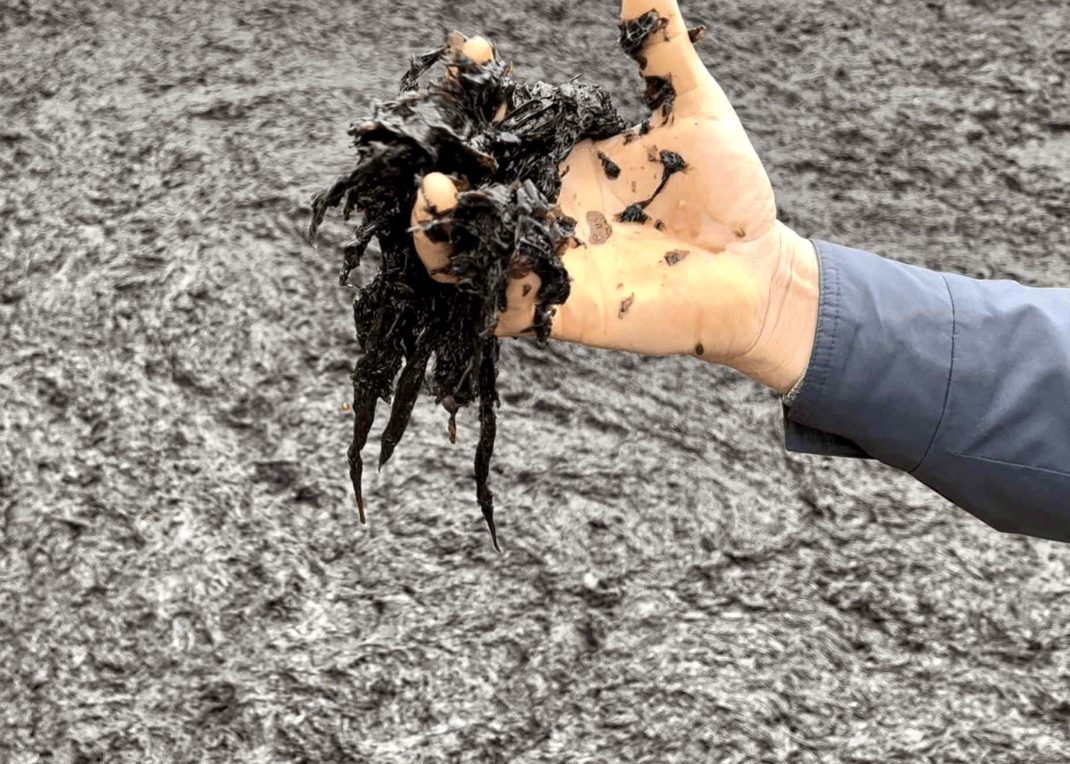
 

The wet biomass needs to be processed as fast as possible (under 24h). During winter months , when the days are cooler, short term storage for 2-3 days is also possible.

Processing

Dry sheet production

The freshly harvested Pyropia biomass will go through several washing processes before it is cut, softened and turned into flakes, then dehydrated, dried, graded and finally packaged.
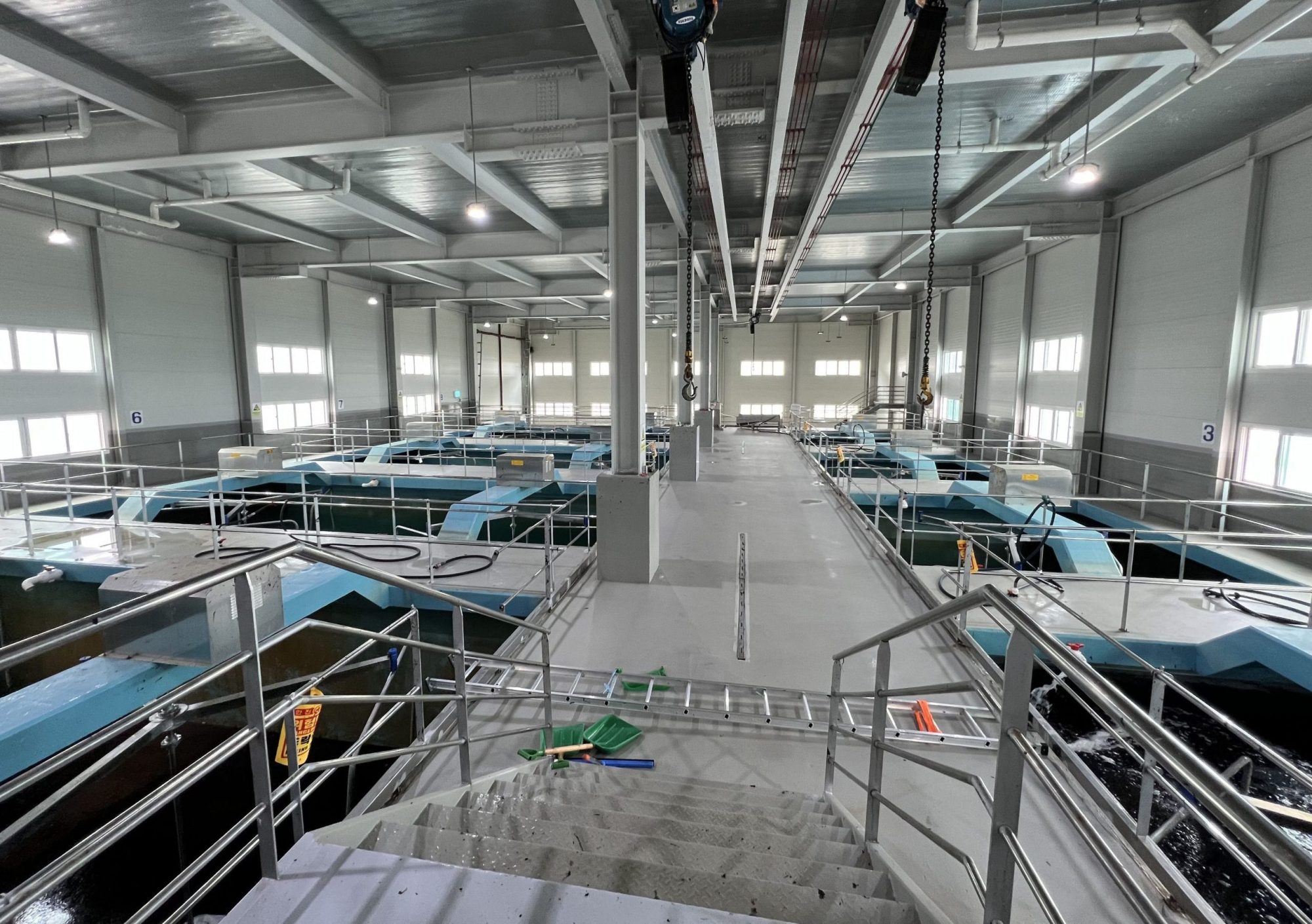
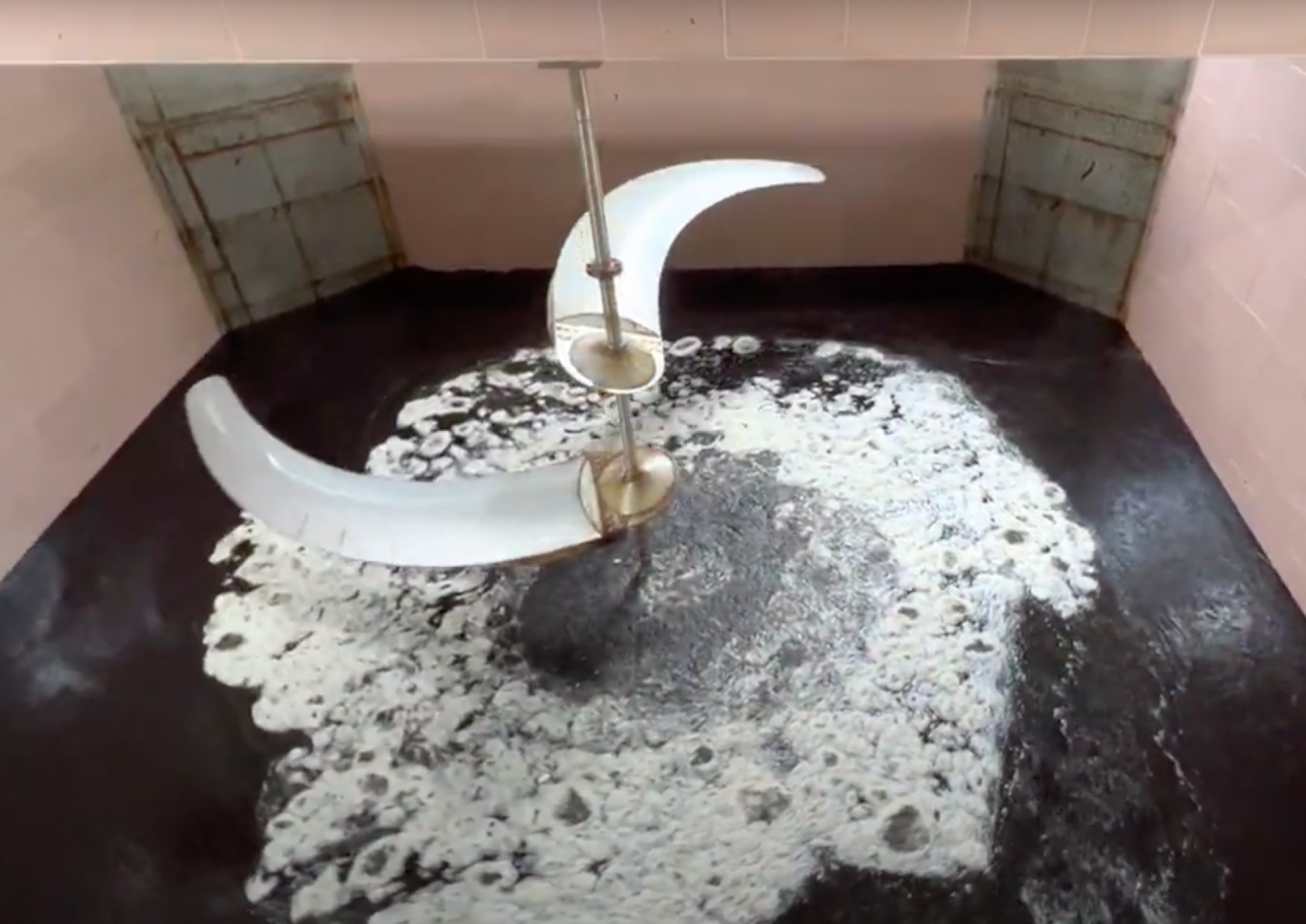
Mid-sized processing plant in Jindo, South Korea.
Washing is the first step for fresh biomass at every processing facility.

During the production process approximately 24~30 grams biomass will be turned into a 2.4~3.0 gram sheet, thus we speak of a conversion ratio of 10% from fresh biomass to dried sheet output. The main quality parameters are the colour, taste and that the sheet has no holes.


In Korea, the production unit of dried seaweed is sold in 100 sheets (called as 1 Sok). According to Korean National technical standards (KS), the weight of 100 sheets of dried laver is 240-300g depending on the species of laver, and the weight of one sheet is 2.4-3.0g. The moisture content of dried laver is less than 14%, and in the case of twice-roasted laver, it is less than 7% (CODEX standard by CODEX Alimentarius 2017).


CODEX standard is an international food standard for Pyropia proposed by Korea, and this standard has been adopted as an international standard.
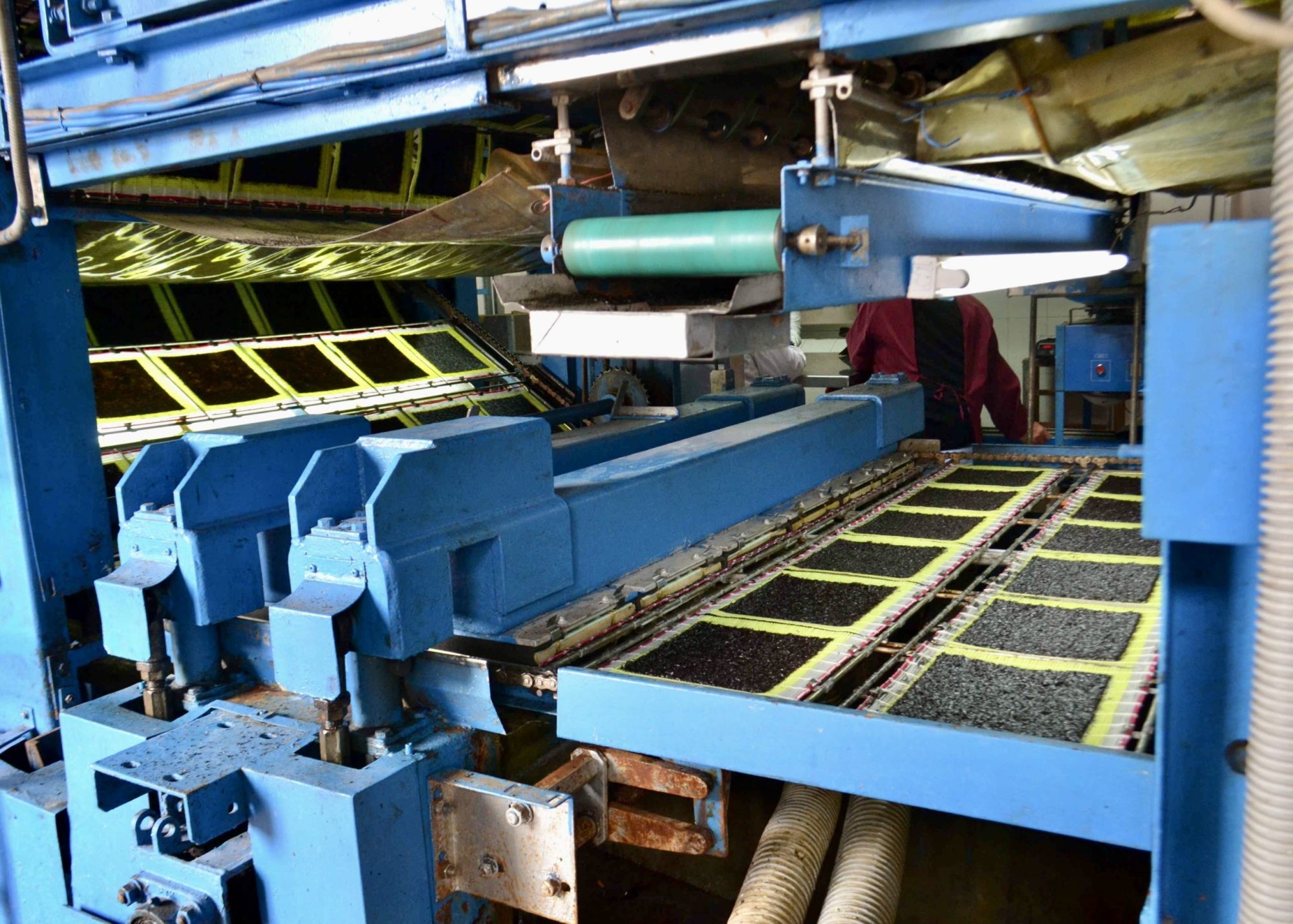
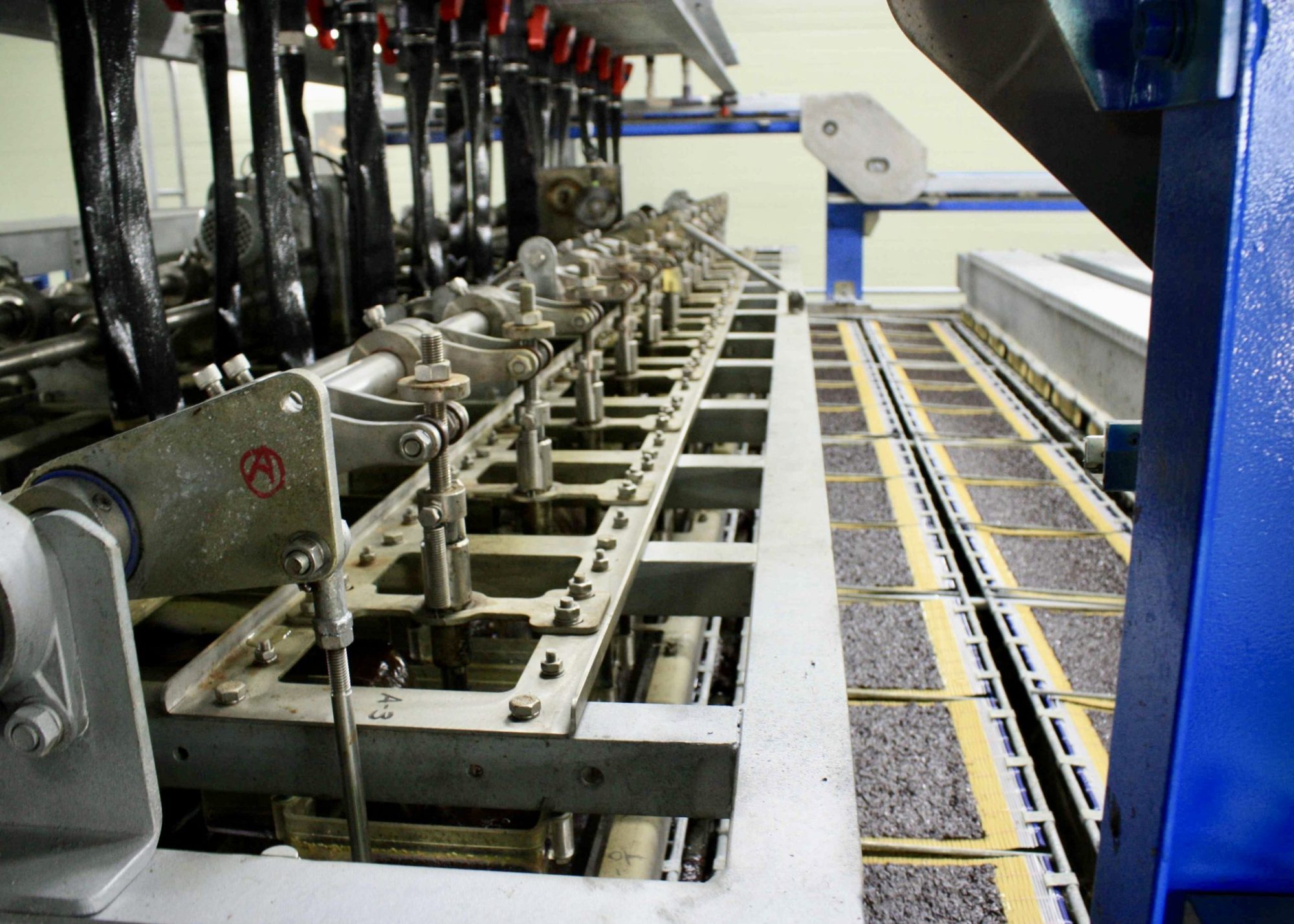
Machine drying of Pyropia into standard sheets in South Korea.
12 sheets per row in South Korea. (Photo courtesy of Dr Hwang EK)

In China, the farming company also handles primary processing into standard dry sheets. The typical capacity of such processing facilities is 7,200 sheets per hour.


In South Korea, primary processing is in many cases not done by the farmer, but carried out by dedicated processing companies that buy the fresh biomass from the farmers at the port auction. A typical processing facility has a capacity of 24,000 sheets per hour.


In Japan, primary processing is handled by the farmers themselves. According to the Japanese fishery statistics, the production volume (fresh weight) of Nori is calculated from the number of dried sheets, but the conversion rate varies in each prefecture. Usually each farmer has a small facility to produce dried Pyropia sheets, with a typical capacity of 8,000 sheets per hour. 

Previous
Next
Seaweed

Contact us:

info@hatch.blue
www.hatch.blue

Copyright © 2026 Hatch Blue Limited. All rights reserved.

  • Terms and conditions
  • Privacy policy

Hatch Blue is a global impact business focussed on farmed and alternative seafood. Hatch Innovation Services is the consultancy arm of Hatch, advising corporates, investors and governments on innovation and investment projects in the global aquaculture industry.

For our Shrimp Farming Insights visit: www.shrimpfarm.tech.