Gracilaria The Farmer
East & South-East Asia
Overview
based on 5 interviews conducted across 2 major producing regions in 2 countries
Farmers
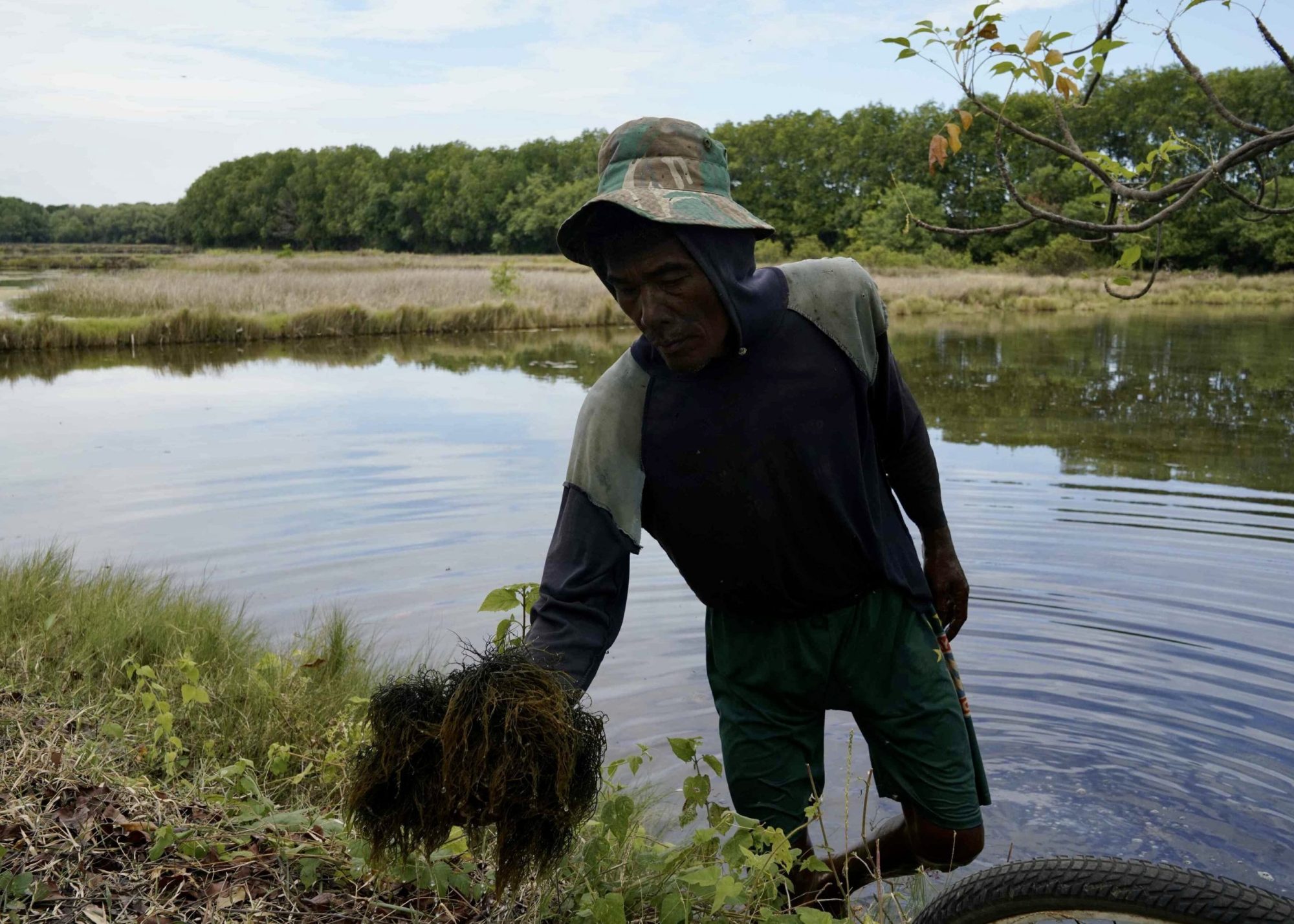
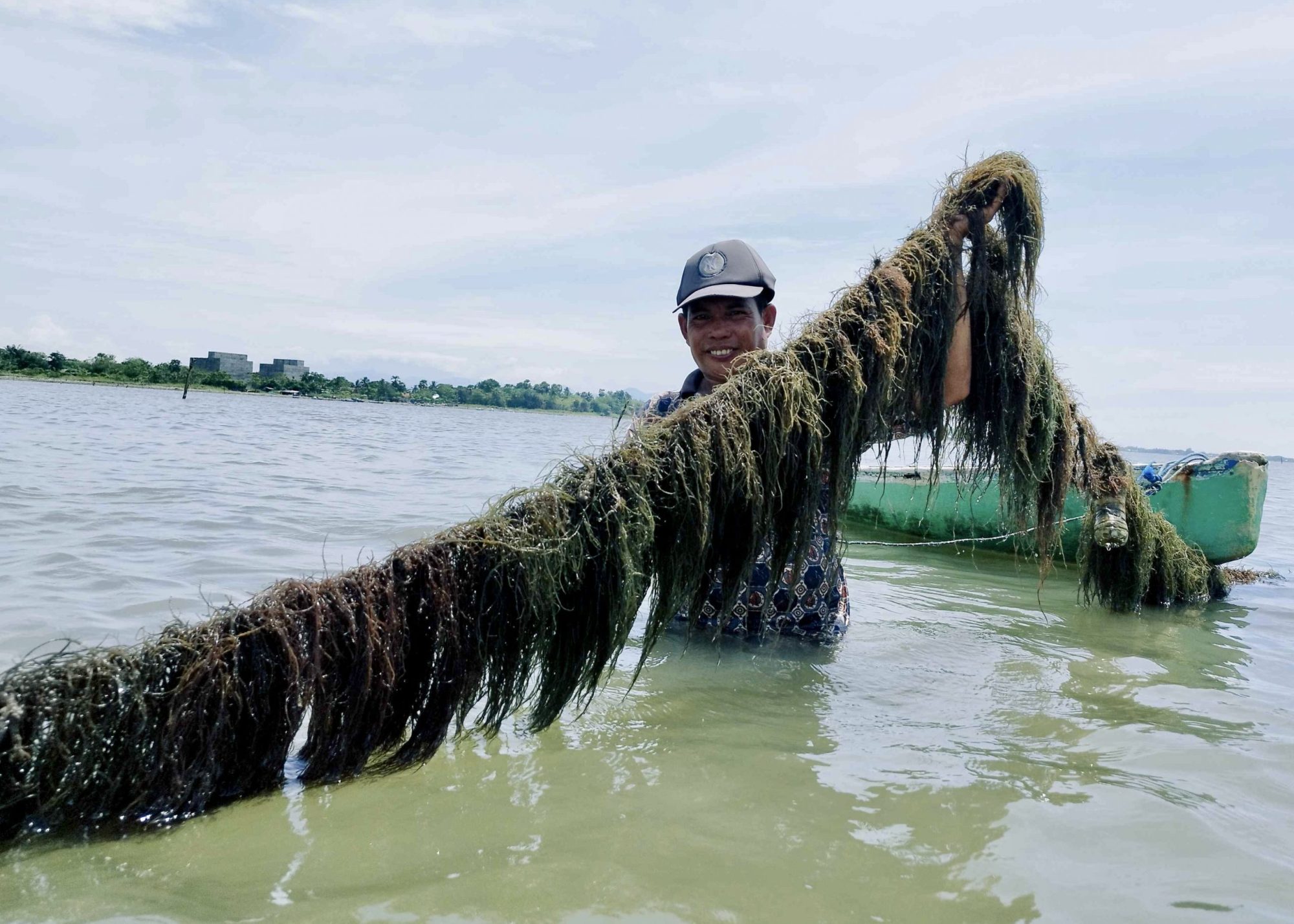
Most of the farmers we met in Indonesia had been cultivating Gracilaria, milk fish and shrimp in brackish water ponds in Maros district, South Sulawesi. They have been living in the pond or coastal areas for many years, but do not own their farm sites. They are usually trusted to manage the ponds by a landlord who is living in Makassar or a different city and operate with a profit sharing model.
South America
Overview
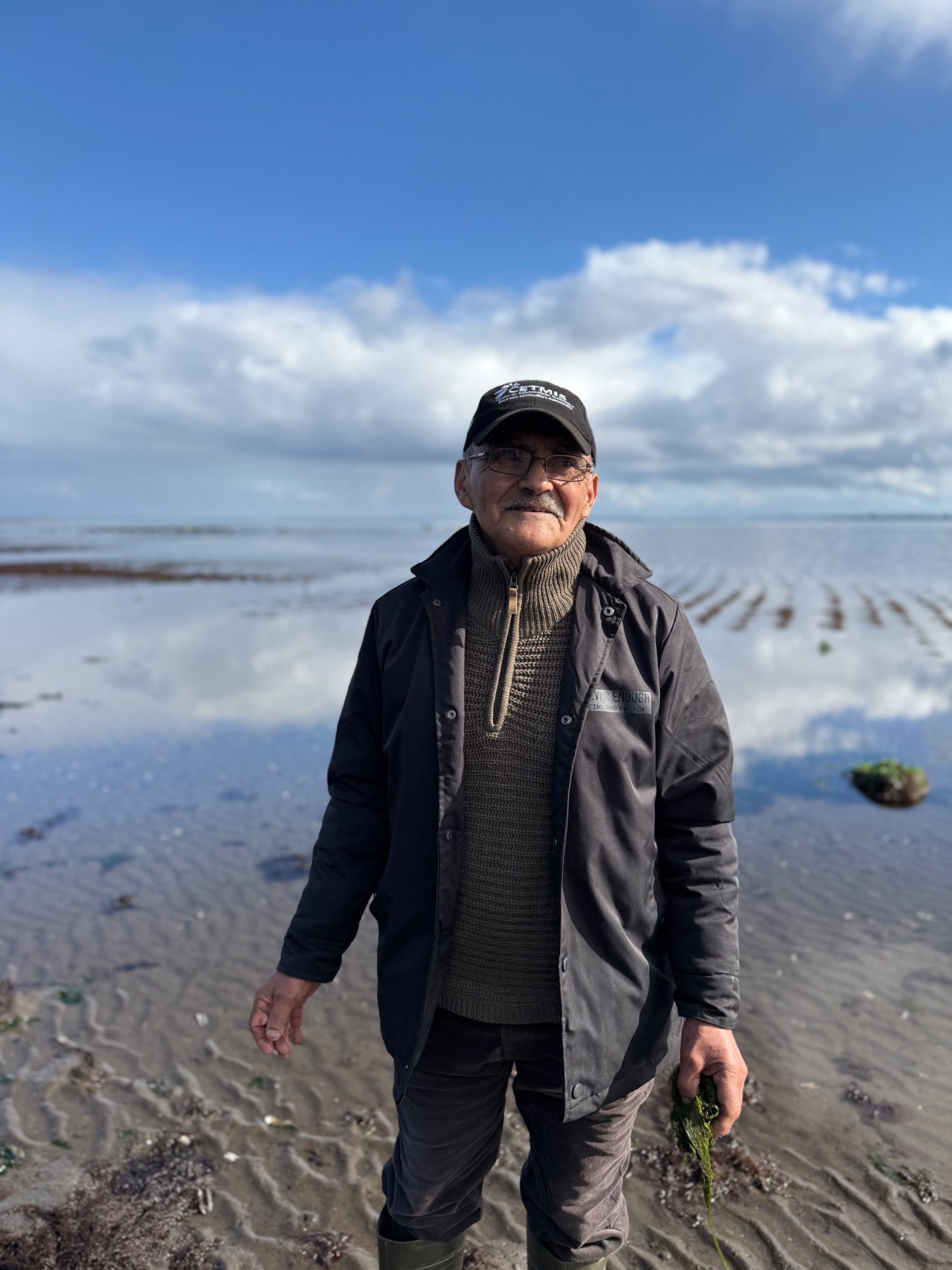
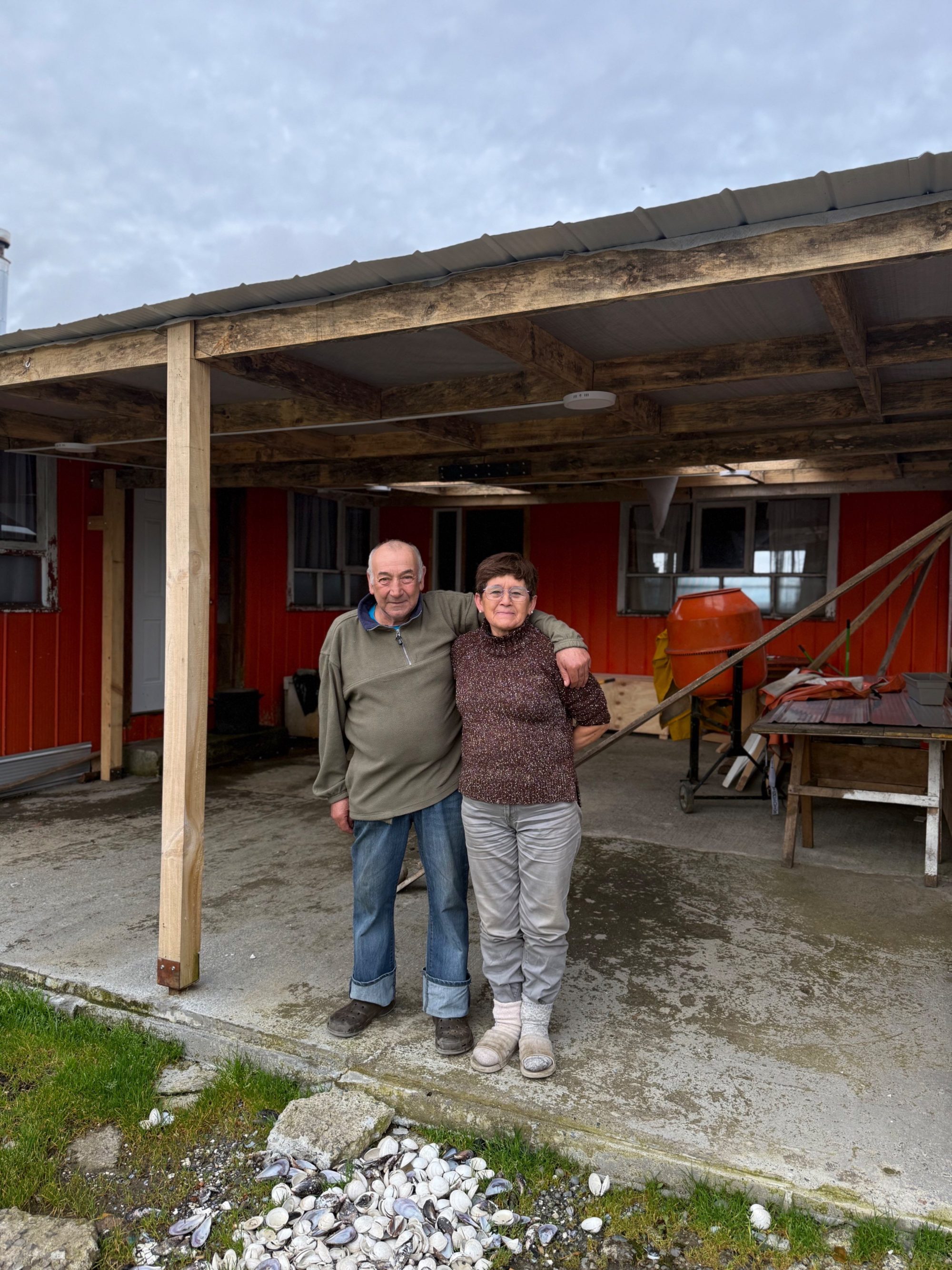
Farmers
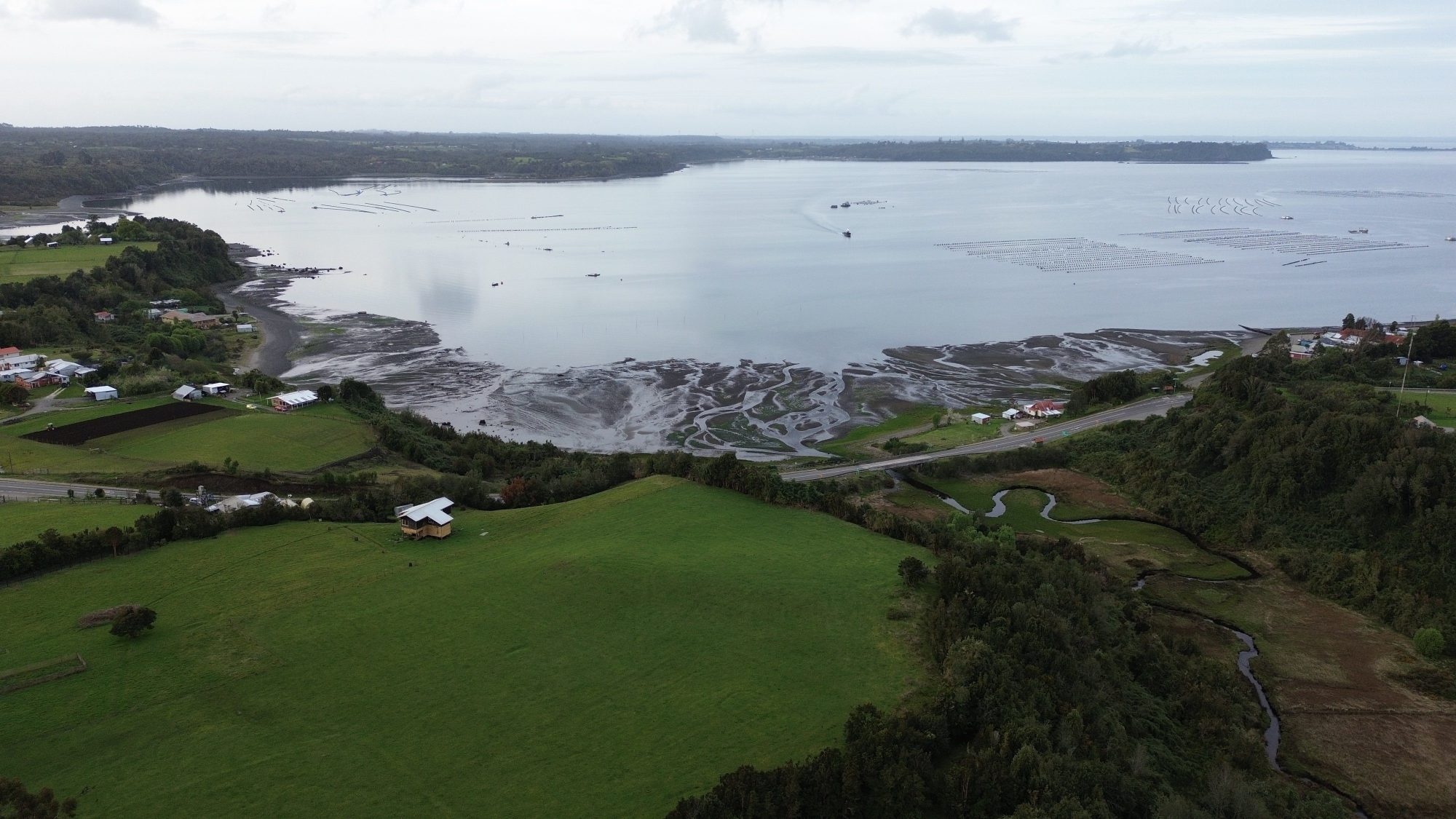
The cultivation of Gracilaria chilensis, known locally as "pelillo," represents Chile's most significant farmed macroalgae farming. Coastal communities in Chile's Los Lagos region have built their livelihoods around pelillo cultivation since the industry's expansion during the 1980s, with many families in areas like Maullín having relocated specifically to engage in this activity.
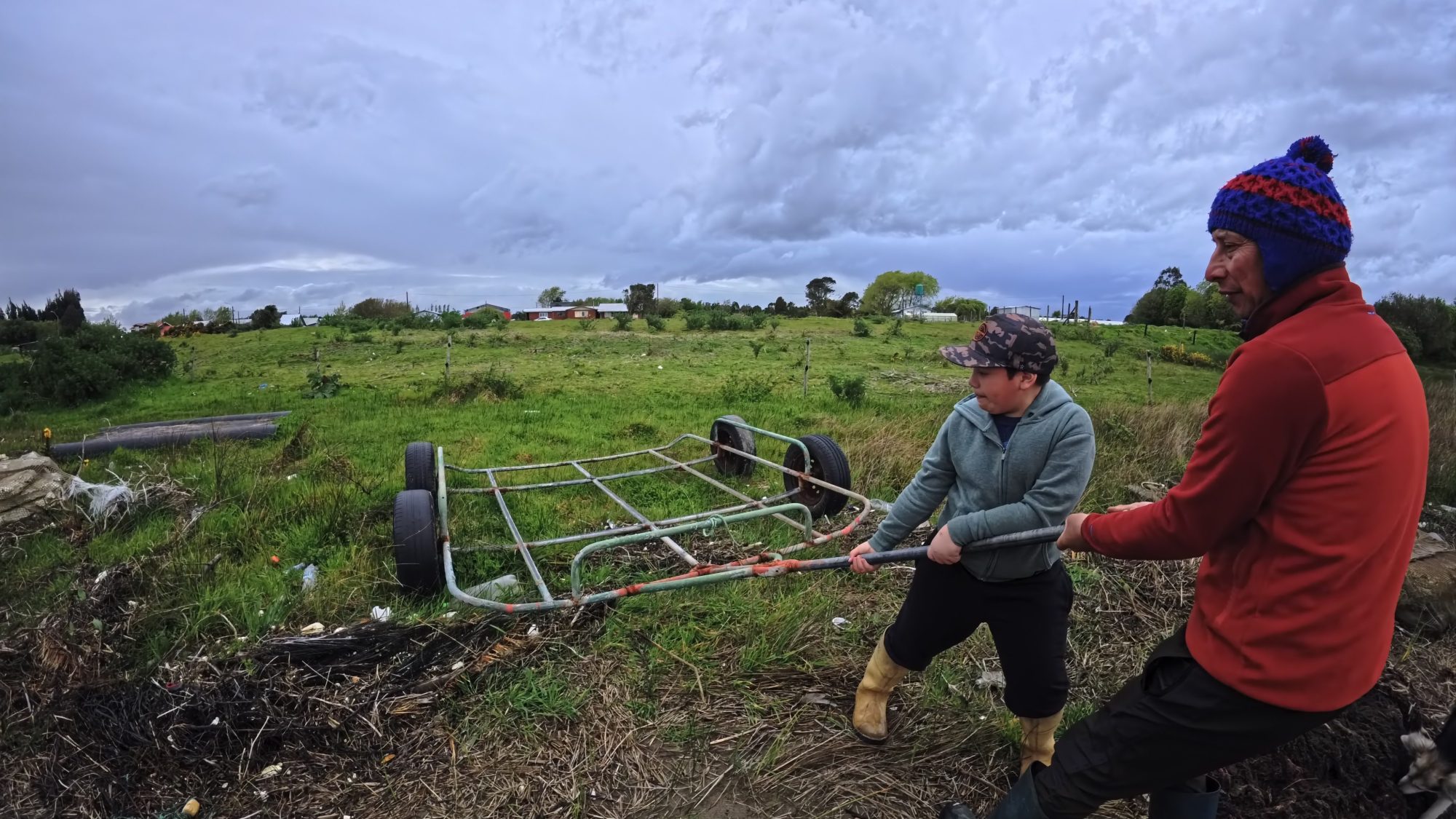
Farmers typically manage their operations as family enterprises, working small state-granted aquaculture concessions while frequently participating in larger fishing syndicates that hold collective cultivation rights. Tasks are physically demanding and often compensated through daily wages or task-based payments, with labor drawn primarily from immediate family members. The physically accessible nature of nearshore cultivation allows older community members to remain active, with many principal farmers belonging to an aging workforce that has sustained this practice for decades.
This shift offered a predictable harvest cycle using relatively straightforward technologies, creating an important economic alternative to traditional fishing. Households frequently supplement their seaweed-based earnings through artisanal shellfish harvesting, small-scale livestock raising, or occasional work in other sectors like transportation, maintaining a diversified subsistence economy. Under favorable conditions, a well-managed concession can provide essential household income, though market volatility often constrains its potential to lift families significantly above poverty levels. Nevertheless numerous current farmers previously worked in the salmon industry but transitioned to seaweed cultivation seeking greater autonomy and family integration.
The economic significance of this activity is evident in coastal settlements, where past prosperity funded community improvements like medical stations and public lighting, though current challenges limit further investment. Many producers have historically directed additional income from seaweed harvests toward educational advancement, with numerous farmers proudly noting their children's university attendance as a key achievement.
Practical understanding of cultivation methods is traditionally shared across generations through daily collaboration, though this transfer faces uncertainty as younger family members increasingly seek alternative professions outside coastal communities. Chilean government initiatives and organisations like Fundación Chinquihue provide technical training and support, while academic institutions contribute research on sustainable practices and plague management, creating a framework of external assistance for this foundational coastal industry. This includes policy tools like the Bonification Law for Algae Repopulation and Cultivation (2016), which subsidizes small-scale producers but has faced questions regarding its long-term impact.