Saccharina Sales
East Asia
Overview
Deployment and harvest time plays a significant role in seaweed quality and the final price. The wet-to-dry-weight ratios can change significantly from month to month.
Point of sales
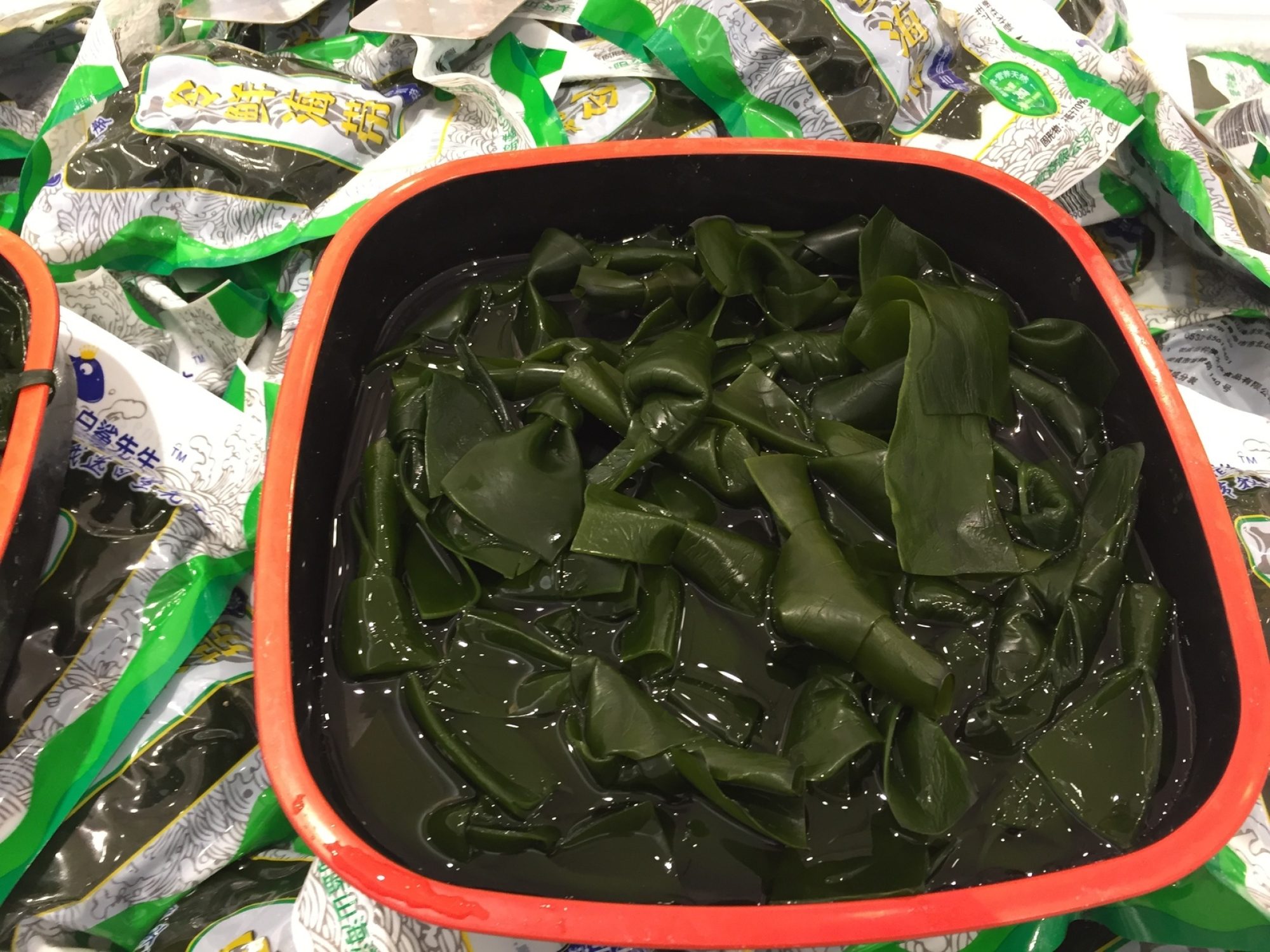
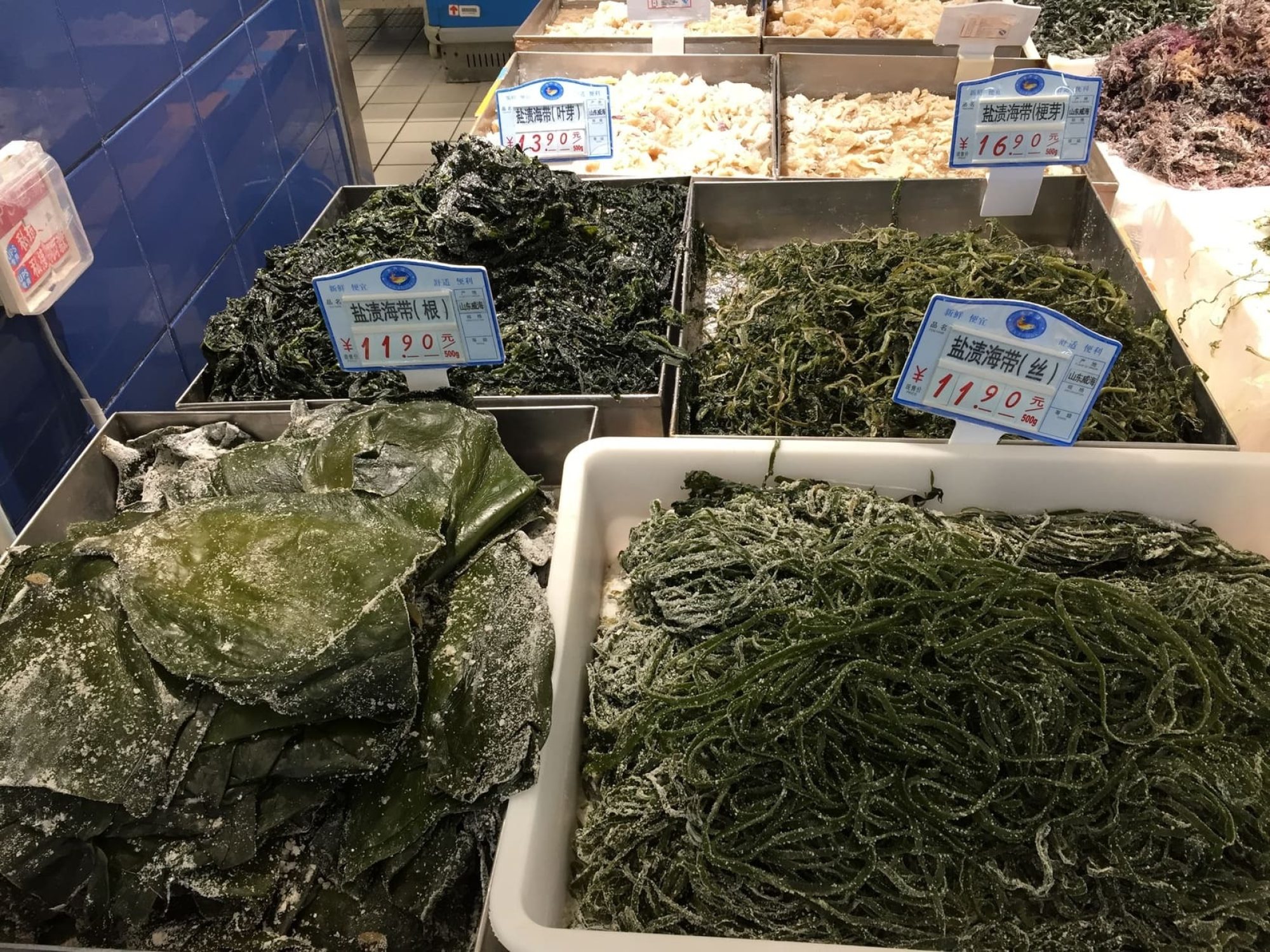
(Picture courtesy of Innovation Norway China)
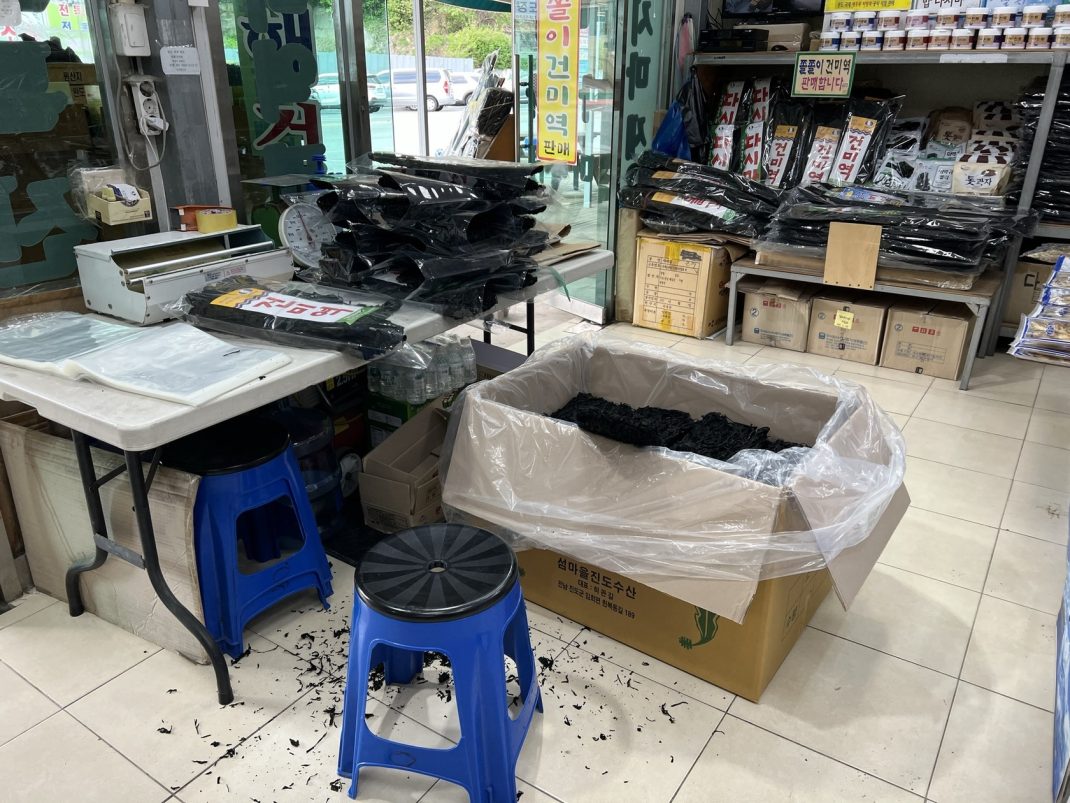
In South Korea, farmers sell their dry seaweed either at auctions or directly to processors. 70% of the Saccharina in South Korea is sold fresh to neighbouring abalone farms as feed. When Saccharina is sold to abalone farms, usually the abalone farmer picks up the entire line, transports it to the abalone cages and pays per line.
One farm we visited in South Korea was producing a variety of species, including Saccharina exclusively for marine restoration/reforestation purposes. Certifications are not very common for the farmers.
In South Korea, some farmers had received ASC-MSC certification, however they complained that they have not seen any market upside from it so far.
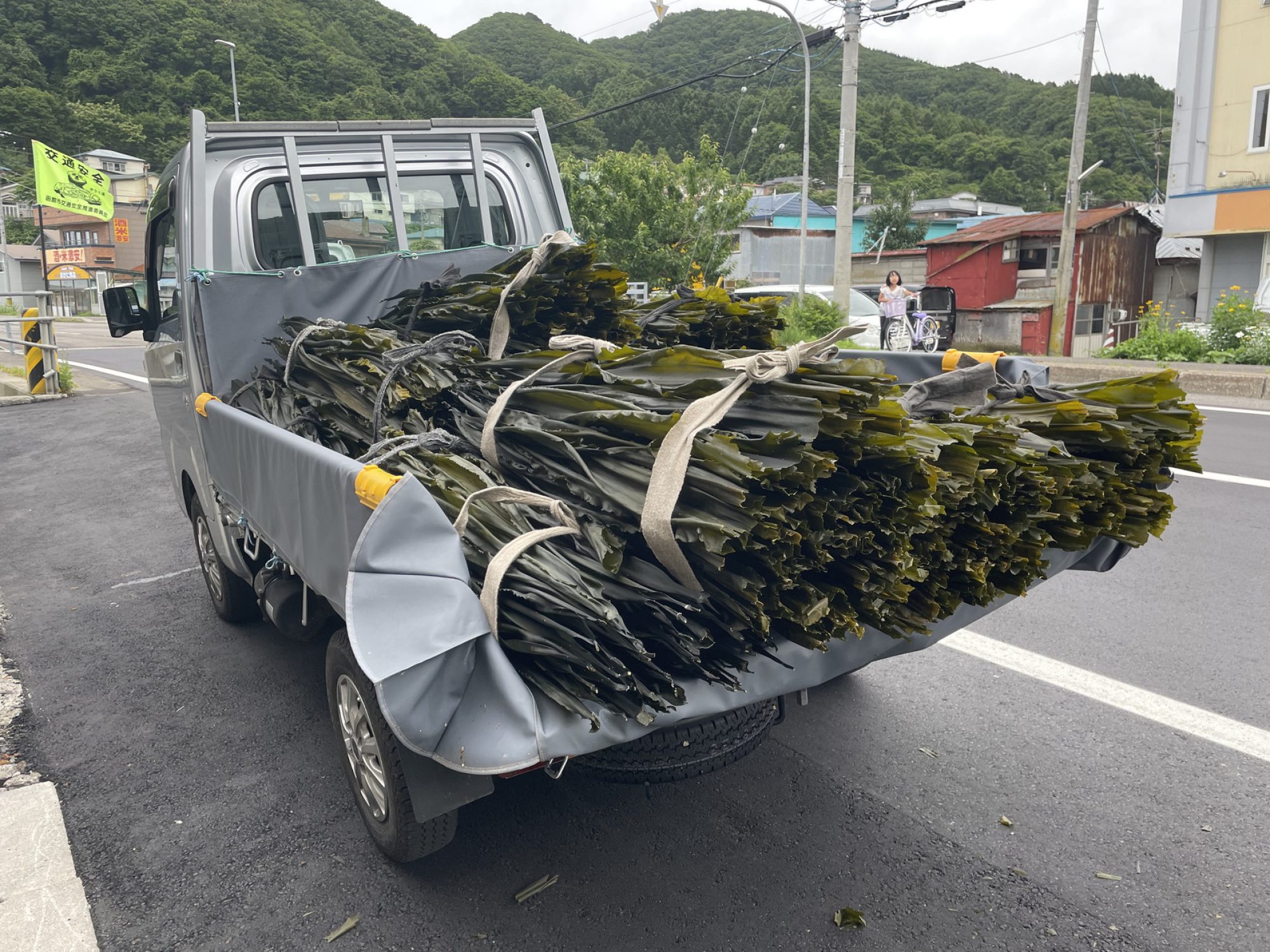
In Japan the harvested Saccharina is solely used for food (Dashi mostly). Saccharina from Hokkaido is famous globally for its high quality. Retail price for high quality dry Saccharina can easily reach 300 USD per kg.
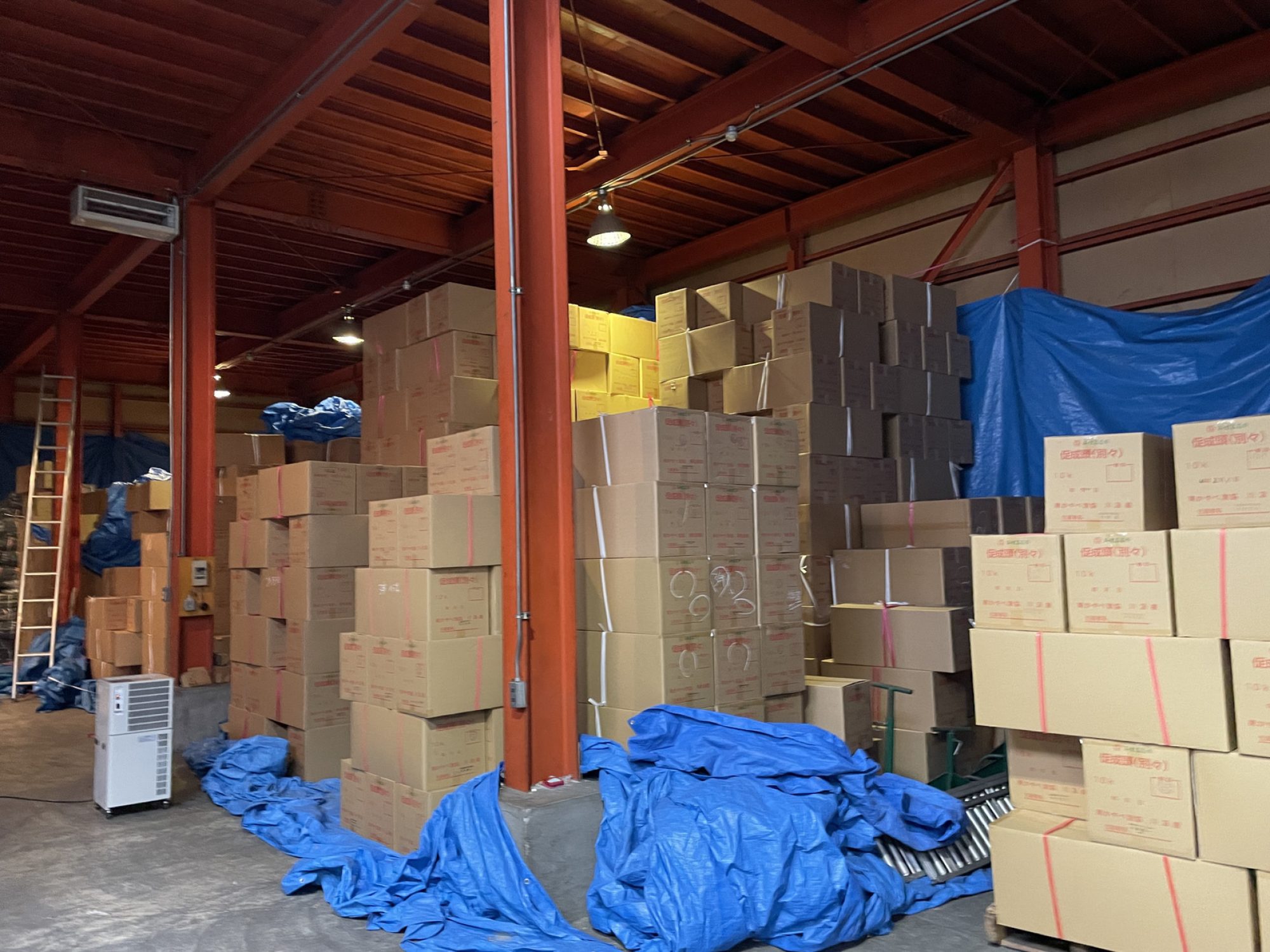
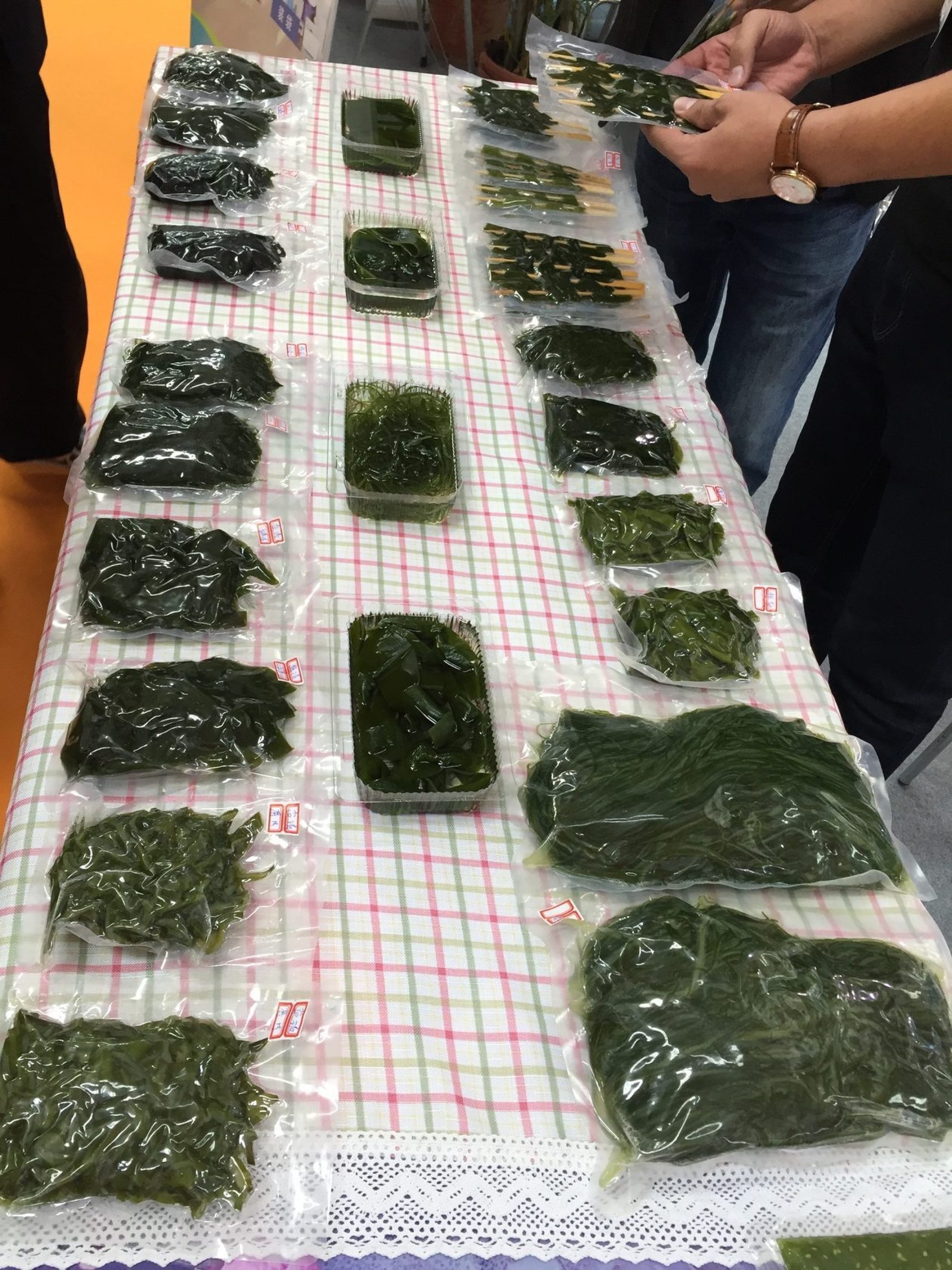
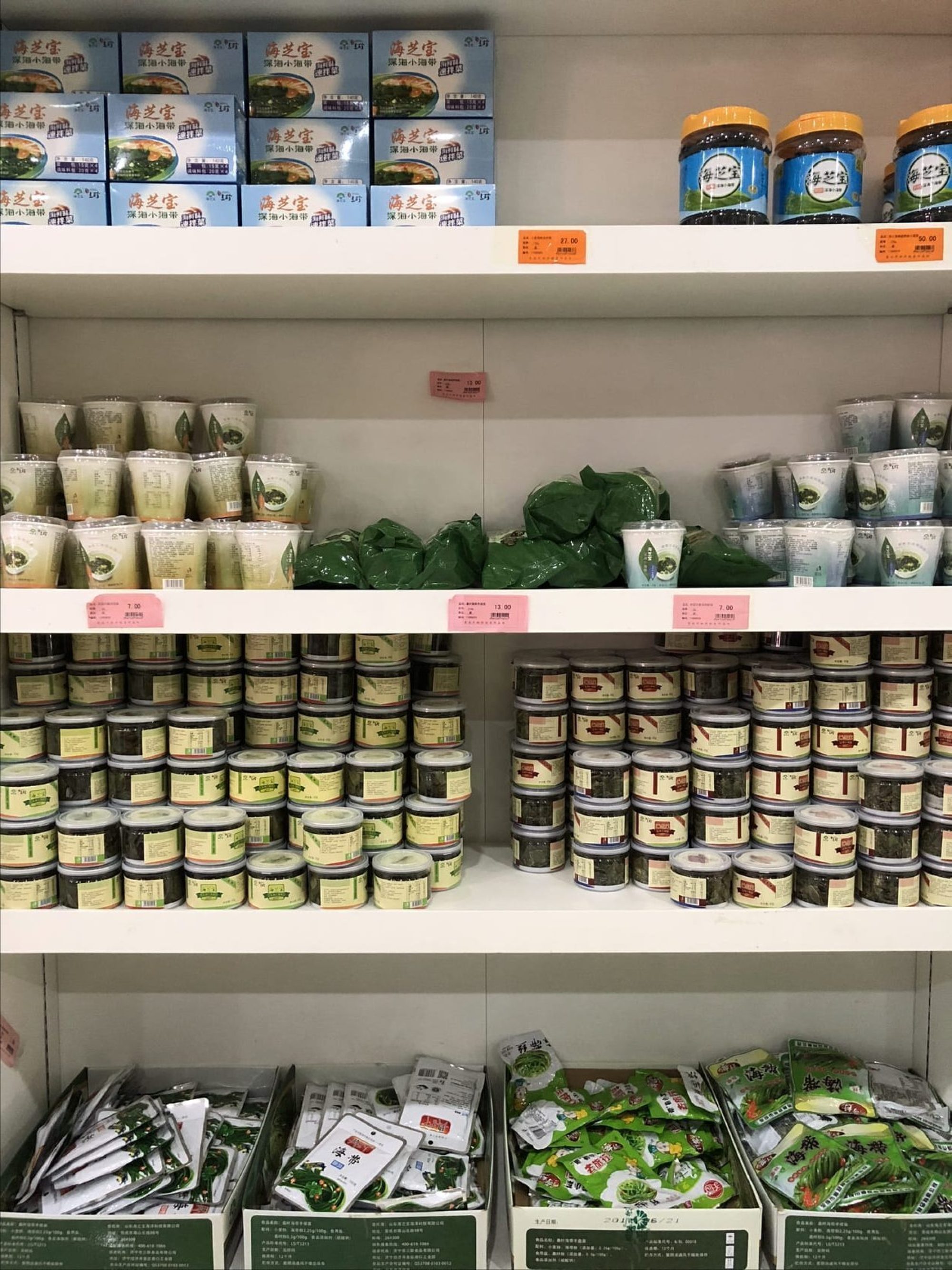
In China, many of the large integrated companies in the North have their own brands and sell a variety of products directly to retailers and consumer markets. Today, most companies are selling their products through e-commerce and prices have been increasing continuously.