Seaweed
  • Species production
  • Regional production
  • About
  • Reports
  • en
  • es
  • pt
  • Species Production Overview
  • Eucheumatoids
  • Saccharina
  • Undaria
  • Pyropia
  • Gracilaria
  • Macrocystis
  • Global Production Overview
  • East Asia
  • South East Asia
  • Central America & Caribbean
  • South America
  • Species production
    • Species Production Overview
    • Eucheumatoids
      • Production Overview
      • Site selection
      • Farm design
      • Seeding
      • Grow out
      • Harvest
      • Post harvest
      • Sales
      • The farmer
      • Future of farm
    • Saccharina
      • Production Overview
      • Site selection
      • Farm design
      • Seeding
      • Grow out
      • Harvest
      • Post harvest
      • Sales
      • The farmer
      • Future of farm
    • Undaria
      • Production Overview
      • Site selection
      • Farm design
      • Seeding
      • Grow out
      • Harvest
      • Post harvest
      • Sales
      • The farmer
      • Future of farm
    • Pyropia
      • Production Overview
      • Site selection
      • Farm design
      • Seeding
      • Grow out
      • Harvest
      • Post harvest
      • Sales
      • The farmer
      • Future of farm
    • Gracilaria
      • Production Overview
      • Site selection
      • Farm design
      • Seeding
      • Grow out
      • Harvest
      • Post harvest
      • Sales
      • The farmer
      • Future of farm
    • Macrocystis
      • Production Overview
  • Regional production
    • Global Production Overview
    • East Asia
    • South East Asia
    • Central America & Caribbean
    • South America
  • About
  • Reports
Seaweed
  • en
  • es
  • pt
  • Production Overview
  • Site selection
  • Farm design
  • Seeding
  • Grow out
  • Harvest
  • Post harvest
  • Sales
  • The farmer
  • Future of farm

Gracilaria Site Selection

Table of contents
  • East & South East Asia
    1. Overview

    2. Overview 

    3. Substrates

    4. Licences

  • South America
    1. Overview

    2. Licences

East & South East Asia

Overview

The most important aspect in developing a potentially productive seaweed farm is site selection. Farmers essentially look for good water motion that can replenish nutrients, keep the seaweed clean and prevent extreme fluctuation of temperature, salinity, pH and dissolved gasses. At the same time the farm shouldn’t be too exposed to strong winds, waves and currents. The exposure, location, water depths and substrate beneath the farm will determine the farm design and cultivation method applied.

Overview 

Gracilaria can either be cultivated in land-based ponds or at sea. Sheltered environments like bays, estuaries, or river mouths are suitable if they have sufficient water circulation. 
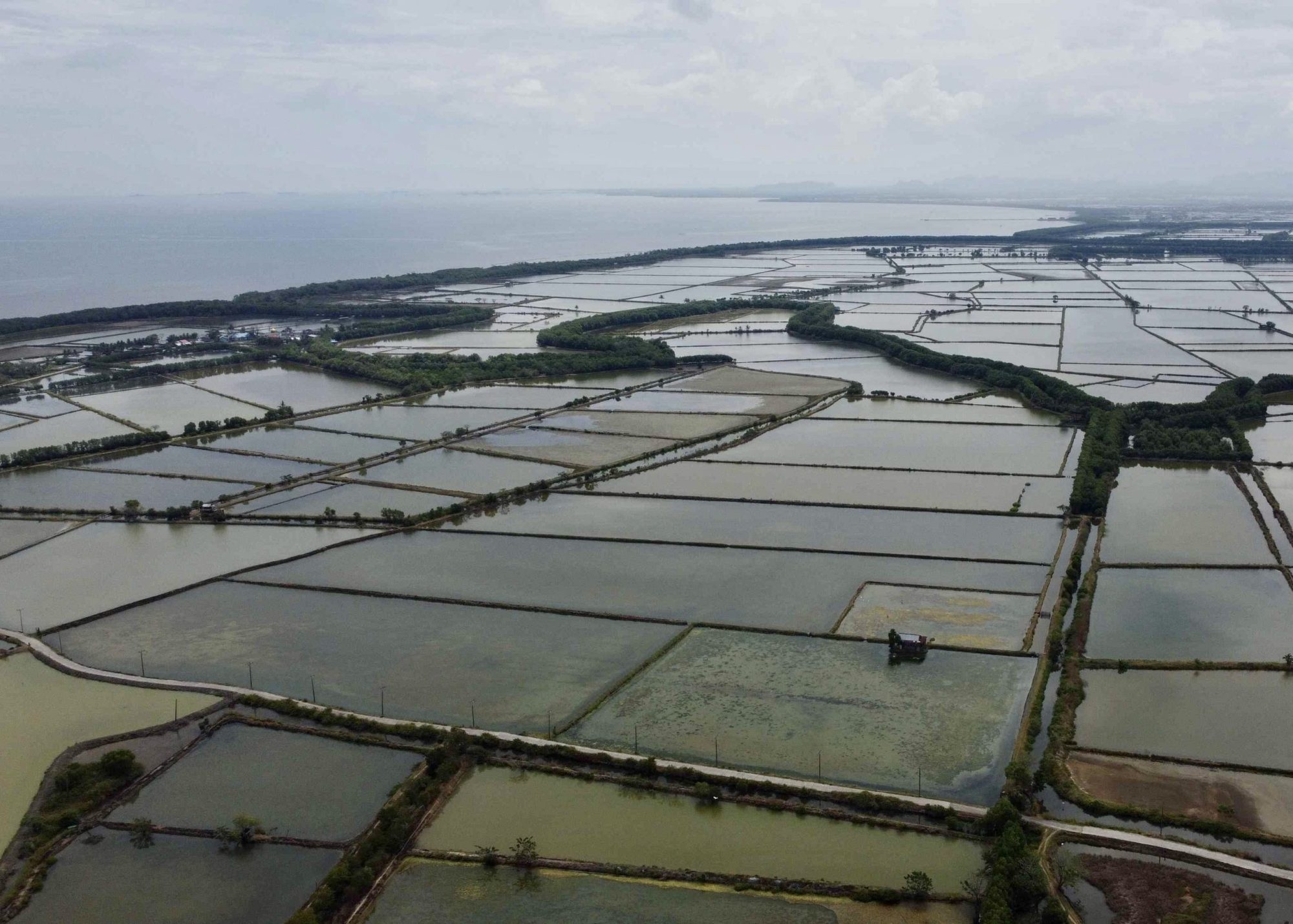
Culture ponds in Maros, South Sulawesi, Indonesia
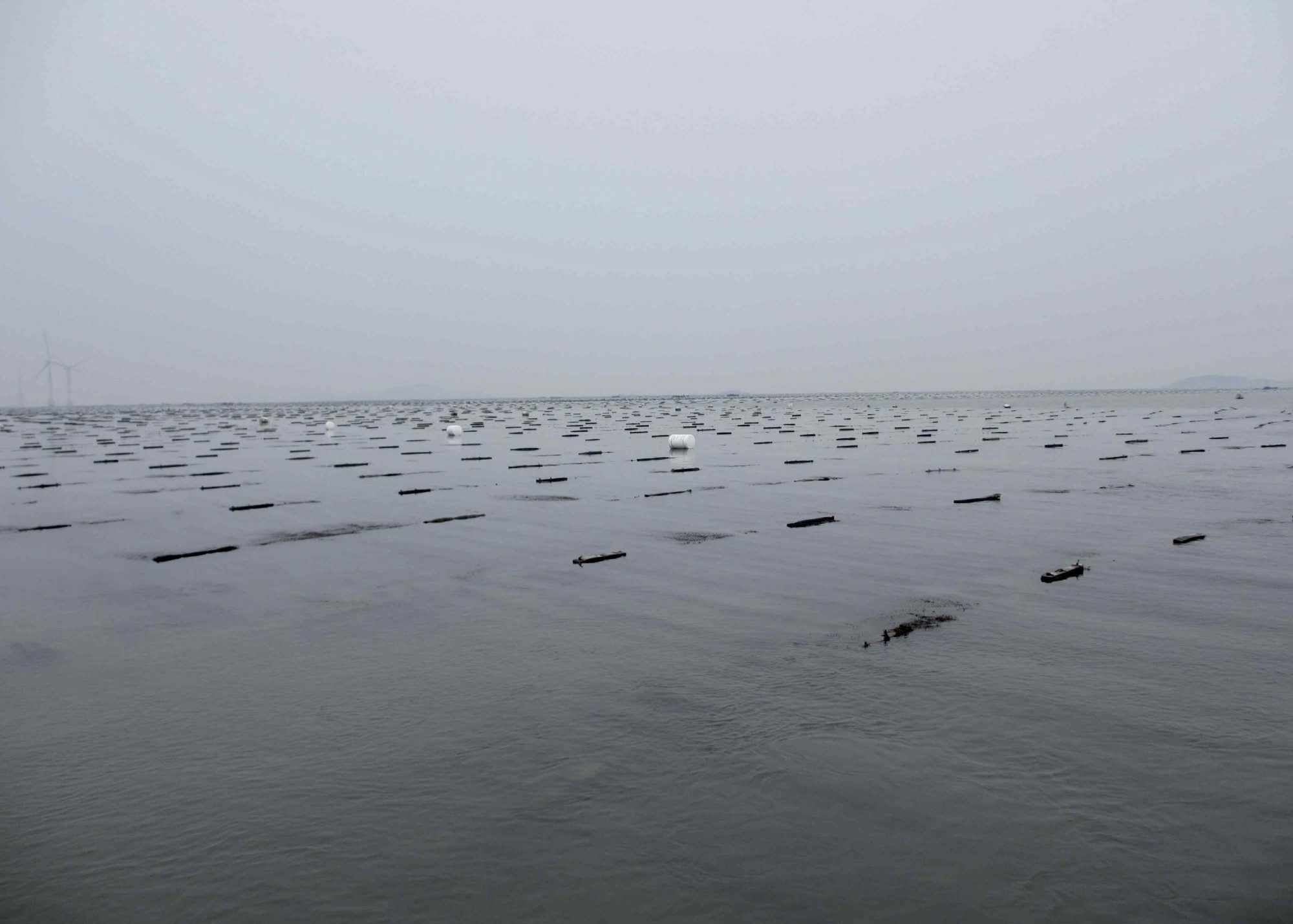
Gracilaria farm site in Shandong Province, Northern China (Photo courtesy of Dr. Zhenghong Sui)

Substrates

In Indonesia, pond-based culture of Gracilaria is more common. Gracilaria changii, a common species, grows well at temperatures  between 25ºC and 30ºC, and salinity in the range of 20 – 30 ppt.


The main production areas for Gracilaria farming in ponds are East Java (Sidoarjo), Central Java (Brebes) and West Java (Karawang). The species, Gracilaria changii and Gracilaria gigas have been cultivated in the shallow sea water since 2003 in Takalar, South Sulawesi.
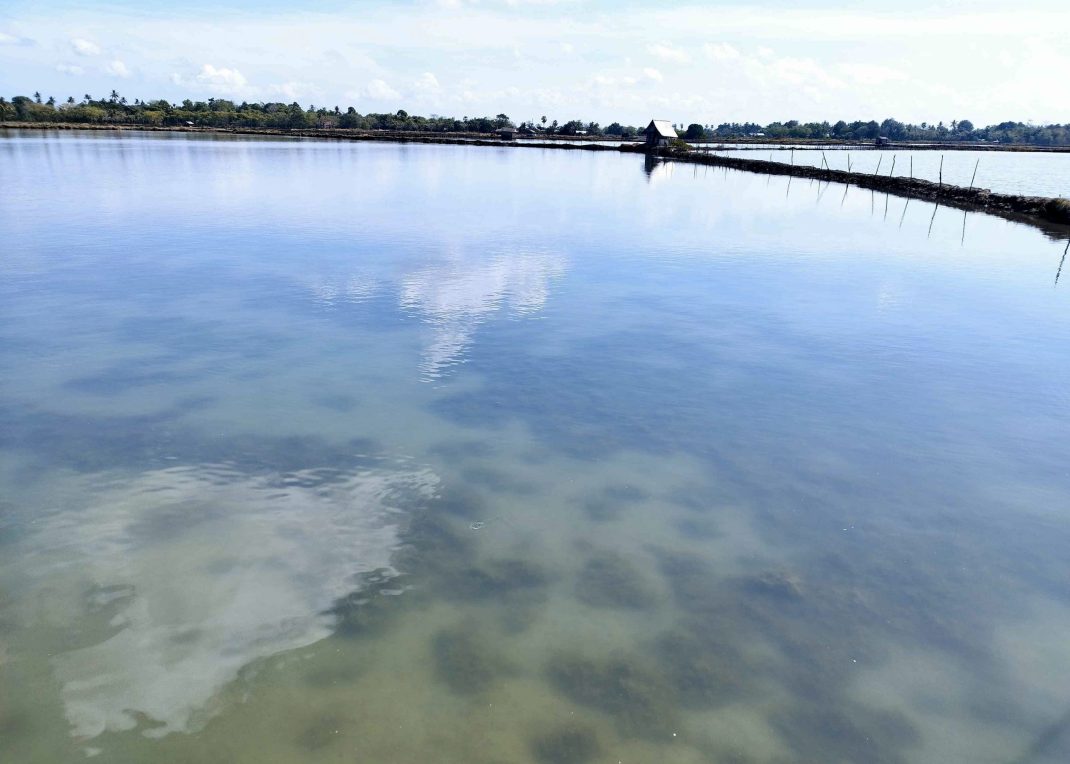
The preferred substrate in Gracilaria ponds farms is sand.

In Indonesia many traditional brackish water ponds for shrimp farming are today used for Gracilaria farming. It’s due to the shrimp productivity decrease or white spot disease caused by white spot syndrome virus, that these ponds are not used for shrimp farming anymore.


Most Gracilaria species that have high economic value grow in warm to temperate waters between 15-32°C and can tolerate salinity in the range of 15 to 50 ppt.


Ponds are generally located in protected areas, not exposed to strong prevailing winds, and near sources of both freshwater and seawater, to allow the possibility of optimising salinity. They should have a degree of water exchange at least every 3 days during high tide.

In China, the species Gracilariopsis lemaformis is most commonly farmed and the cultivation takes place at sea. The optimal conditions for its growth are water temperatures around 15°C and salinity levels below 33 ppt.

During the winter months, Gracilaria farming takes place in Southern China (between October and May) and when waters are getting warmer and farm space available in Northern China (because Saccharina and Undaria are harvested), Gracilaria will be farmed in Shandong region between May and October). 
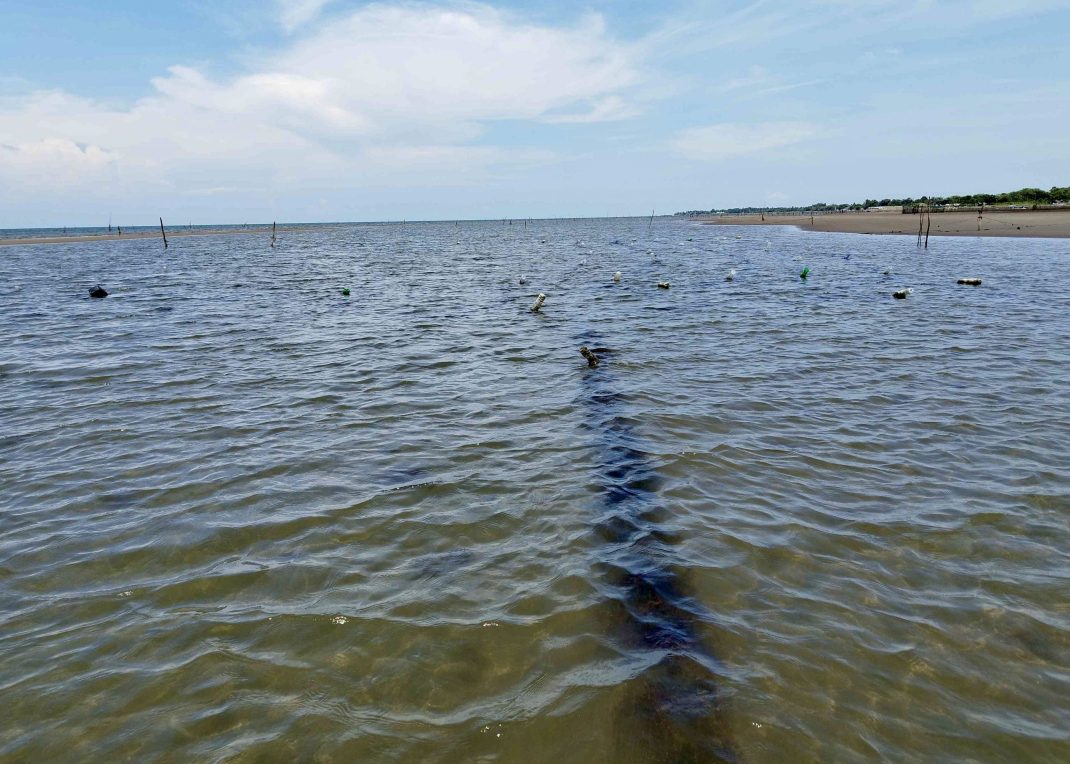
Long line cultivation at sea in Takalar, Indonesia (Photo courtesy of Boedi Julianto)


Licences

A concession or licence to farm is mandatory in China and granted through application via the local government. Gracilaria is often farmed as fresh feedstock for Abalone farms and located in close proximity to them. 


In Indonesia, corporate farmers should apply for a permit (concession) from the Ministry of Marine Affairs and Fisheries (MOMAF). Smallholder farmers are not required to have a permit (concession) from the MOMAF.

South America

Overview

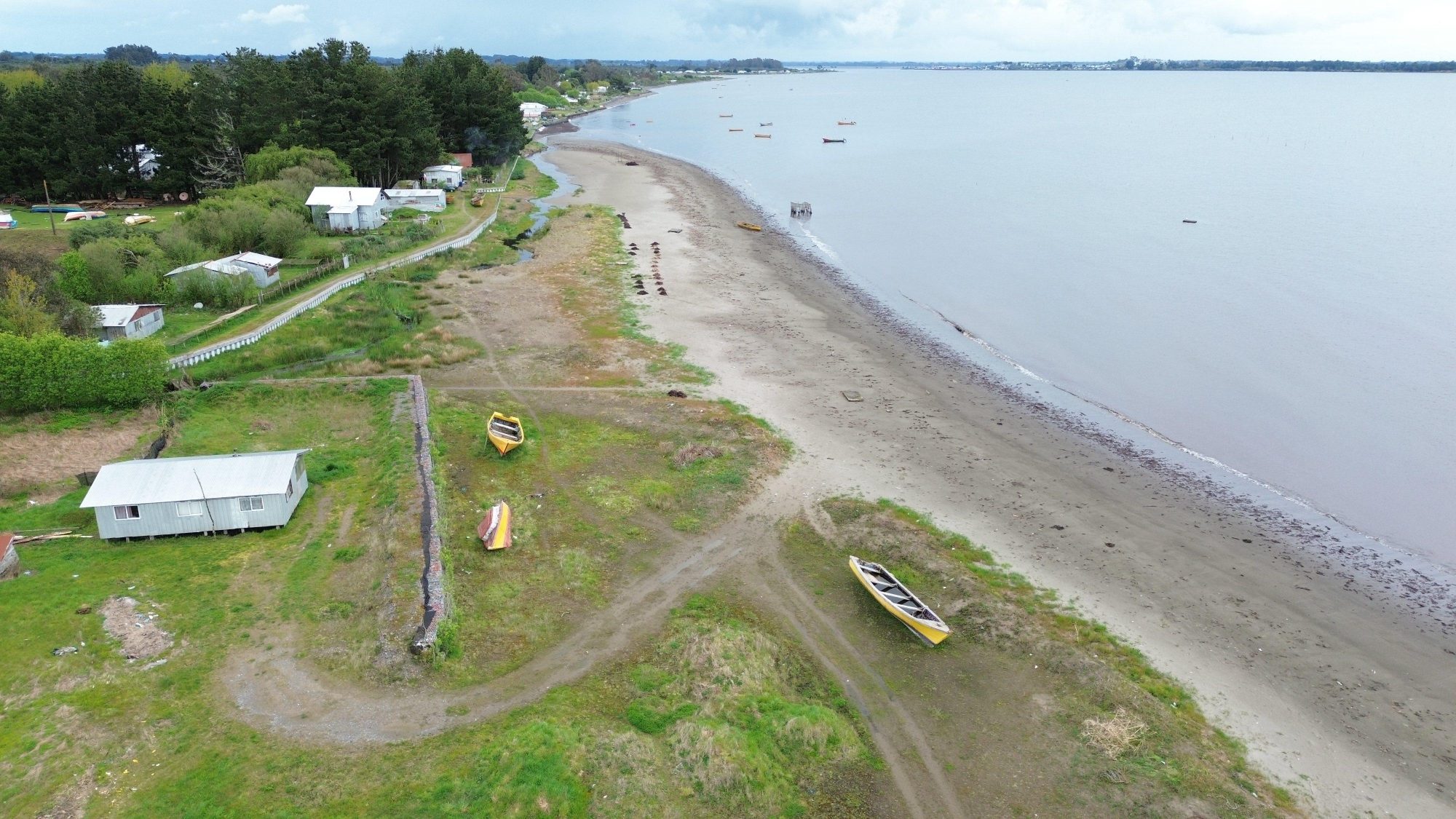
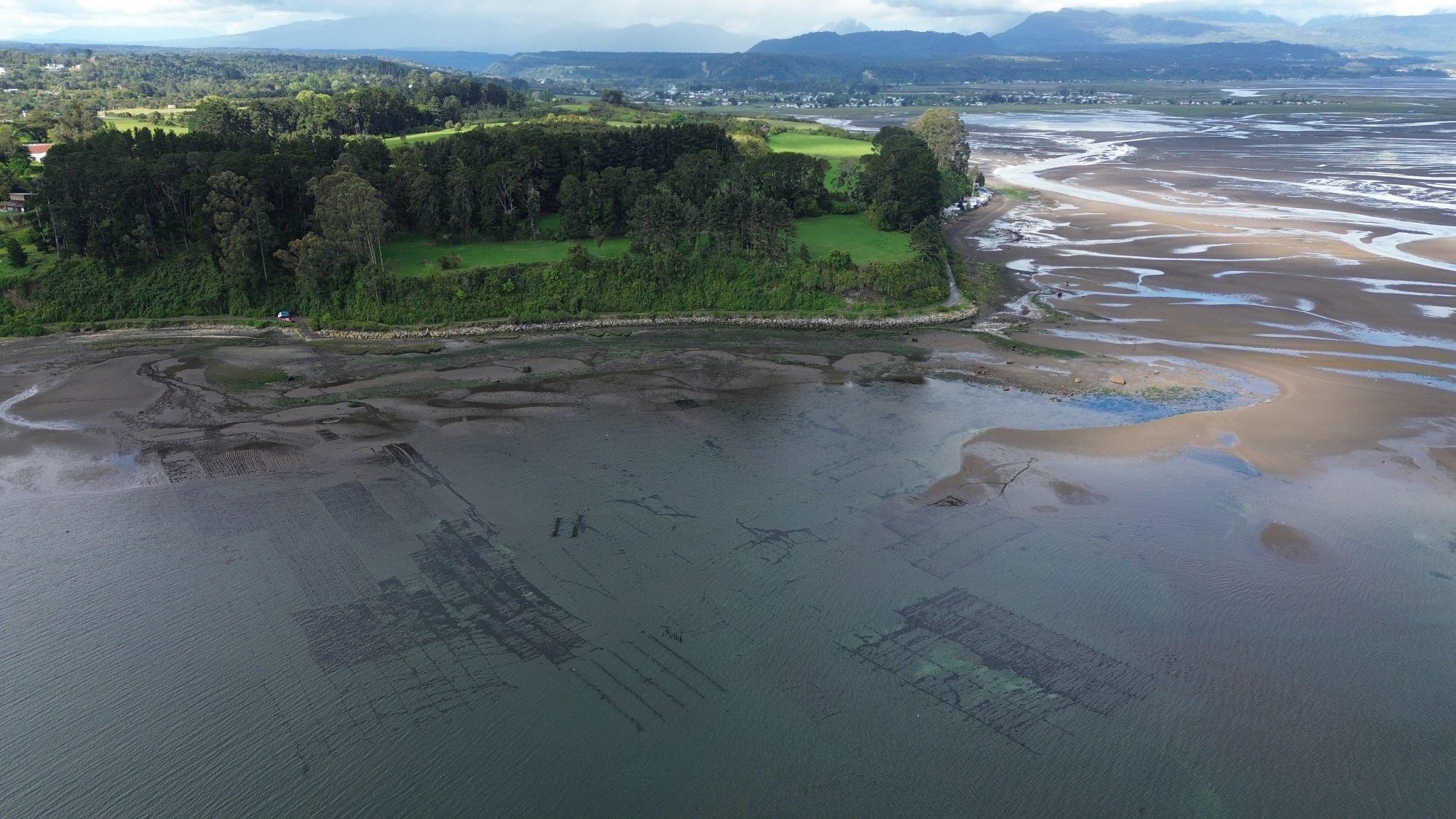
In Chile, Agarophyton chilensis (ex Gracilaria chilensis), commonly known as "Pelillo," is cultivated in sheltered marine estuaries and rivers, predominantly in the Los Lagos region, which accounts for over 75% of national production. Key sites are located in the Maullín and Pudeto river estuaries. The species thrives in cool, temperate waters with optimal temperatures of 10–15°C and salinity of 20–30 ppt. It requires a firm sandy substrate at depths of 2–5 meters with moderate water currents to ensure adequate water exchange and prevent sediment accumulation. The cultivation cycle involves planting in autumn and winter, with harvests beginning in spring and extending through summer.

Licences

In Chile, Gracilaria farmers operate under a dual system of legal tenure within designated maritime sectors. Some cultivate the algae through concessions that grant permanent legal tenure, a mandatory system regulated by the Undersecretariat of Fisheries and Aquaculture (Subpesca) and overseen by the National Fisheries and Aquaculture Service (SERNAPESCA). This system allocates exclusive rights at various scales, from small individual plots, such as the 0.3 ha concessions common in Maullin, to larger collective management areas which are typically granted to syndicates. 
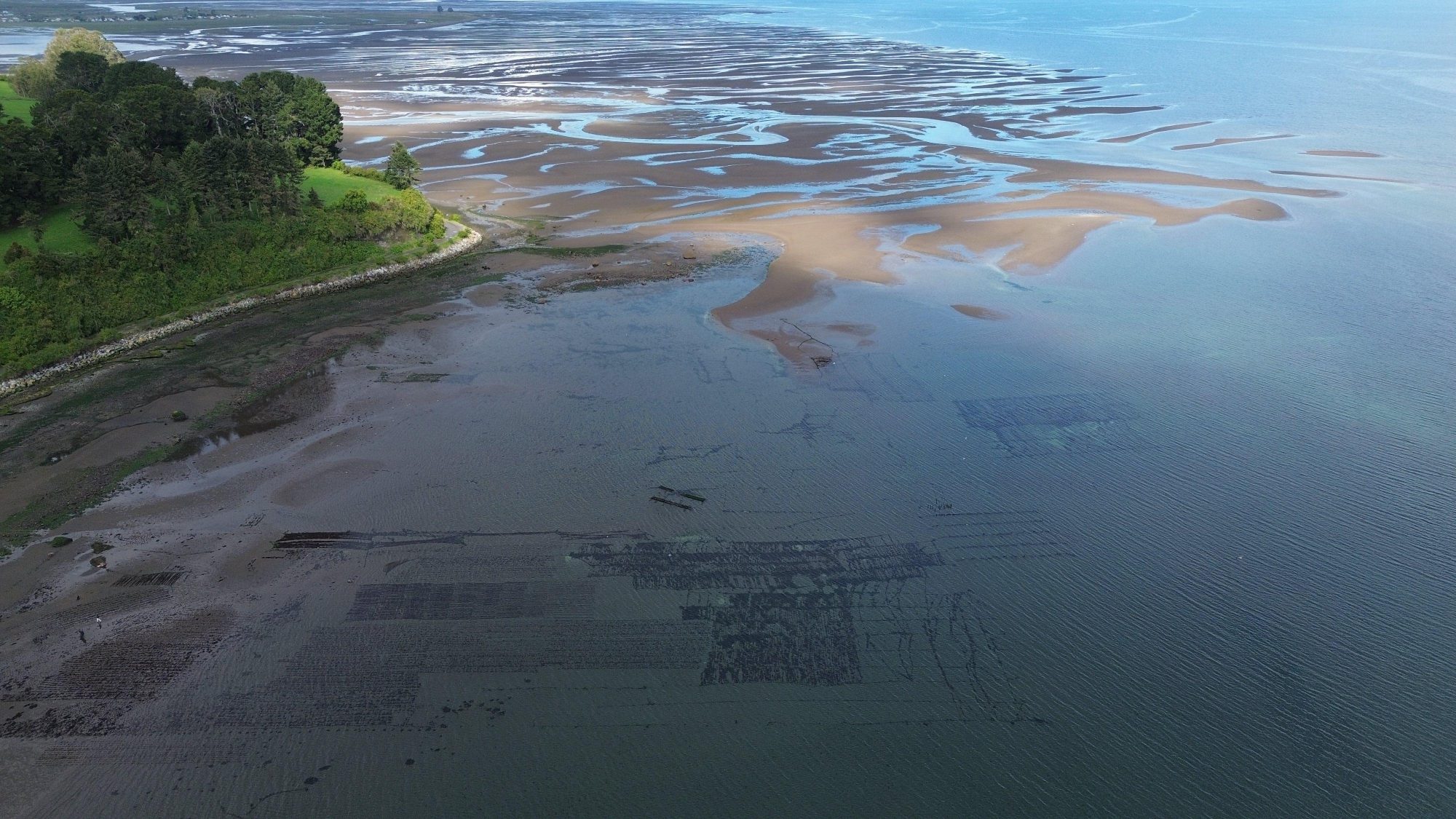
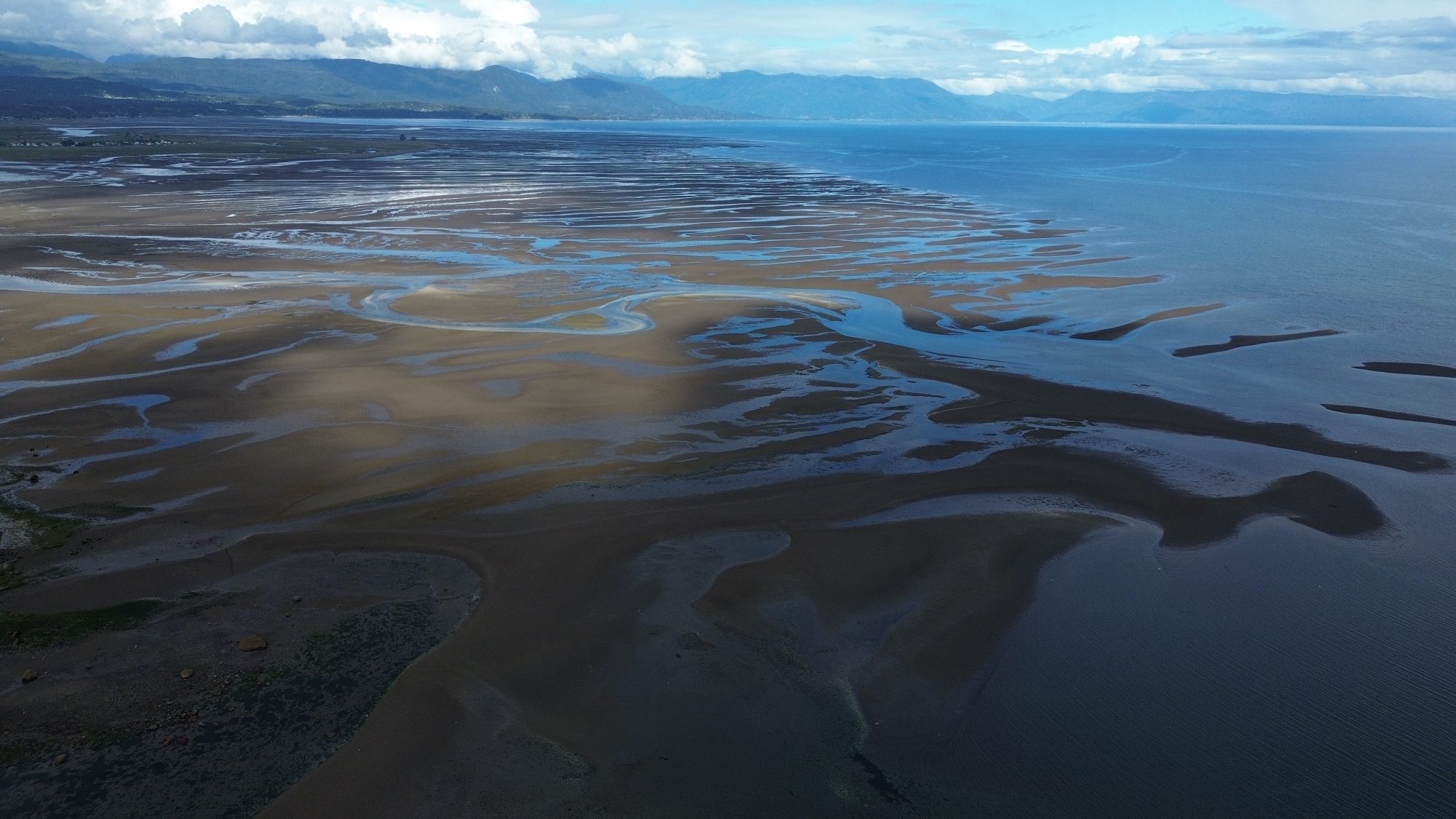
Expansive tidal flats in Pudeto estuary, prime for seasonal Pelillo sowing and harvest activities.
Broad estuarine channels with cool waters and moderate salinity - ideal for Pelillo aquaculture expansion.
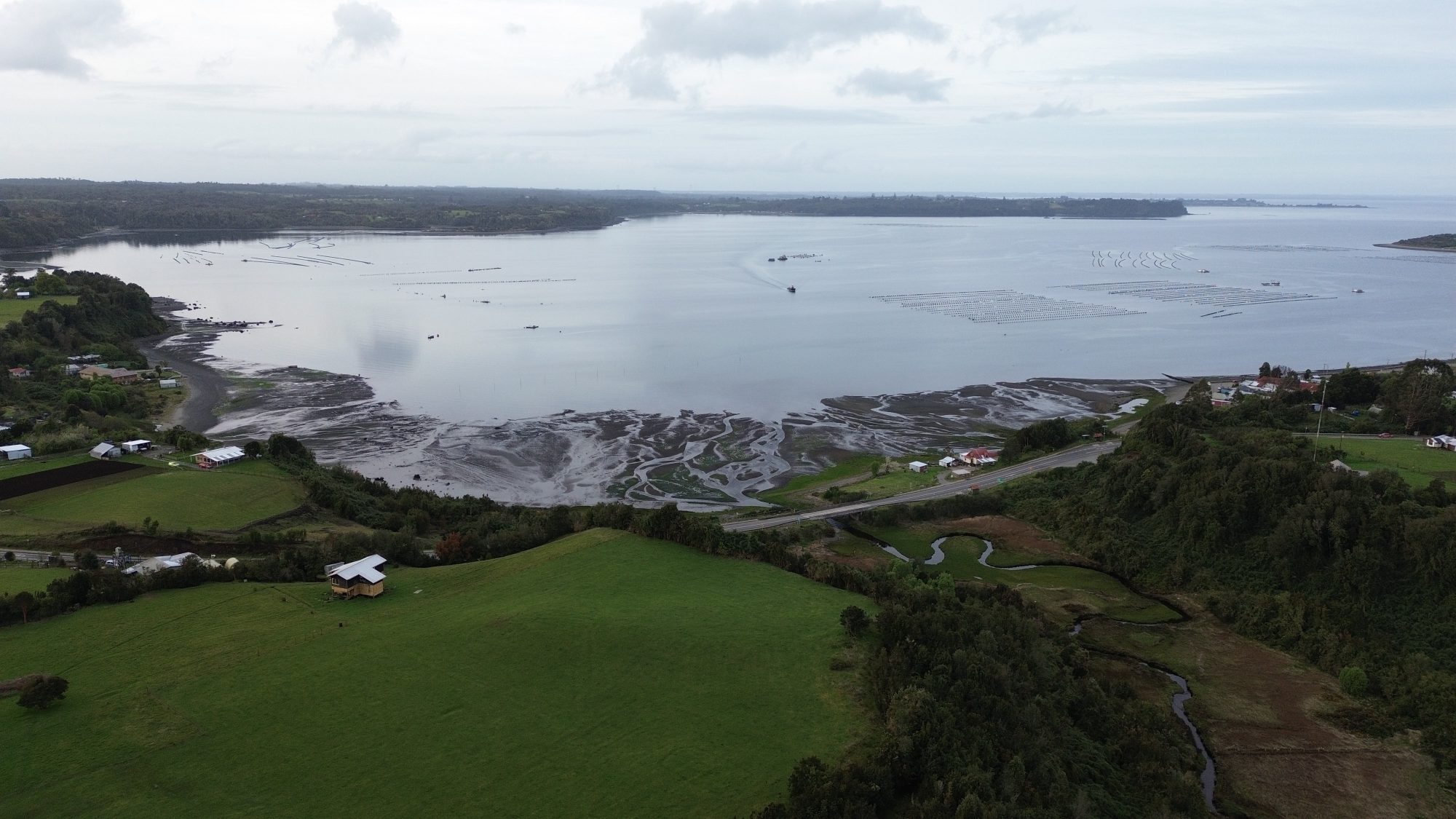
Estuarine view from Chiloé, showing co-location of multiple aquaculture activities in sheltered waters with moderate currents.
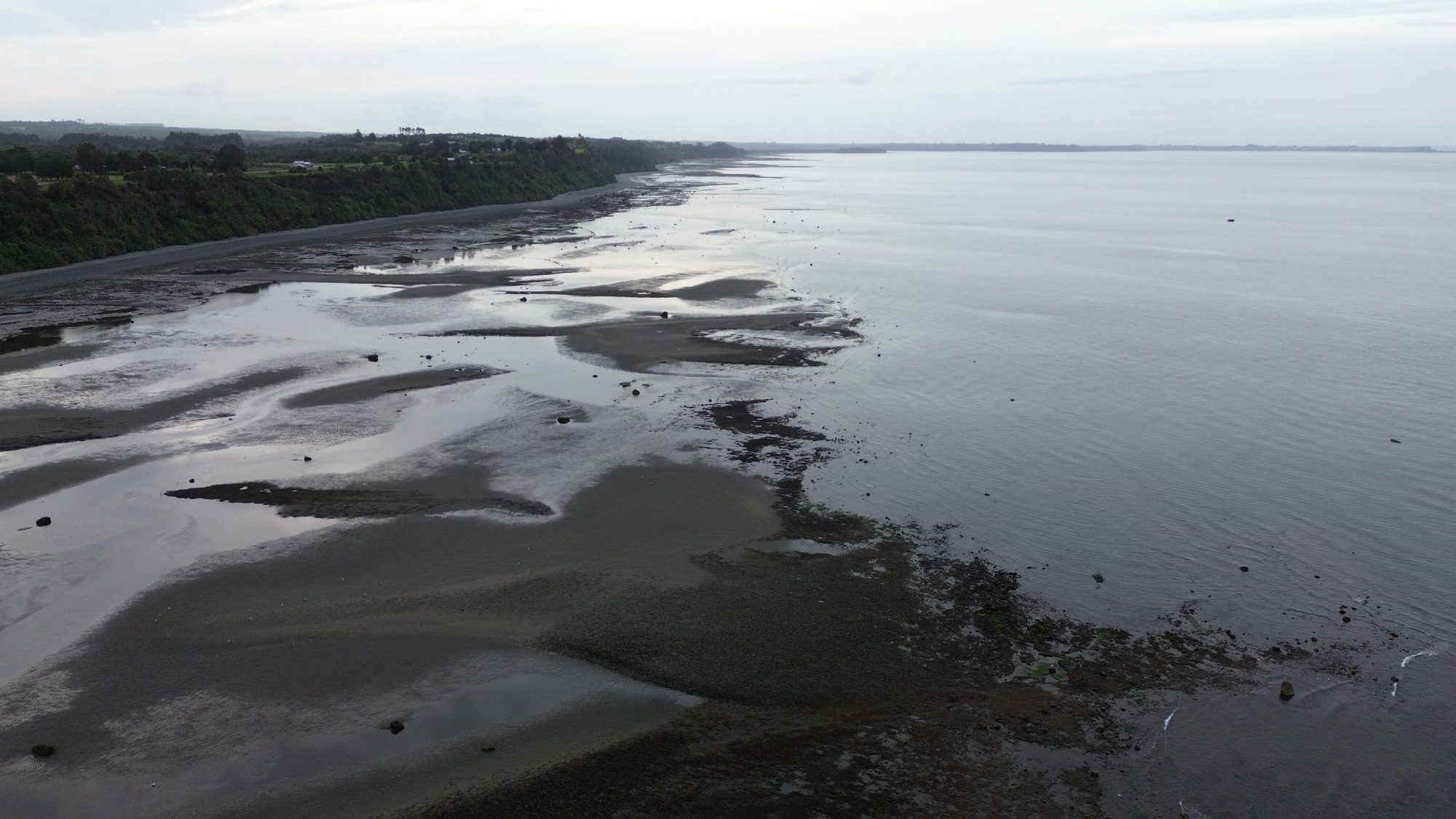
Low tide reveals the sandy, firm substrates ideal for Pelillo attachment along the Maullín estuary shoreline.
Artisanal infrastructure in Maullín, where smallholder farmers access and manage nearshore Pelillo plots.
Grid-like seaweed plots visible at low tide; firm substrate supports consistent Pelillo cultivation.
Previous
Next
Seaweed

Contact us:

info@hatch.blue
www.hatch.blue

Copyright © 2026 Hatch Blue Limited. All rights reserved.

  • Terms and conditions
  • Privacy policy

Hatch Blue is a global impact business focussed on farmed and alternative seafood. Hatch Innovation Services is the consultancy arm of Hatch, advising corporates, investors and governments on innovation and investment projects in the global aquaculture industry.

For our Shrimp Farming Insights visit: www.shrimpfarm.tech.