Gracilaria Grow out
East & South-East Asia
Overview
based on 5 interviews conducted across 2 major producing regions in 2 countries
Gracilaria species are fairly easy to grow compared to other seaweeds, because they can adapt well to different environmental conditions other than their natural habitat and are quite robust.
Maintenance
Although farming in ponds is fairly simple compared to at-sea cultivation, farmers struggle during the wet season to maintain adequate salinity levels in culture ponds, because heavy rains easily cause flooding. In turn, when salinity drops below 10 ppt Gracilaria doesn’t grow well. Under normal circumstances salinity in the pond systems should be maintained at 20-30 ppt. In traditional pond systems, farmers regulate this by freshwater in- and outflows.
Temperature fluctuations can be modified by pond depth. Deeper ponds help maintain the temperature range during warmer seasons. When water temperatures rise above 32ºC, Gracilaria stops growing. Therefore prolonged high temperatures may significantly diminish harvest yield.
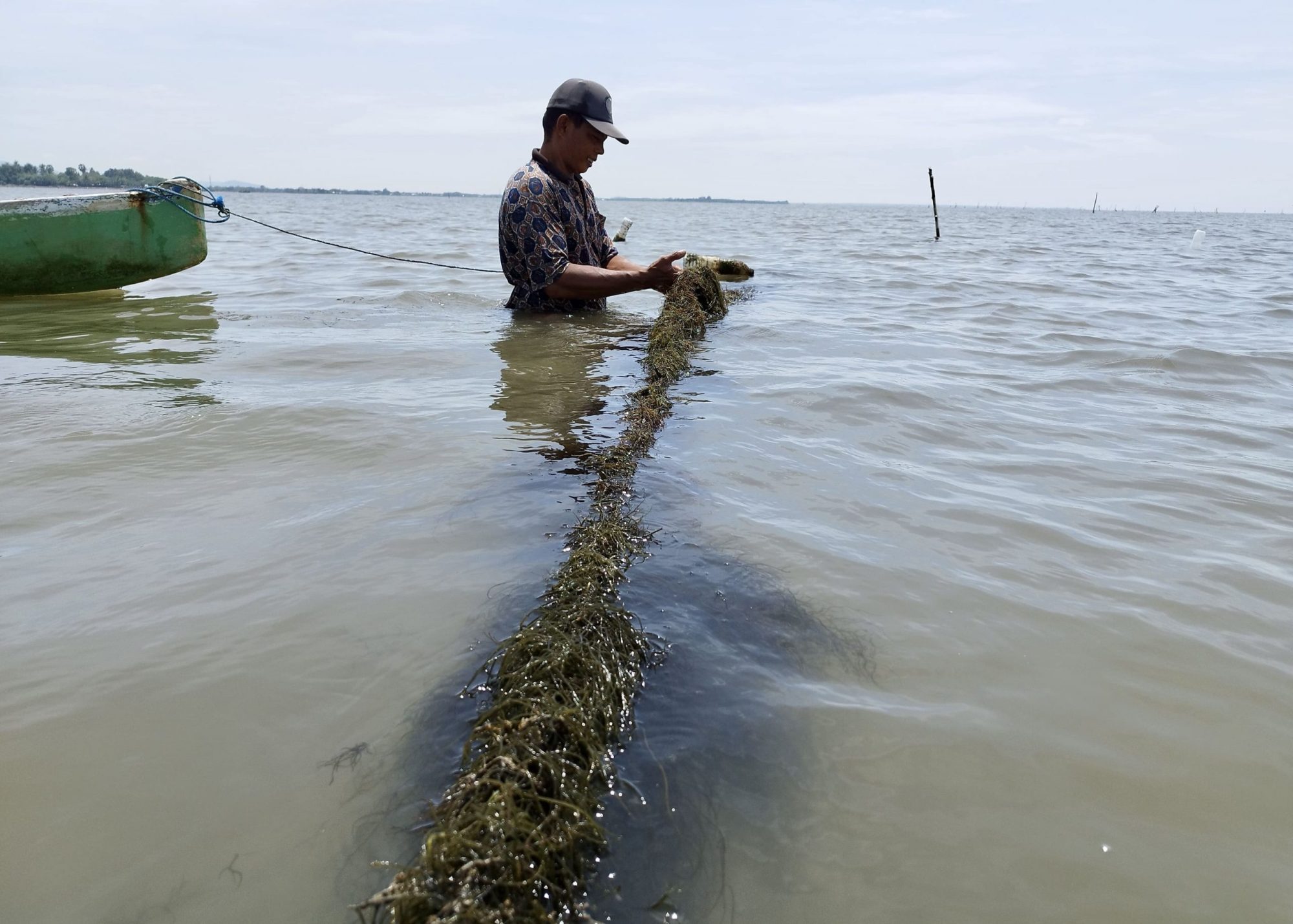
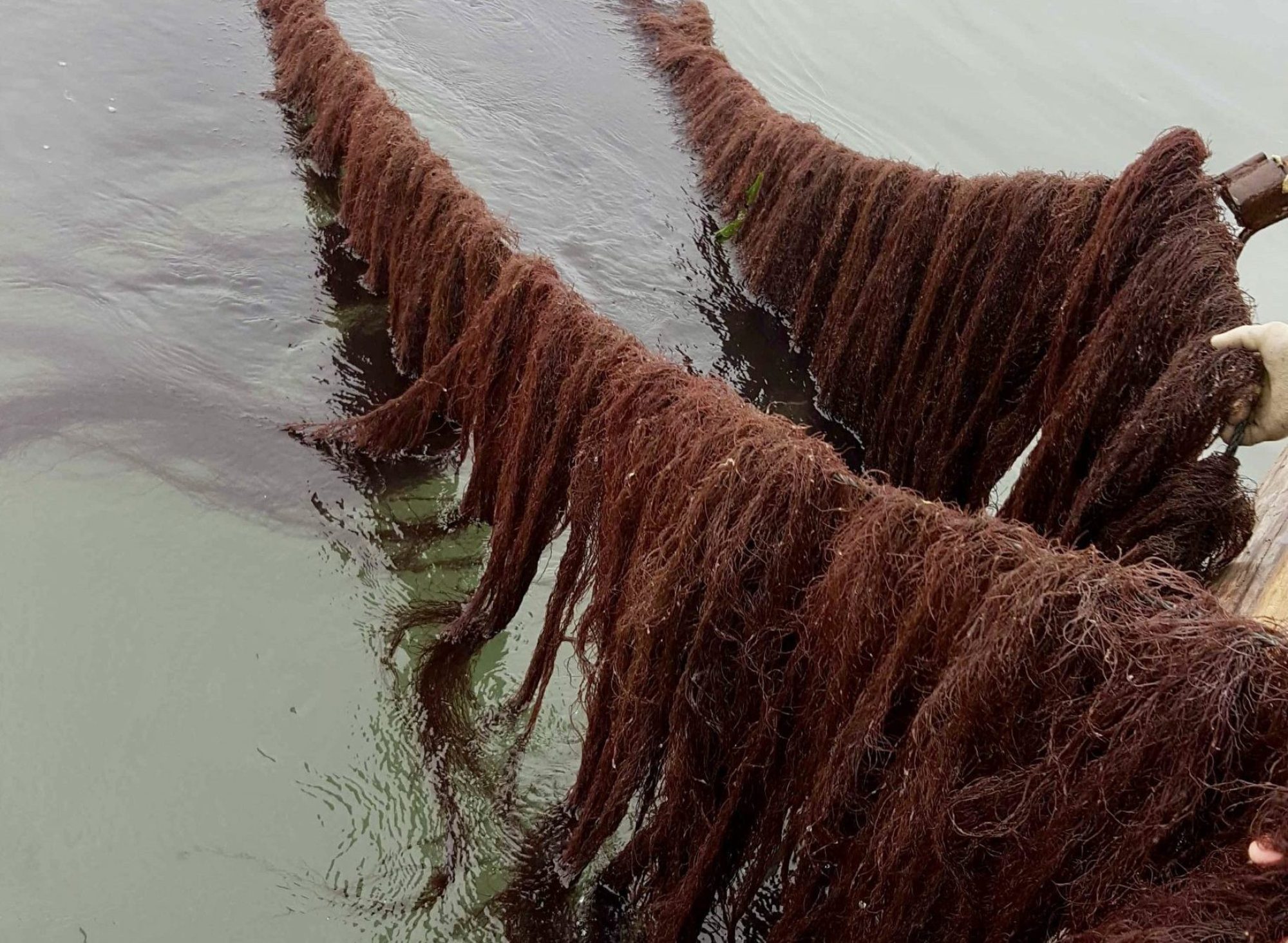
As for all seaweeds, the growth of Gracilaria varieties is influenced by the availability of major nutritional sources, namely nitrogen and phosphorus.
Some farmers therefore add additional mineral nutrients that enhance the growth of Gracilaria in the brackish water pond. In Indonesia, this is usually done when the pond is dry and minerals are applied directly on to the bottom of the pond. The farmers we visited applied Urea, which is a nitrogen-based fertiliser.
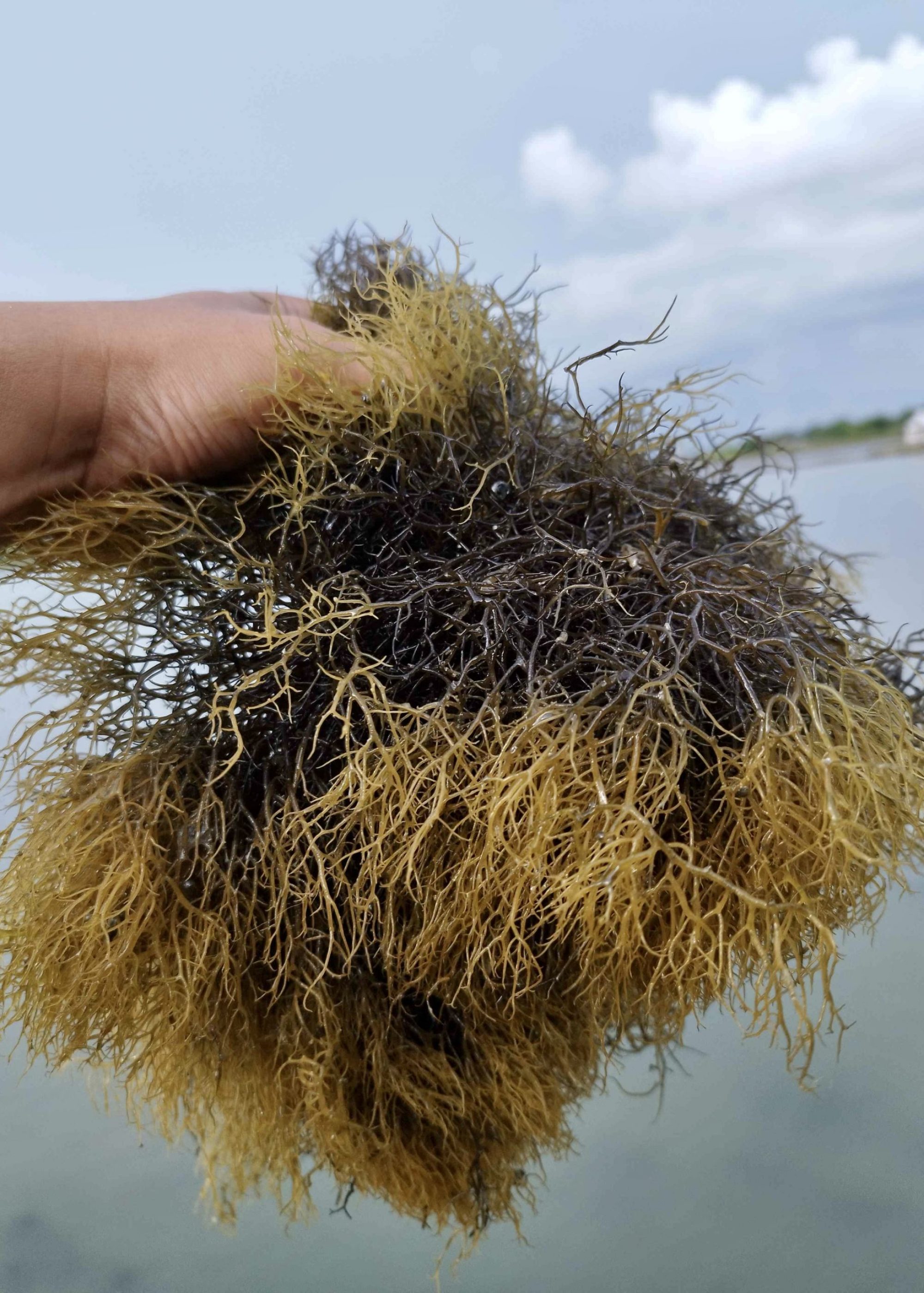
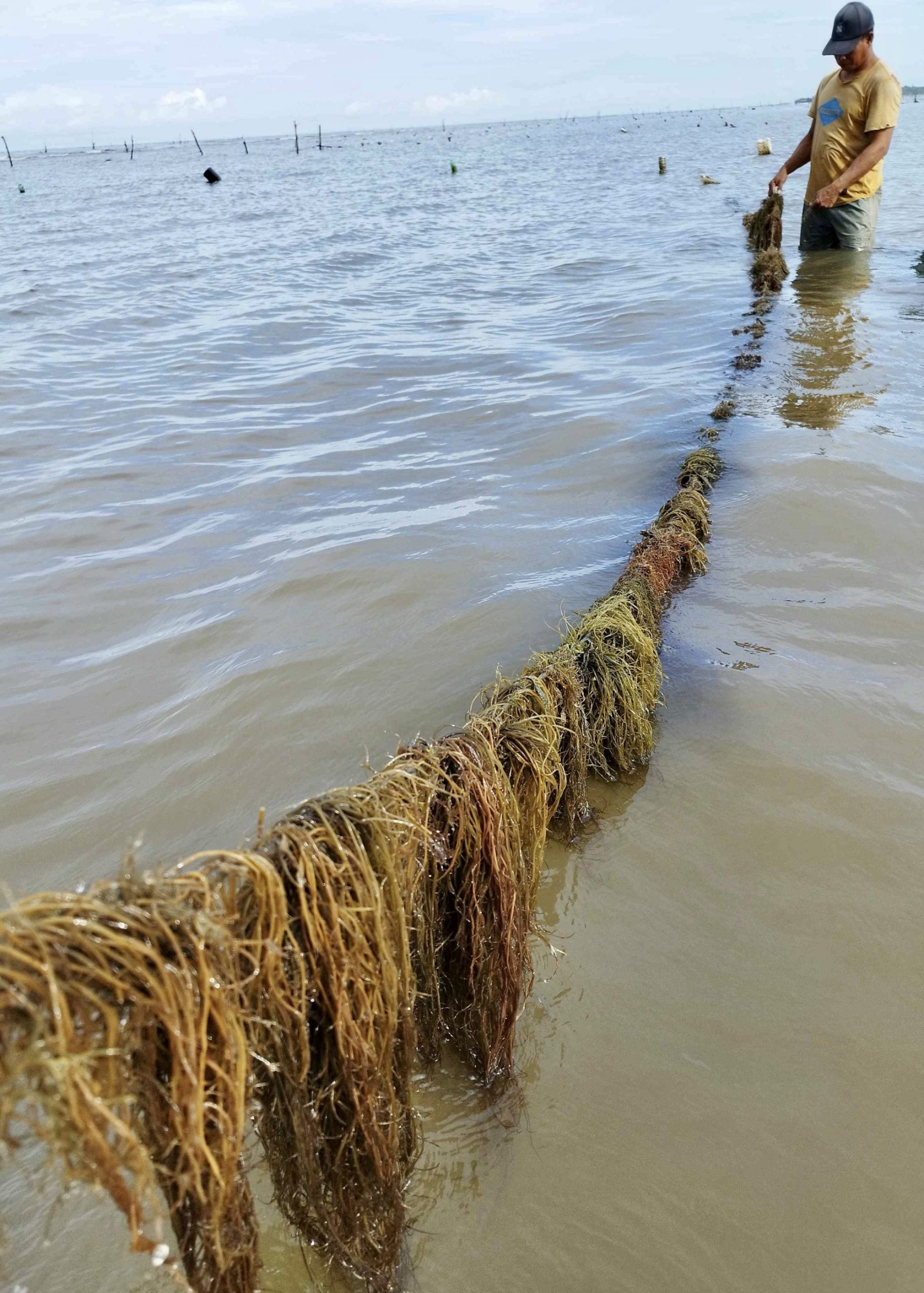
Gracilaria farmed in land-based ponds, is commonly done in co-cultivation with other species. Different examples of IMTA systems in Indonesia:
- Milkfish and Gracilaria
- Milkfish, Black tiger shrimp and Gracilaria
- Red tilapia, Tiger shrimp and Gracilaria
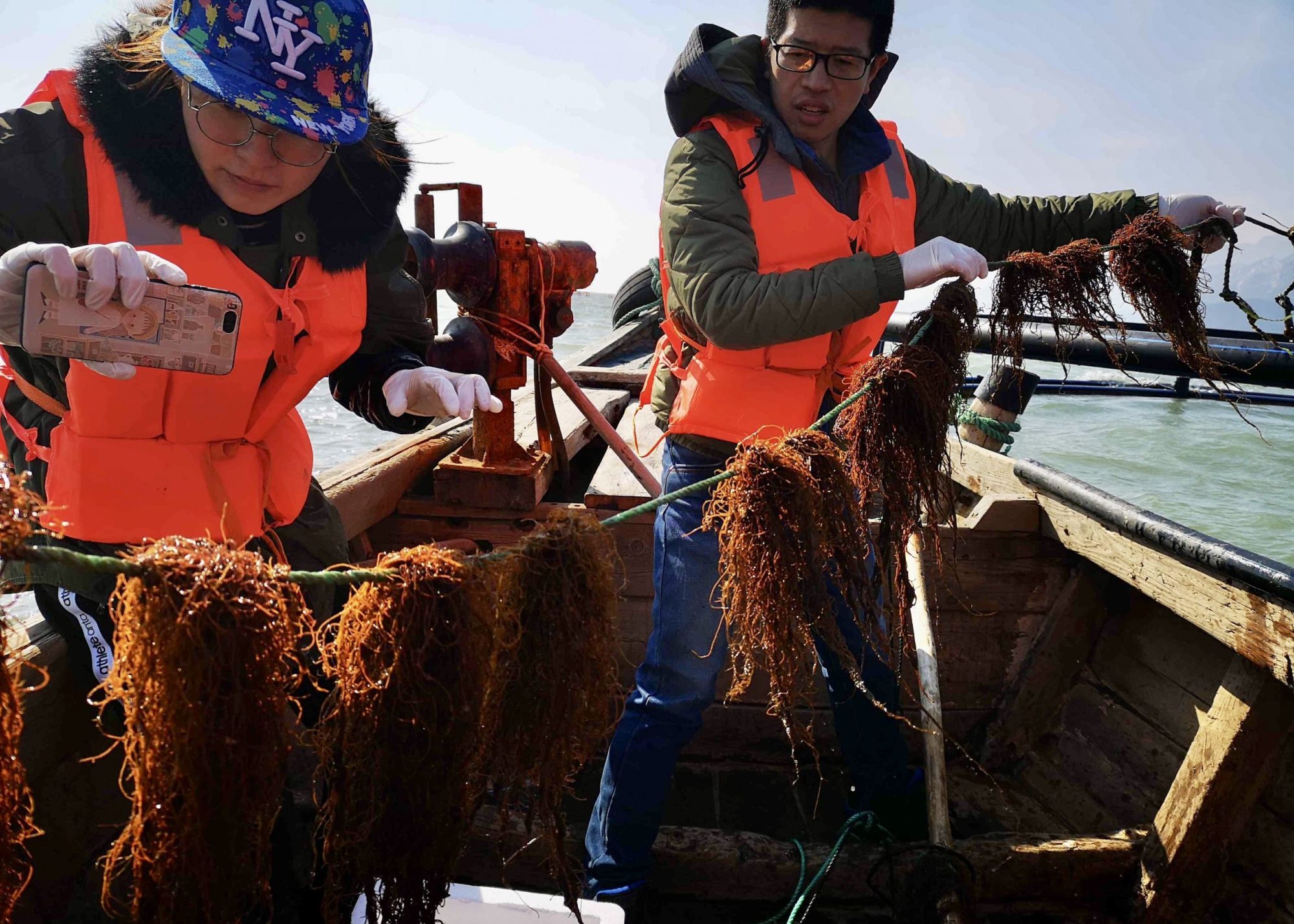
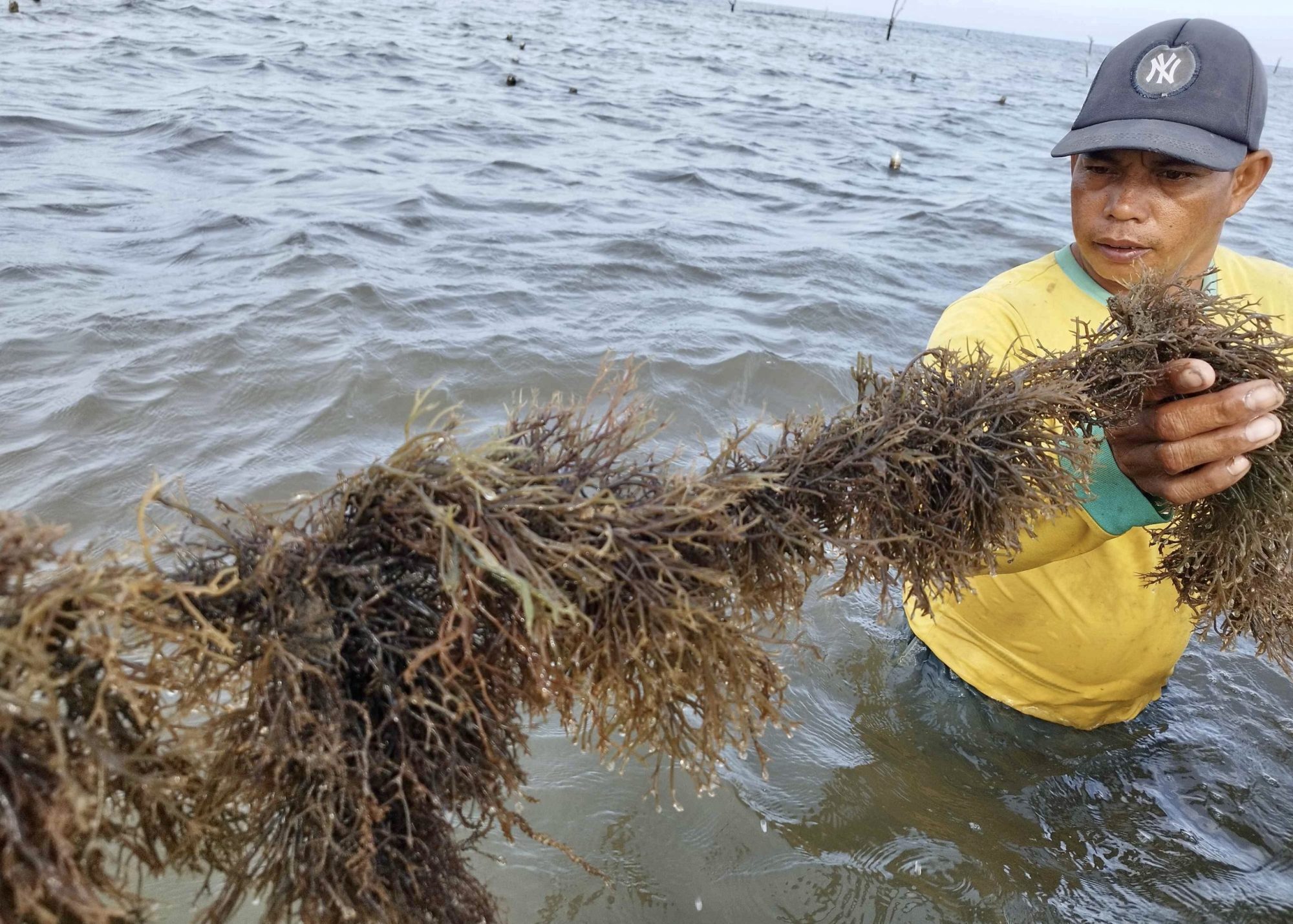
The polyculture systems or integrated multi-trophic aquaculture (IMTA) mentioned above have successfully produced seaweed and allow farmers to produce other valuable products during the farm cycle. Polyculture systems can also provide improved ecosystem services. (Yang et al., 2015, Wu et al., 2020, Diatin et al., 2020 and Pantjara et al., 2020).
Gracilaria species are particularly interesting for use in IMTA systems since they have high bioremediation efficiency when they remove inorganic nutrients and have an added value due to their agar content (Torres et al., 2019). When using an IMTA system, the organisms co-cultured mutually benefit each other and since the animal wastes are high in nitrogen and phosphorus, it can increase the yield of Gracilaria (Yang et al., 2015, Wu et al., 2020, Diatin et al., 2020, Torres et al., 2019 and Pantjara et al., 2020).
South America
Overview
Gracilaria cultivation in Chile's temperate regions requires specific environmental conditions, with optimal growth occurring at water temperatures of 10-15°C and salinity levels of 20-30 ppt. It's unlikely the maximum temperature would consistently exceed due to the influence of the cold Humboldt Current.
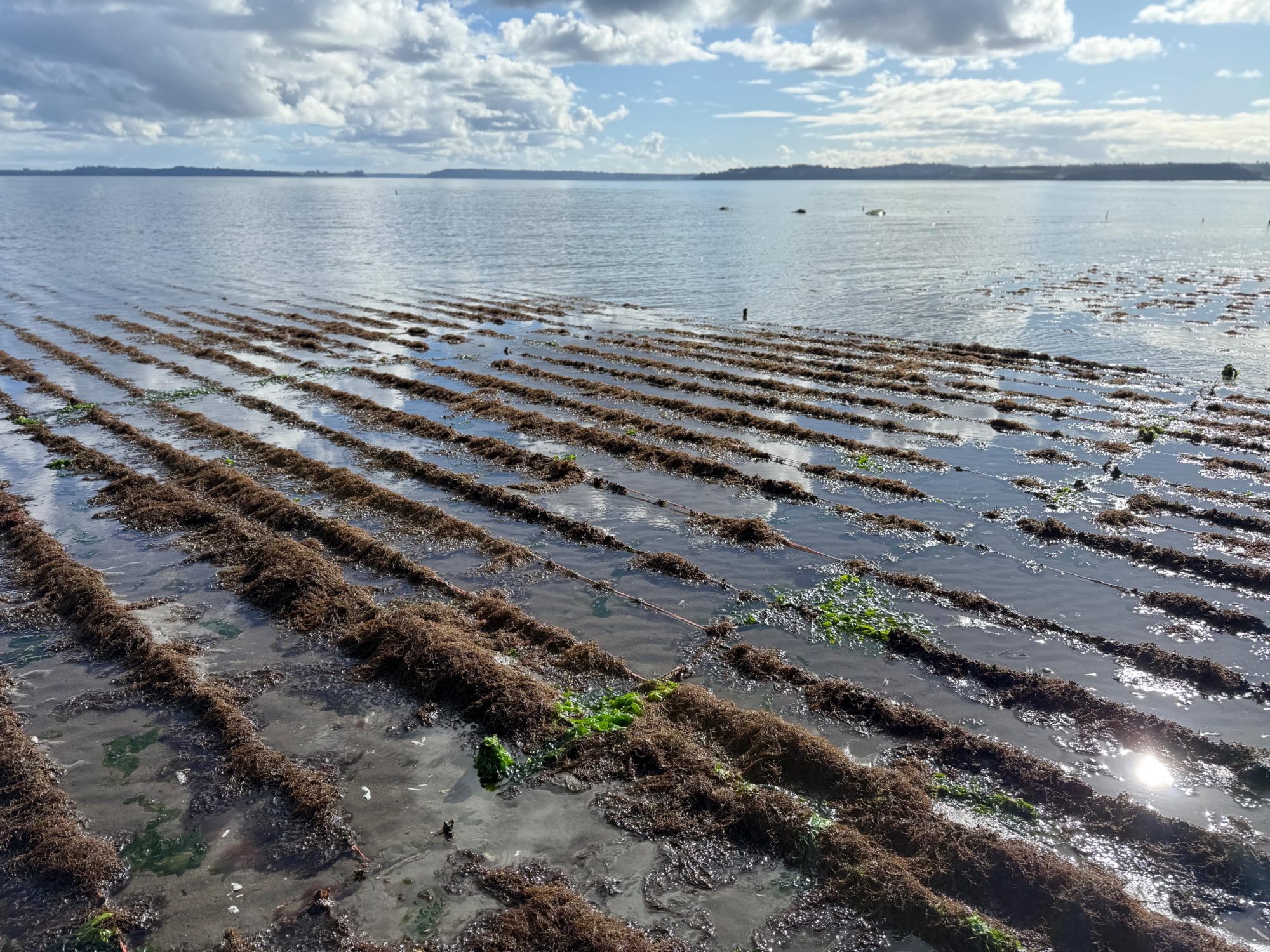
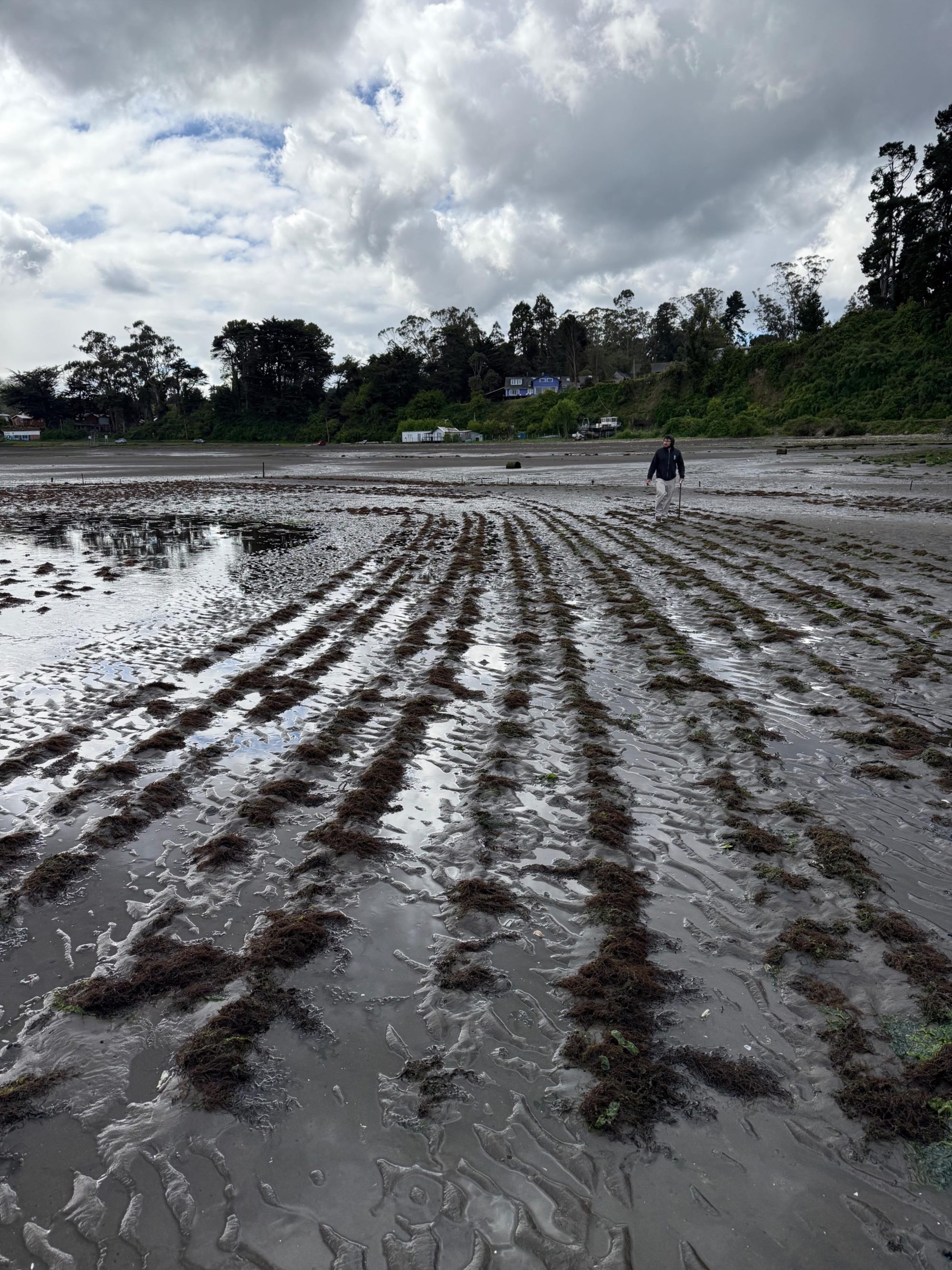
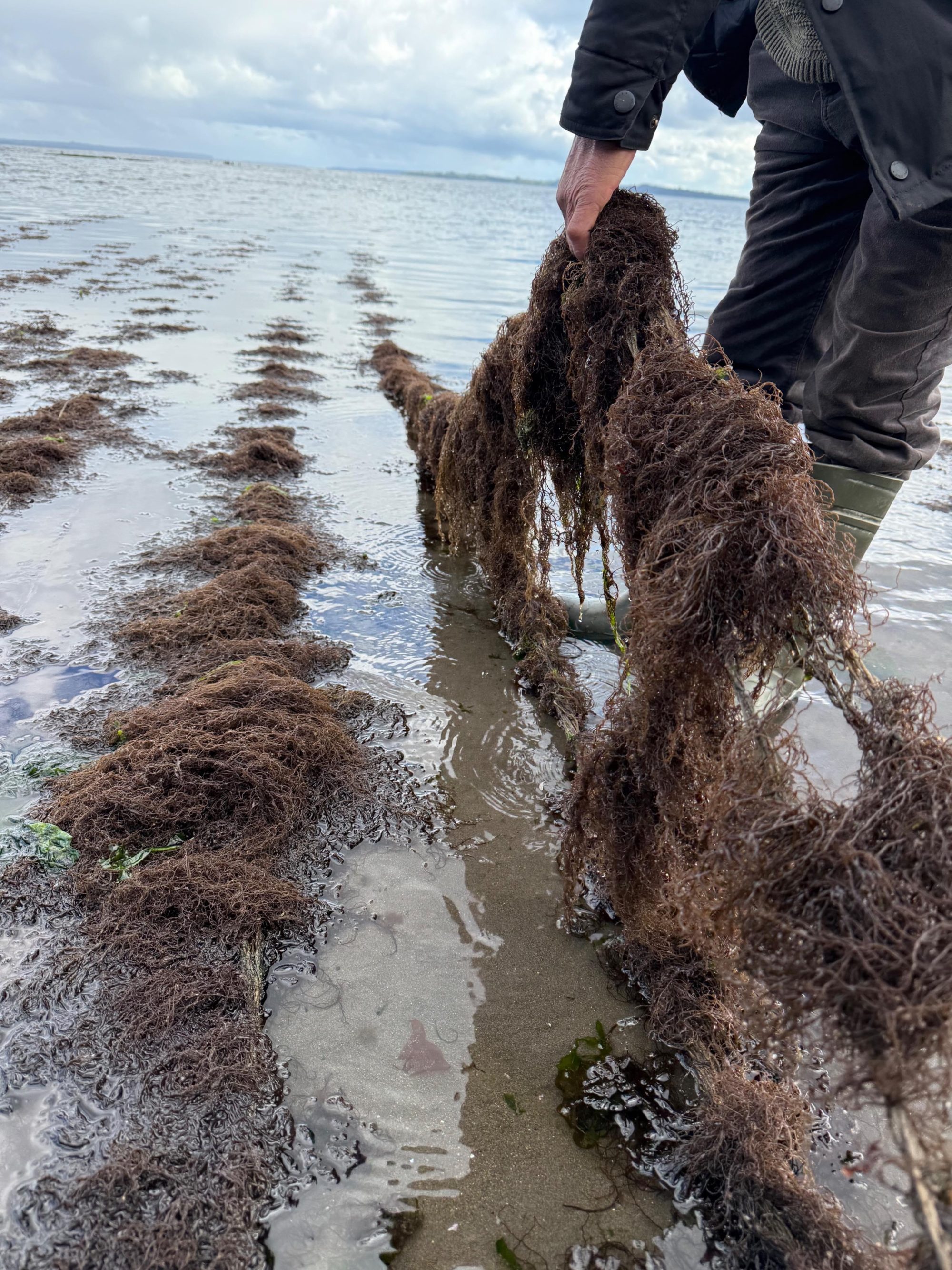
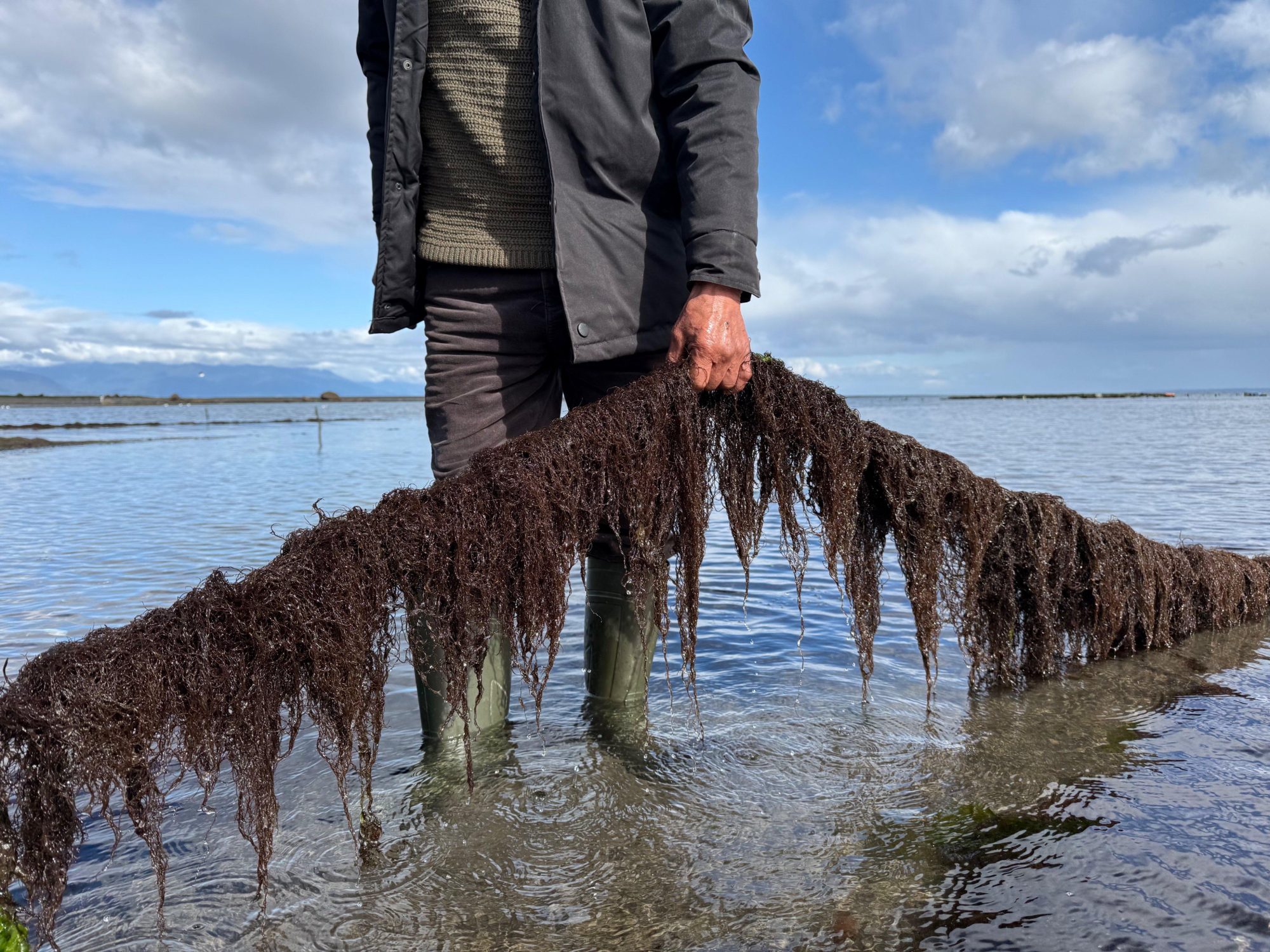
Farmers typically conduct site visits 1-2 times weekly, increasing to twice weekly during seeding phases and reducing to weekly during main growth periods. The operational rhythm, particularly in the Los Lagos region, is largely dictated by tidal patterns. Access to farms is often restricted to periods of low tide due to the unique environment of large tidal flats in most cultivation areas. This limitation means work scheduling is typically organised around 15-day cycles that correspond to these tidal patterns.
Maintenance
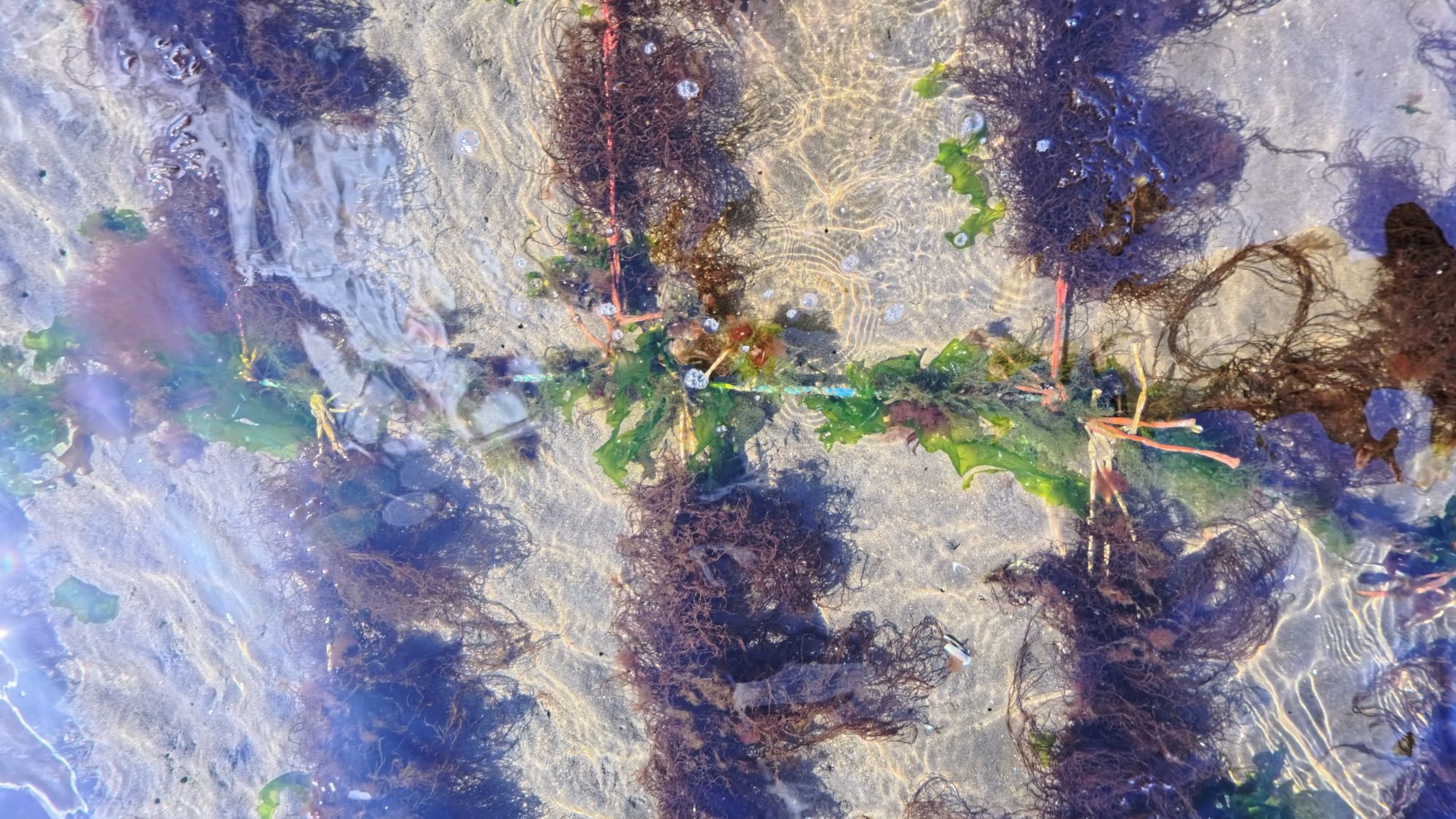
In Chile, activities include regular inspection of seeded areas to identify unwanted species and track their development. Cultivators must replenish biomass lost to storms and manage epiphyte outbreaks through immediate harvesting and separation of affected algae. All removed biological material must be eliminated on land to prevent propagation, with occasional line depth adjustments serving as an additional control measure.
Monitoring combines basic and advanced approaches. Essential equipment includes thermometers for weekly temperature recording and notebooks for maintaining harvest logs. Institutional support from organisations like Fundación Chinquihue provides laboratory analysis of water quality parameters including salinity and pH. Advanced operations have begun implementing sensors for continuous data collection and drones for aerial monitoring and mapping.
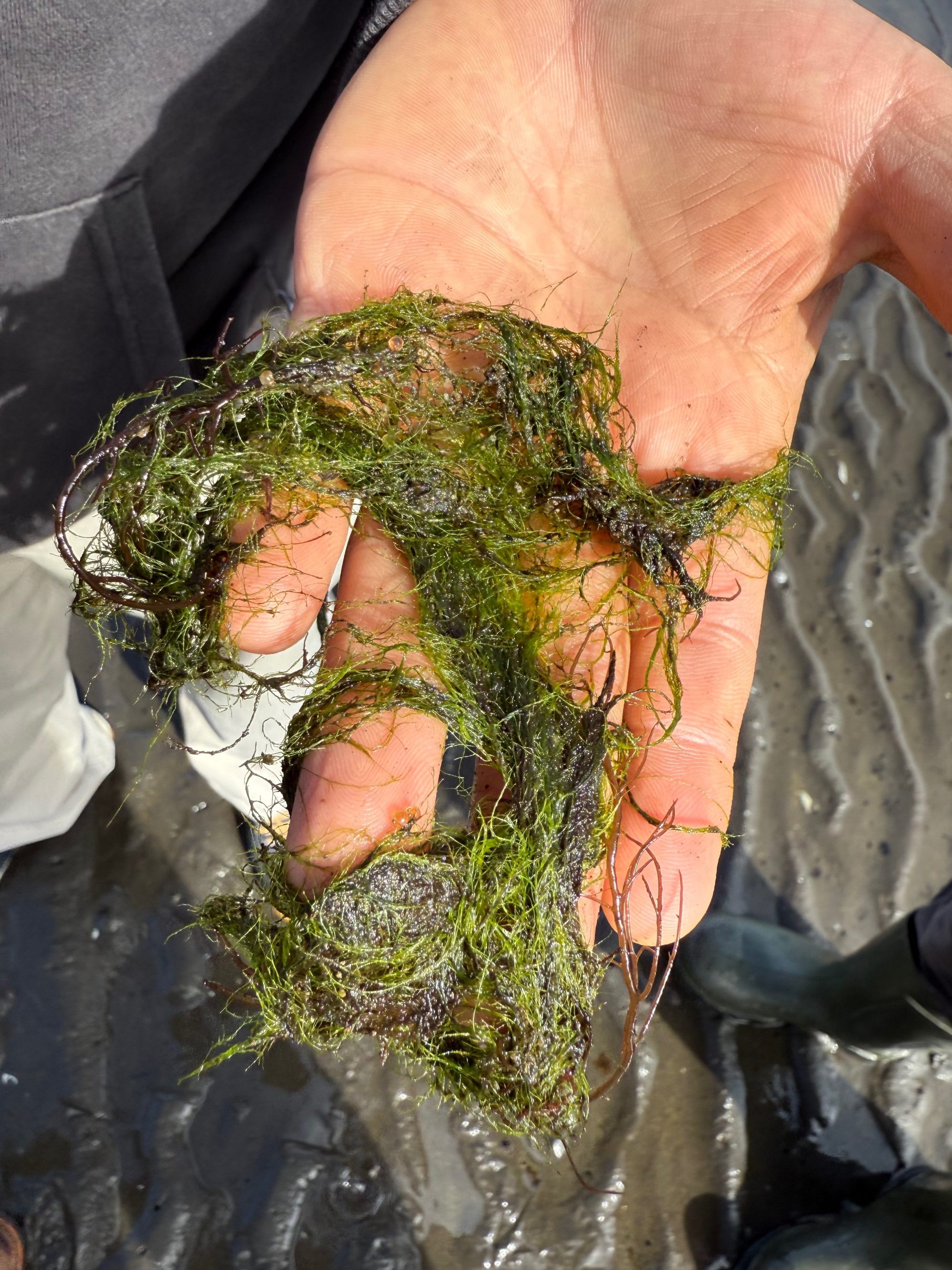
While no diseases have been described for Agarophyton chilensis, the most significant operational challenge involves managing biofouling, particularly mass proliferations of the officially declared plague algae Rhizoclonium sp. Additional threats include diatom blooms that can surpass 100% epiphyte load, and various red algae epiphytes. While Gracilaria beds naturally serve as a refuge for invertebrates and as spawning grounds for fish, these ecological functions are not considered a direct concern for the culture itself.
The cultivation strategy emphasises preventive biofouling control through careful site selection and thorough preparation. Farmers should clear cultivation areas of existing pests and minimise sediment-trapping structures to maintain water circulation, but its certainly not a common practice. Genetic renewal through spore-based seed incorporation provides further protection against filamentous algae.
The industry faces multiple environmental risks including storm-induced line detachment, seismic seabed uplift that has historically destroyed cultivation zones, and persistent pollution from abandoned plastic ropes. Integrated multi-trophic aquaculture trials with species like oysters have shown limited success, constrained by biofouling complications and the predominantly symbolic nature of mitigation cultivation practiced by salmon farms for regulatory compliance.