Gracilaria Farm Design
East & South-East Asia
Overview
based on 5 interviews conducted across 2 major producing regions in 2 countries
Cultivation methods
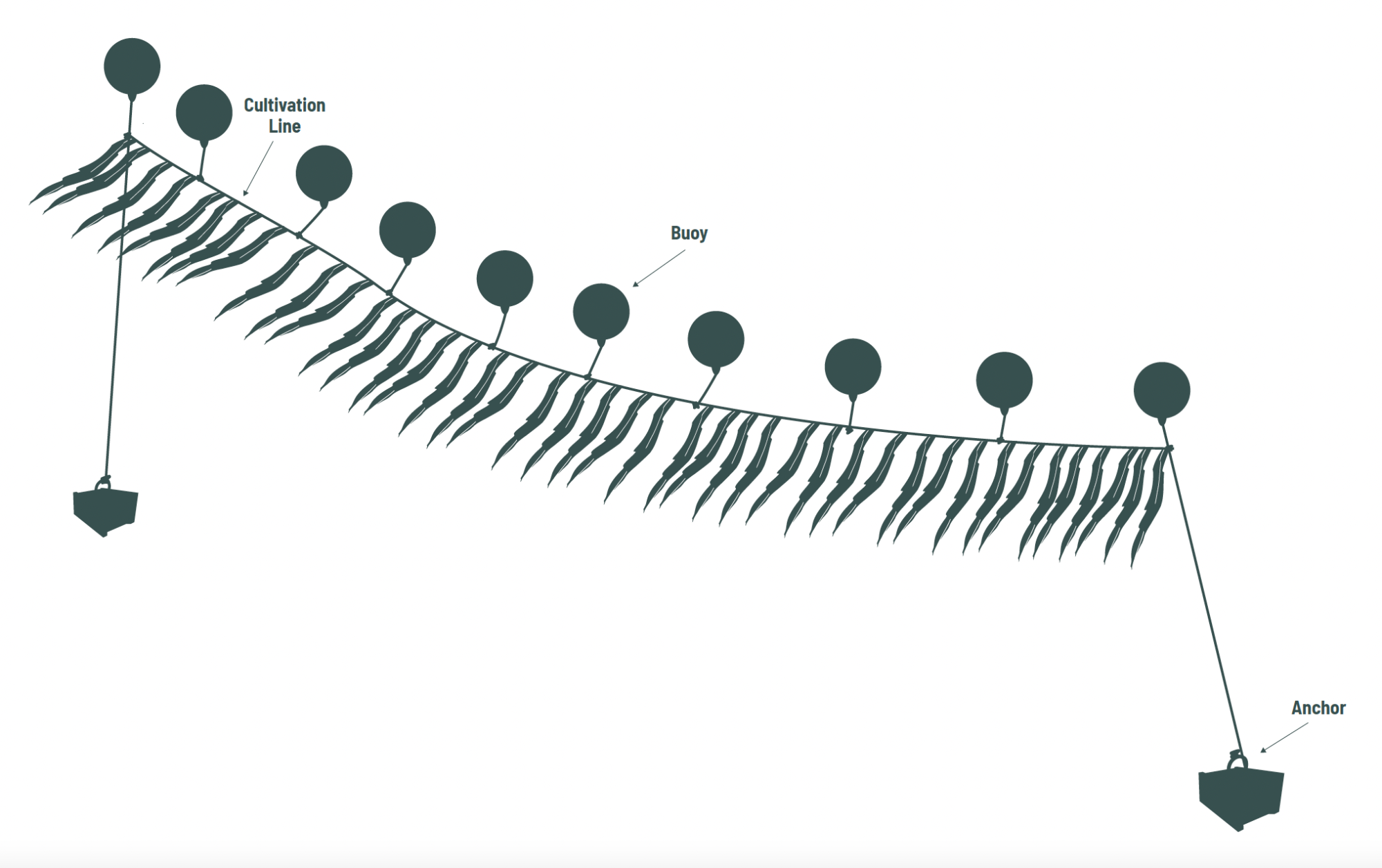
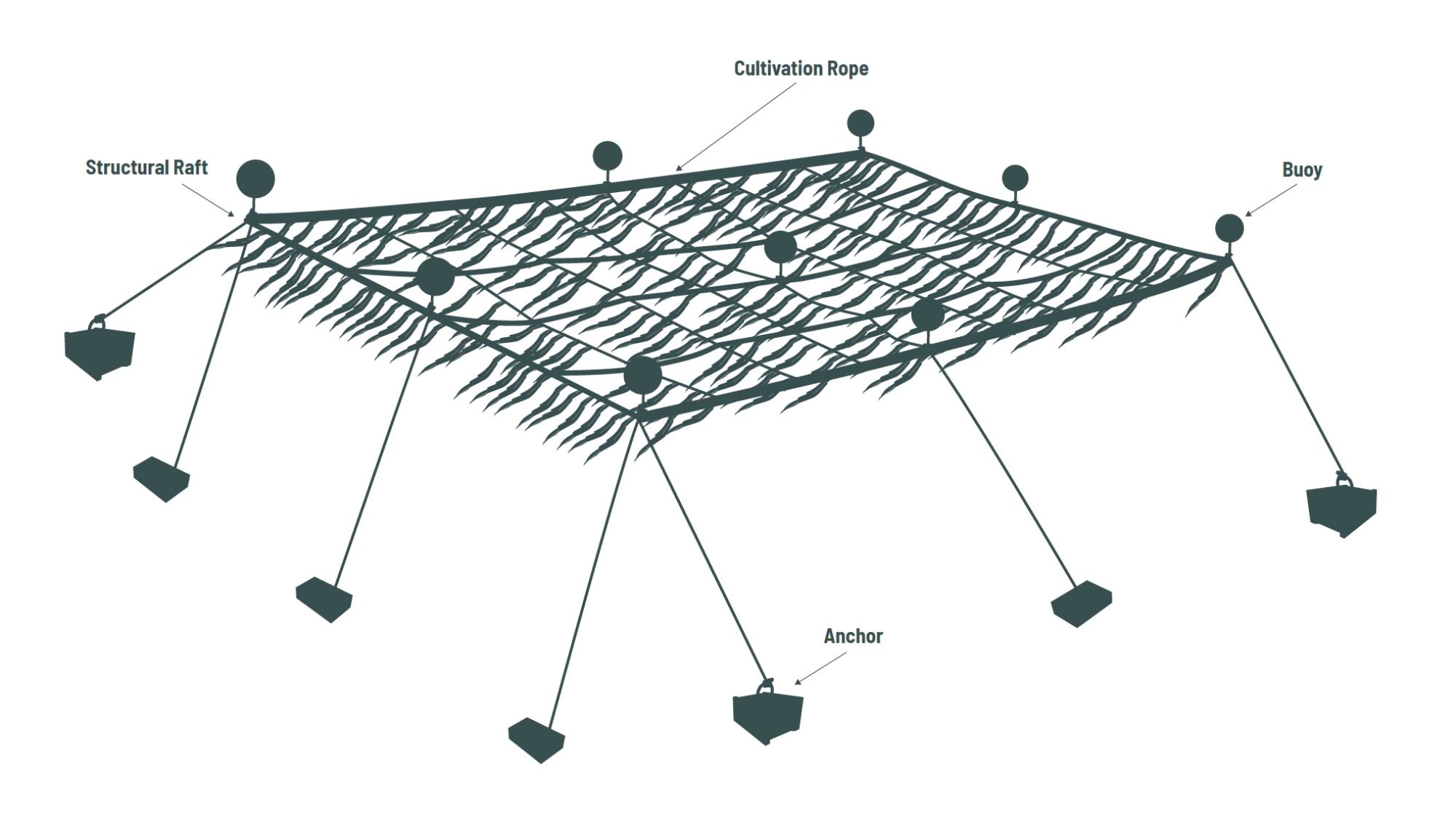
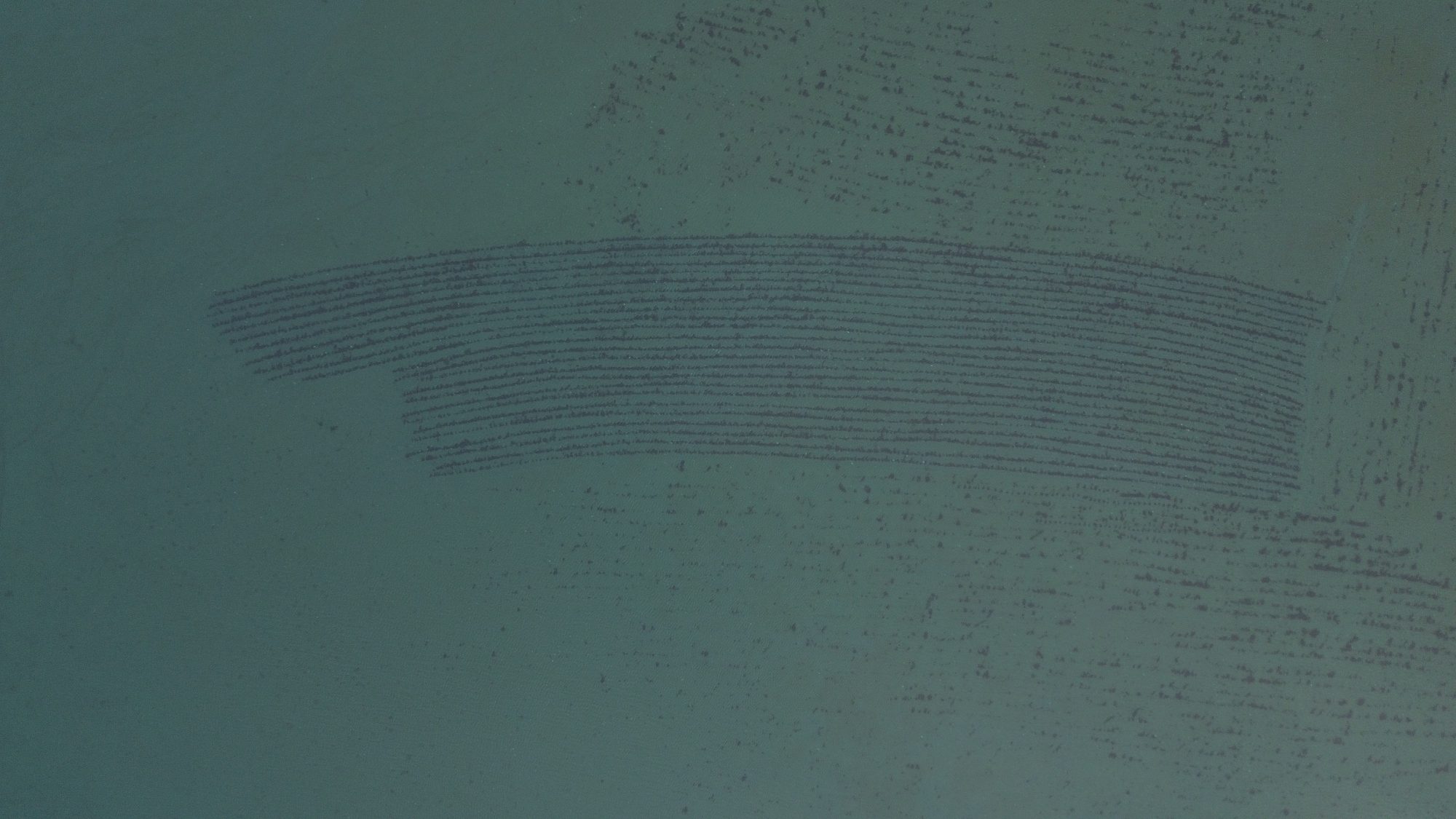
In Indonesia, pond-scattering is the main cultivation method. Farming Gracilaria at sea has a lot of potential and is becoming more popular. For cultivation at sea, the floating/hanging long line method, which is also used for Eucheumatoid farming, is applied for Gracilaria.
In China, cultivating at sea with floating rafts is the most common method. The setup is similar to Saccharina farms, since both seaweed types are farmed interchangeably in the North of China. Pond-scattering cultivation also exists in the South of the country (Fujian and Guangdong mainly), but at a much smaller scale than the sea-based cultivation in the North.
Investing in pond farming for Gracilaria is relatively low compared to open sea cultivation, since fewer materials are required. However, maintaining the inlet and outlet system of the culture ponds is important to circulate water and maintain water quality. The farmer needs to exchange water at least every three days during high tide.
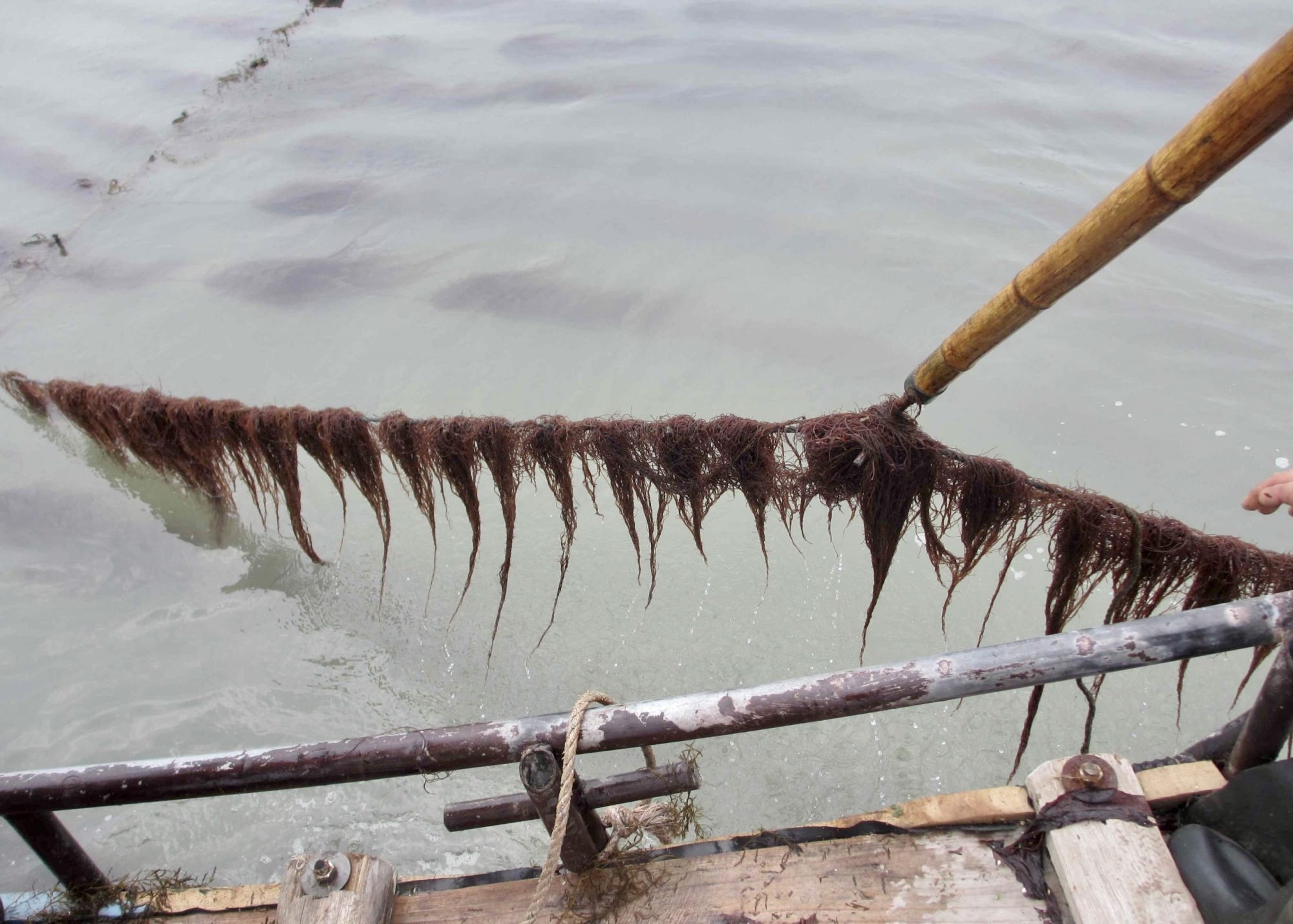
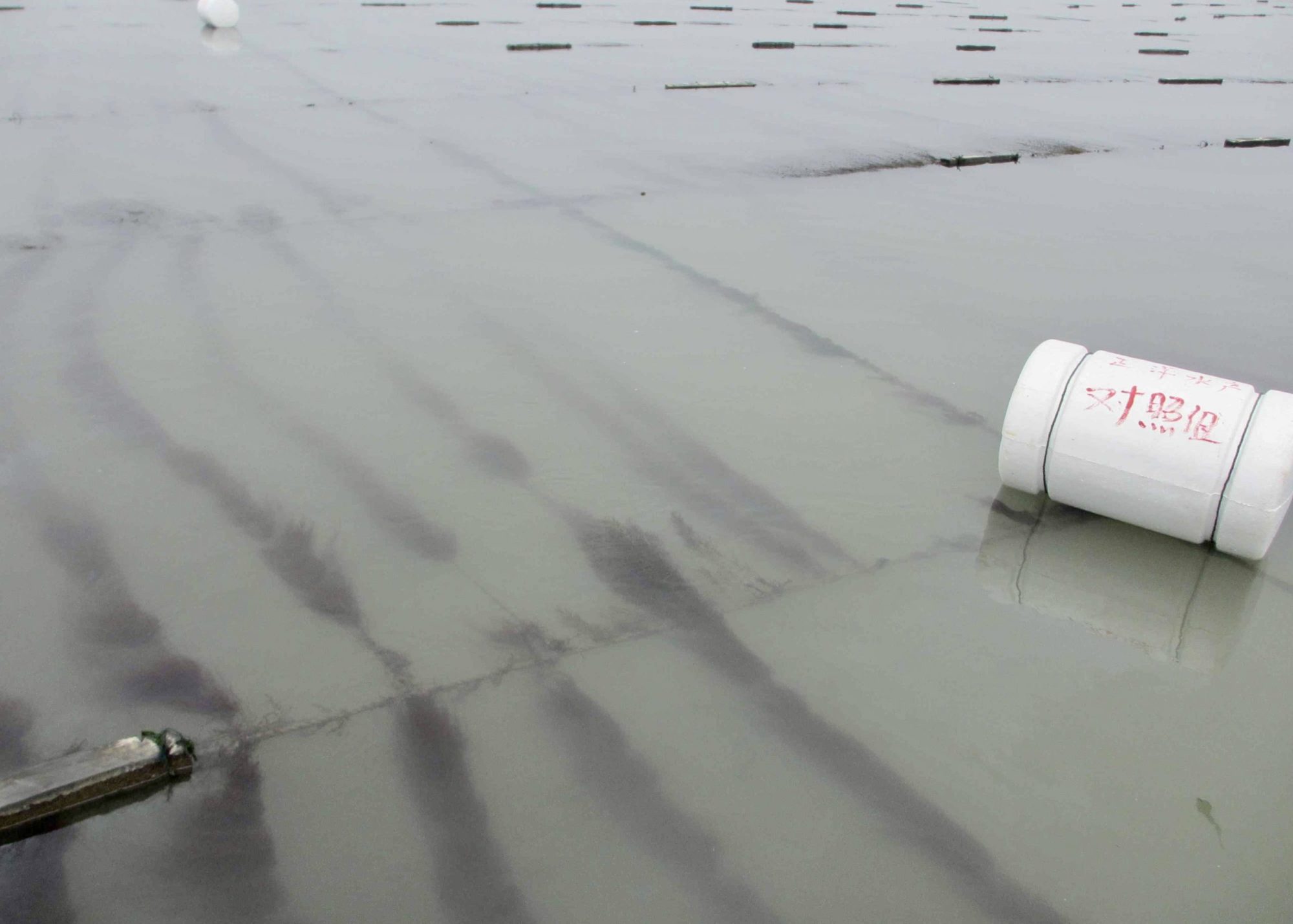
Pond scattering-cultivation is probably the easiest method of seaweed cultivation and Gracilaria a very suitable species, due to its robust character.
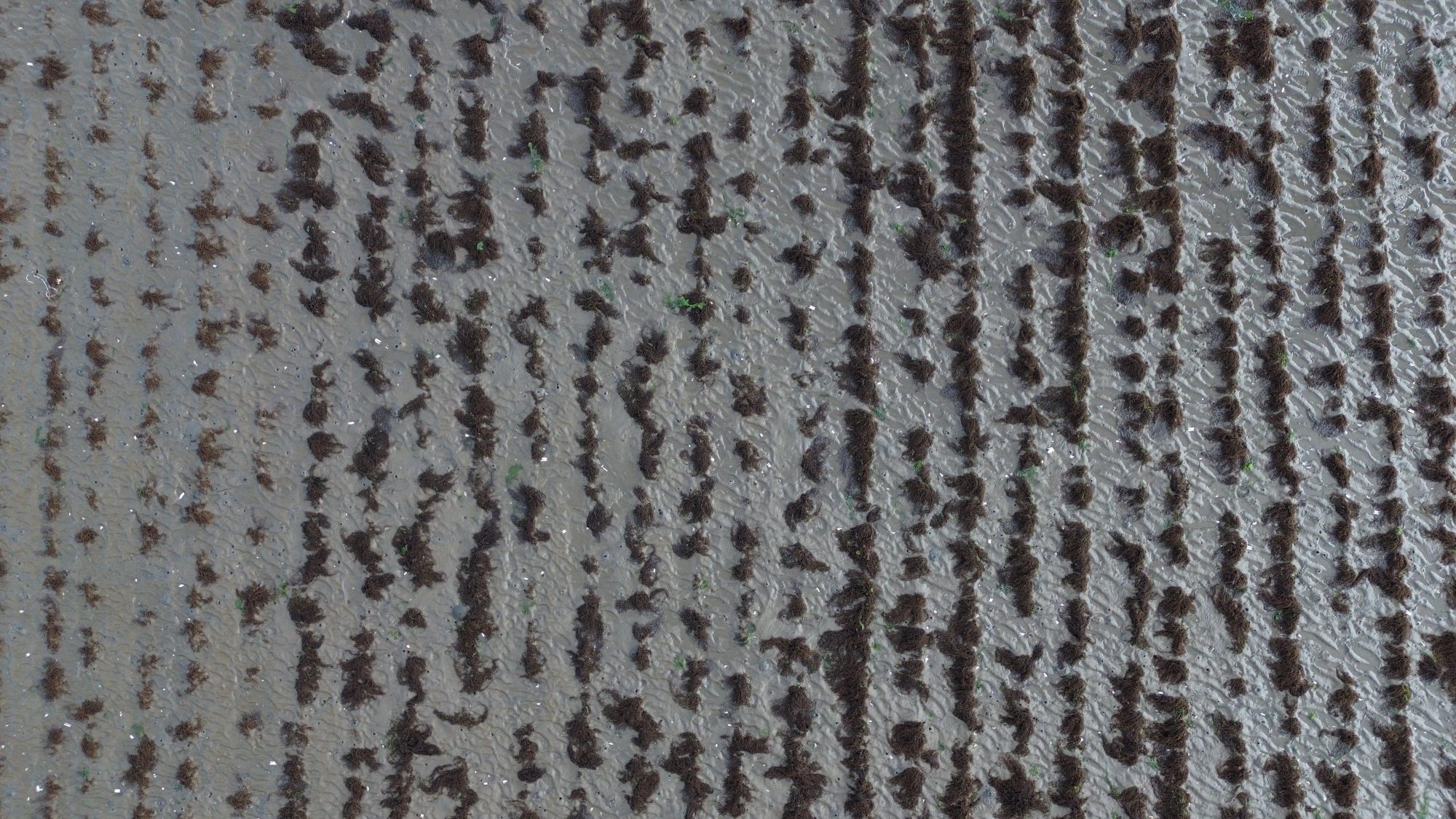
In other parts of the world, where smaller quantities of Gracilaria are produced, other methods are common. Chile has its unique cultivation methods, since the native Gracilaria species Gracilaria chilensis can survive burial in sandy mud, thallus fragments can be pushed in the mud or held down with sand-filled polyethylene tubing. Harvesting is by hand, taking care not to remove the underground thalli. This method is confined to sheltered intertidal and shallow subtidal sandy areas. India is experimenting with tube-net and monoline methods in open sea (Mantri et al., 2020, Kavale et al., 2021 and Kavale et al., 2022).
South America
Overview
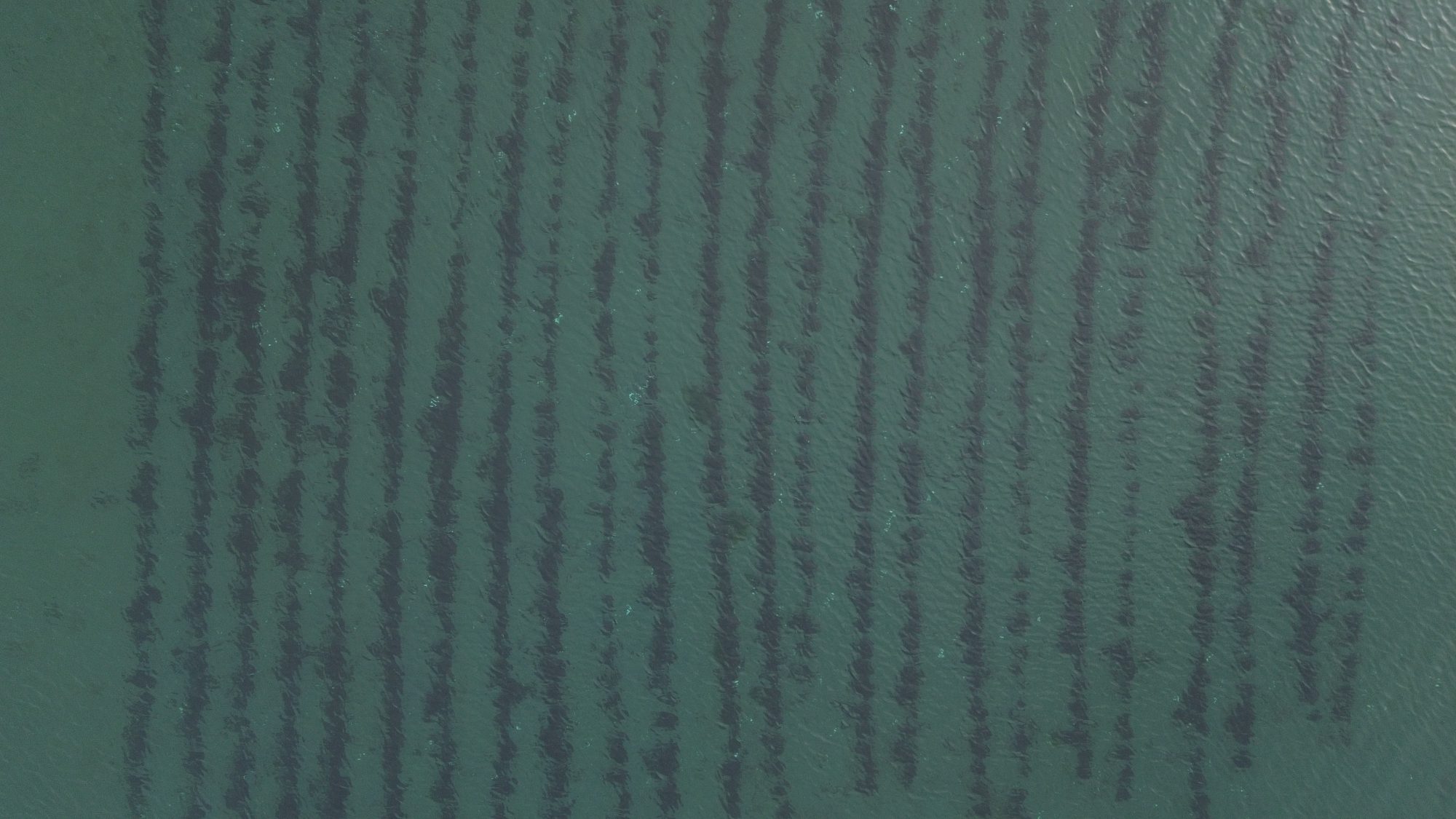
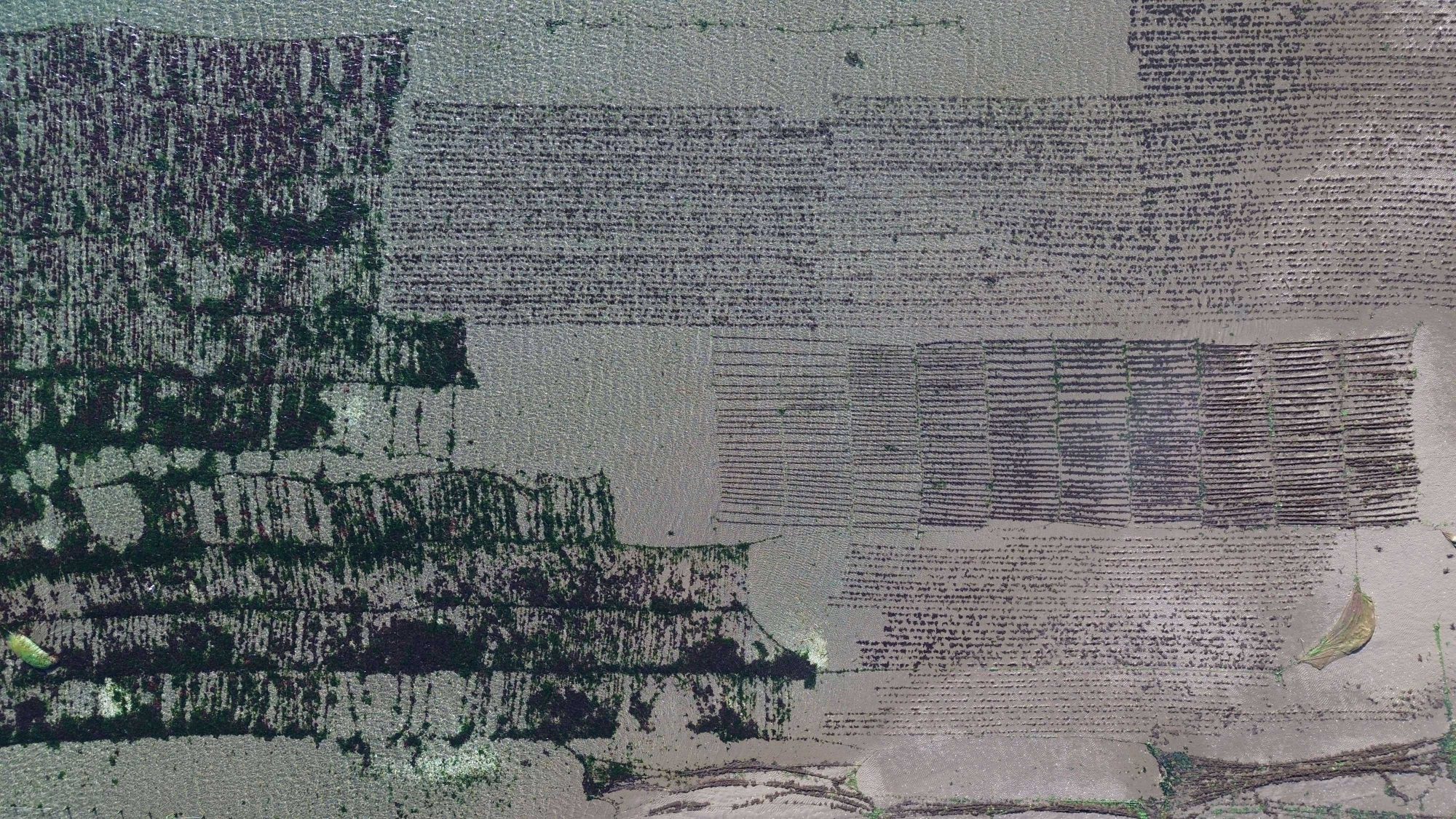
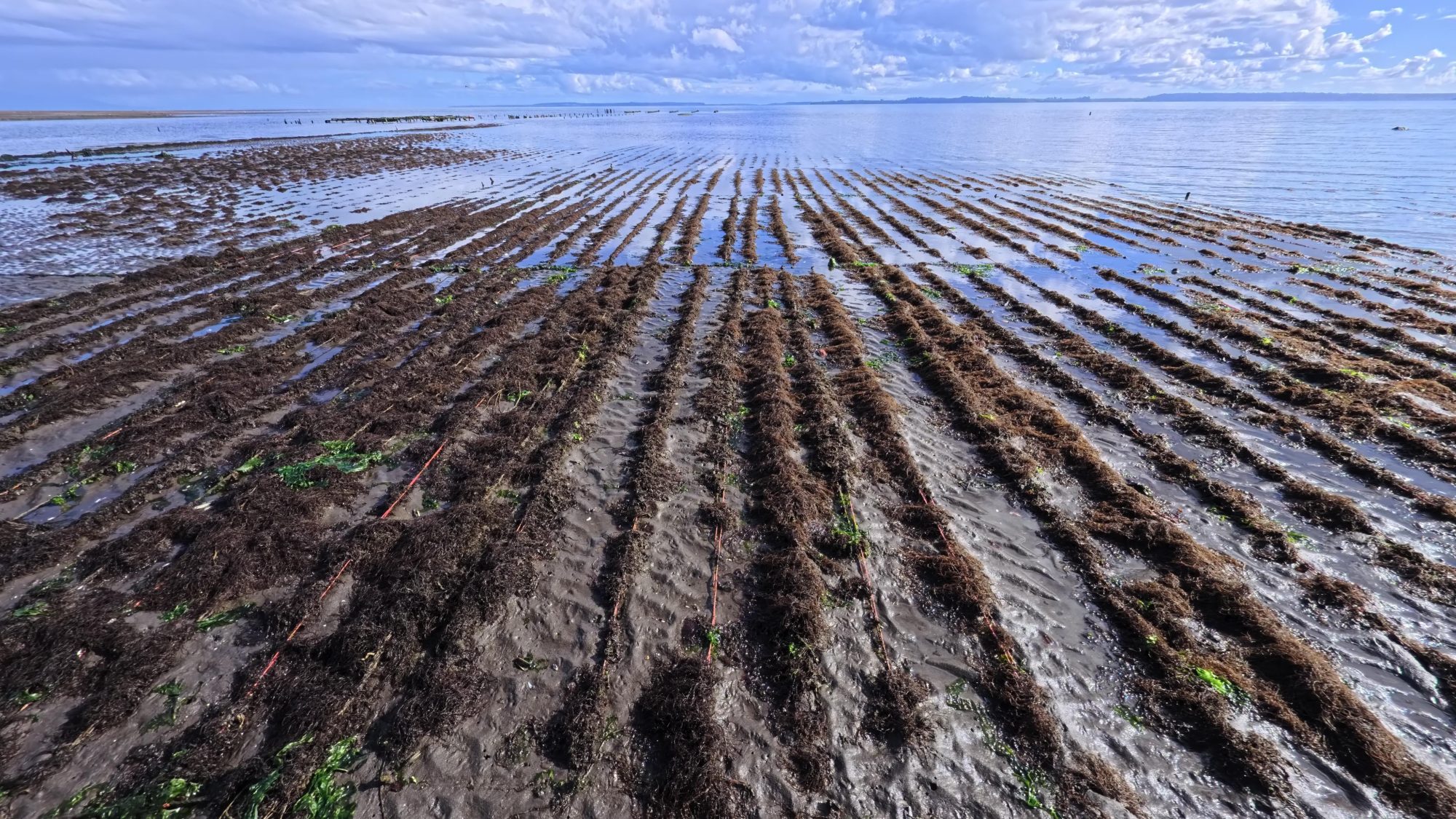
In Chile, Gracilaria is cultivated using two primary methods defined by their infrastructure. The traditional method is bottom culture, where Gracilaria is seeded directly into the seabed. This method doesn’t require infrastructure at all and generates no inorganic waste from the cultivation itself (such as microplastic from the cultivation lines used for other types of seaweed farming).
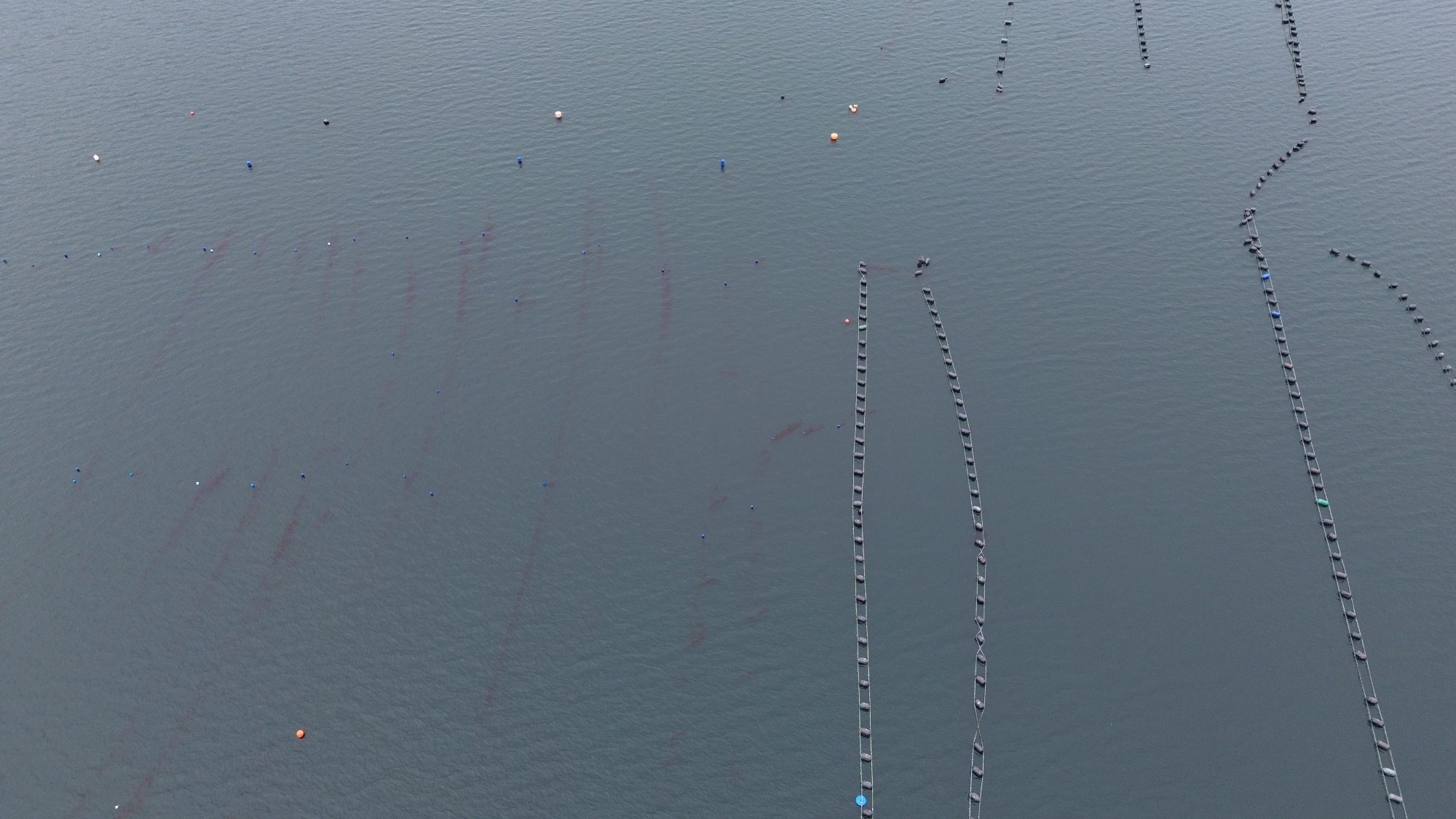
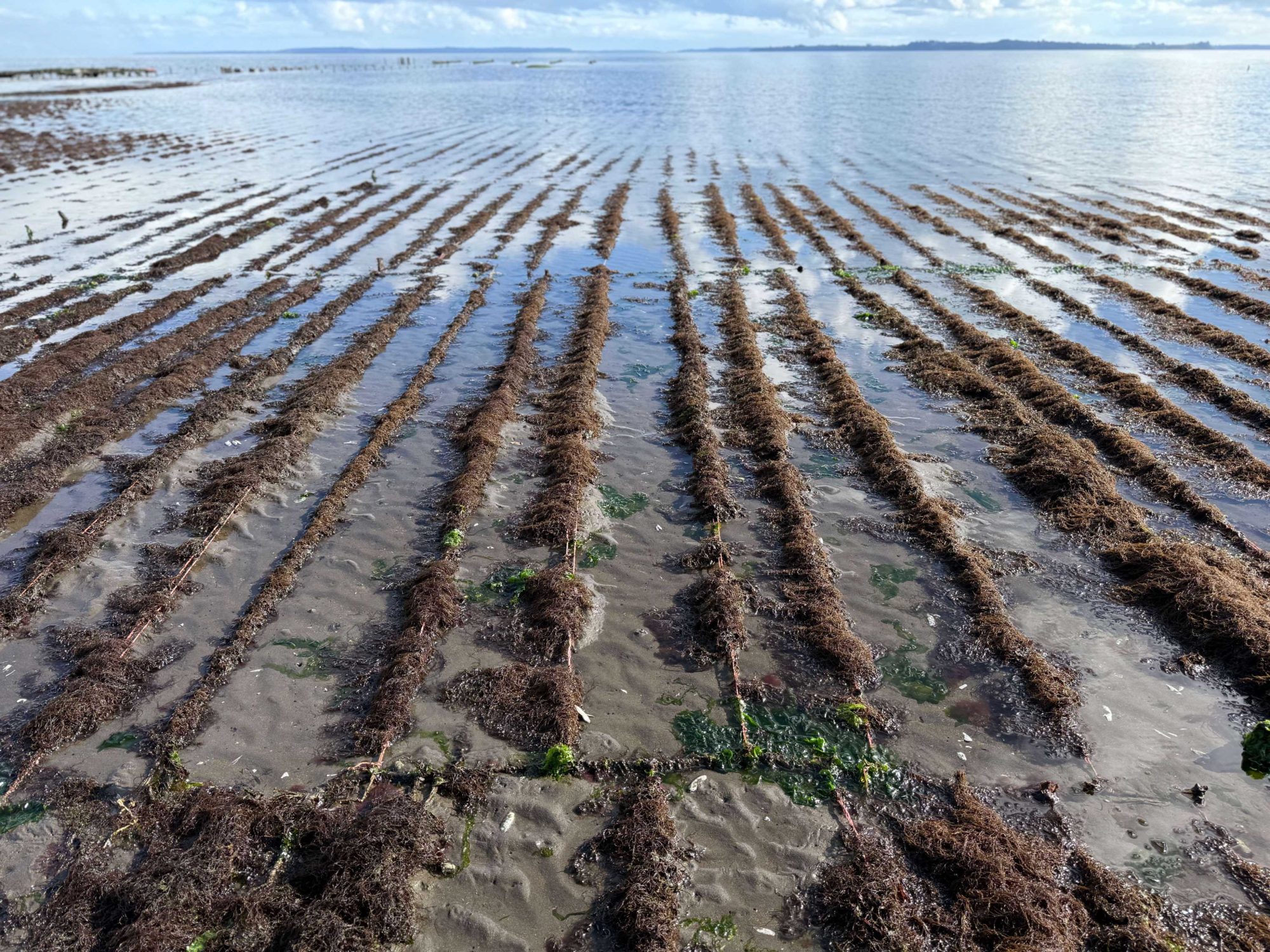
Another approach, are ropes fixed off bottom, which uses longlines held afloat by buoys and anchored securely to the substrate. This method requires a higher investment in ropes, floats, and anchoring systems but keeps the algae in the water column for better light exposure and water flow. A key operational challenge is the accumulation of inorganic waste from discarded ropes and other materials.
Anchors
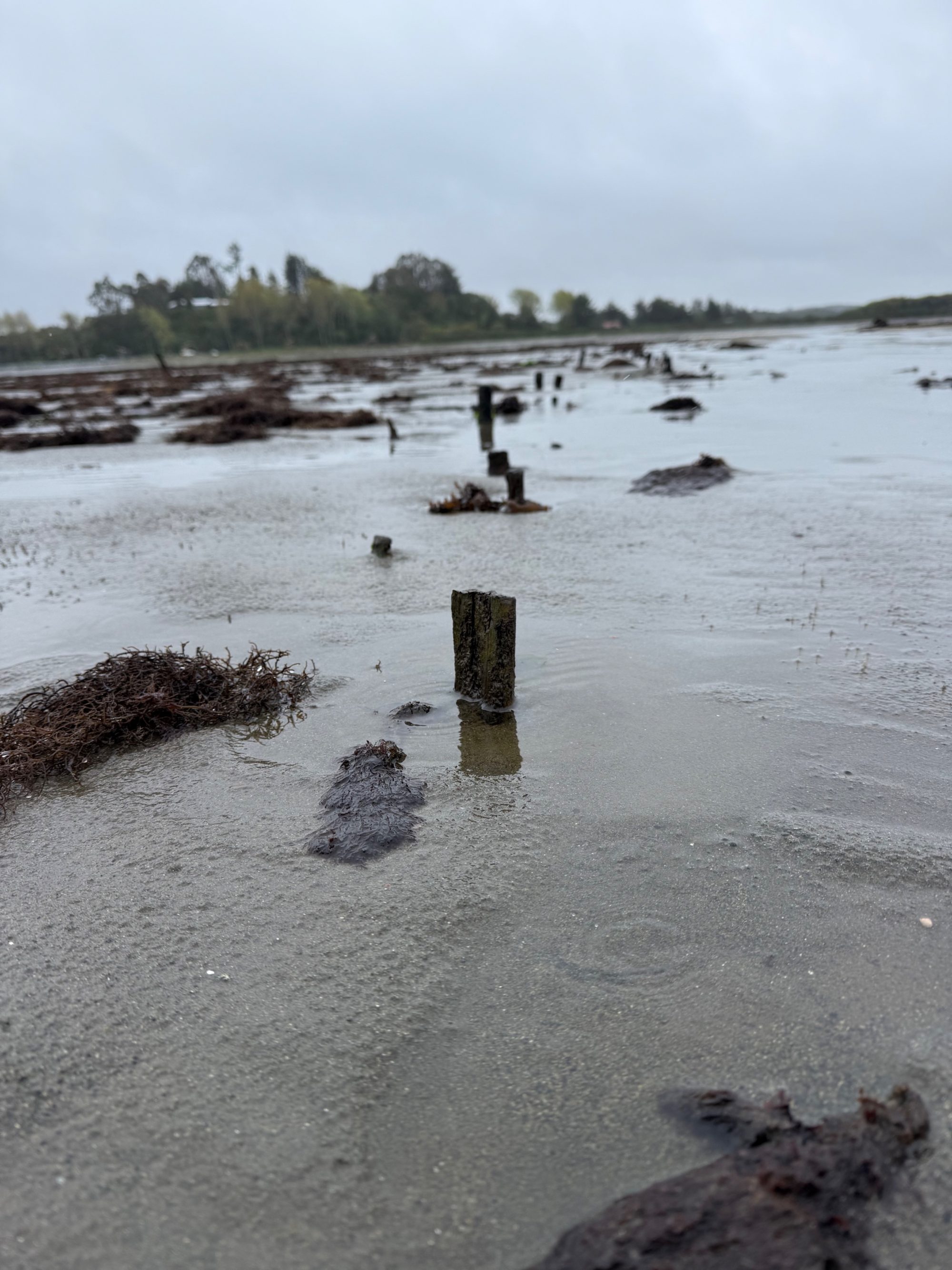
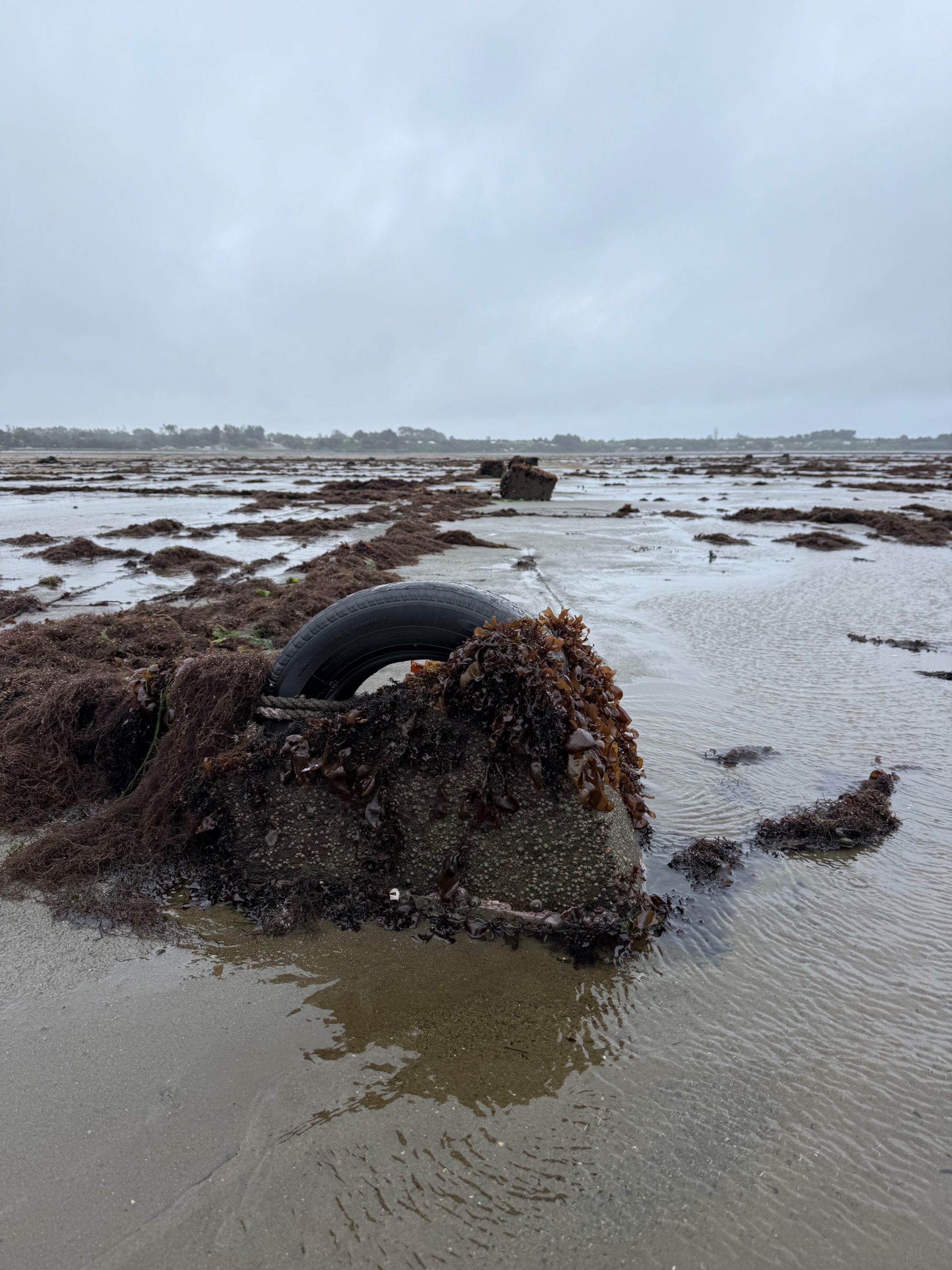
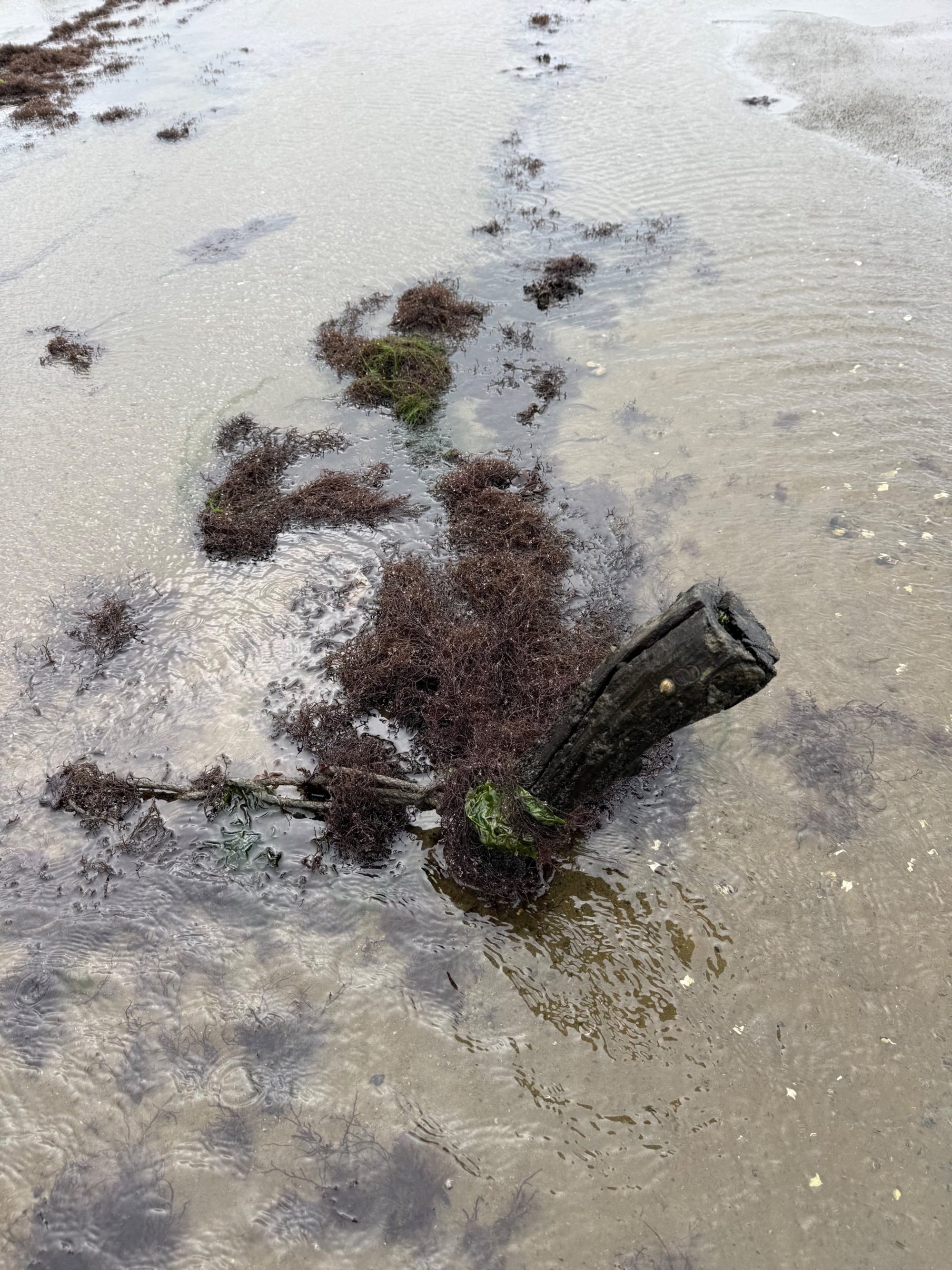
In the longline method, the farm-rig is traditionally secured using stone bundles, concrete or wooden stakes, though excessive stake use can cause ecological issues like sediment accumulation. Hydro-anchors are used increasingly; they are installed using water pressure at a fraction of the cost of traditional concrete blocks and can be deployed rapidly.
Rope material
The fixed off bottom systems rely on polypropylene ropes, which serve as the substrate for attaching algae. However, historically, abandoned polypropylene ropes have degraded in some bays, such as Caullin (Chiloe), causing severe ecological problems and contributing to a serious ecological issue if not properly managed and retrieved.
Floats
Floats are used in suspended line systems to maximise light and water flow. The industry is characterised by resourcefulness, with farmers widely using repurposed materials.