Global Production Overview
Overview
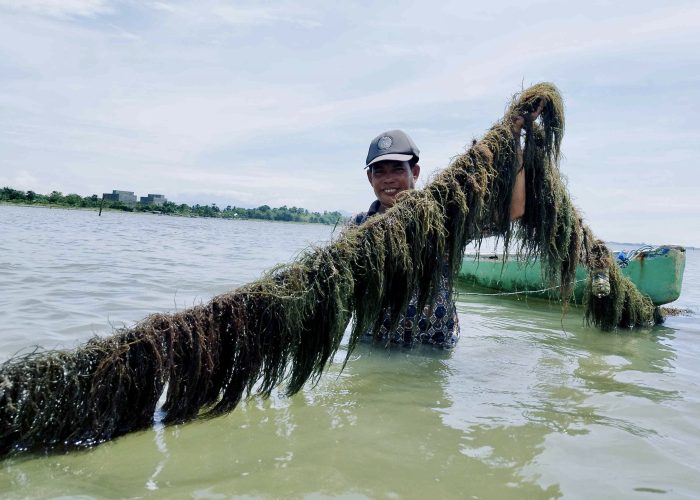
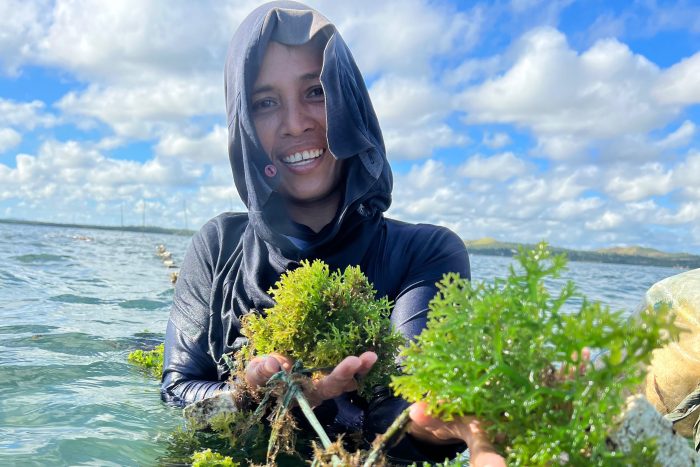
Commercial farming of seaweed began in Asia more than 50 years ago. It has since grown rapidly and seaweed farms are starting to become popular in other parts of the world. Yet, the bulk of seaweed production still takes place in East and Southeast Asian countries, of which China, Indonesia, the Philippines, North and South Korea, Japan and Malaysia contribute a staggering ~98% of farmed seaweed production, globally.
Countries outside of Asia produced less than 2% of the total farmed seaweed volumes in 2020. Nevertheless, the outlook for scaling seaweed production in other parts of the world is promising.
Zanzibar (Tanzania) and Chile are the next two geographies that follow the Asian lead and account for 0.3% and 0.1% of the world’s seaweed aquaculture production respectively.
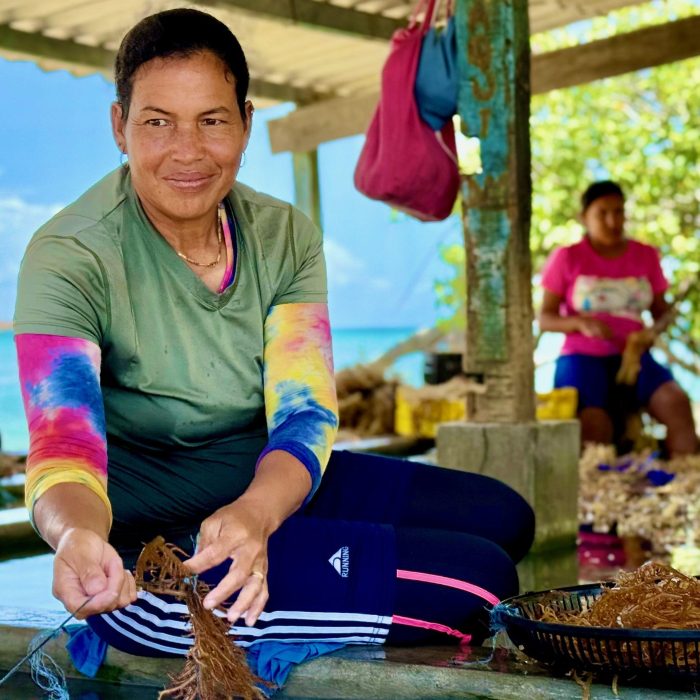
With joint efforts from public and private sector, Europe, the USA and Australia/New Zealand have strong commitments to develop their seaweed industries and show early traction from some pioneering farms. Similarly, Africa and Latin America have high potential to leverage their long coastlines and become the next seaweed geographies.
Accuracy
The production data presented here is based on the FAO Fisheries and Aquaculture database that provides the only account of global production figures of seaweed today. Their data is based on the official production figures provided by national marine agencies.
However, since only a few agencies are comprehensively quantifying seaweed production in their country, these volumes do not always reflect the real supply.
The table on the right provides a high level summary that reflects where the official volumes divert from the real supply of these countries and species.
Explore regional production