Eucheumatoids Site Selection
South East Asia
Overview
The coastline of the coral triangle countries is enormous and diverse. There is plenty of variety in seaweed farm locations and characteristics.
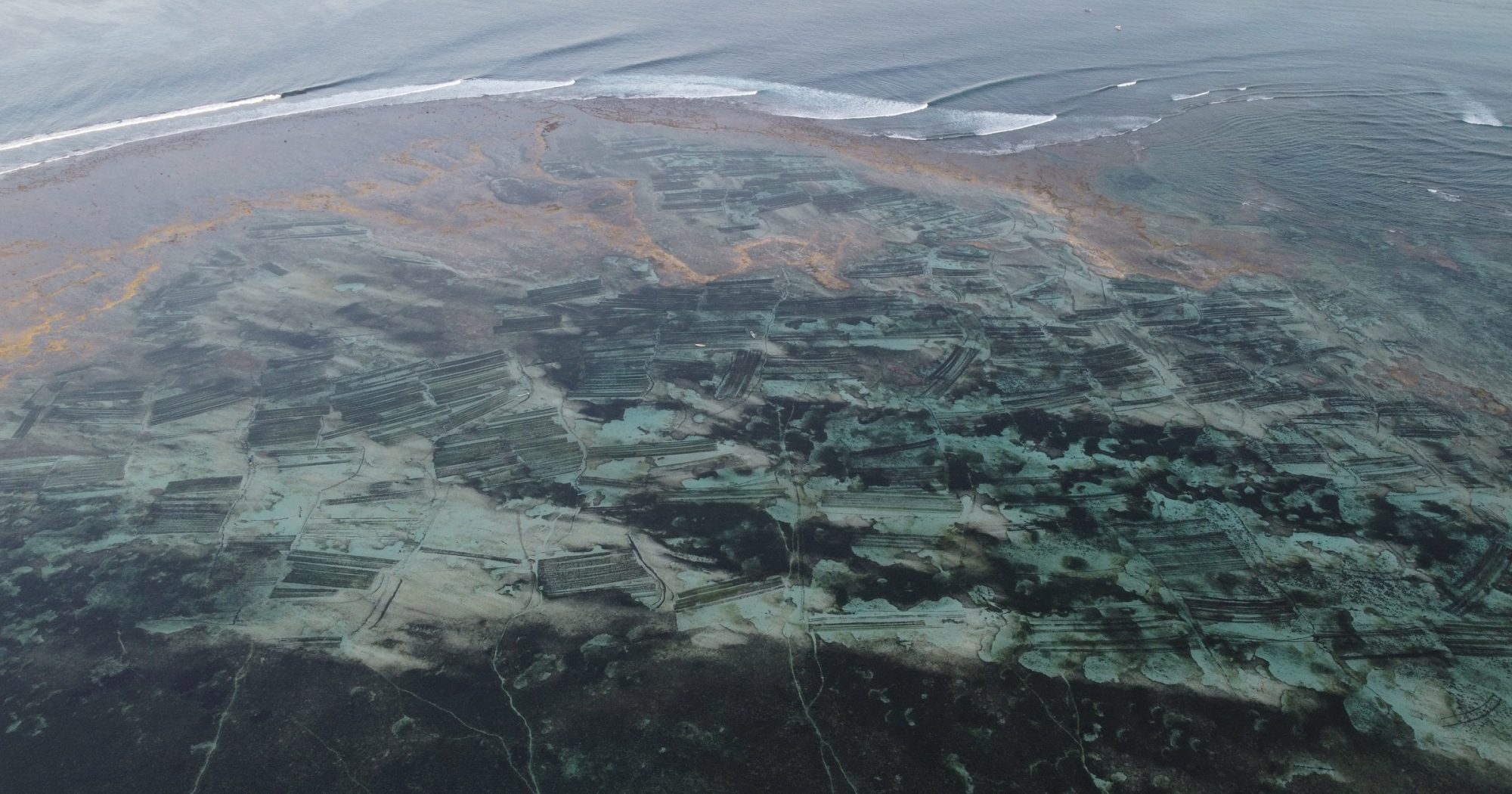
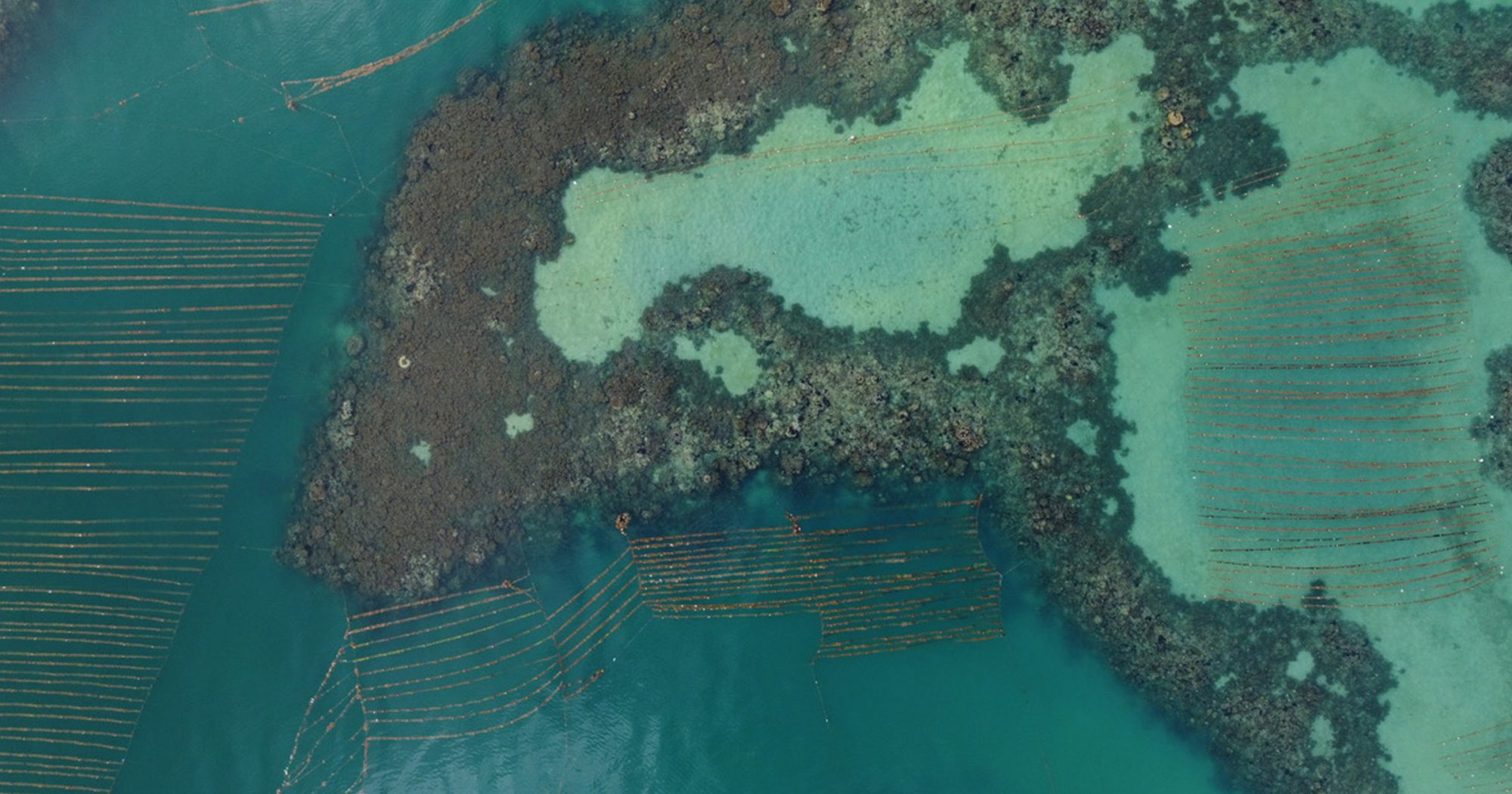
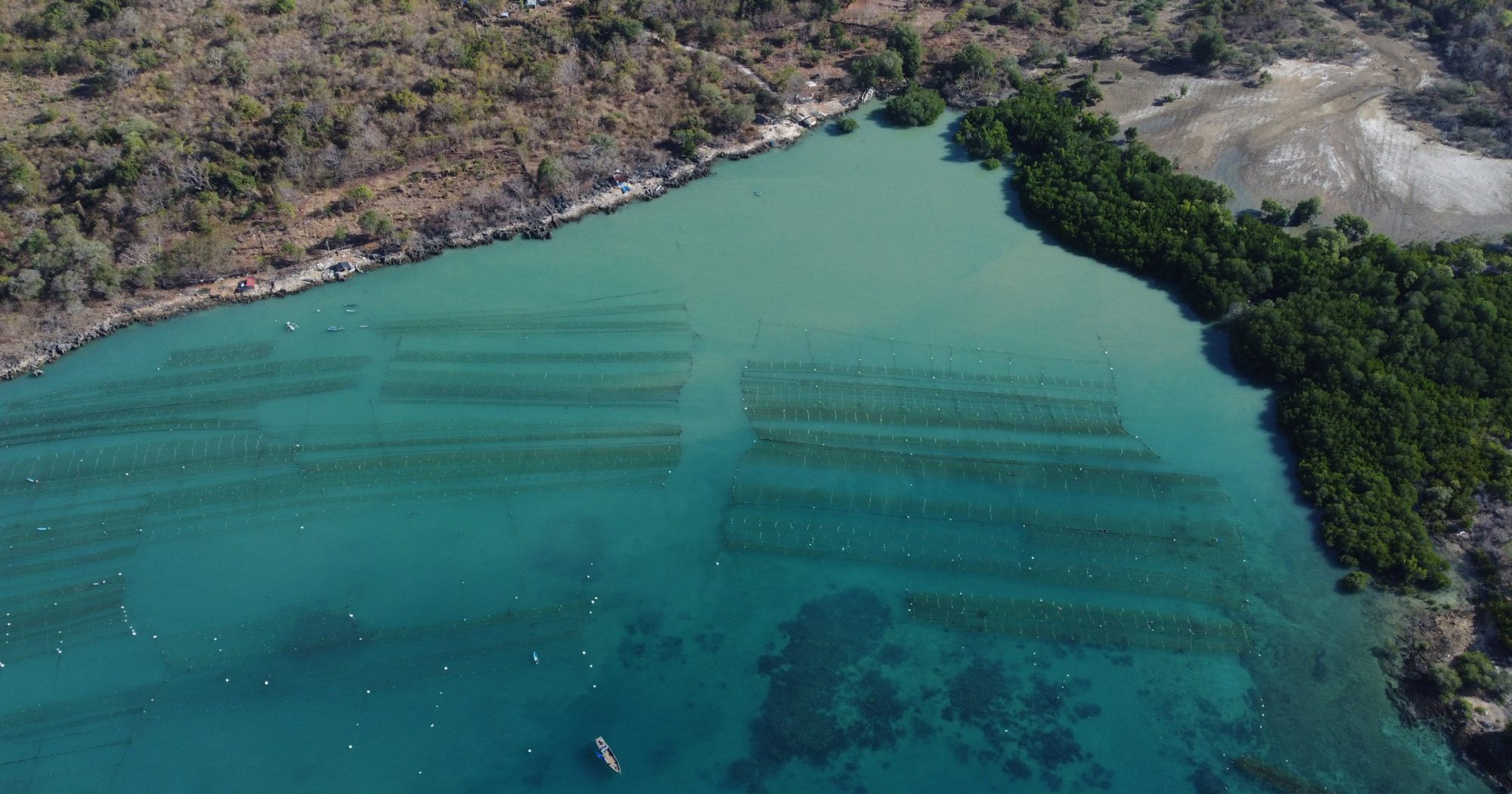
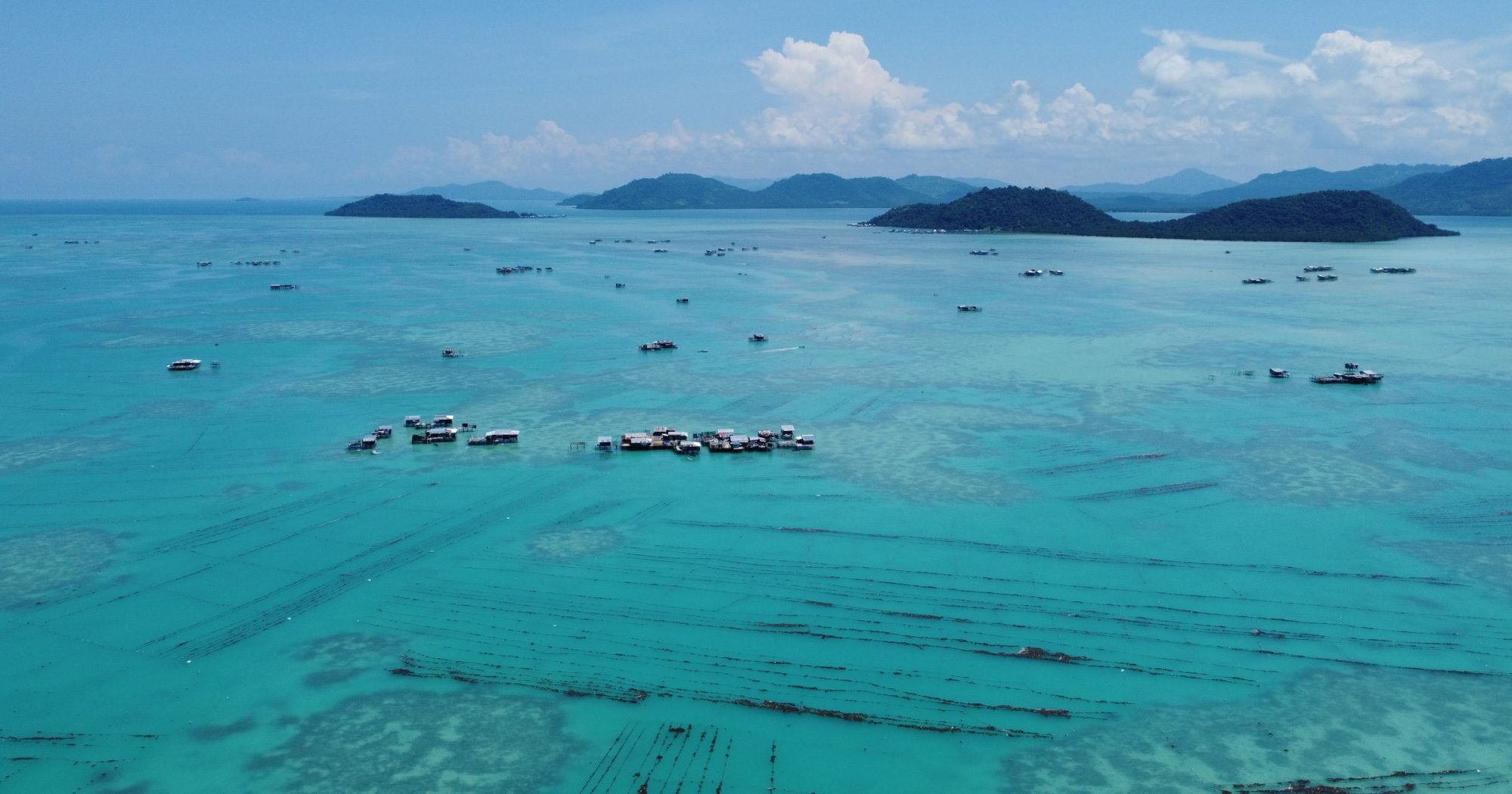
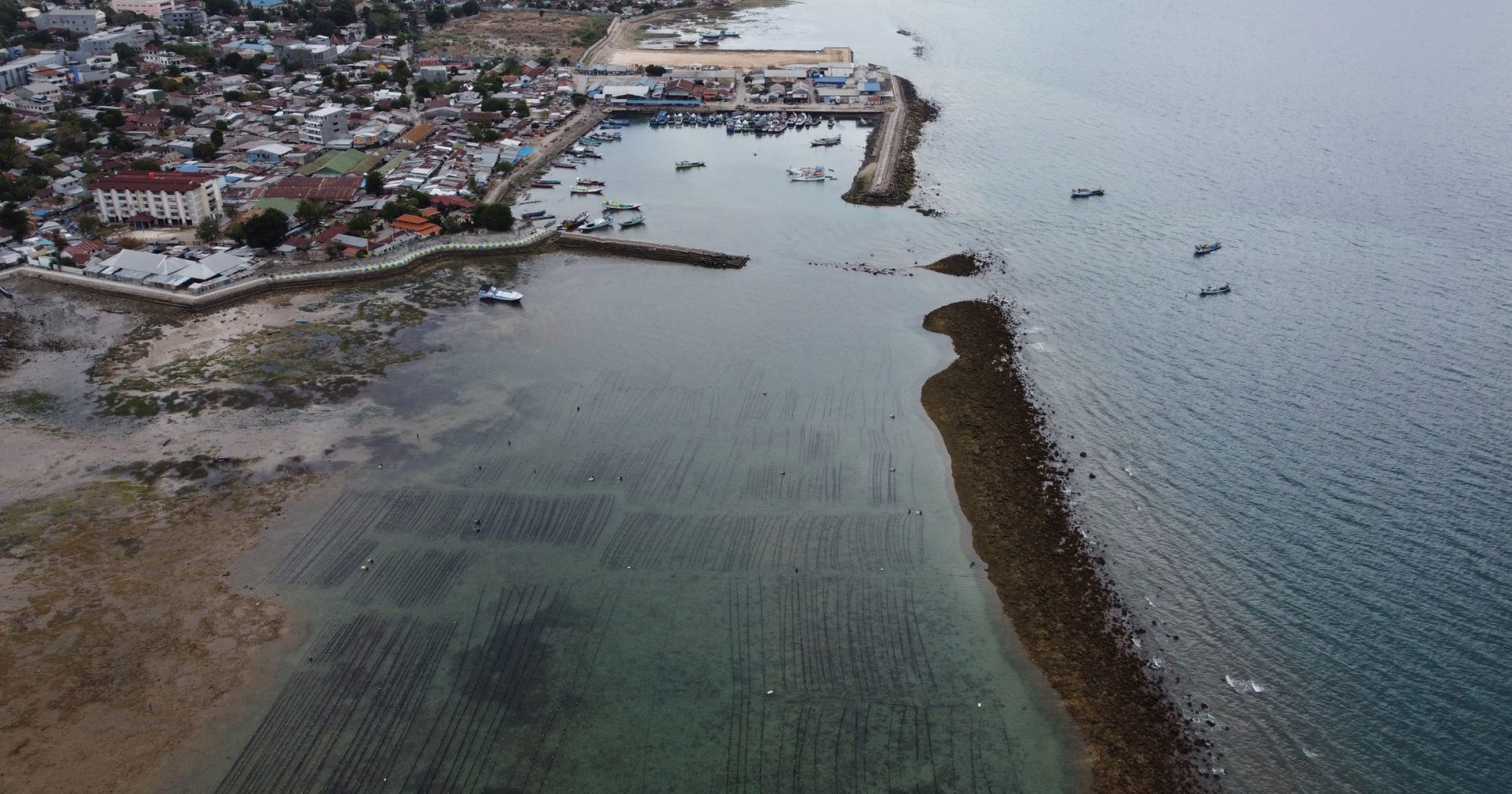
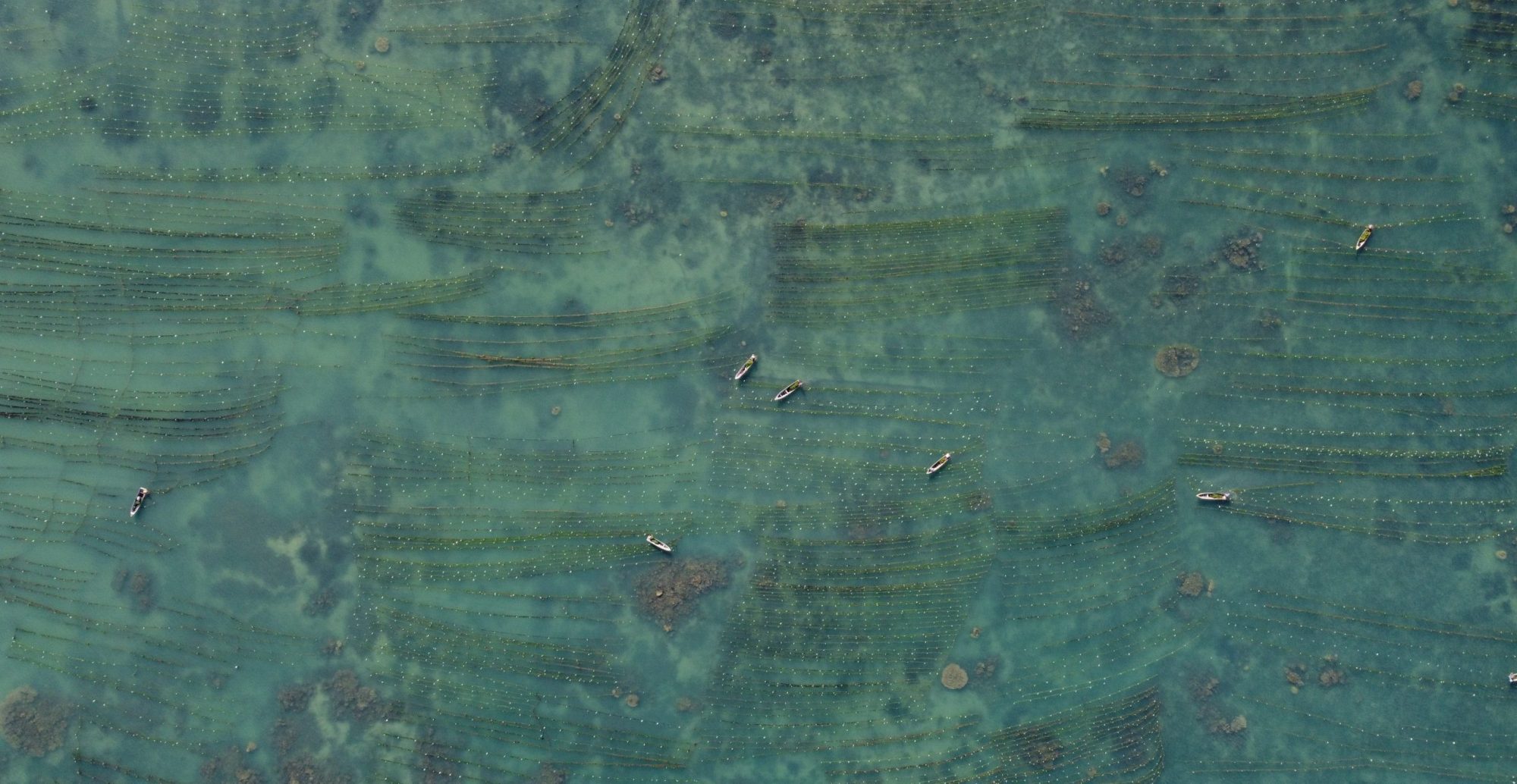
Ideally farmers have more than one farm site, so they can rotate their crops to sites with the best exposure at different times of the year. Seasons and weather will influence the growth of the seaweed significantly, due to temperature and salinity fluctuations. Hence, in the coral triangle regions, the wet season is usually worse for farming seaweed.
Slow water motion is generally not good for growing seaweed, so farmers tend to find locations with moderate water exchange. This ensures a better nutrient availability and helps to remove the sediments that tend to settle on the plants. High level of water turnover also prevents extreme fluctuation in temperature, salinity and other water parameters.
Substrates
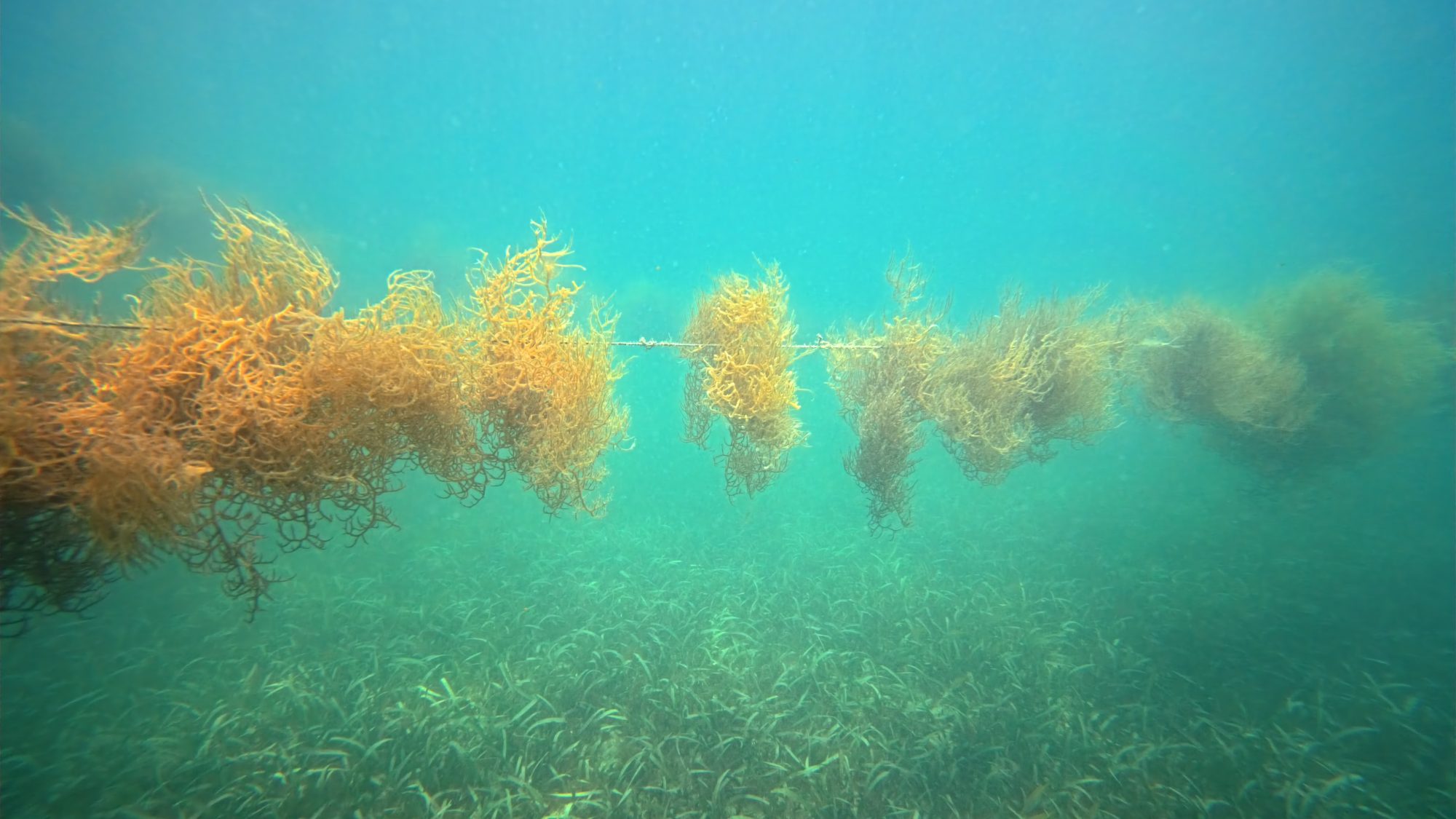
Eucheumatoids are warm water species and thrive in 27-30°C water. In nature, they are found below the low tide mark towards the upper subtidal zone of the reef, and grow over sand, coral or rock substrate, where water movement is moderate.
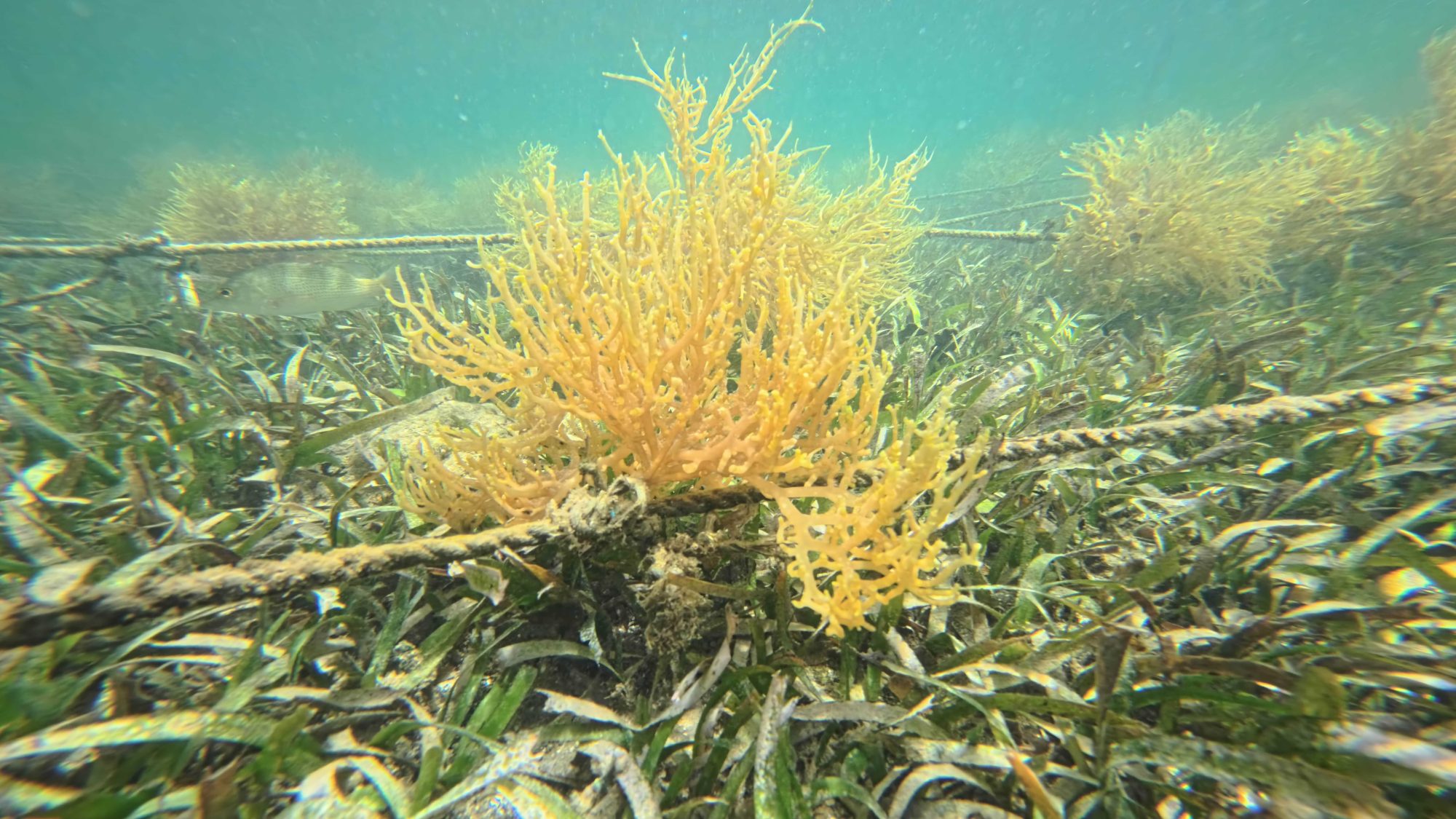
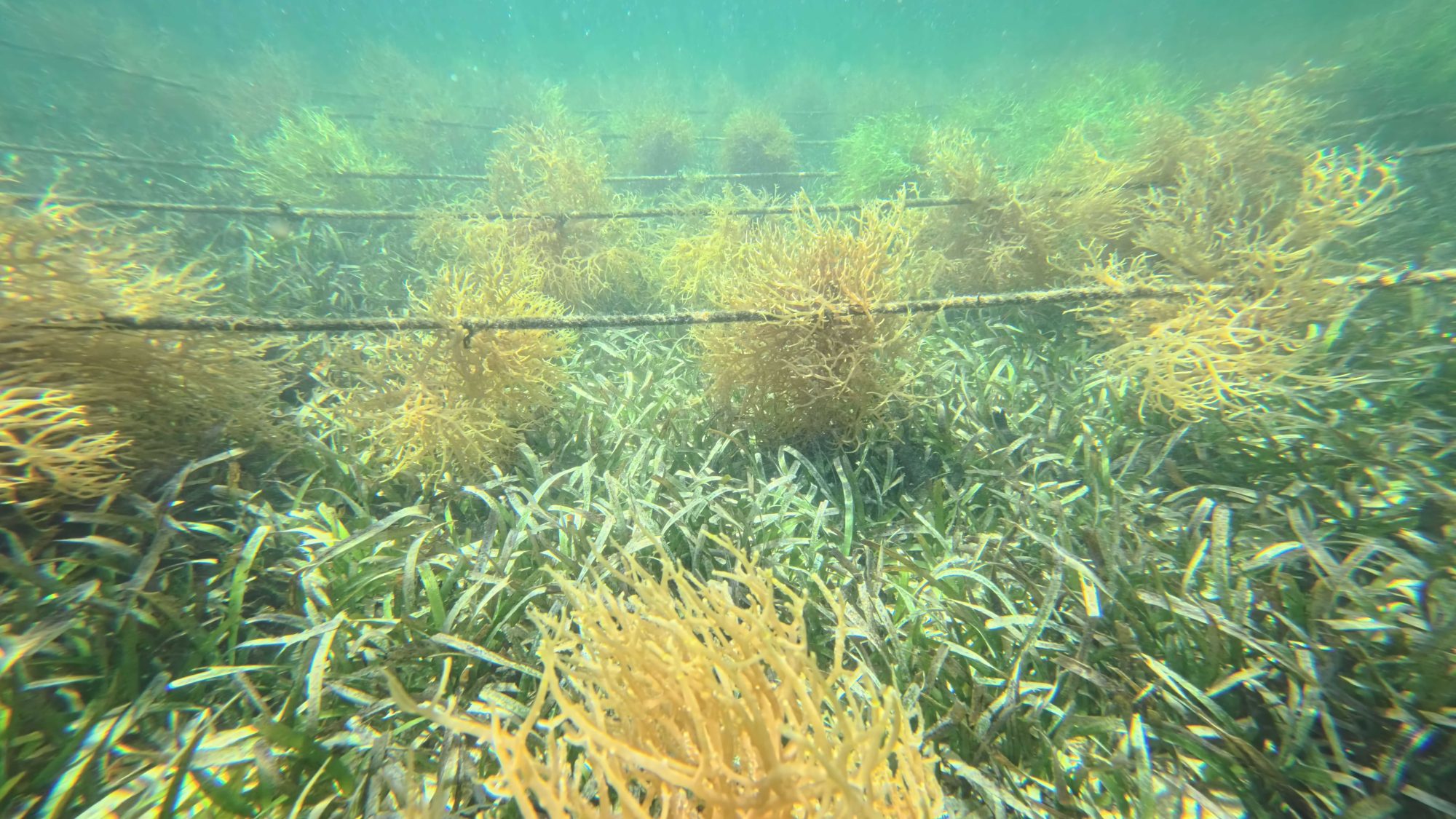
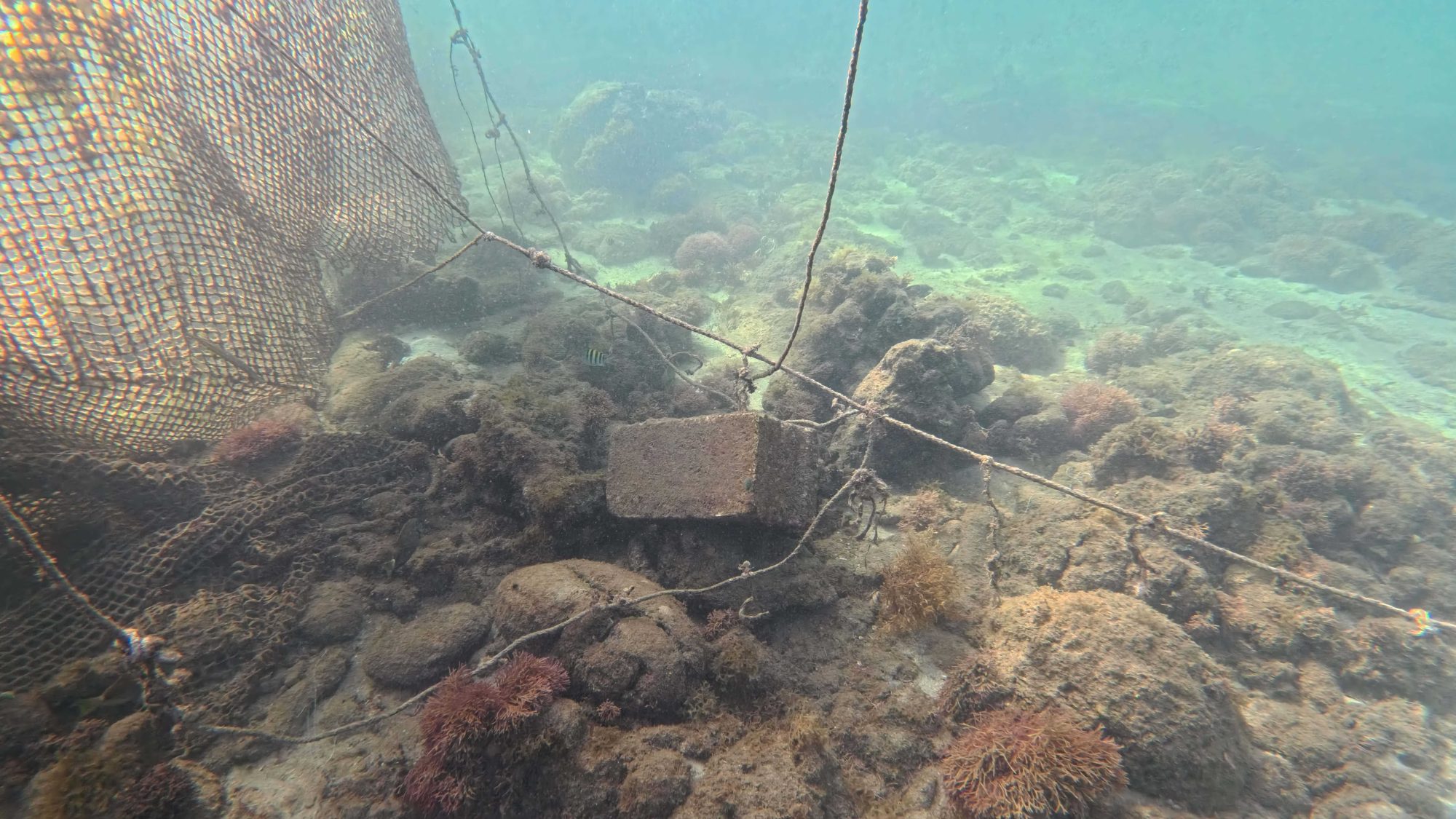
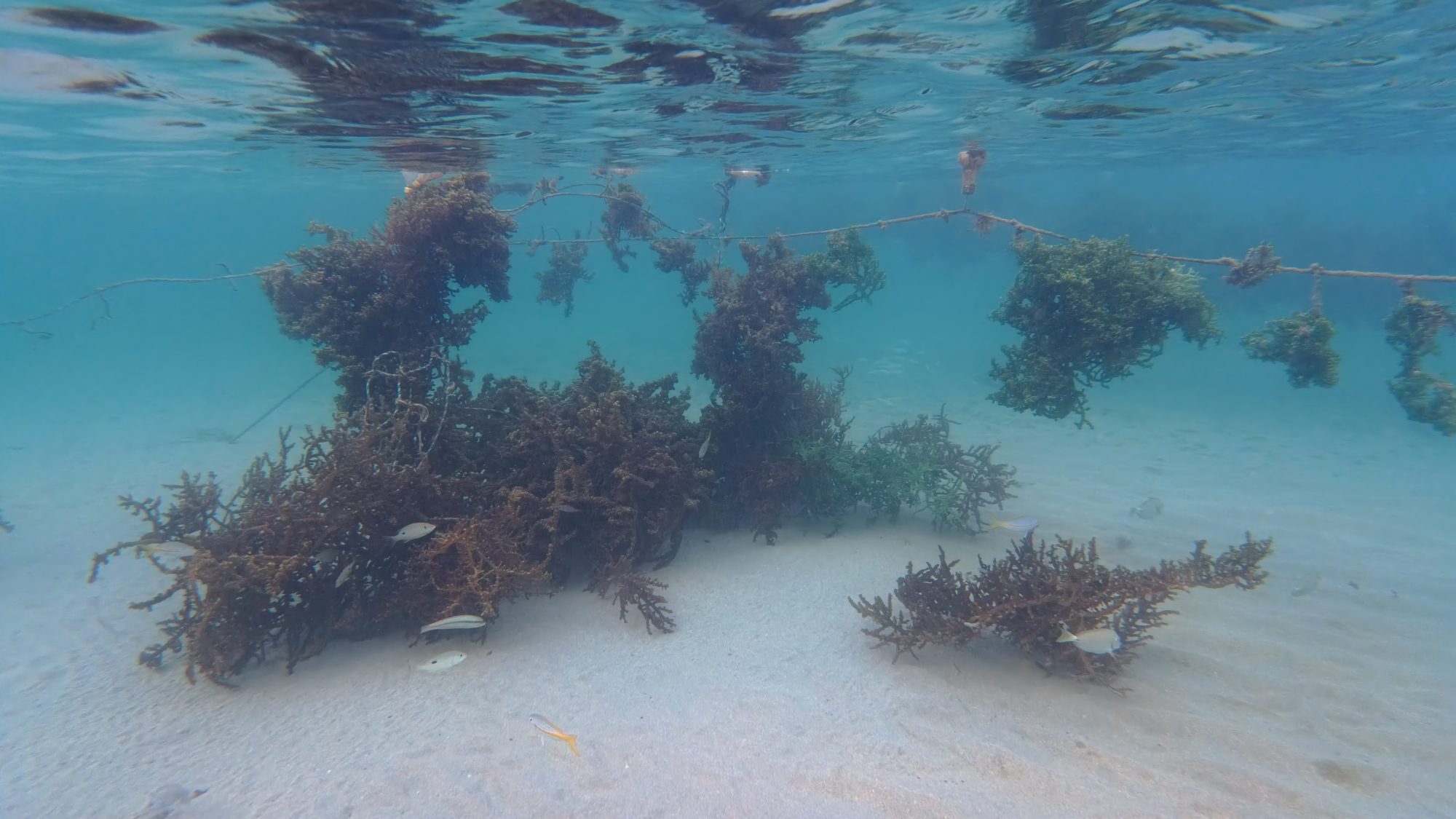
Different substrates beneath the farms indicate how seaweed aquaculture interacts with the environment.
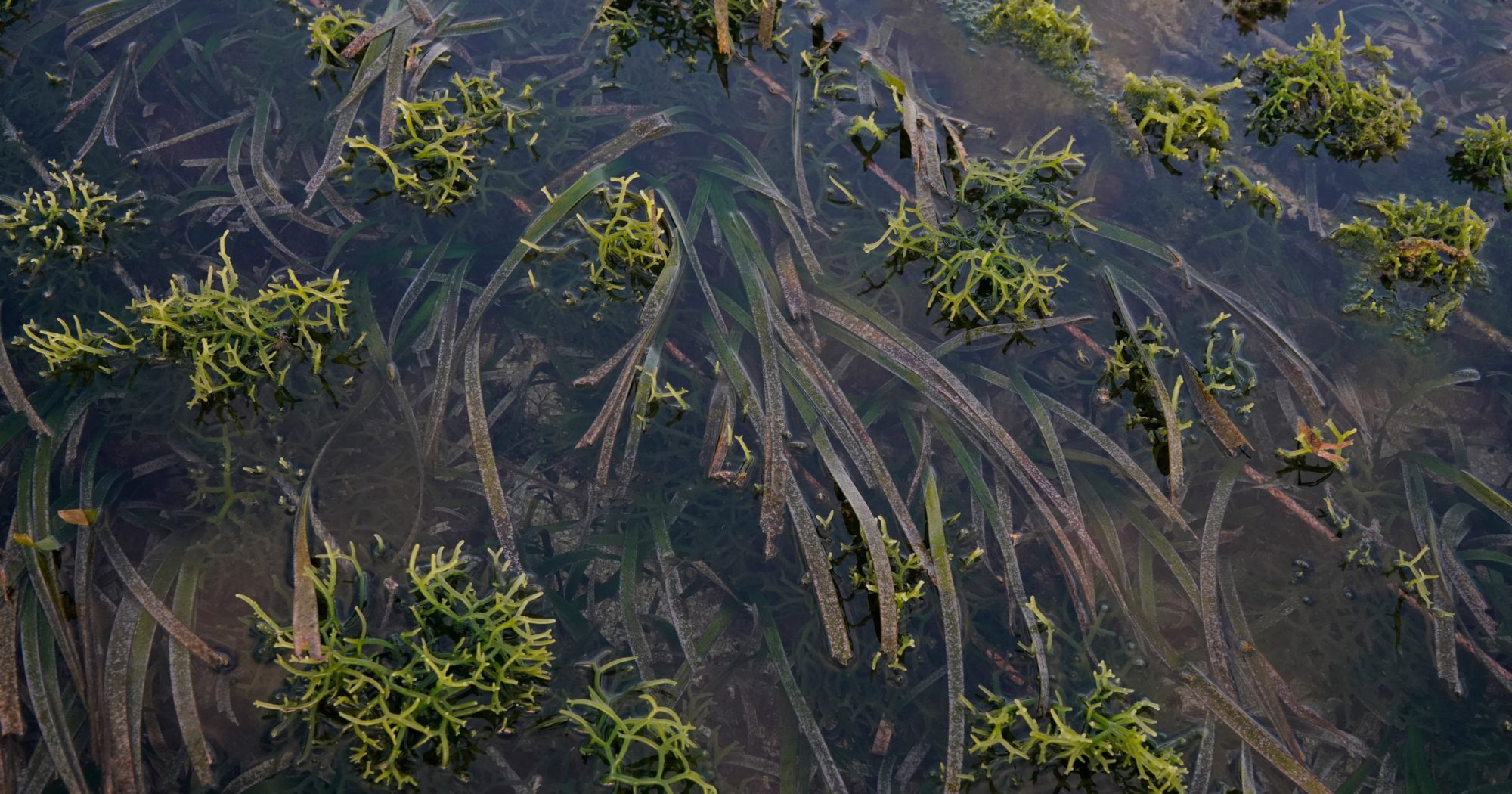
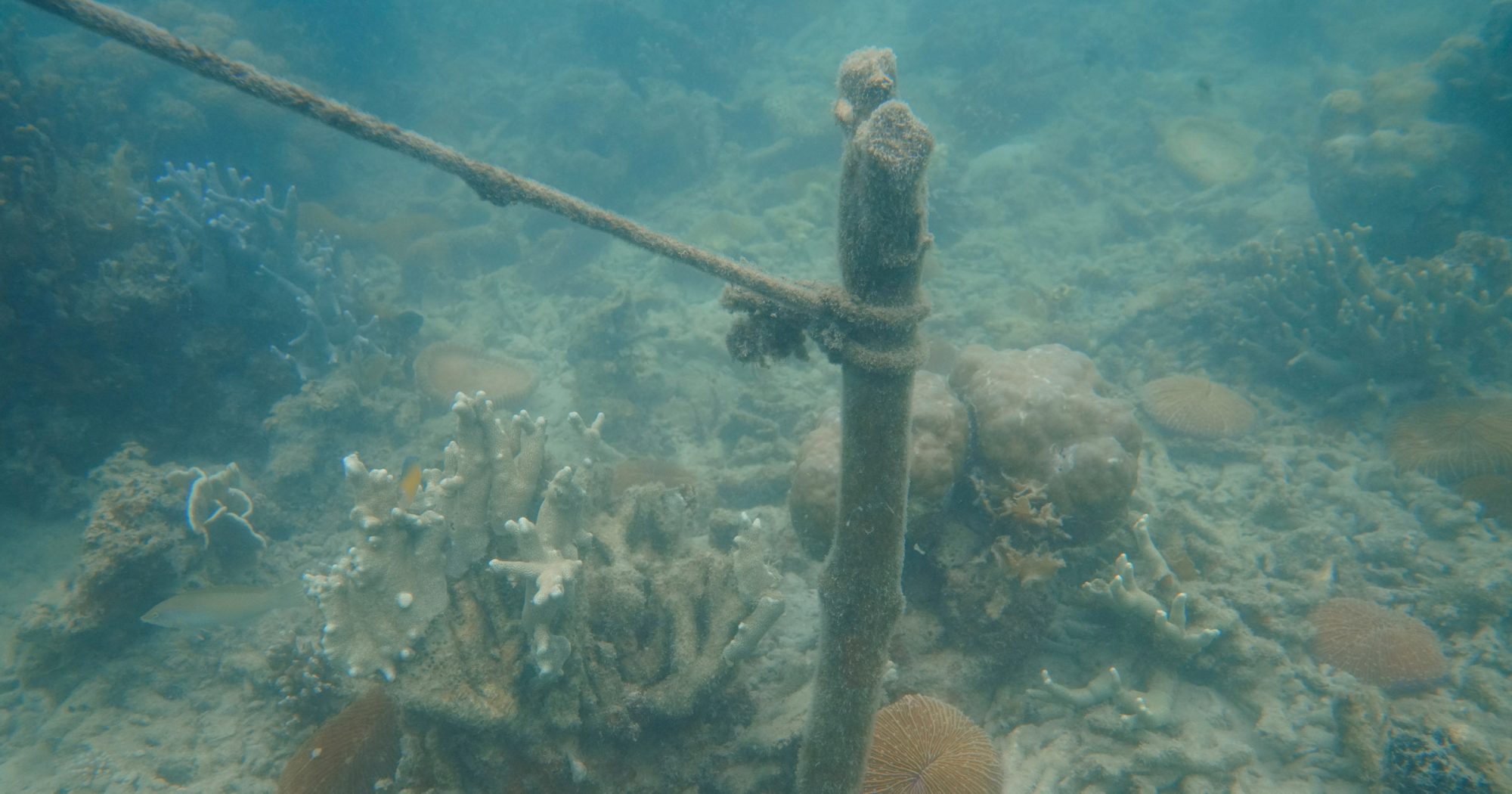
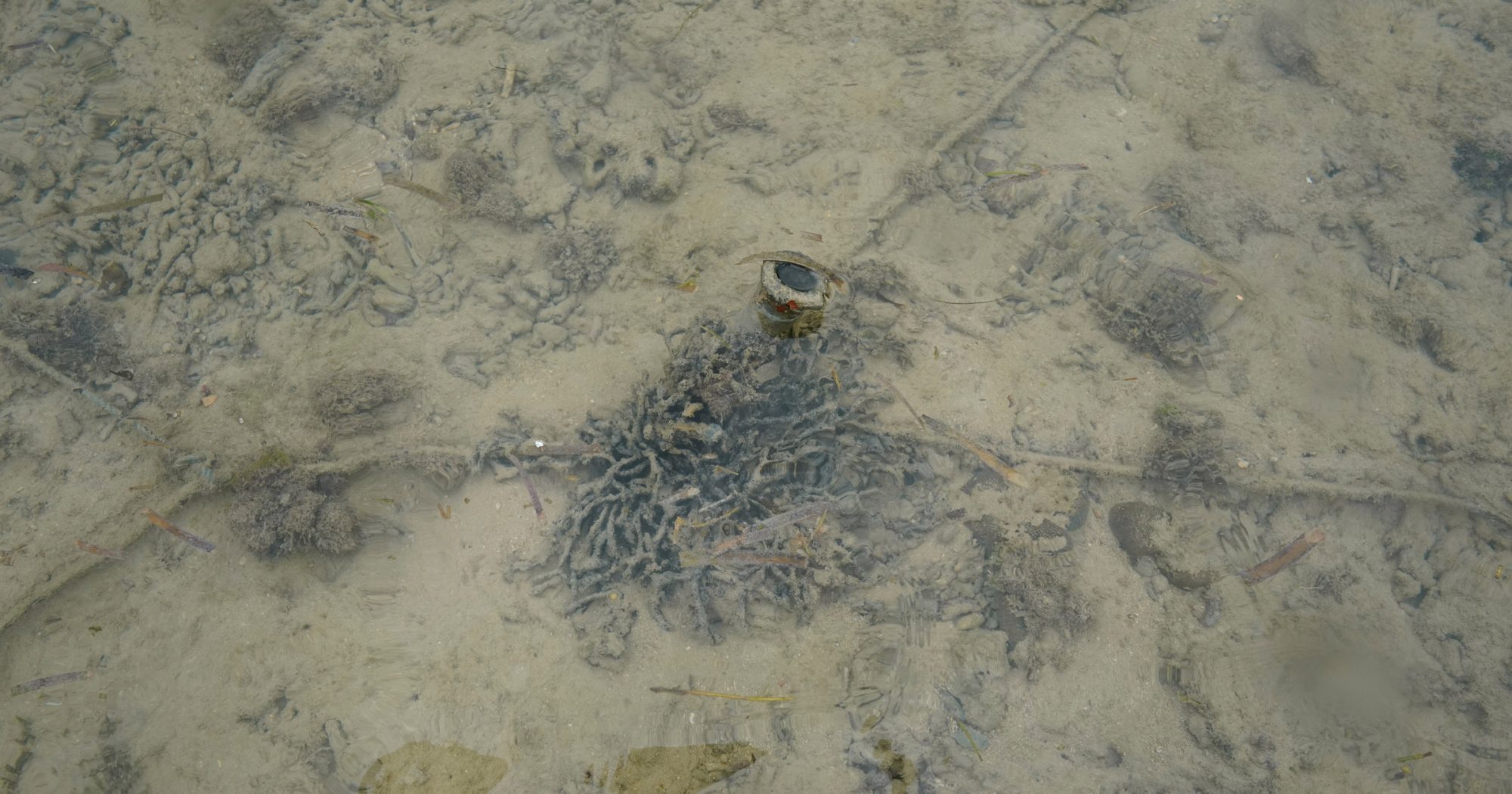
The small scale farm holders in these countries almost never measure the size of their farm by hectare. The amount and length of cultivation rope is a common metric instead.
Licences
A licence, concession or permit to farm is not always required for small-scale farmers in South East Asia. It highly depends on the regulations at national, regional and community level.
In the Philippines, farmers usually obtain a licence from the local government (Municipality or Barangay) and also pay an annual fee per household for their site.
In Malaysia, there are a few institutions that are involved in giving approval for use of the sea area such as the Department of Fisheries or the Farmer Organisation Authority. While only Malaysian passport holders can obtain a licence from these agencies, the many “stateless” communities, living out in the seaweed farming areas on stilt houses, are often the ones doing the actual farming on behalf of them.
In Indonesia, smallholder farmers don’t require a permit. Access to sea areas is gained by way of traditional ownership and structures within the community, or in other words, site selection happens on a first come first served basis. Usually people from outside the village/city need to ask the community head for permission to farm and get a site assigned. Companies on the other hand will need a concession to farm and pay an annual fee for their site to the Ministry of Marine Affairs and Fishery (MOMAF).
Caribbean
Overview
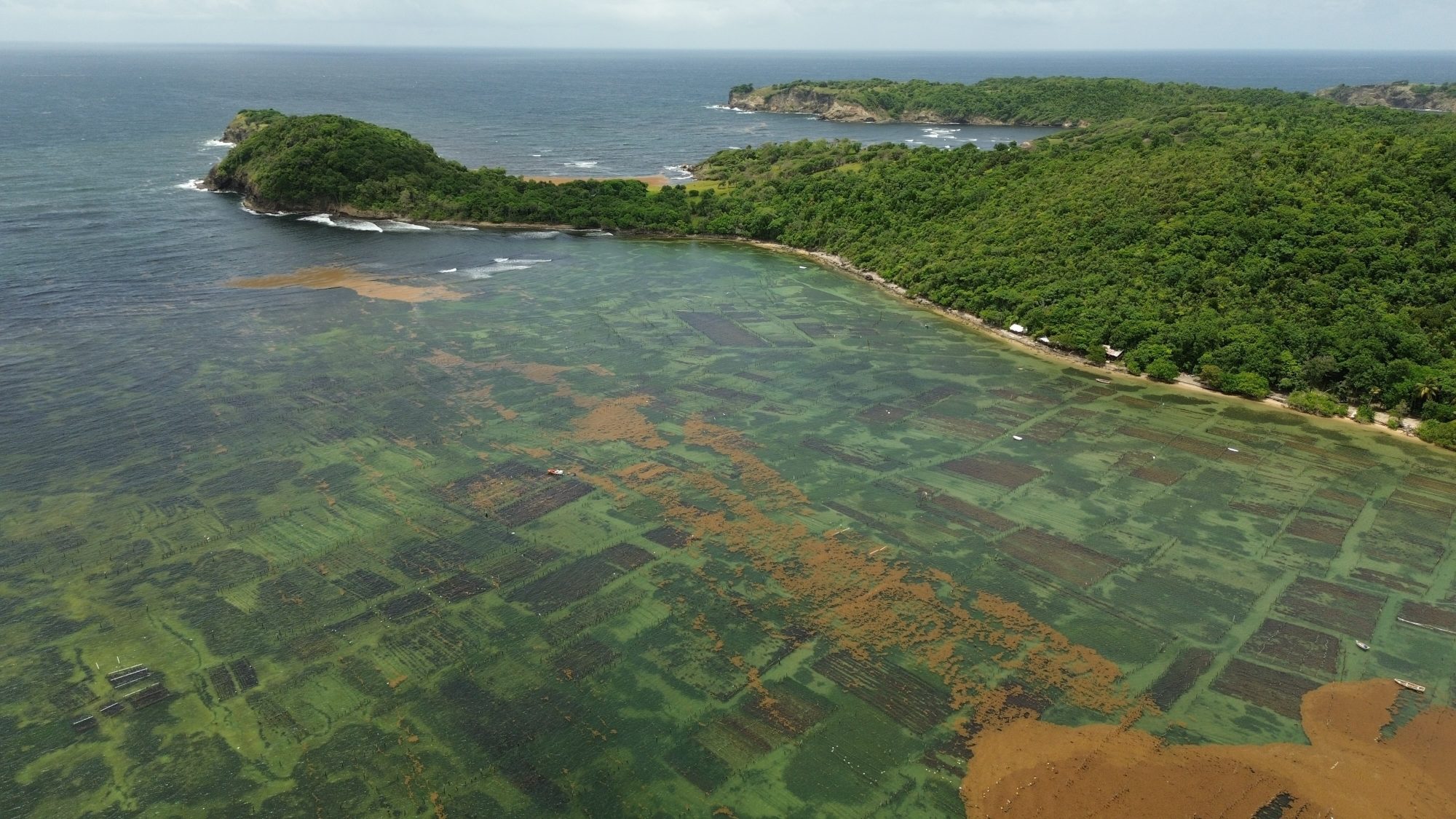
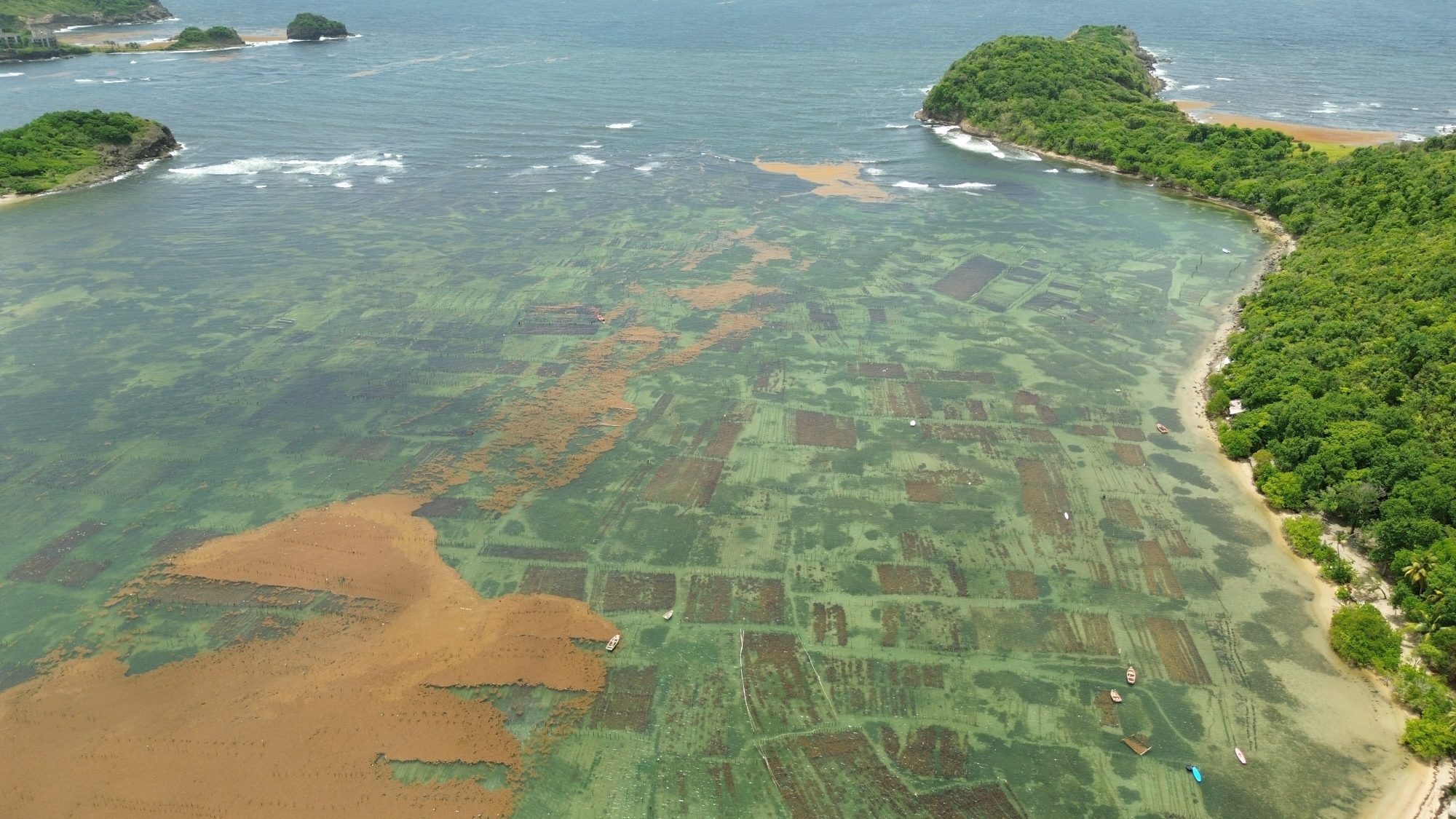
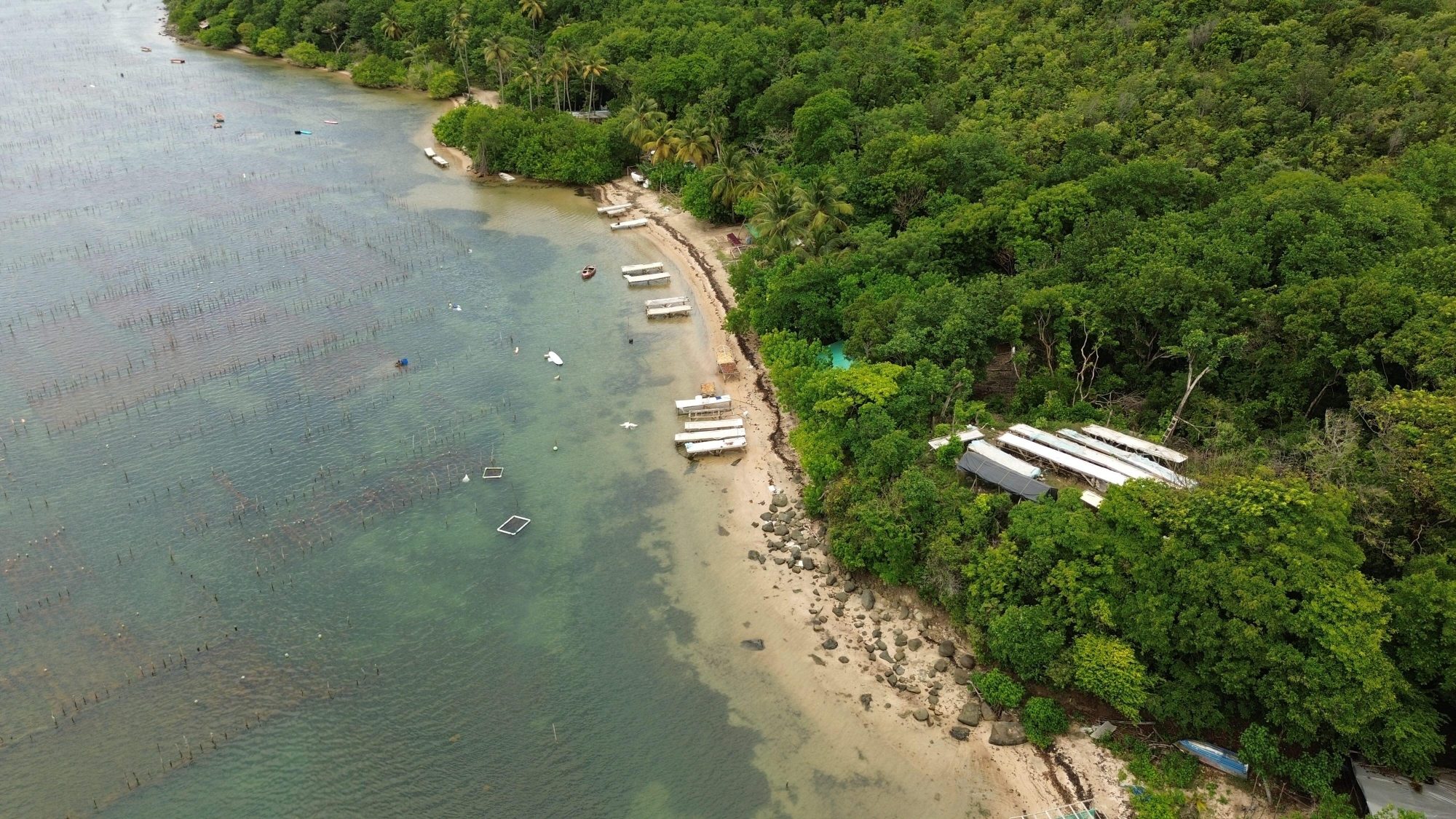
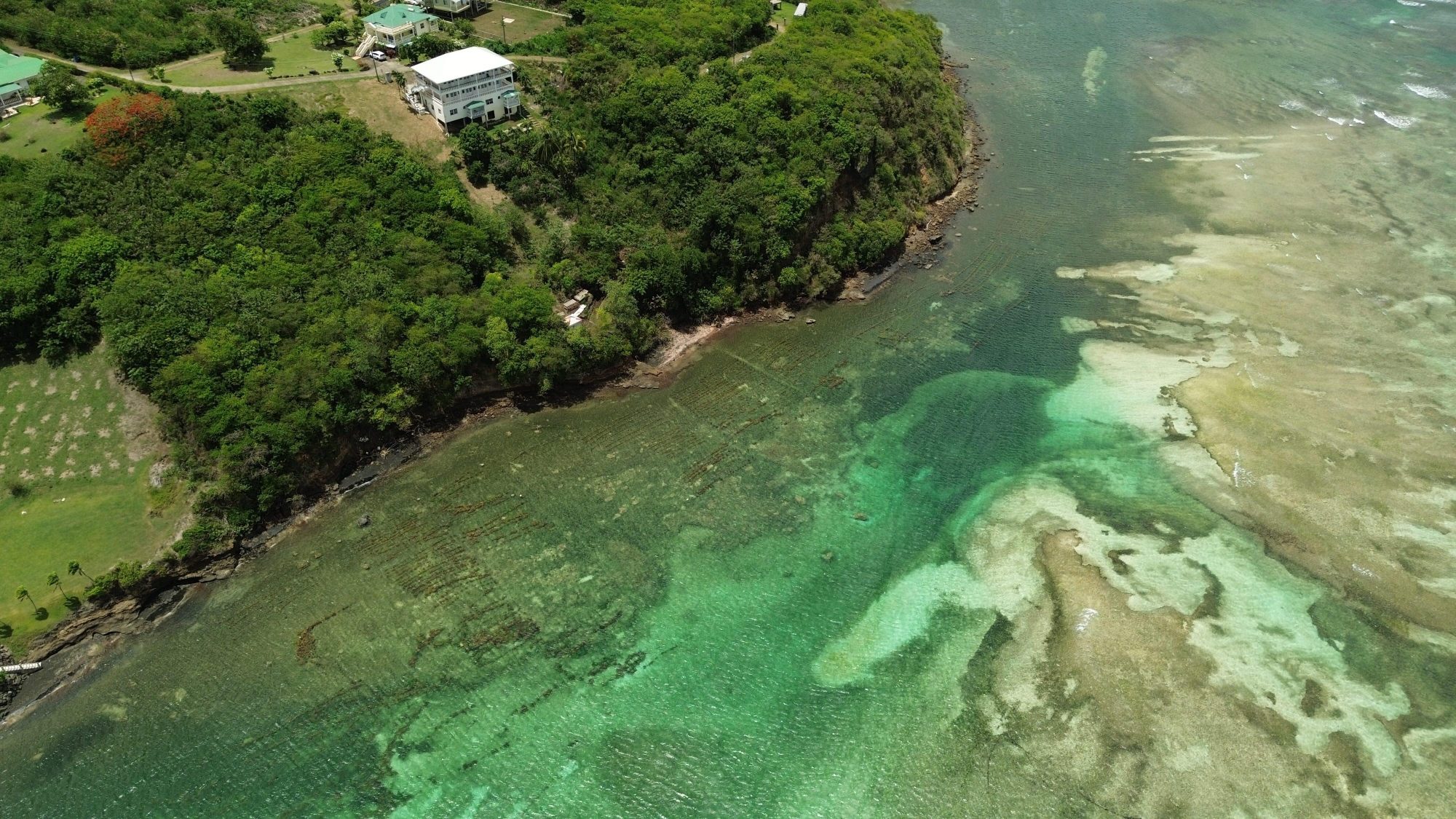
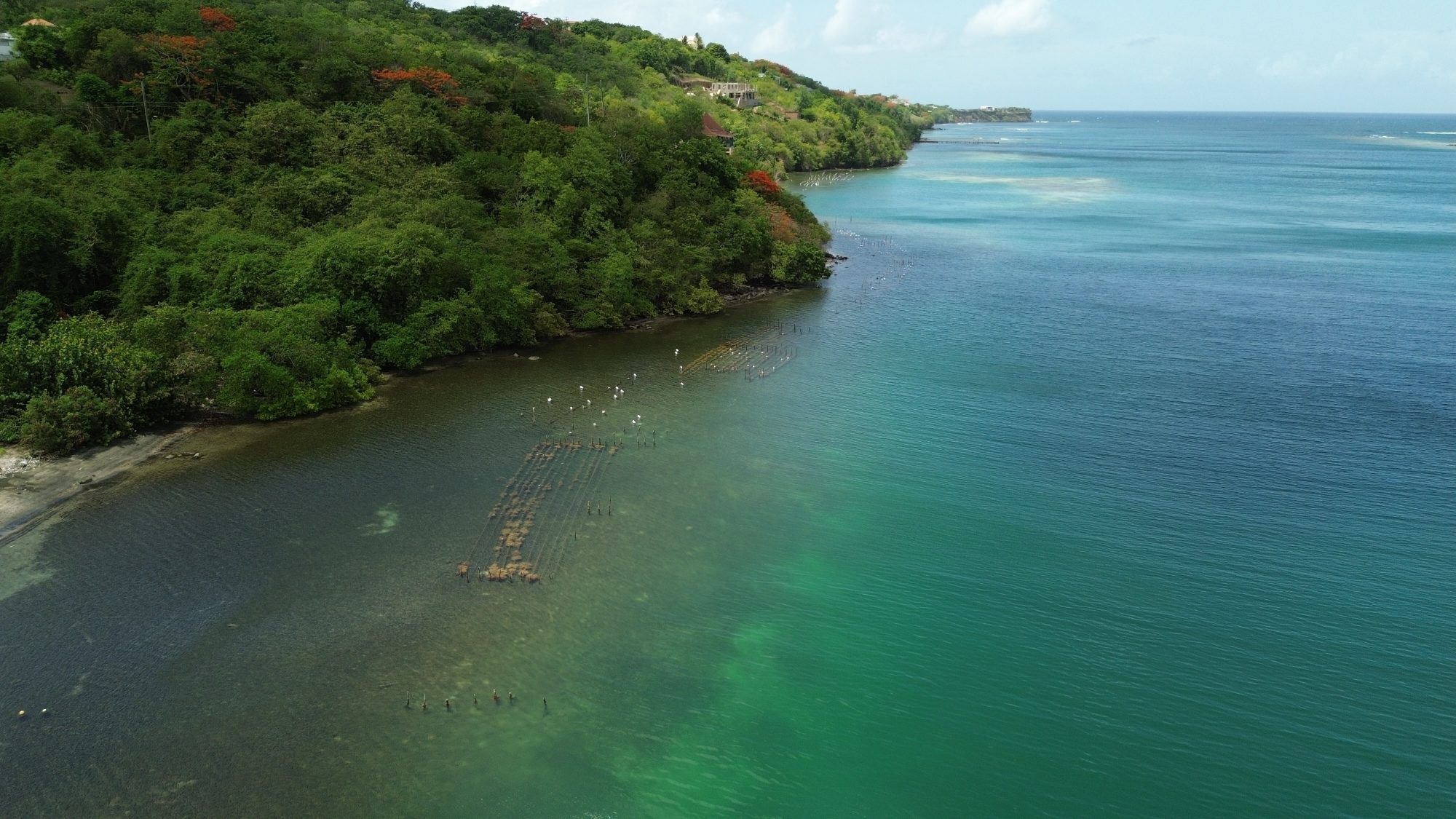
The islands of the Eastern Caribbean—such as St. Vincent and the Grenadines, St. Lucia, and Grenada—offer highly accessible coastal environments for seaweed farming, with sheltered bays, calm nearshore waters, and short typically fairly short distances between communities and farm sites.
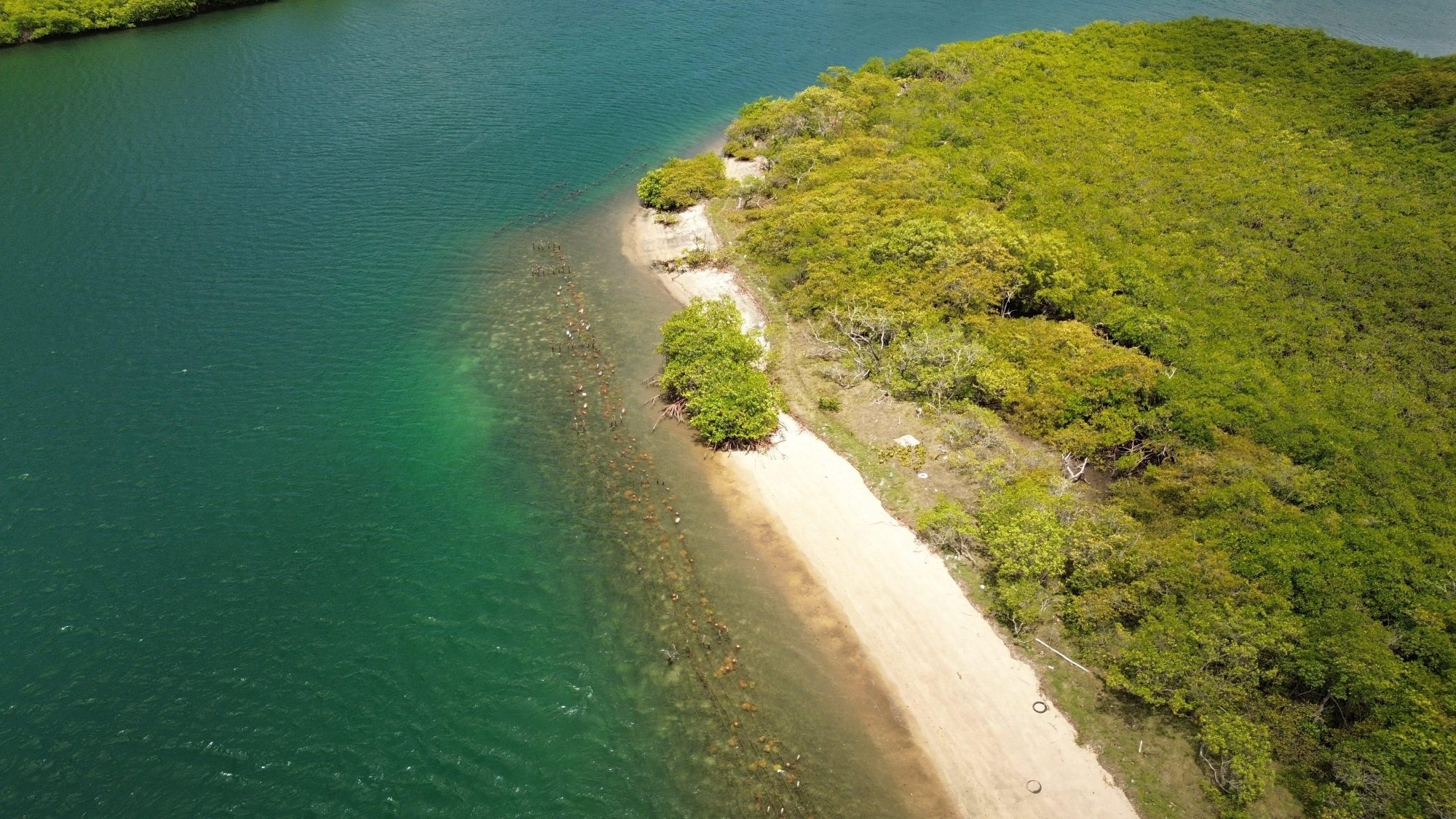
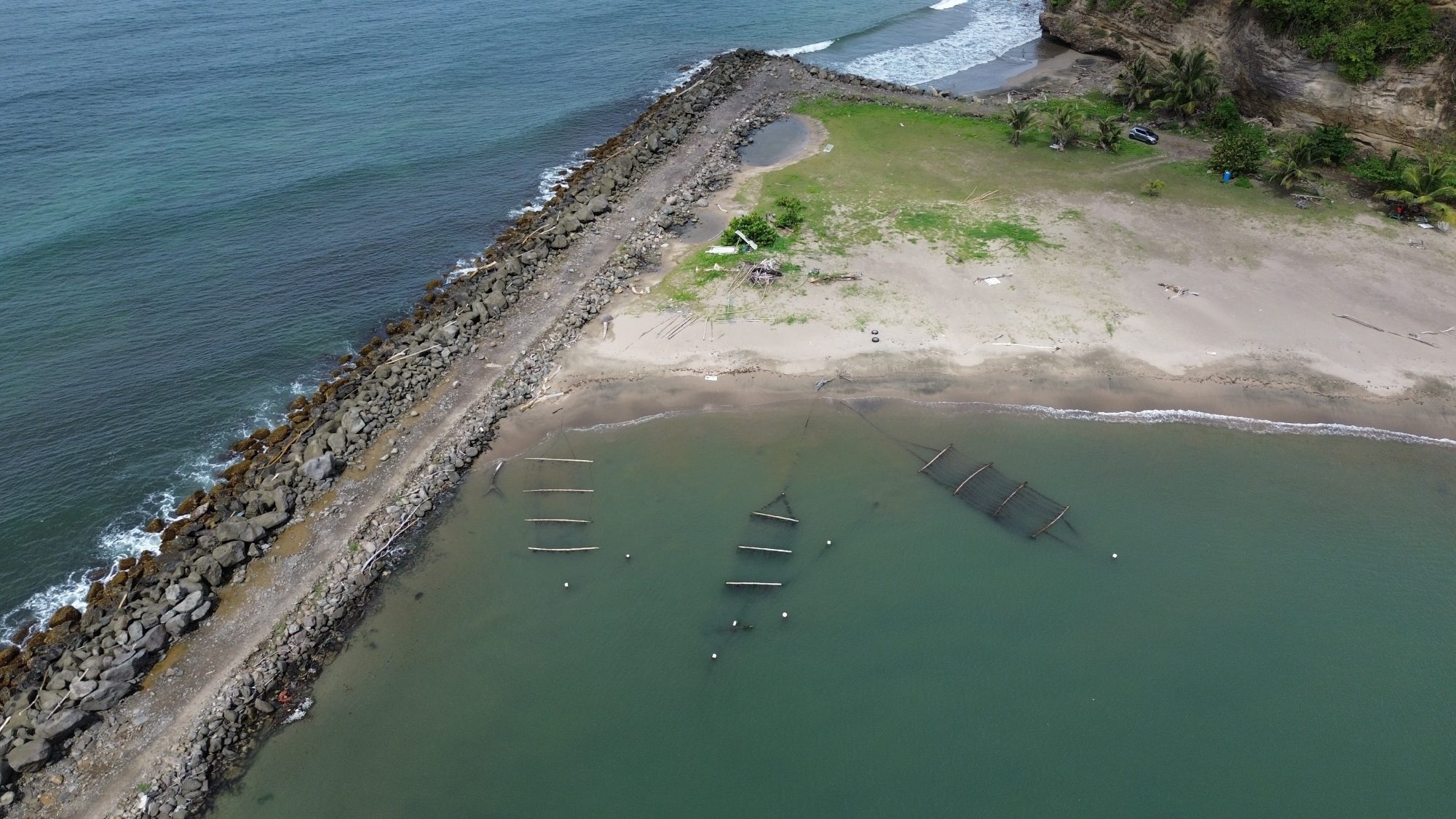
The annual influx of sargassum is a key factor influencing seaweed farming site selection in the Caribbean, often prompting farmers to seek less affected areas or relocate their farms. To reduce risks, they favour sheltered sites protected by reefs or mangroves and avoid the Atlantic Ocean side, which is more exposed to swells and hurricanes, the major threats capable of wiping out entire farms and stocks.
They also consider water quality and hydrodynamics. Pristine, well-flushed waters are preferred, as moderate exchange provides nutrients, clears sediments, and stabilises salinity and temperature. Sites near river mouths or prone to runoff are avoided, since freshwater and sediment can harm plants. Depth and accessibility are equally important, with farmers working shallow zones or extending plots into deeper waters depending on available transportation.
Substrates
Licences
In St. Lucia, seaweed farm tenure remains largely informal, based on “word and trust” rather than legal rights. Farmers may register under mariculture and apply for licenses with the Fishery Department of the Ministry of Agriculture, Fisheries, Food Security and Rural Development, but plots lack formal tenure. Unused sites risk takeover, and while some farmers map plots with GPS, government efforts to formalize licensing and spatial planning are still in very early stages.
In St. Vincent and the Grenadines, there has been a gradual shift in seaweed farm tenure, with the transition moving from informal to more structured systems. On Union Island, the Fishery Department of the Ministry of Agriculture, Forestry, Fisheries and Rural Transformation informally allocates sites with written acknowledgment, while Mayreau farmers pursue documentation through land and survey departments after site testing. It is becoming increasingly common for farmers to be required to register with the Ministry, either on an individual basis or through relevant associations, as government regulations are being expanded.
In Grenada, farmers must obtain a sea moss producer’s licence from the Fisheries Department of the Ministry of Agriculture, Lands, Forestry, Marine Resources and Cooperatives. Because the marine environment is considered public space, permission is required to occupy and farm seaweed. Registration as a sea moss farmer helps prevent disputes over occupied areas and ensures that farming does not occur in protected zones or in areas reserved for other uses, such as seine fishing.
South America
Overview
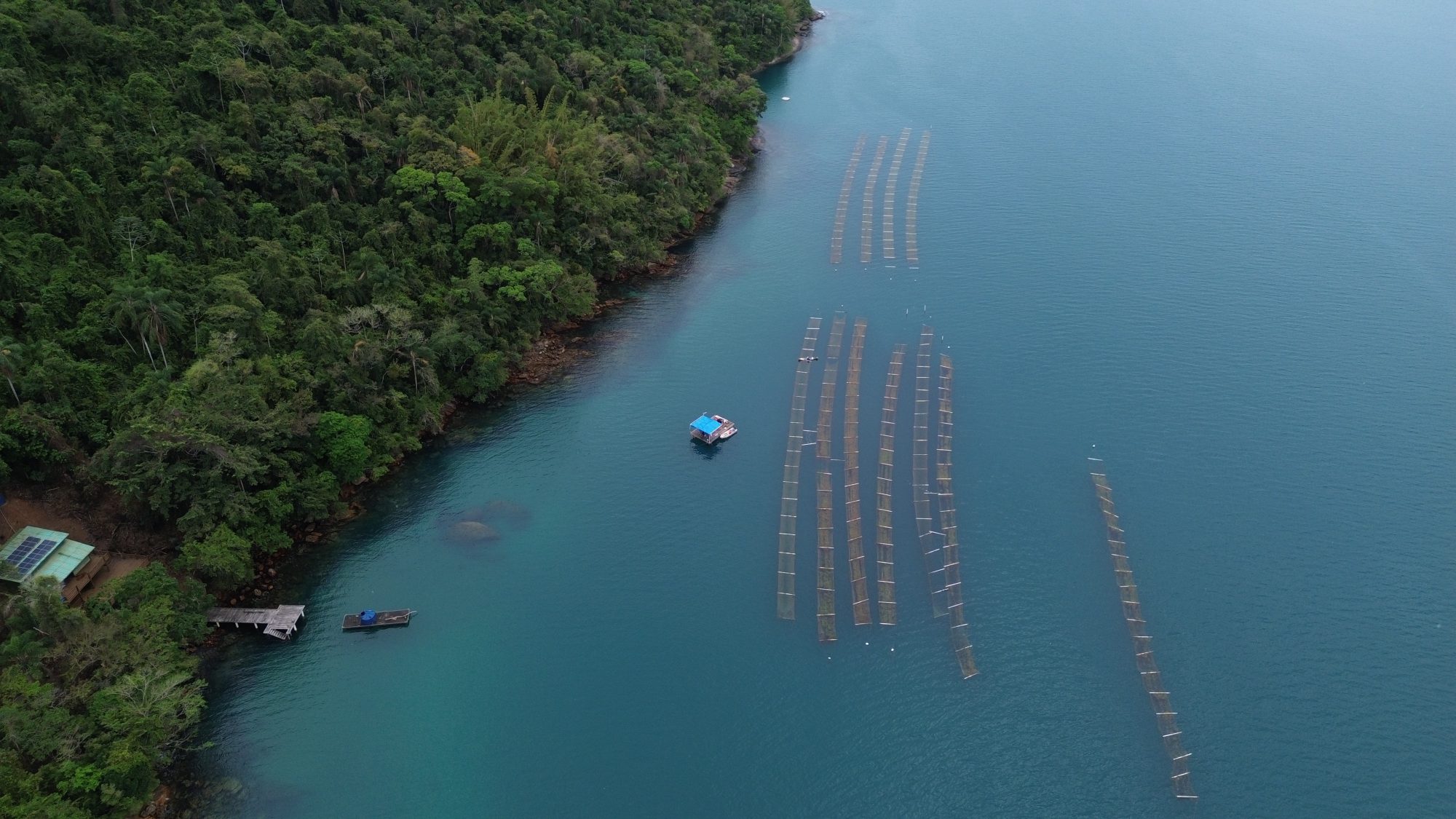
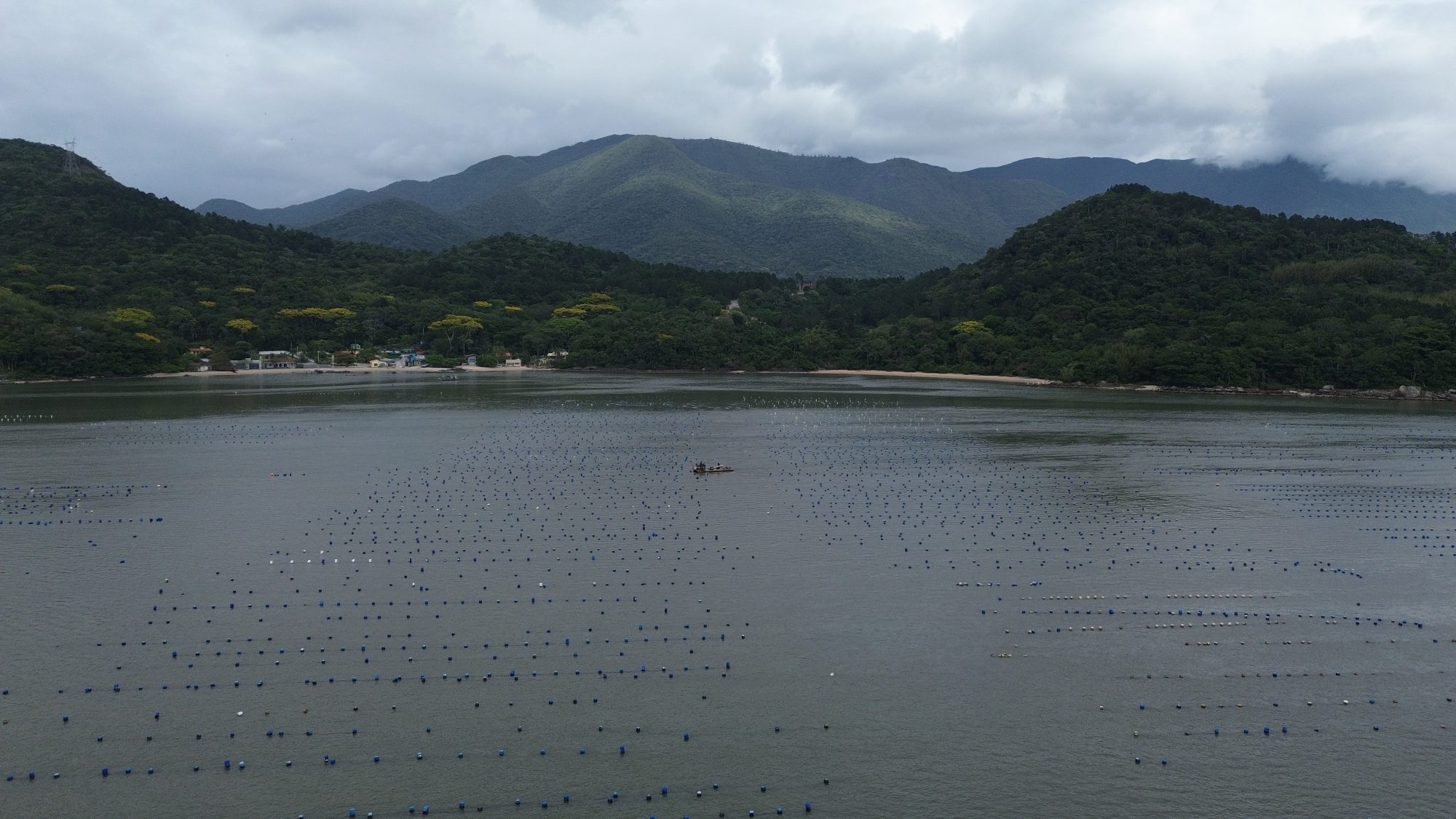
In South America, typical seaweed farm areas for smallholders are generally under 10 hectares, with corresponding farm sizes by culture line typically under 20,000 meters, though these dimensions vary by region and site suitability.
The selection of cultivation sites in Venezuela and Brazil is fundamentally guided by managing seasonal temperature shifts, which dictate distinct regional strategies. The cultivated Kappaphycus alvarezii thrives in warm waters between 27-30°C and requires salinity to remain above 20 ppt. In temperate Santa Catarina, where winter temperatures can drop to 15°C, farmers must submerge their lines to deeper waters to prevent biomass loss. In contrast, the tropical climates of Rio de Janeiro and Venezuela support year-round cultivation.
Adequate water motion is a critical factor across all regions, serving a dual purpose. It ensures nutrient delivery and hinders biofouling, yet sites must remain sufficiently sheltered from destructive waves and storms. Furthermore, consistent water flow helps stabilize salinity levels, which is vital after heavy rains. This is a particular concern in Santa Catarina, where river input can drastically lower salinity, while Rio de Janeiro's sites generally maintain stable, high salinity year-round.
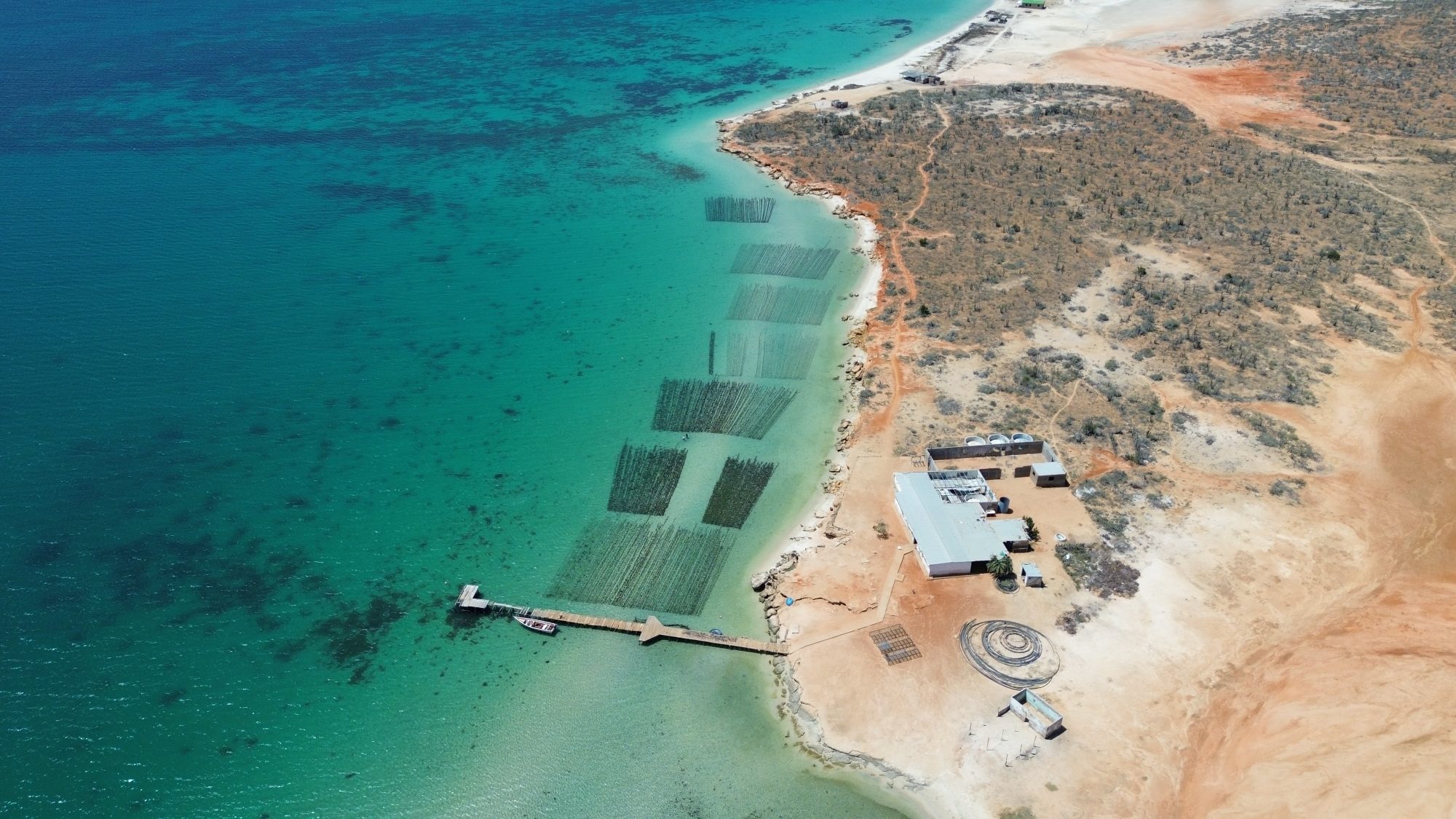
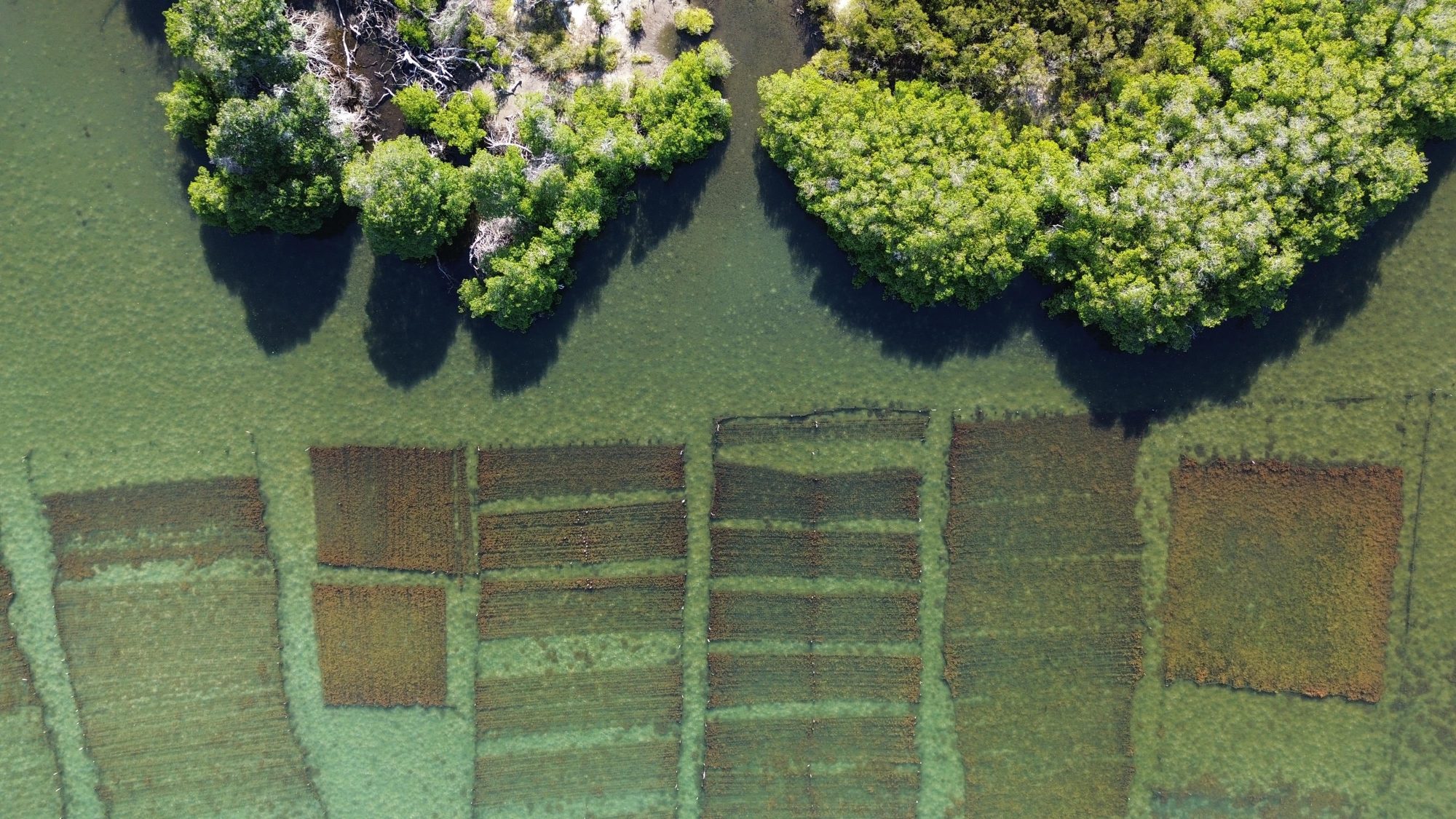
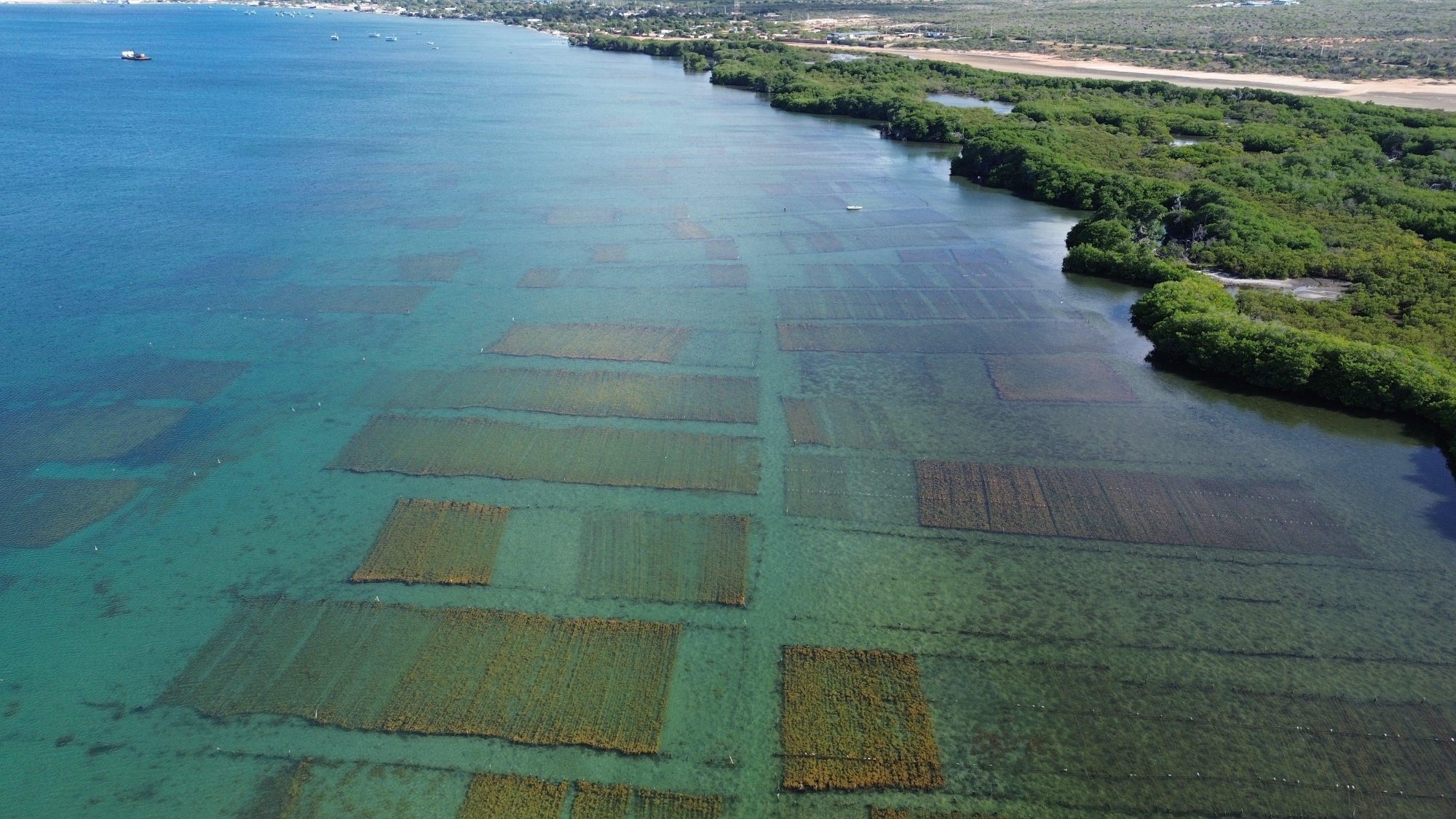
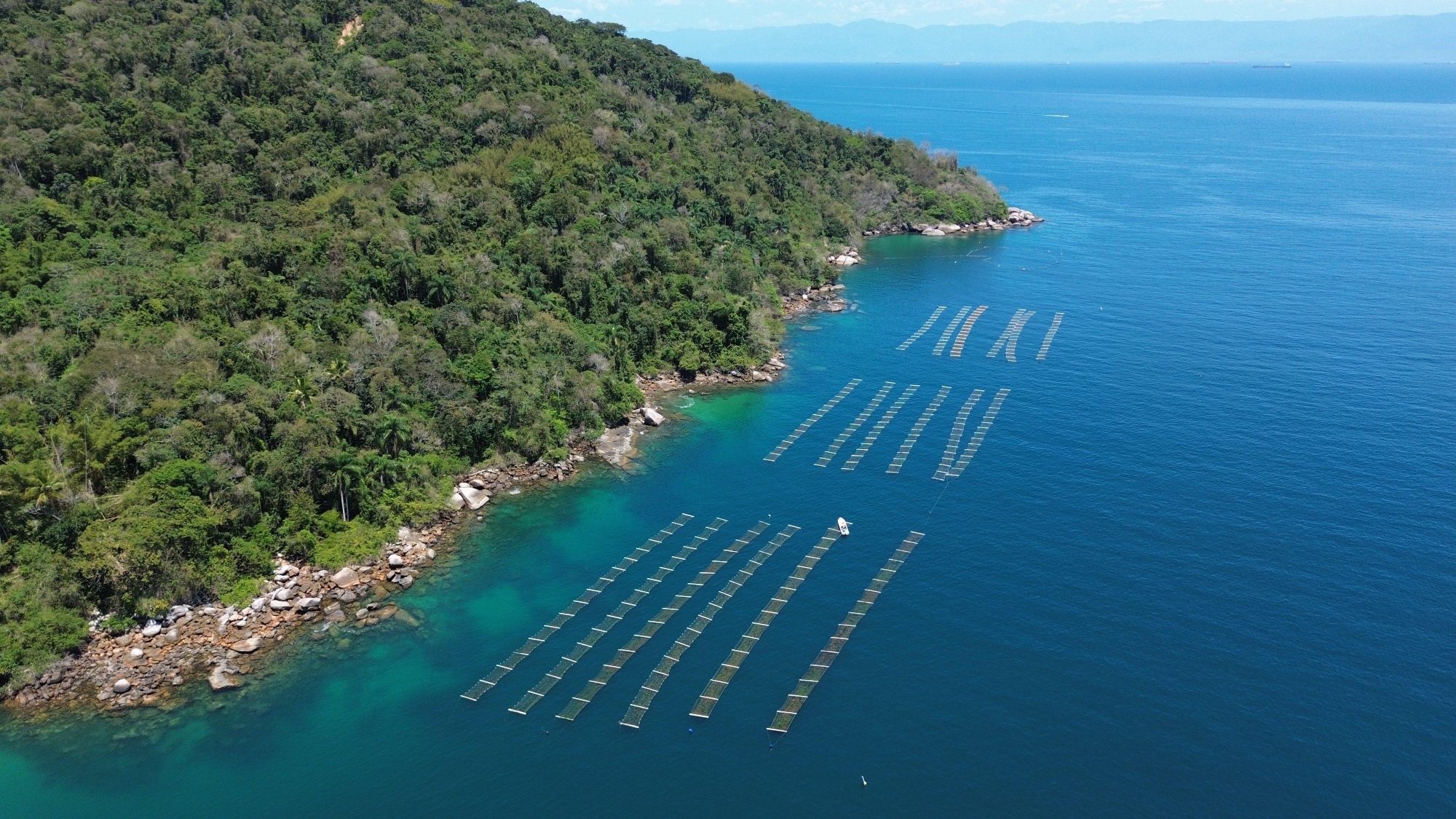
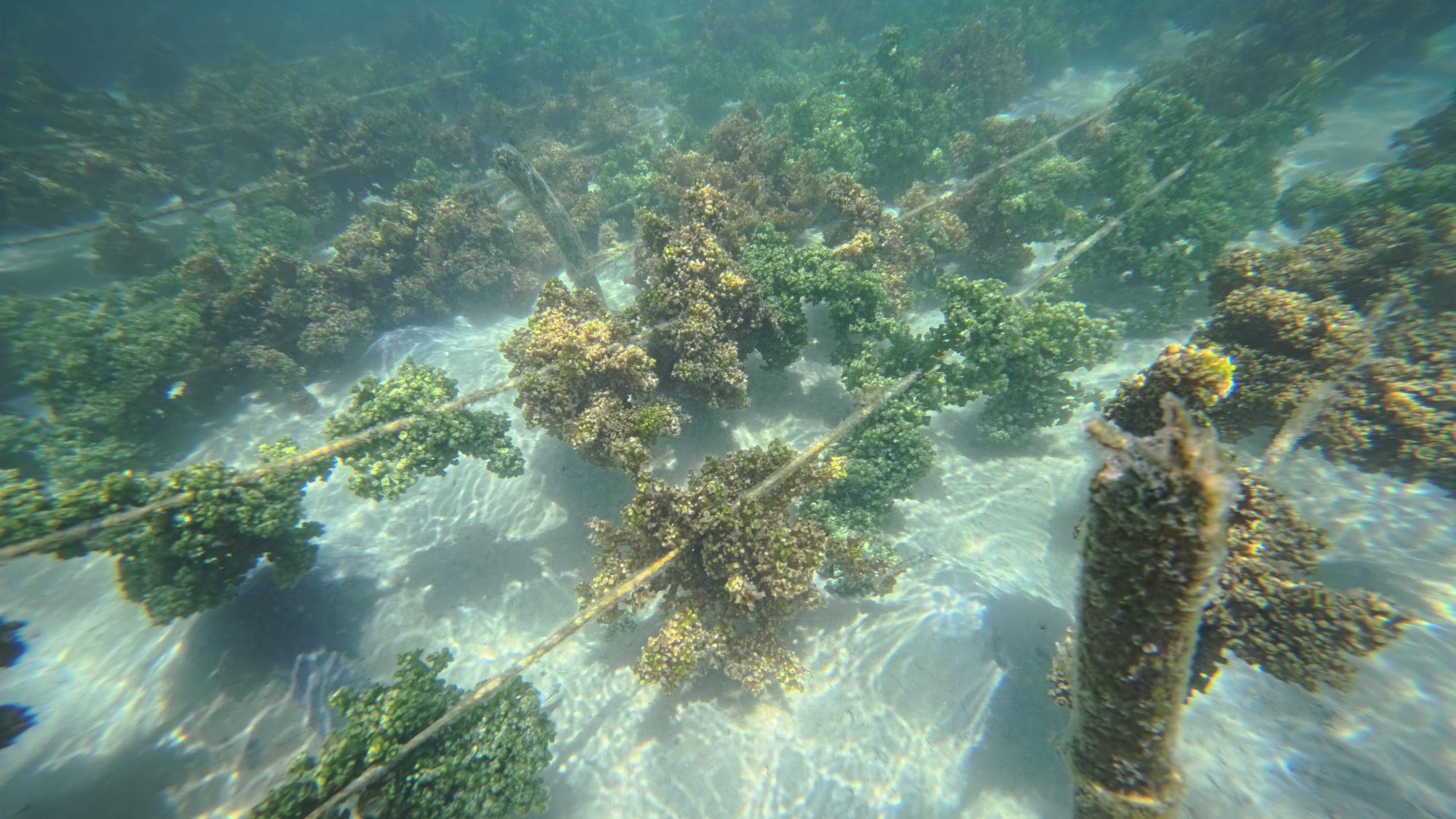
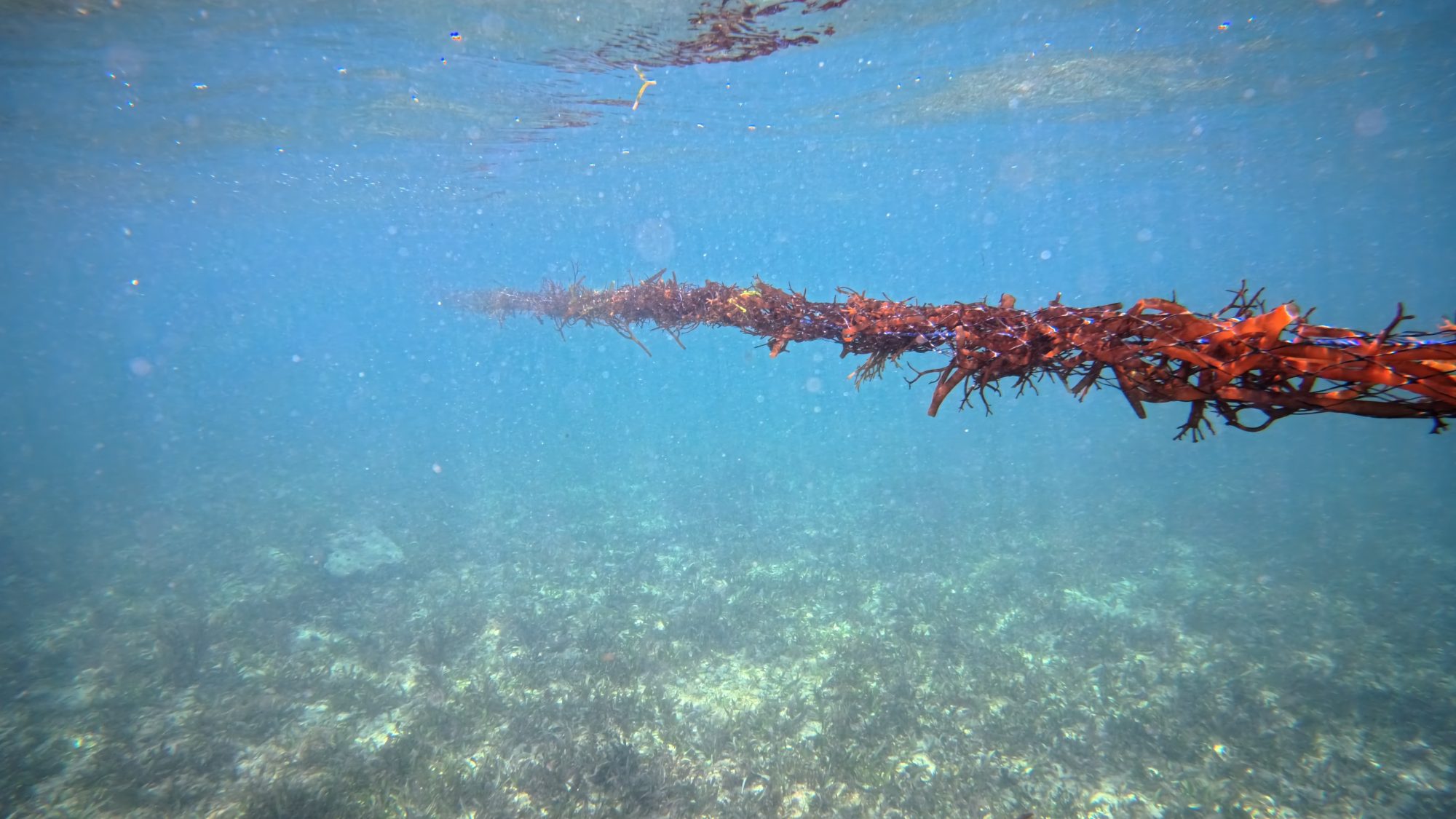
The substrate also varies significantly. Brazilian law mandates farming exclusively on soft, non-consolidated substrates like sand and mud, a regulation designed to minimize ecological impact on sensitive coastal habitats. In Venezuela, the presence of clear, nutrient-rich waters with sandy substrates around Margharita island in Nueva Esparta provides an ideal foundation. In Brazil, Santa Catarina’s established aquaculture parks offer pre-approved, designated areas that streamline the licensing process, while sites in Rio de Janeiro require careful assessment of urban influences and access to sheltered inlets
Substrates
Licences
In Venezuela, the government's 2025 census identified 346 community farms and three large integrative farms, alongside additional unregistered operations. The Ministry of Fisheries and Aquaculture is now mapping new areas for expansion and formalizing all unregistered farmers. A key feature is that permissions to farm must be renewed annually, adding a consistent layer of administrative oversight for producers.
In Brazil, the Ministry of Agriculture, Livestock and Supply (MAPA) governs federal aquaculture concessions, with implementation varying regionally. Santa Catarina utilizes a state-integrated model where farmers are registered as mariculturists, typically operating under company contracts. On the other hand, Rio de Janeiro formally designates farmers as algicultores, granting them long-term concessions as individuals, associations, or corporate entities.