Gracilaria Harvest
East & South-East Asia
Overview
based on 5 interviews conducted across 2 major producing regions in 2 countries
The number of harvests that can be done is highly dependent on the season.
Harvest
In Indonesia, April to October (dry season) is the most productive time to cultivate Gracilaria in brackish water ponds. During those months, farmers report a daily growth rate of 4 –5%. During the transition of dry to rainy season, farmers report that Gracilaria grows better with the long line method in shallow areas at sea.
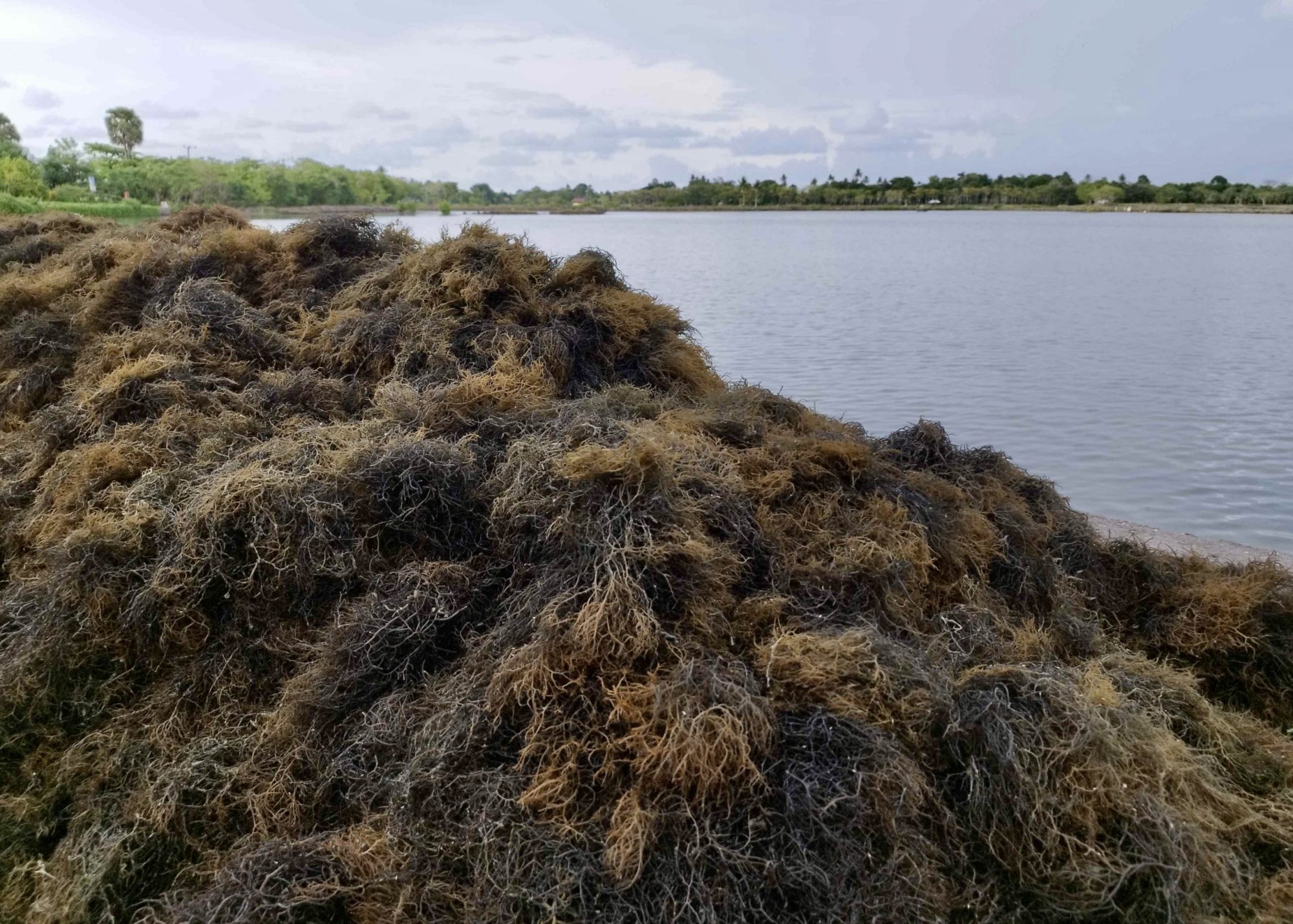
Gracilaria can be harvested at any size. Usually farmers wait between 40 and 60 days before they harvest. A harvest conducted at 60 days will get high yield and gel strength.
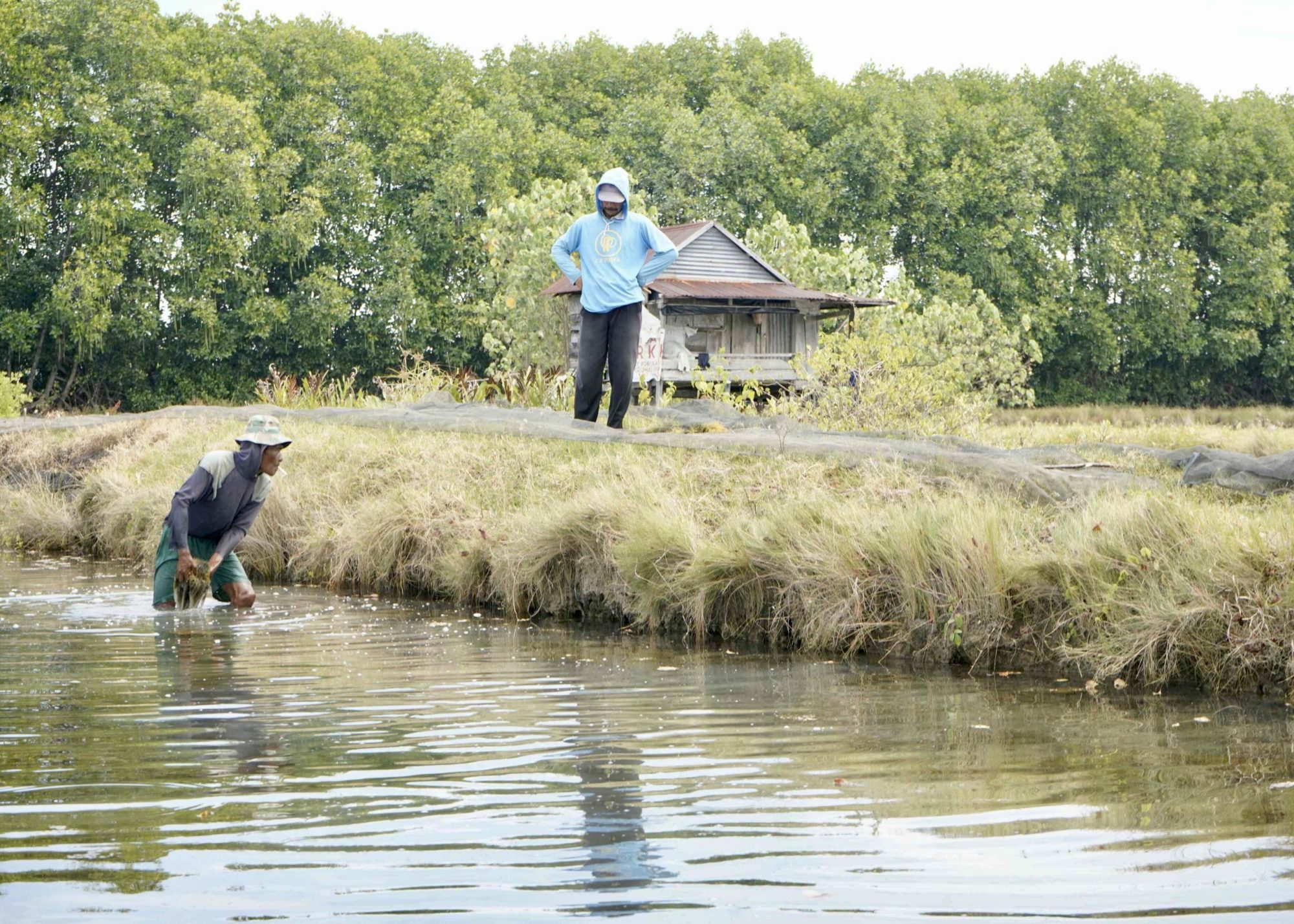
In scattered pond culture, harvesting is done by picking up the seaweed and bringing it to shore, since farmers can walk in the shallow ponds. Depending on the amount of biomass, a boat is utilised for transportation to shore.
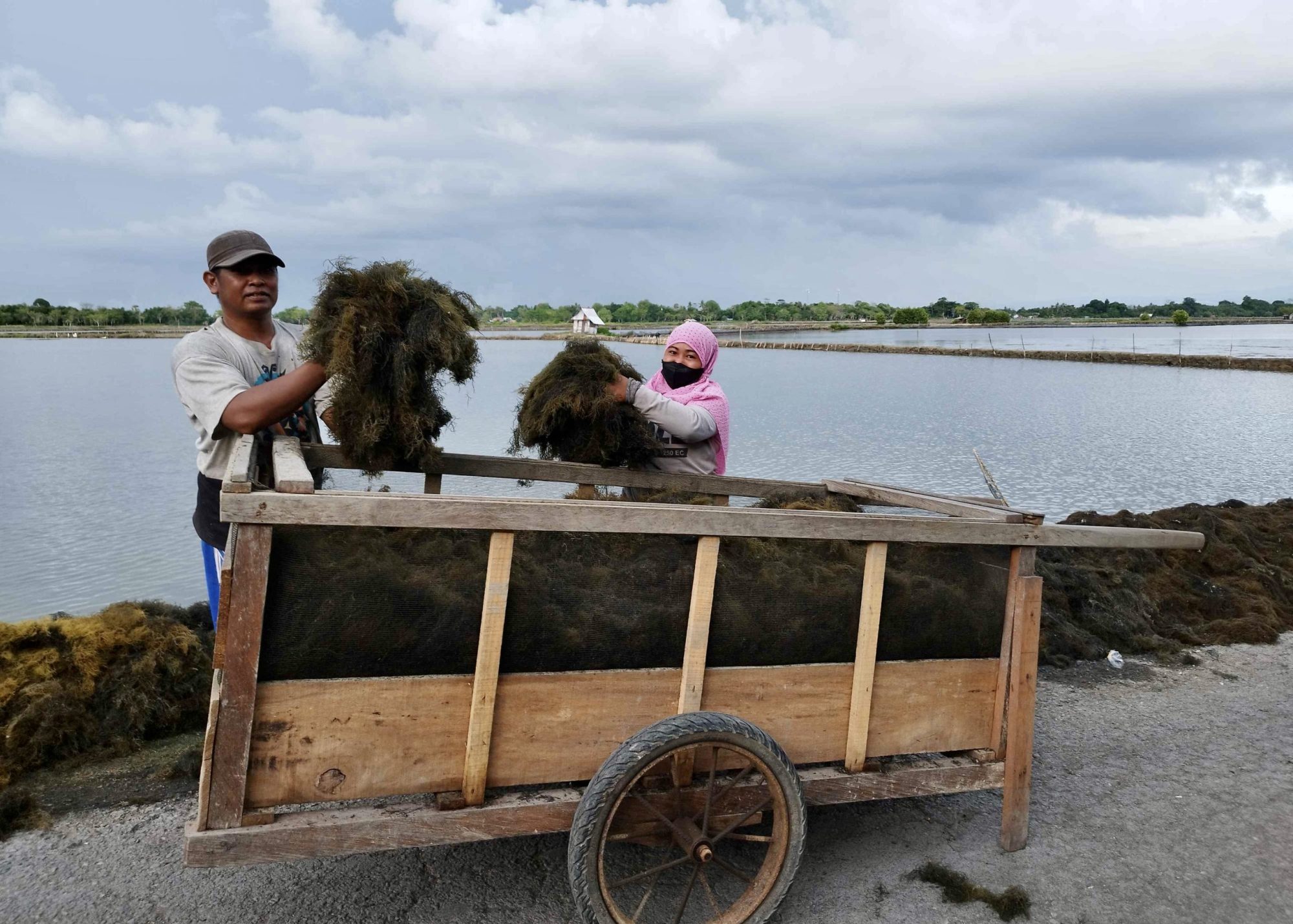
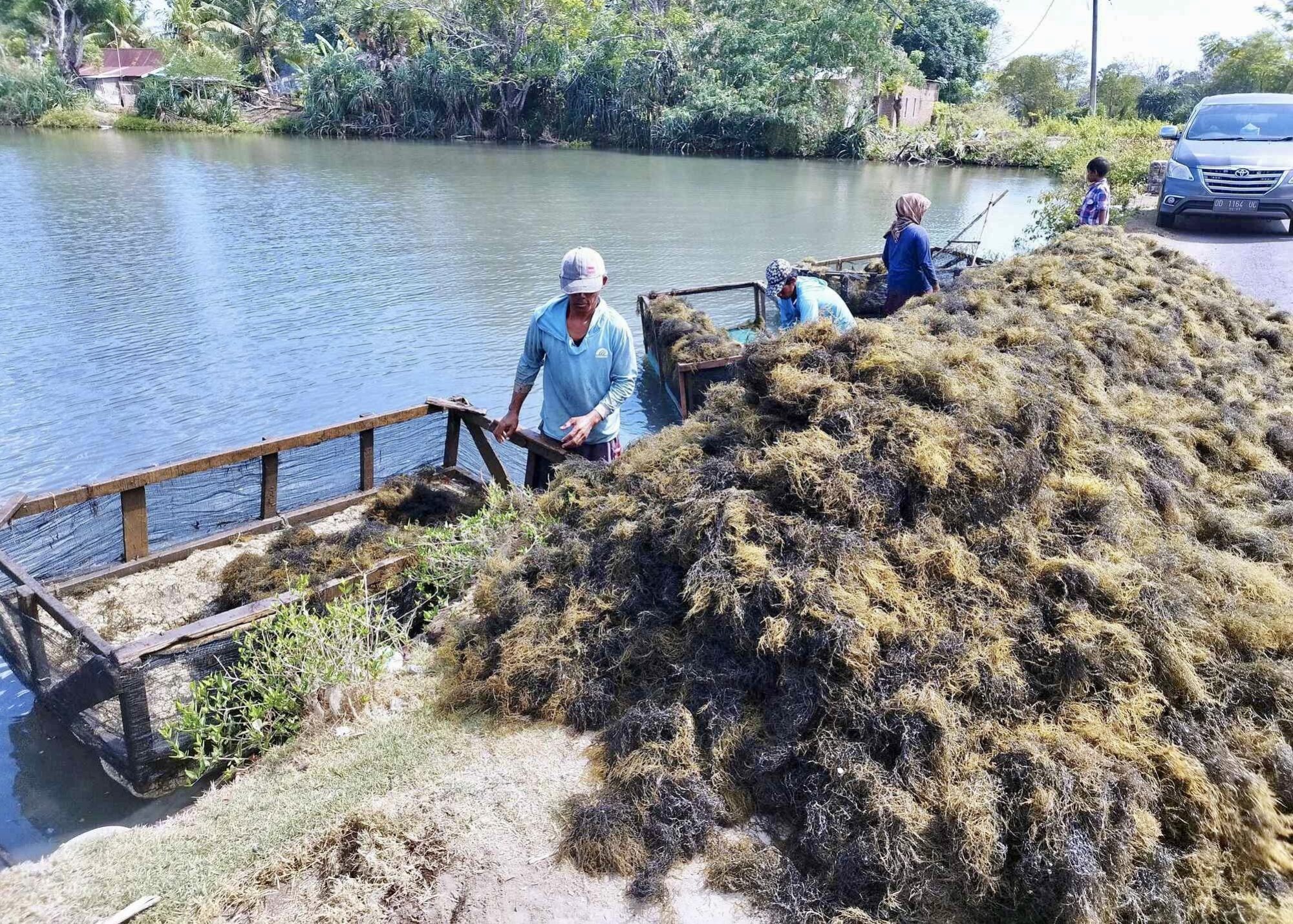
In China, Gracilaria is cultivated all year around. From April to May in South China and from May to October in North China. During the most productive months, when Gracilaria grows fast, the crop can be harvested after only 20 days.
South America
Overview
Chilean Gracilaria follows a seasonal harvest pattern influenced by its temperate growing conditions, with multiple collection cycles possible during the productive season. A well-managed crop typically yields three complete harvests annually, though during the peak productive season, some growers harvest as frequently as every 15 days (twice monthly).
Regional climate patterns and water temperatures determine the harvest calendar, requiring careful timing to avoid environmental challenges. Harvest must be scheduled to avoid peak diatom proliferation (Melosira moniliformis), which often occurs in spring and summer and can lead to a load greater than 100% of the pelillo's weight, making it unsellable. The most intensive harvesting period extends from spring through summer, typically beginning around October and continuing through March. Harvesting employs a partial method, leaving 10 cm for regrowth, except during Rhizoclonium infestations requiring complete removal.
Yield
In Chile, the biomass shows substantial increase between harvests. In rope cultivation systems, a standard five-meter line yields approximately five kilograms from an initial investment of 1.8 kilograms of seed material. Producers typically measure productivity through visual assessment and market feedback rather than precise weight tracking, though some maintain basic production records.
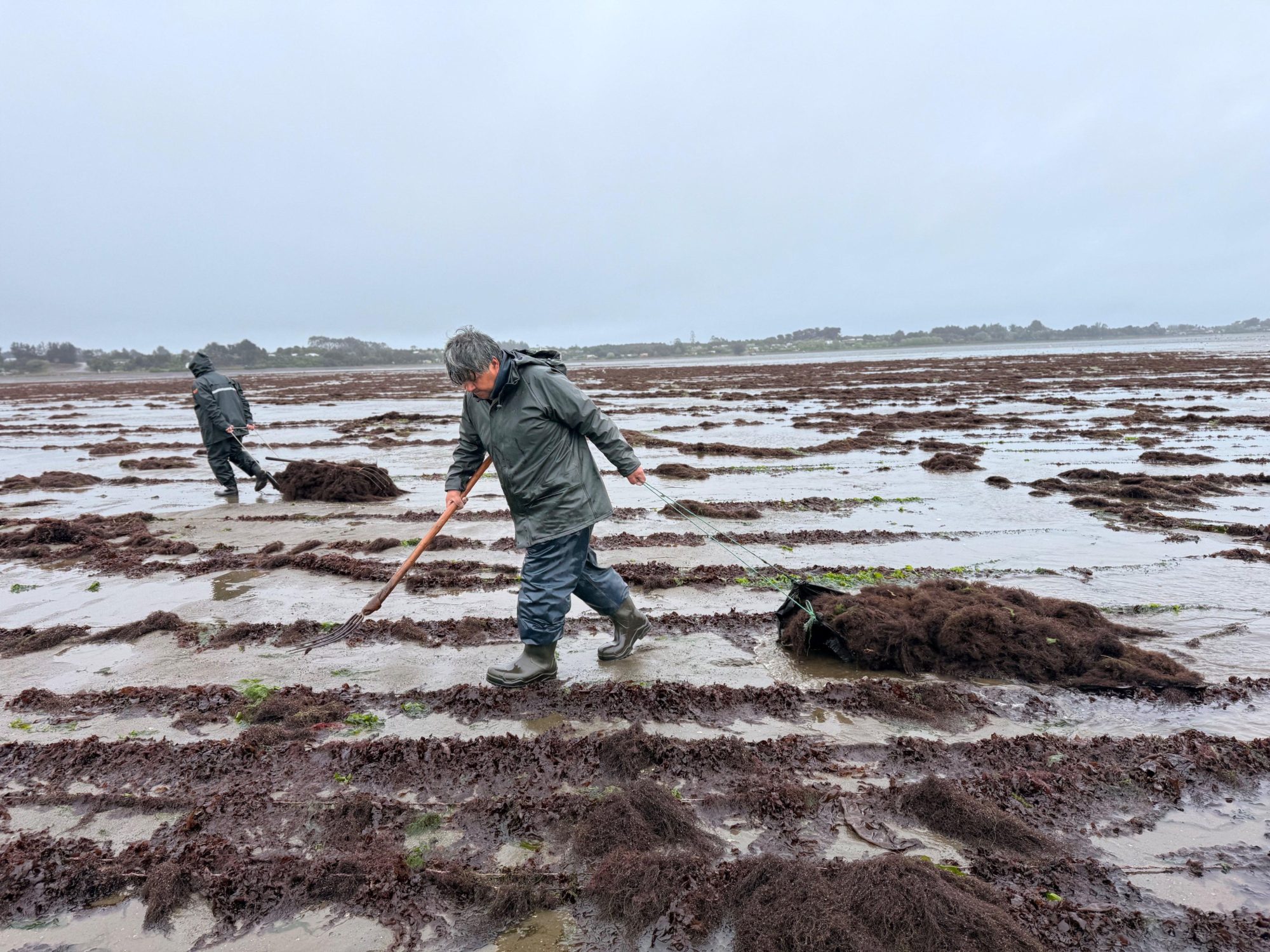
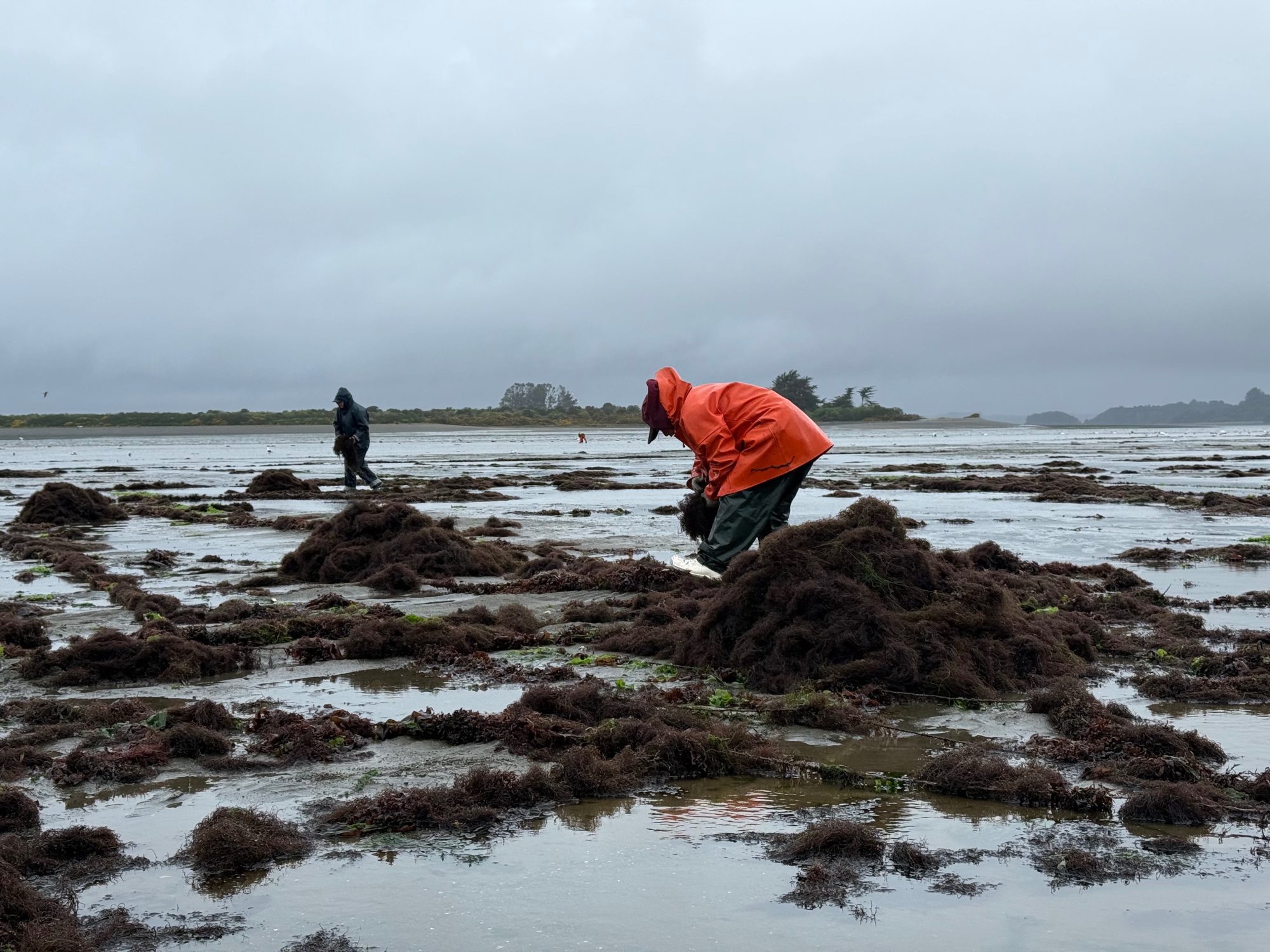
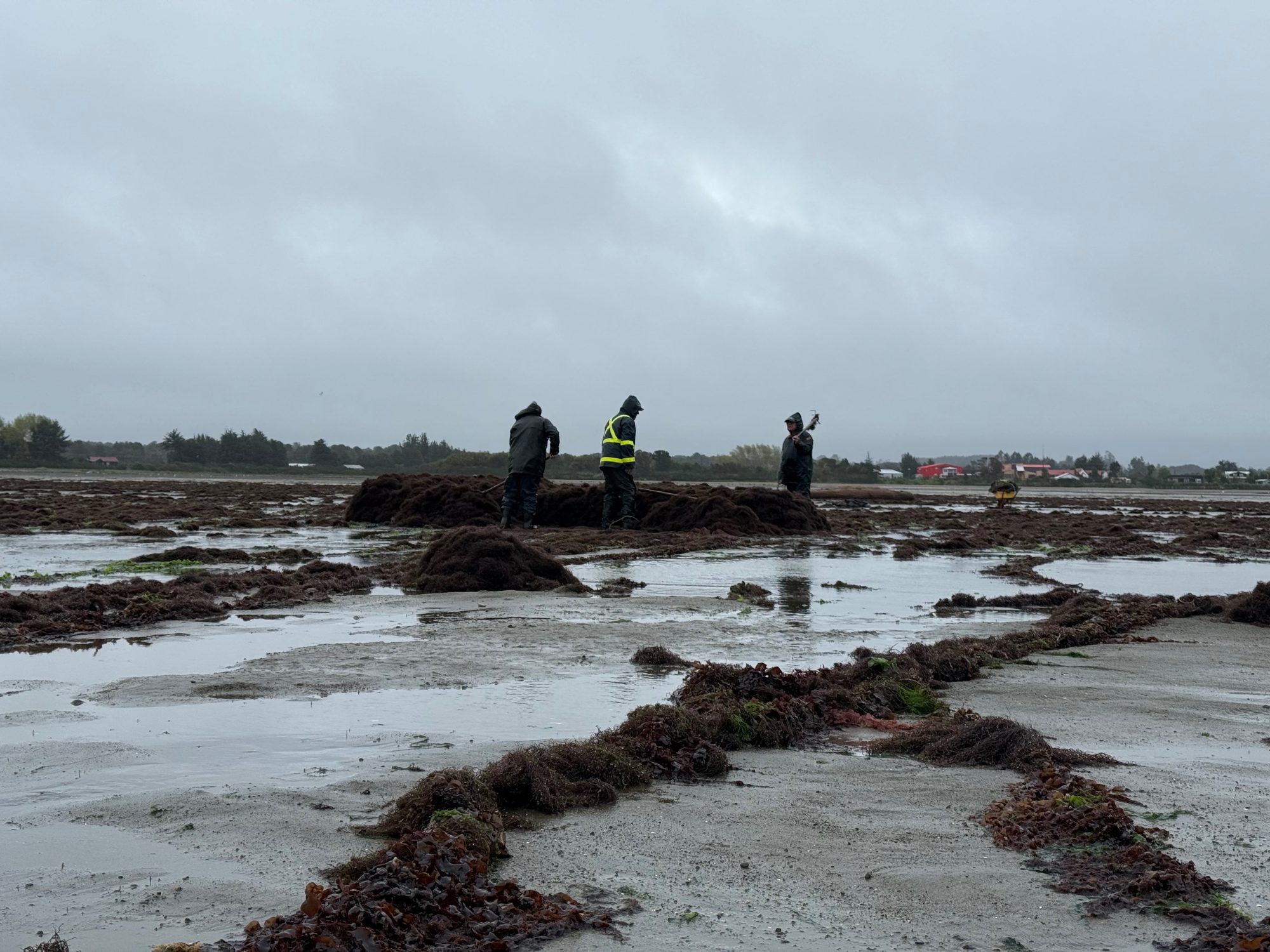
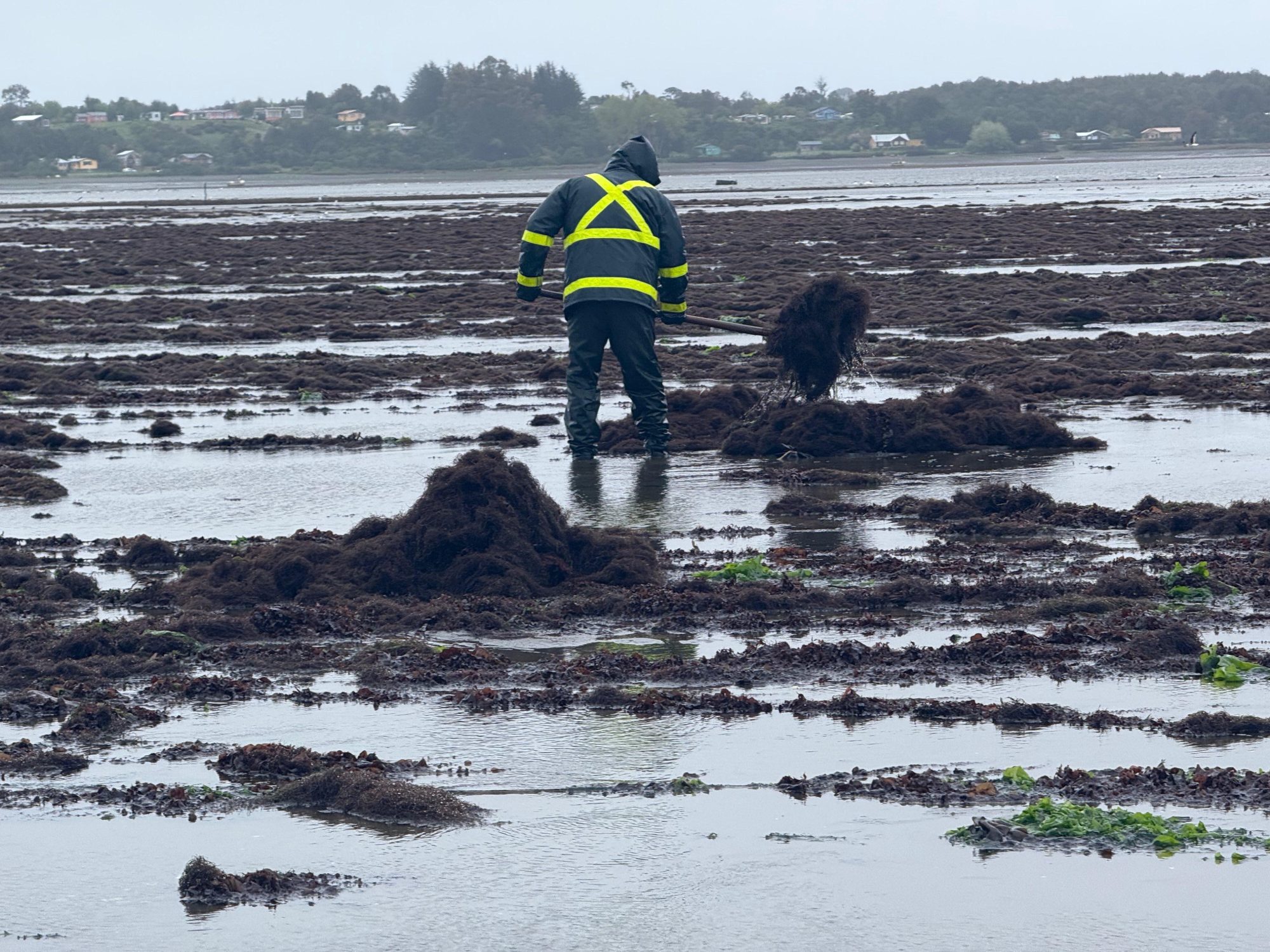
Labor conditions present significant challenges, people often work in low tide conditions for several hours, exposed to rain and cold, with night harvesting historically necessary in some areas. Total production volume varies significantly with cultivation method and operation scale. Small concessions of 0.3 hectares may yield up to 30,000 kilograms during a favourable season, while individual lines produce roughly 15-16 kilograms annually across multiple harvest cycles.
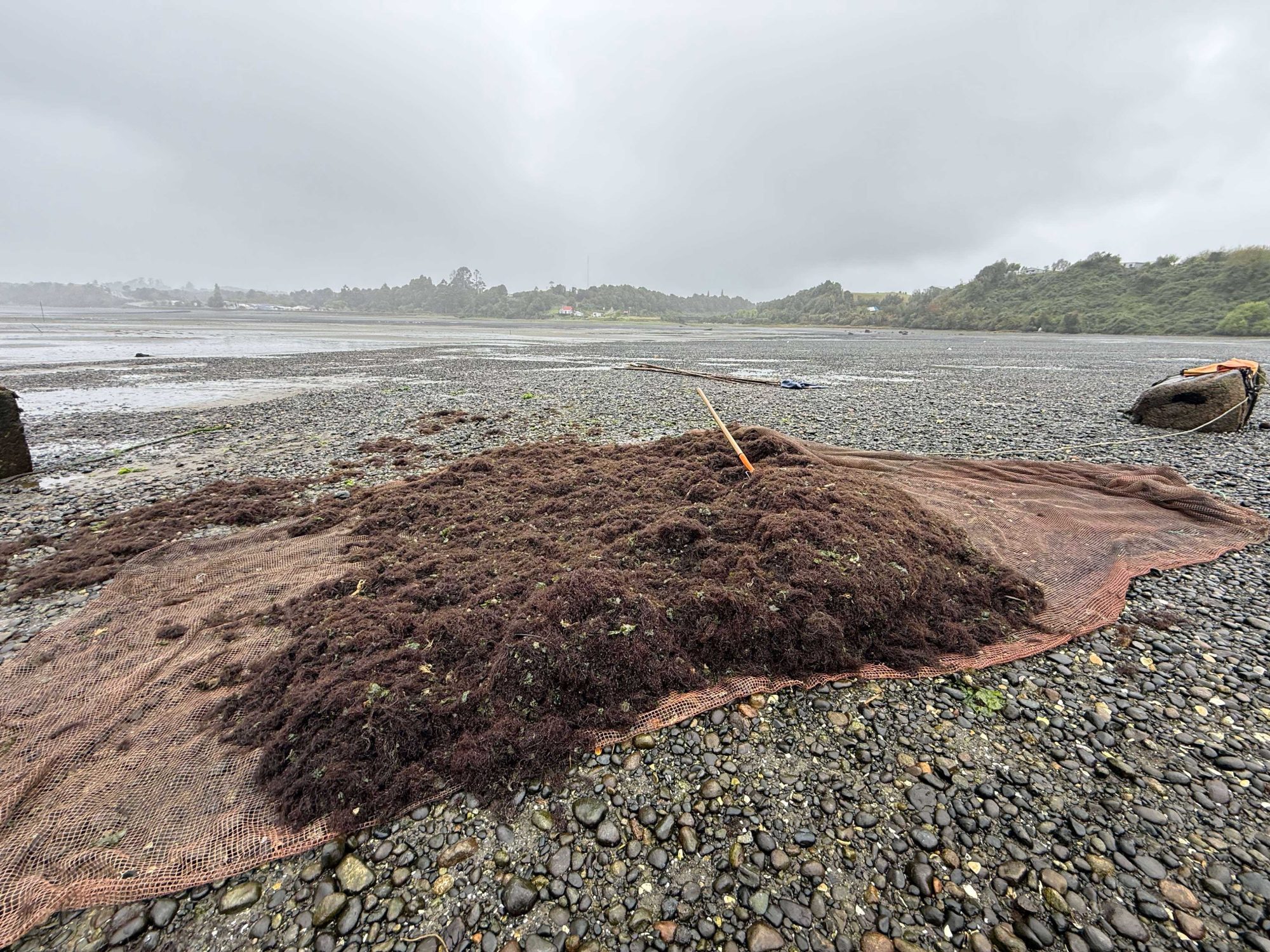
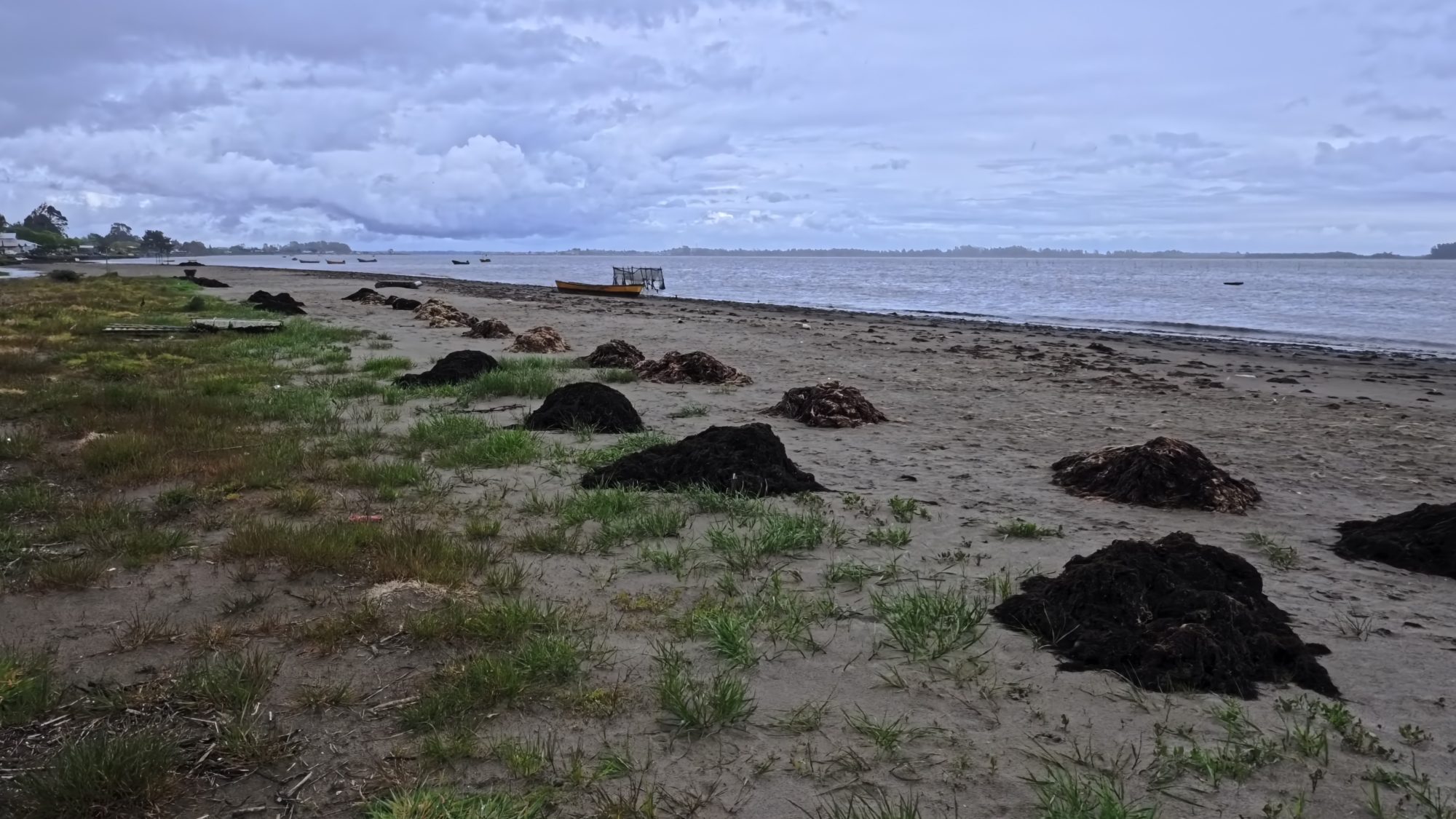
Harvesting approaches differ significantly between cultivation systems. For bottom culture, farmers use mechanised dredges known as arañas, which are towed by motorboats and can collect 2,000 kg within 30 minutes. This method requires only two operators but faces challenges due to high labor costs and worker scarcity. In contrast, rope culture depends entirely on manual harvesting. Emerging larger-scale operations are testing automated line-cutting equipment to improve efficiency.
Transportation of biomass
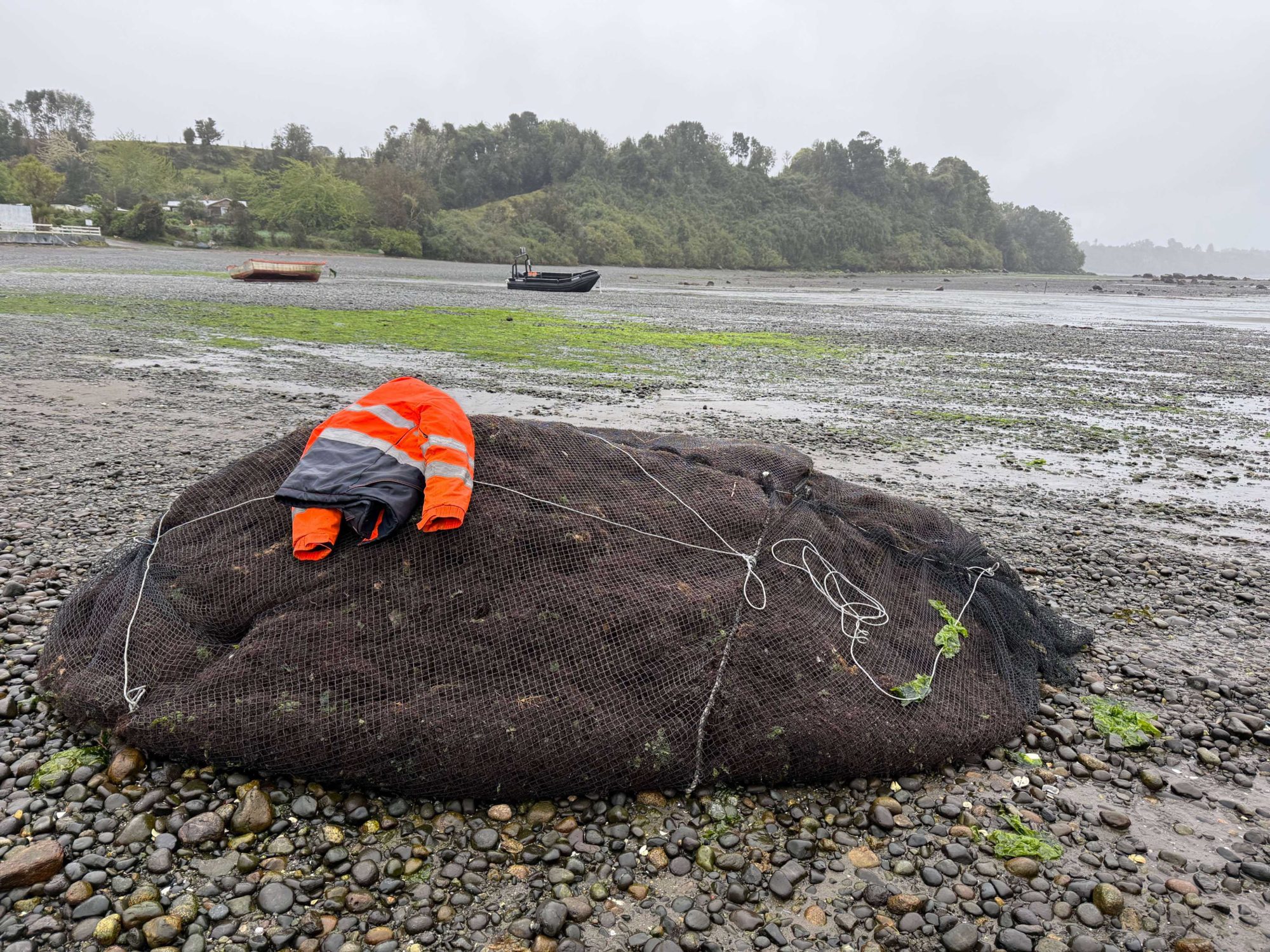
Transport to shore relies on specialised polystyrene rafts with a capacity of 1,000 kg, with larger 3-4 ton nets being pulled ashore using boats during high tide, bull power, or tractors. After reaching shore, the algae is moved inland using flat carts. All harvesting and transport activities in Chilean farms are planned around tide cycles and weather conditions, with sunny periods being particularly important for sun-drying requirements.