Eucheumatoids Grow Out
South East Asia
Overview
Eucheumatoids in the tropical regions can grow all year-round due to the relatively stable environmental conditions close to the equator. Moving further away from the equator, there is wider variation between the good and bad seasons.
Almost all regions are affected by seasonality to a certain extent, meaning they have specific times of the year where the seaweeds grow better than others. For most species, during the rainy season the drop in salinity and temperature affects them negatively. The temperature range is 27-31ºC, with an optimum temperature of 30ºC. Most farmers we met had no means to track the temperature or other water quality parameters.
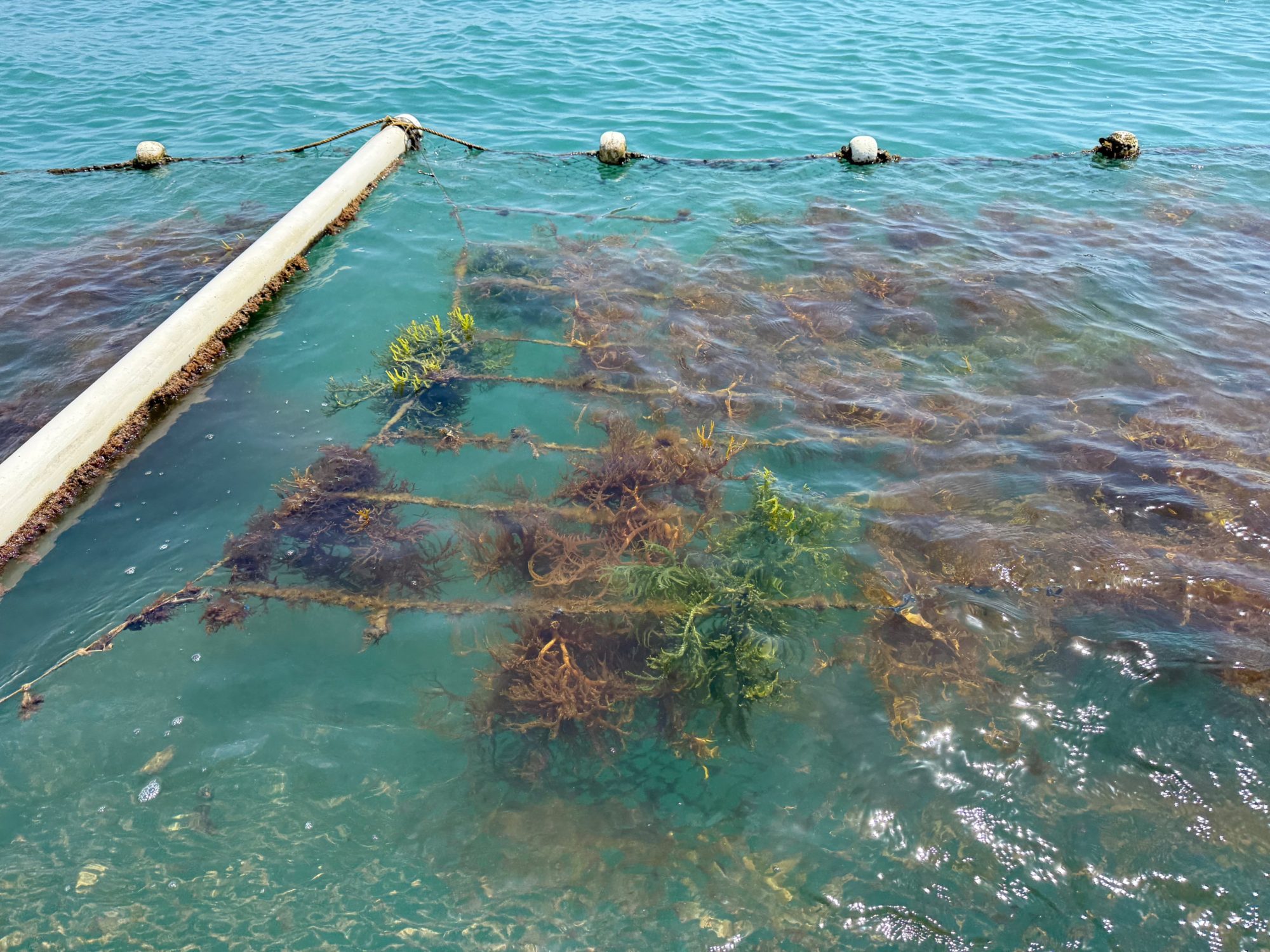
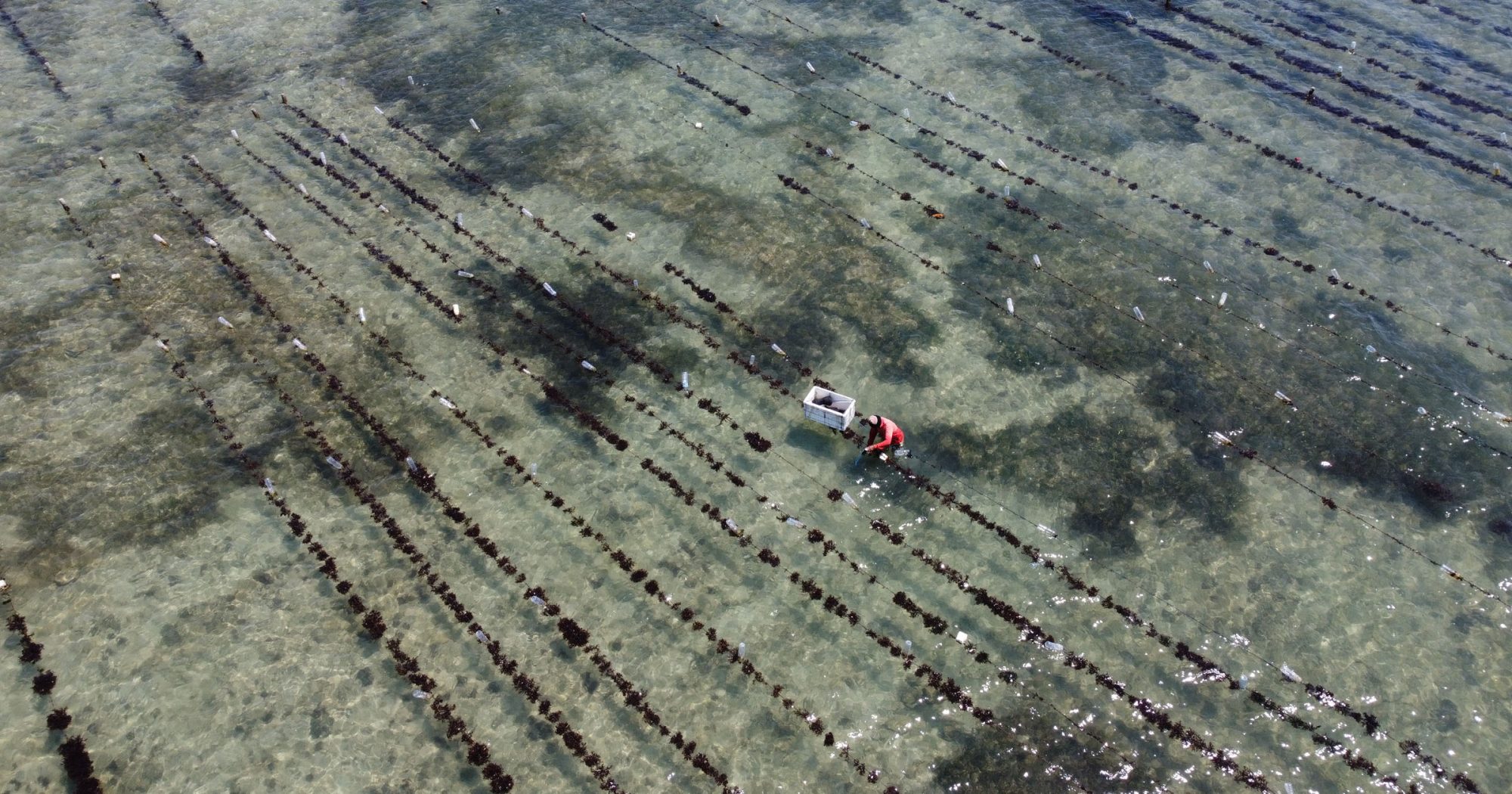
Farmers base their decisions on – for instance – when the next line will be harvested, on intuition. Some would work with a calendar, yet what mainly matters to them are the tide cycles. Especially in regions where farms are accessible by foot at low tide (mainly fixed off-bottom systems), all farming activities are timed according to tide.
Maintenance
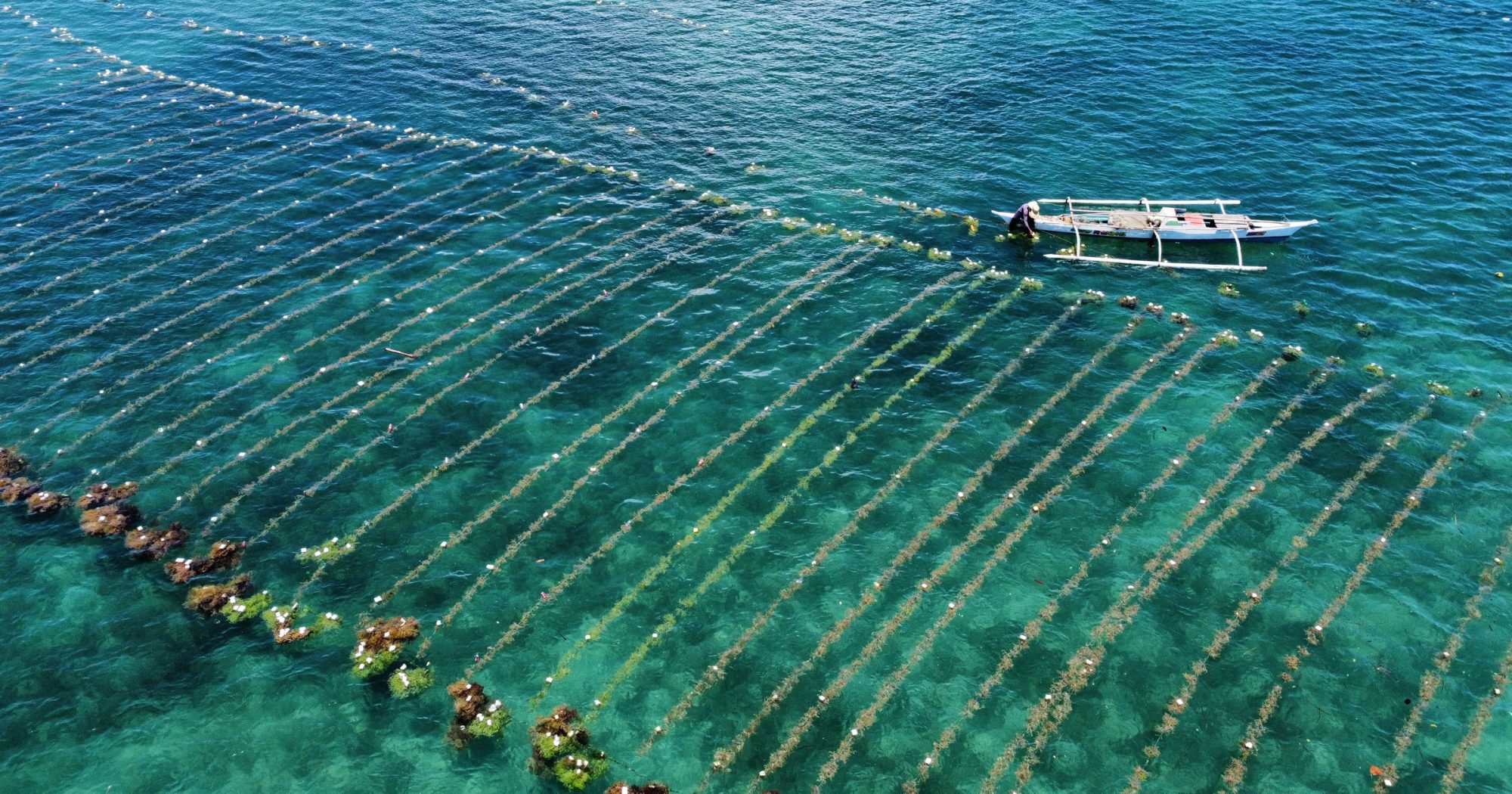
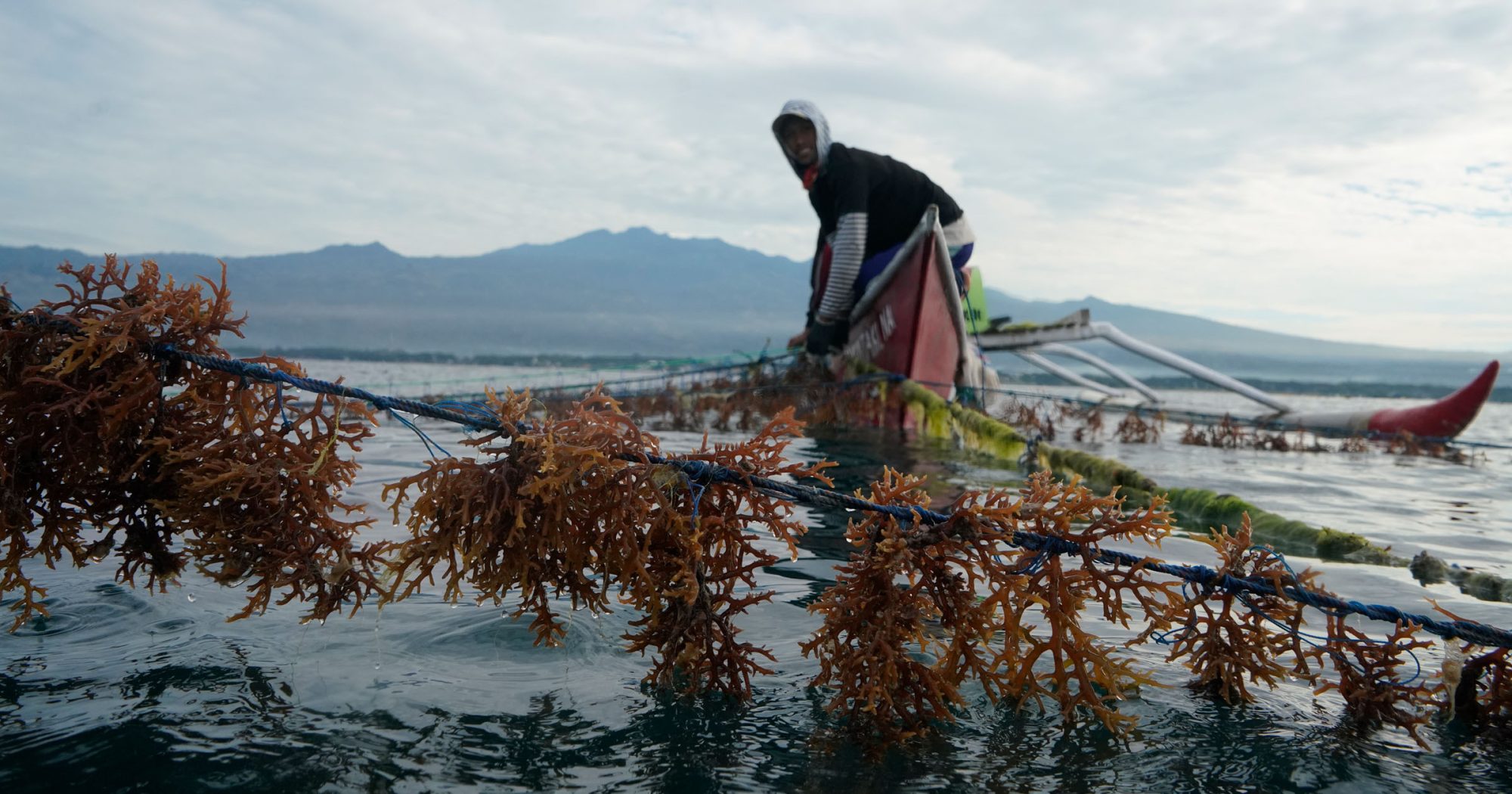
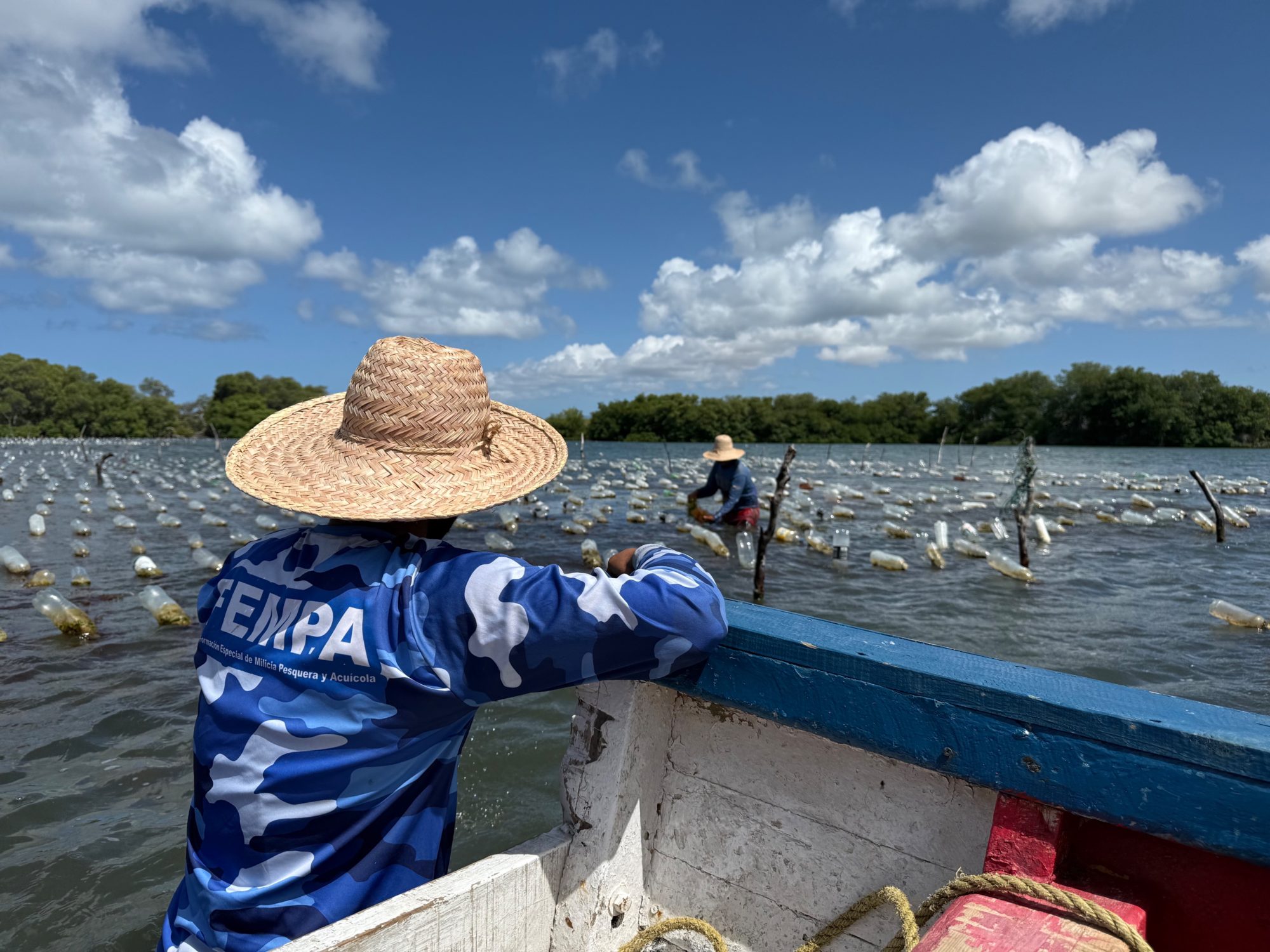
Eucheumatoids are farmed in cycles between 30 and 45 days and most farmers visit their lines on a daily basis. Besides bringing out new lines and harvesting activities, they check on their growing lines, mainly to keep them clean from epiphytes or sediments.
For instance, in some regions a lot of sediments tend to accumulate on the seaweed especially after heavy rains and fresh-water run-offs. This can inhibit good growth of the seaweed. To prevent this, some farmers reported that simply shaking the cultivation lines once in a while helps to remove these sediments.
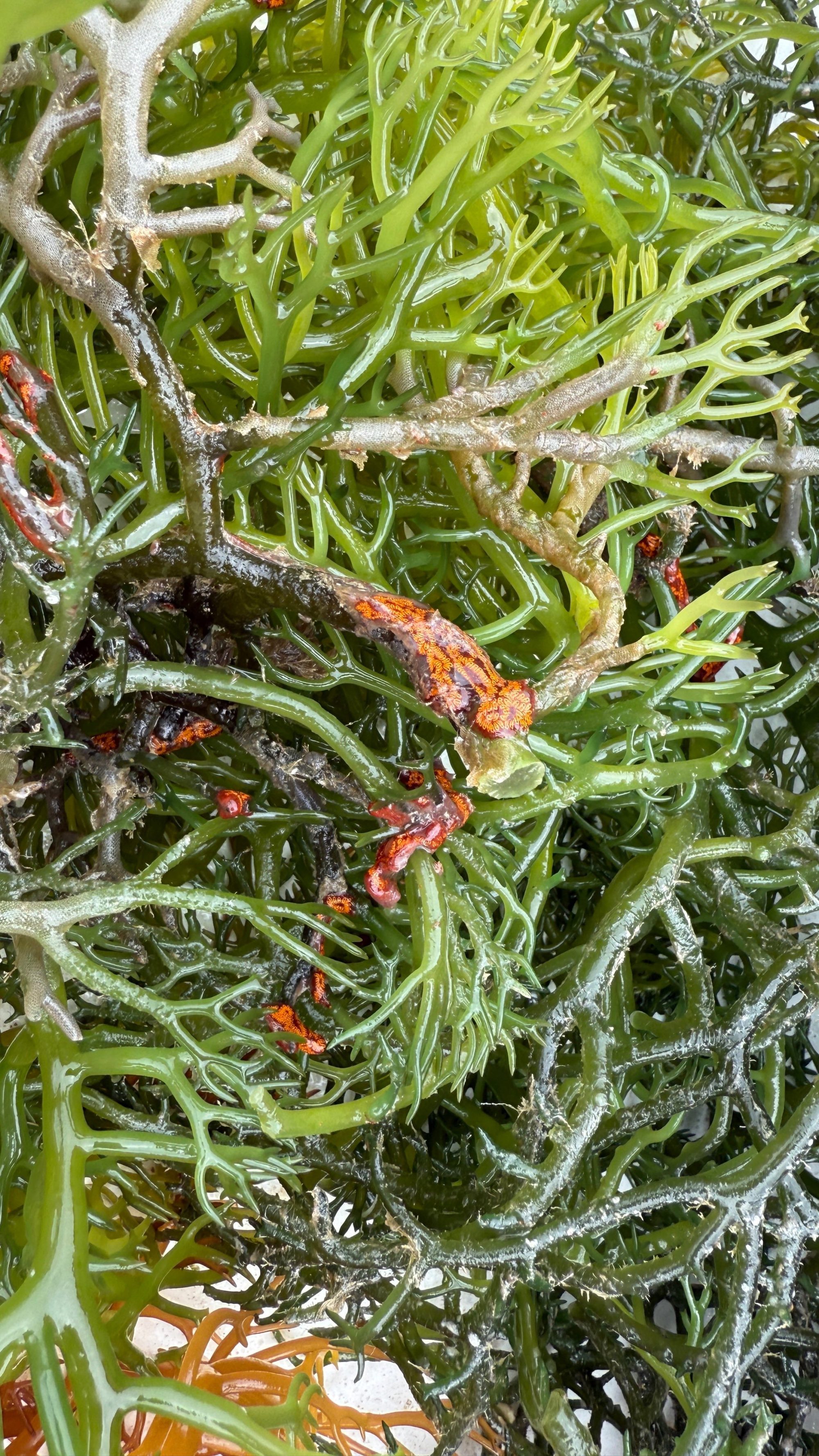
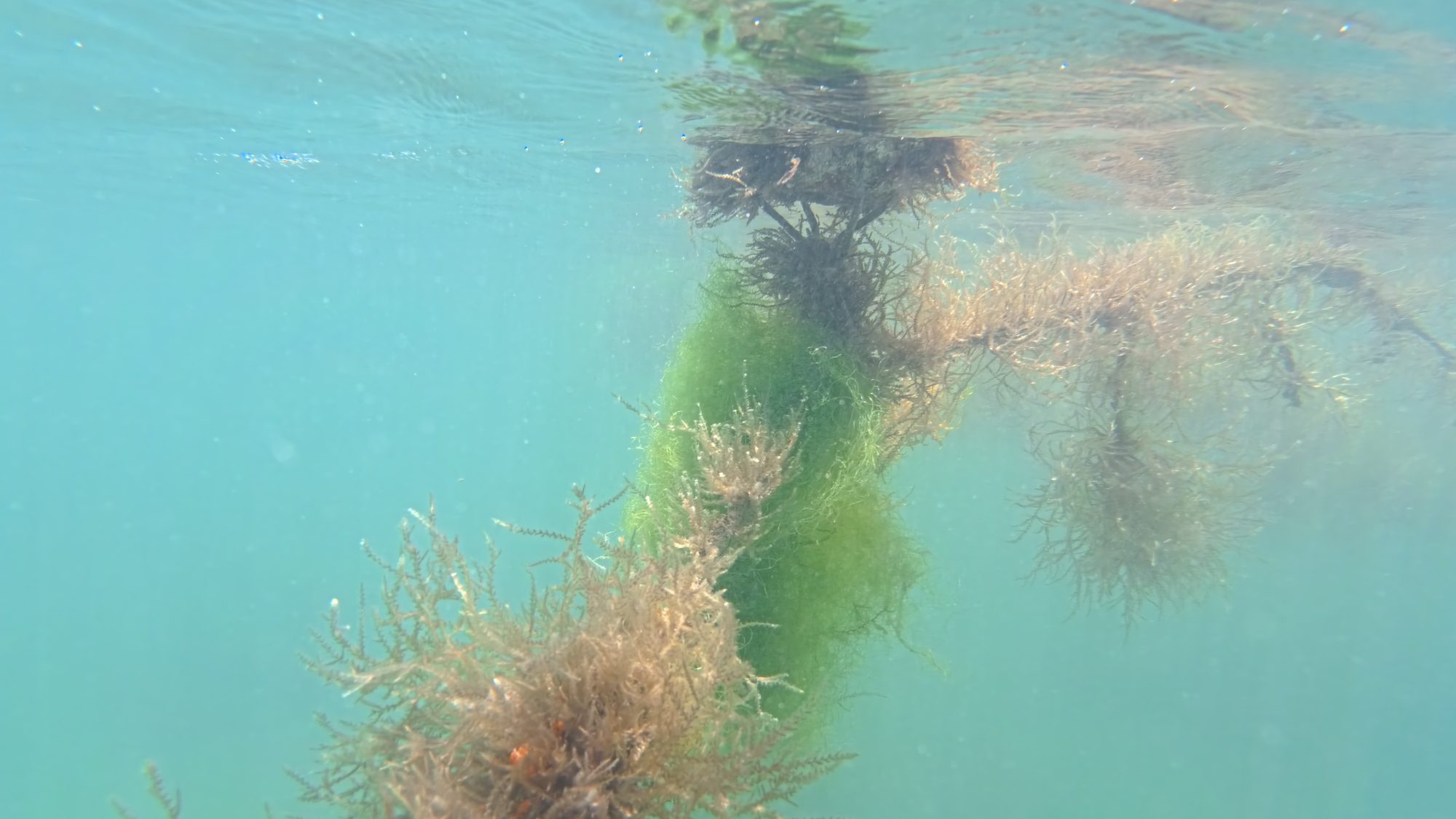
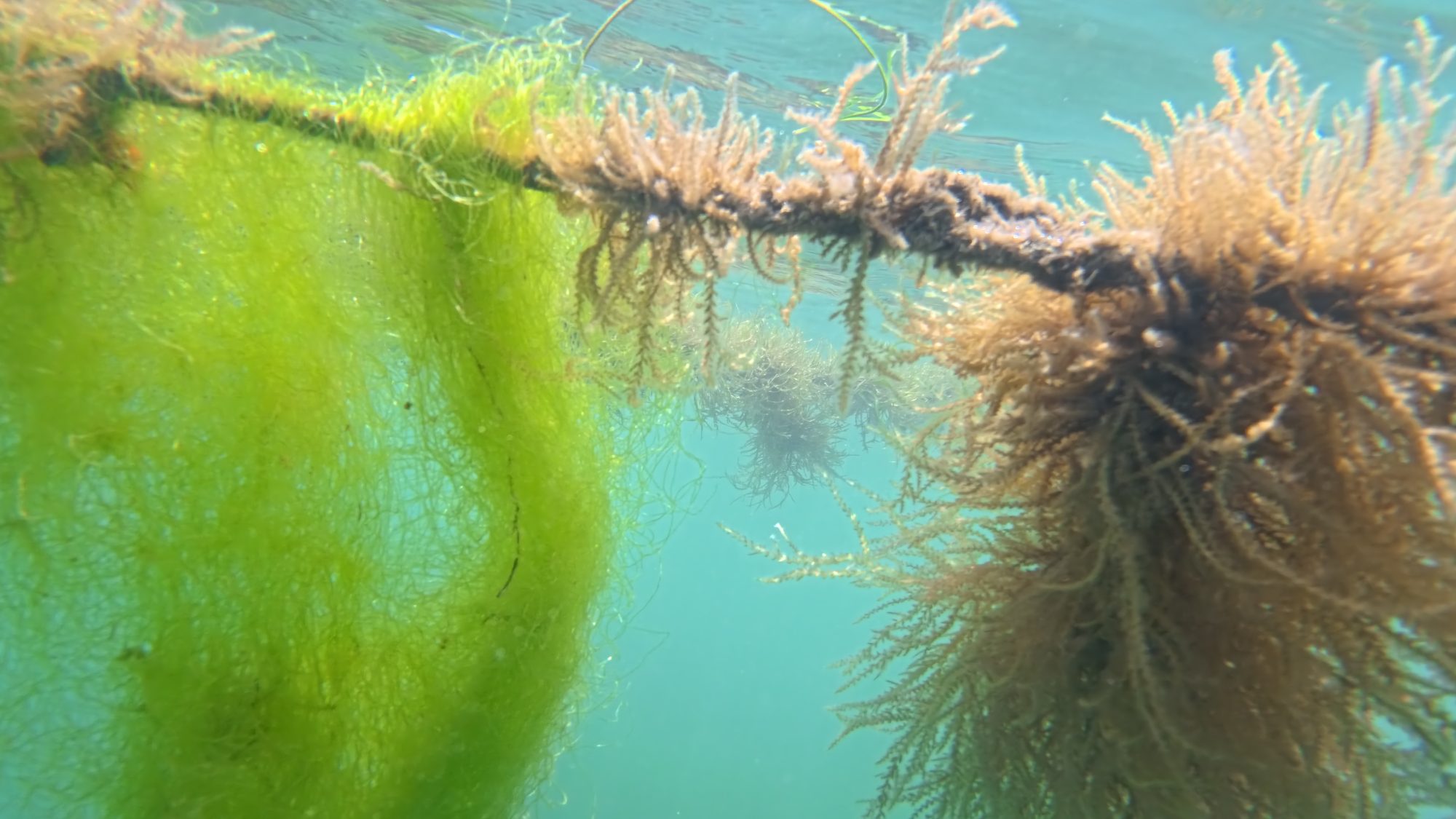
Another example, which requires more work for the farmer is the filamentous algae, which is usually a seasonal issue. Farmers need to clean the lines in this case or can sometimes sink the entire lines for a little while. However, cottonii (Kapphaphycus spp.) is much more fragile than spinosum (Eucheuma denticulatum) to this practice.
Consequently, when the season is not ideal for growing cottonii, with a possibility of being infected with ice-ice syndrome, or if epiphytes are very strong, farmers will grow spinosum instead.
Overall, spinosum needs less attention and is a more robust crop to farm than cottonii. Nevertheless, farmers prefer to grow cottonii whenever possible, since they get a much higher price for it.
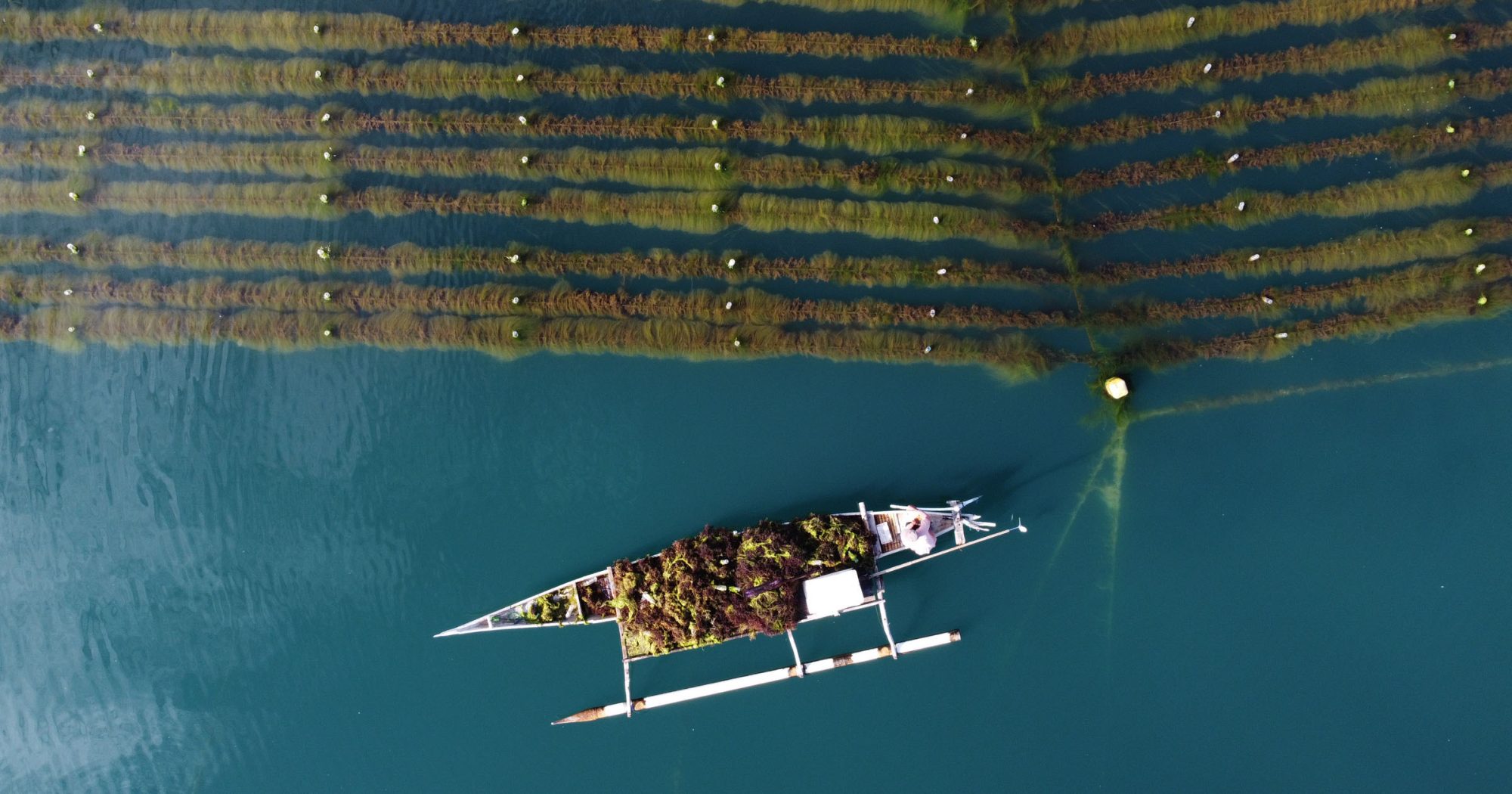
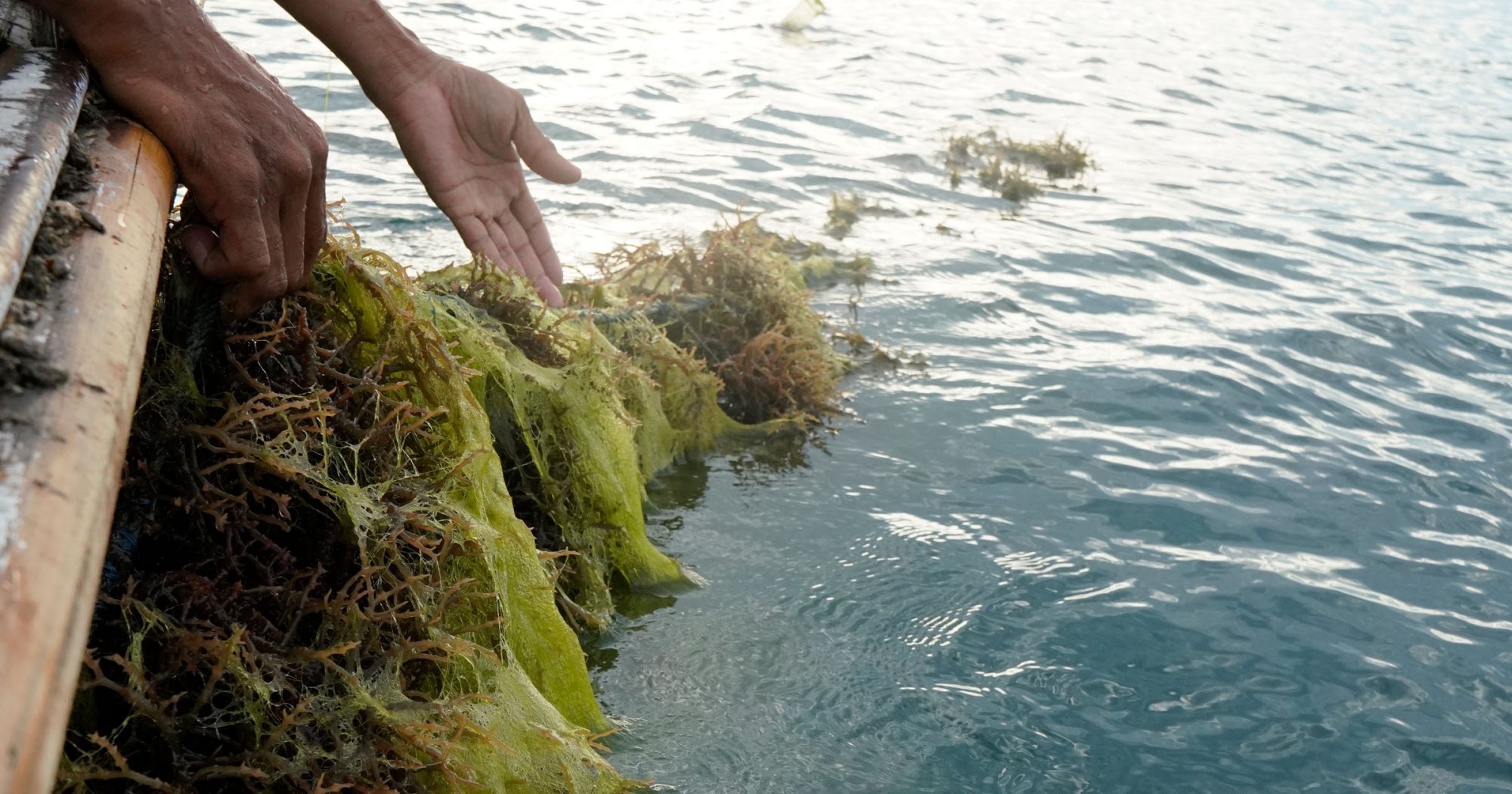
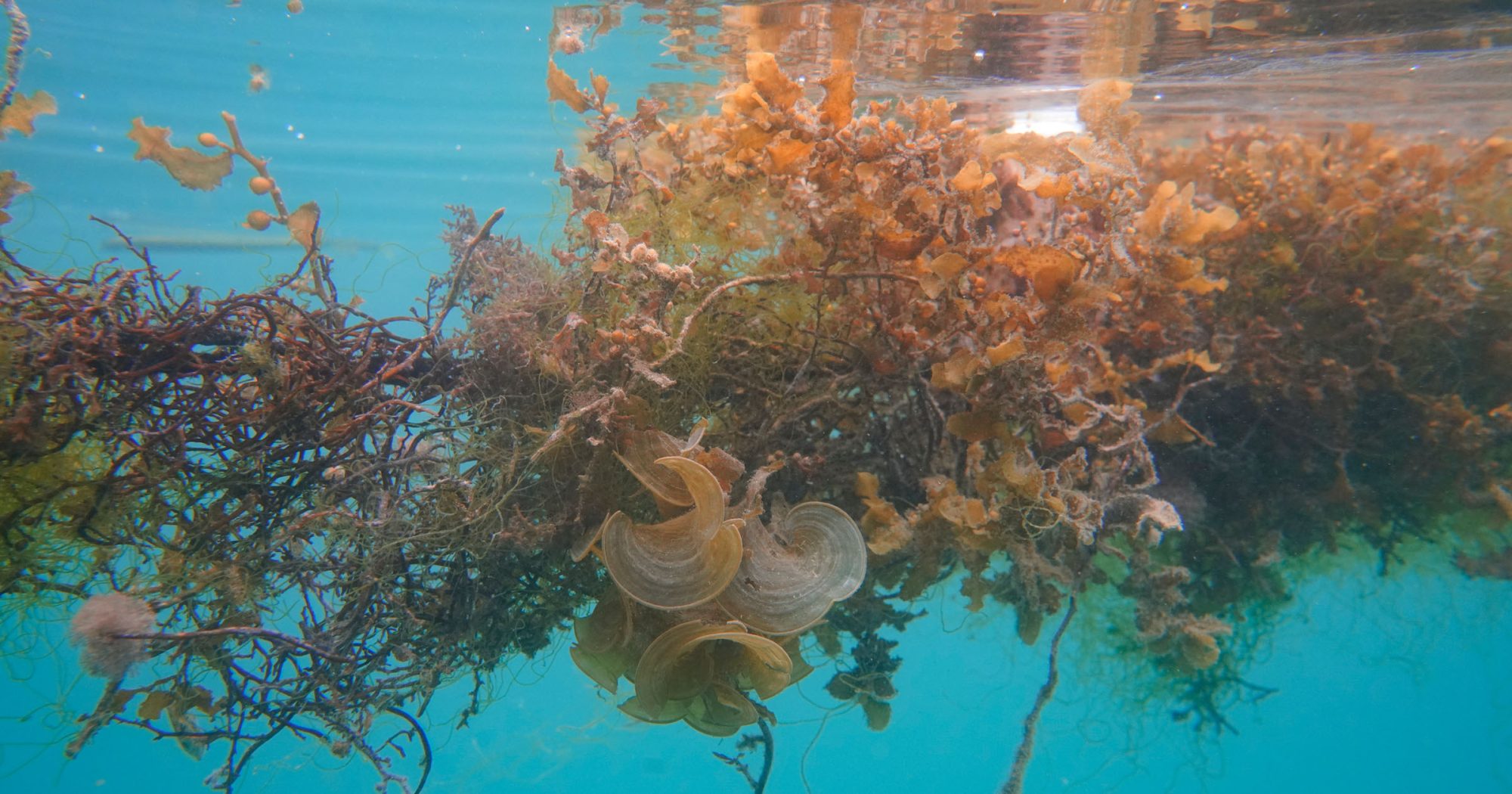
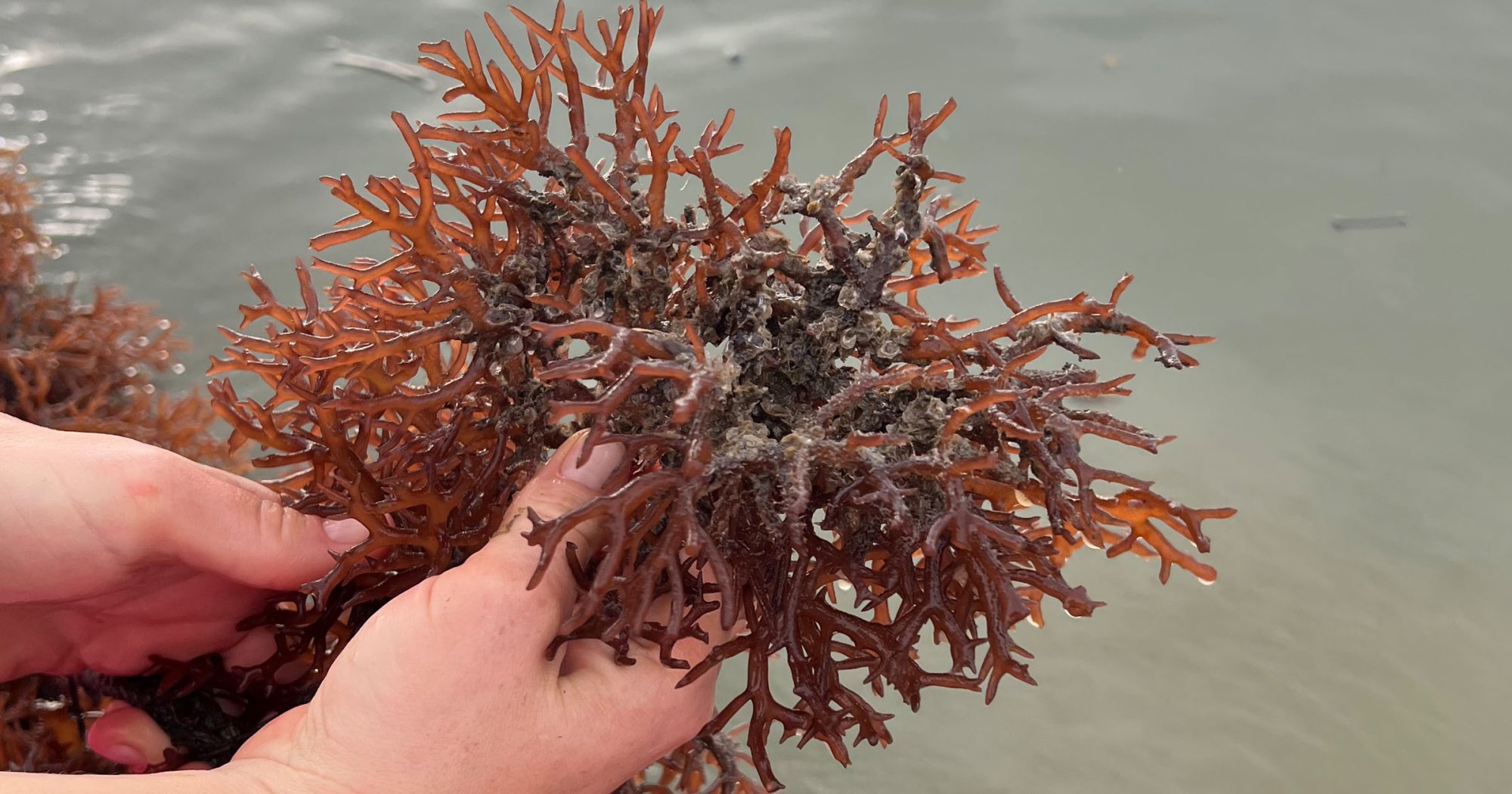
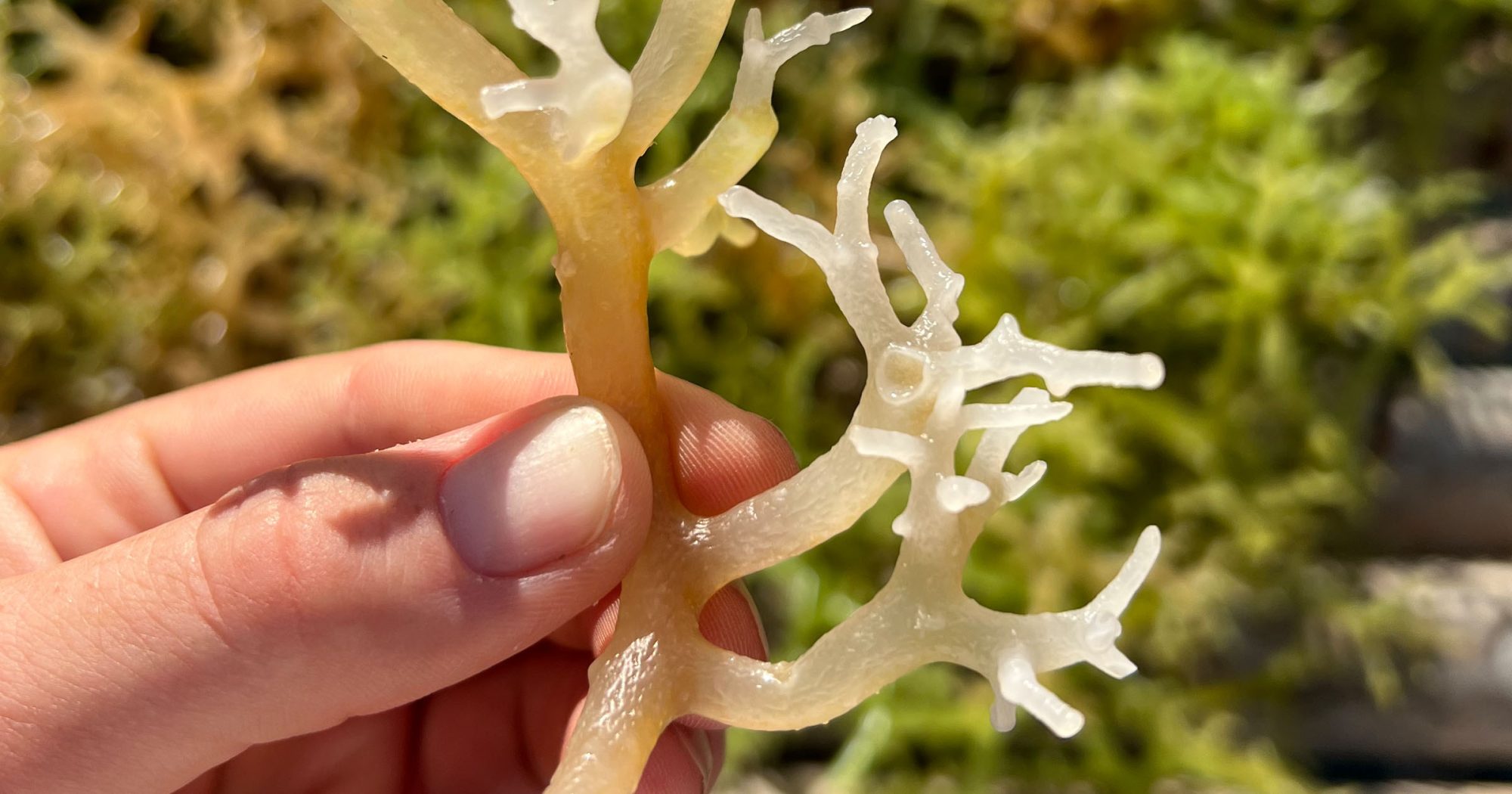
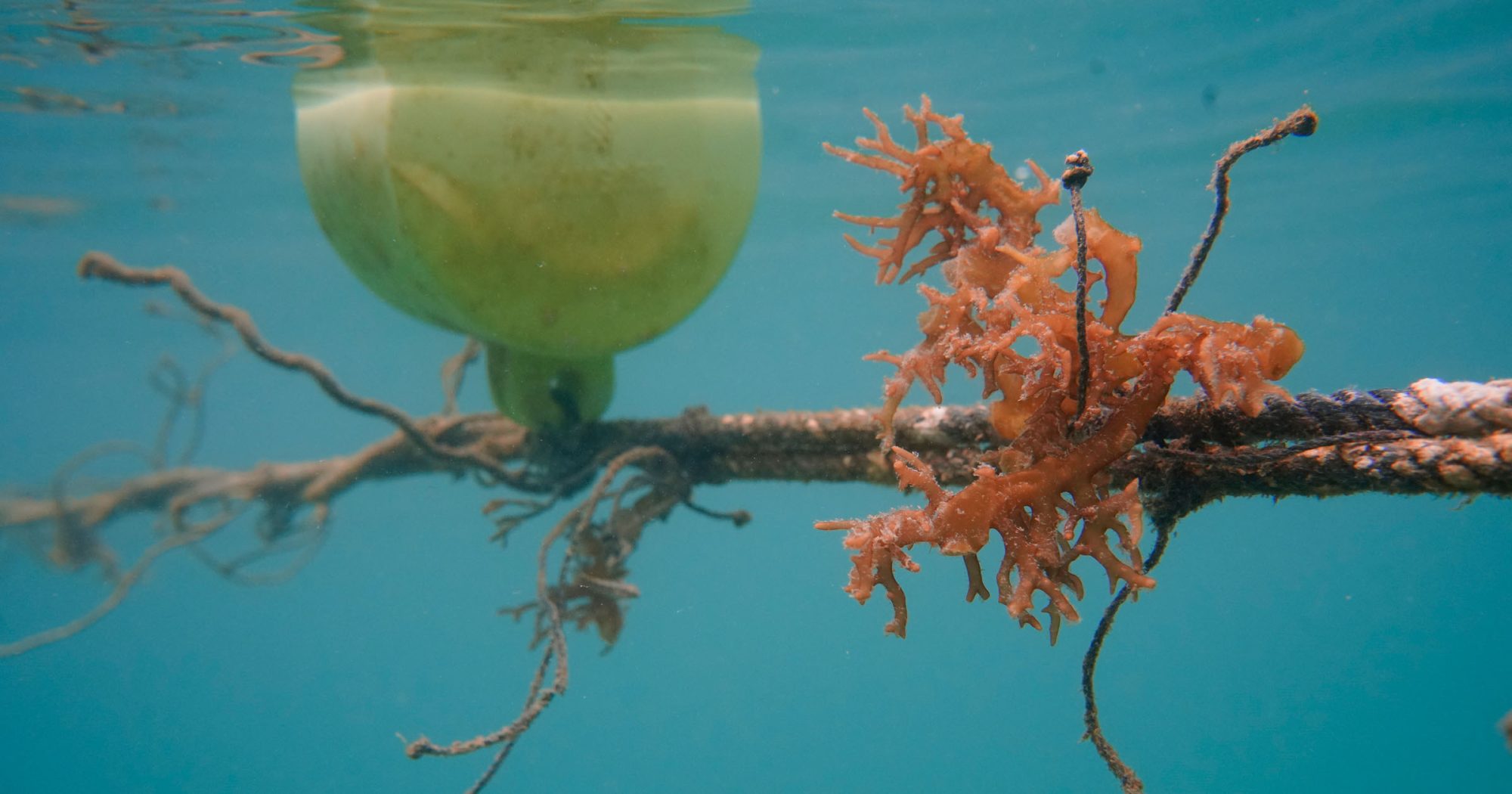
Seaweed farms affected by ice-ice suffer from loss of biomass and reduced carrageenan yield and quality.
Ice-ice syndrome
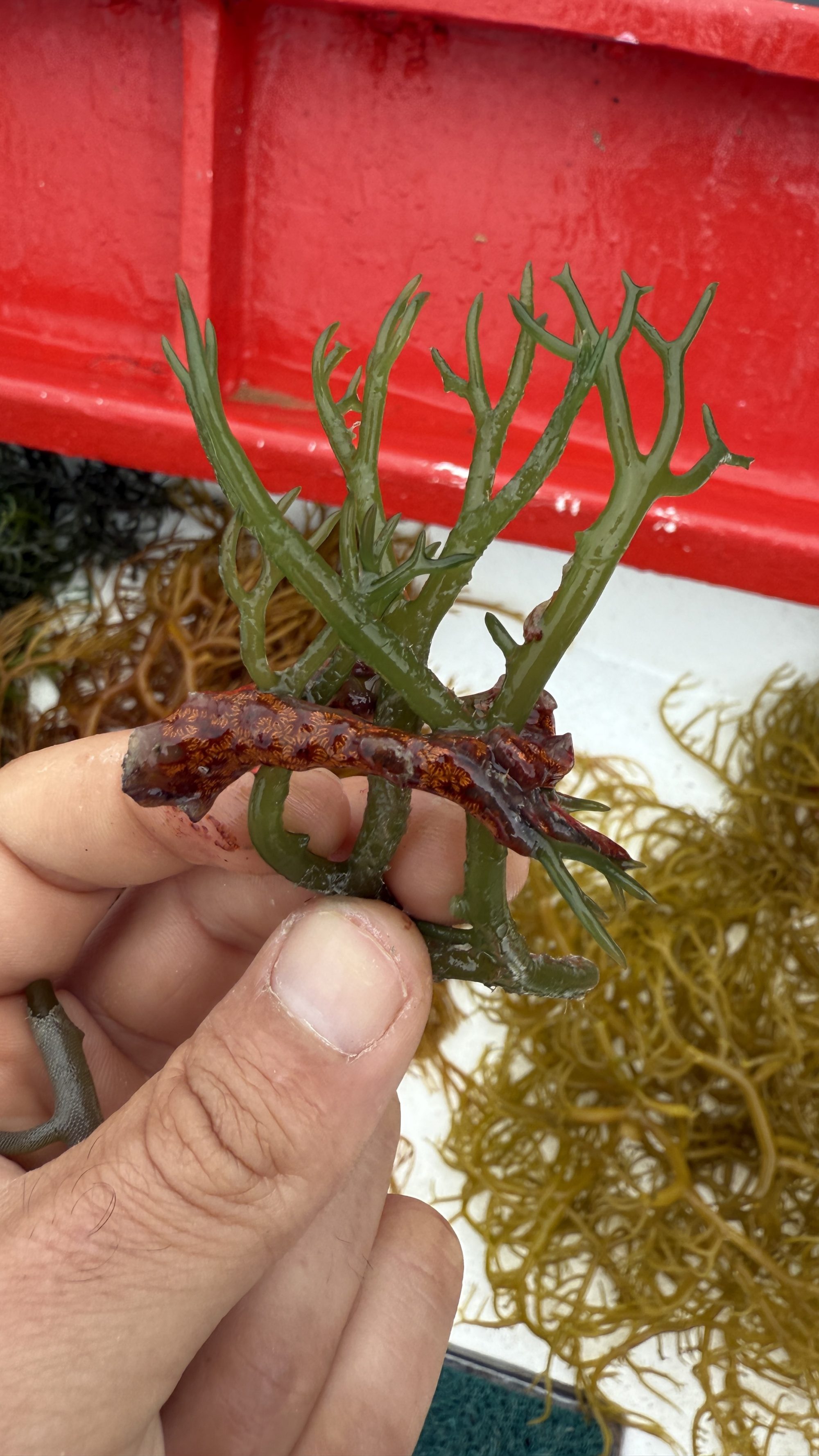
Although the biological reasons for the ice-ice syndrome occurrence are not fully understood, it is characterised by bleaching of the seaweed followed by softening and degradation of affected parts of the plant. Infected parts of the seaweed should be removed from the lines. Best practices suggest that removed parts and all filamentous algae collected must be brought to shore and should not be left behind at the farm site, to avoid further spread or problems on the rest of the crop.
In some regions, theft (poaching) of seaweed has also been mentioned as a risk to the farmers during the grow out period – especially when farm sites are several kilometres away from their base.
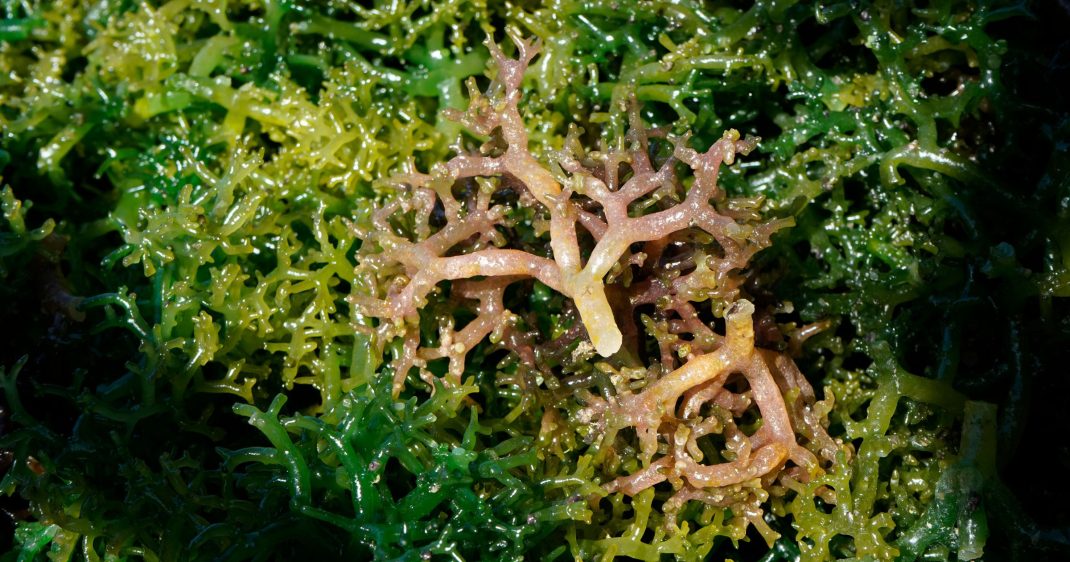
Caribbean
Overview
Due to their proximity to the equator, Caribbean seaweed farms have the potential for year-round production. However, the rainy season affects countries differently. In St. Lucia, growth improves during this period, with farming cycles reduced from 42 to 28 days. In contrast, farmers in St. Vincent and the Grenadines report negative impacts.
Most surveyed farmers do not track temperature or water quality themselves, though they note that fisheries ministries occasionally conduct tests and share results. Weather is mainly monitored through smartphone apps and association chat groups. Production and operations are usually planned with handwritten notes or simple Excel sheets. Ultimately, farmers base their management decisions on intuition and visual inspection.
Maintenance
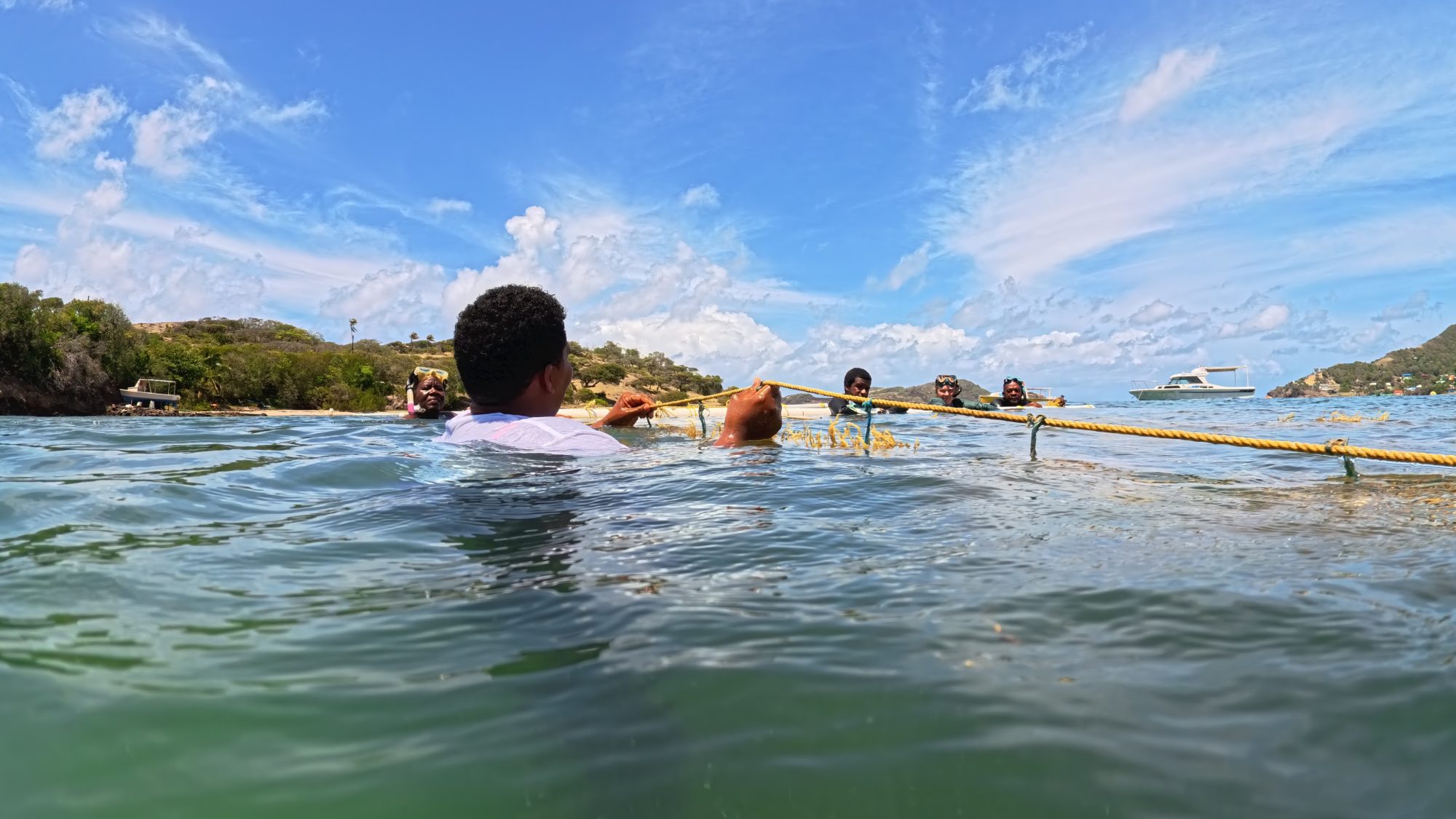
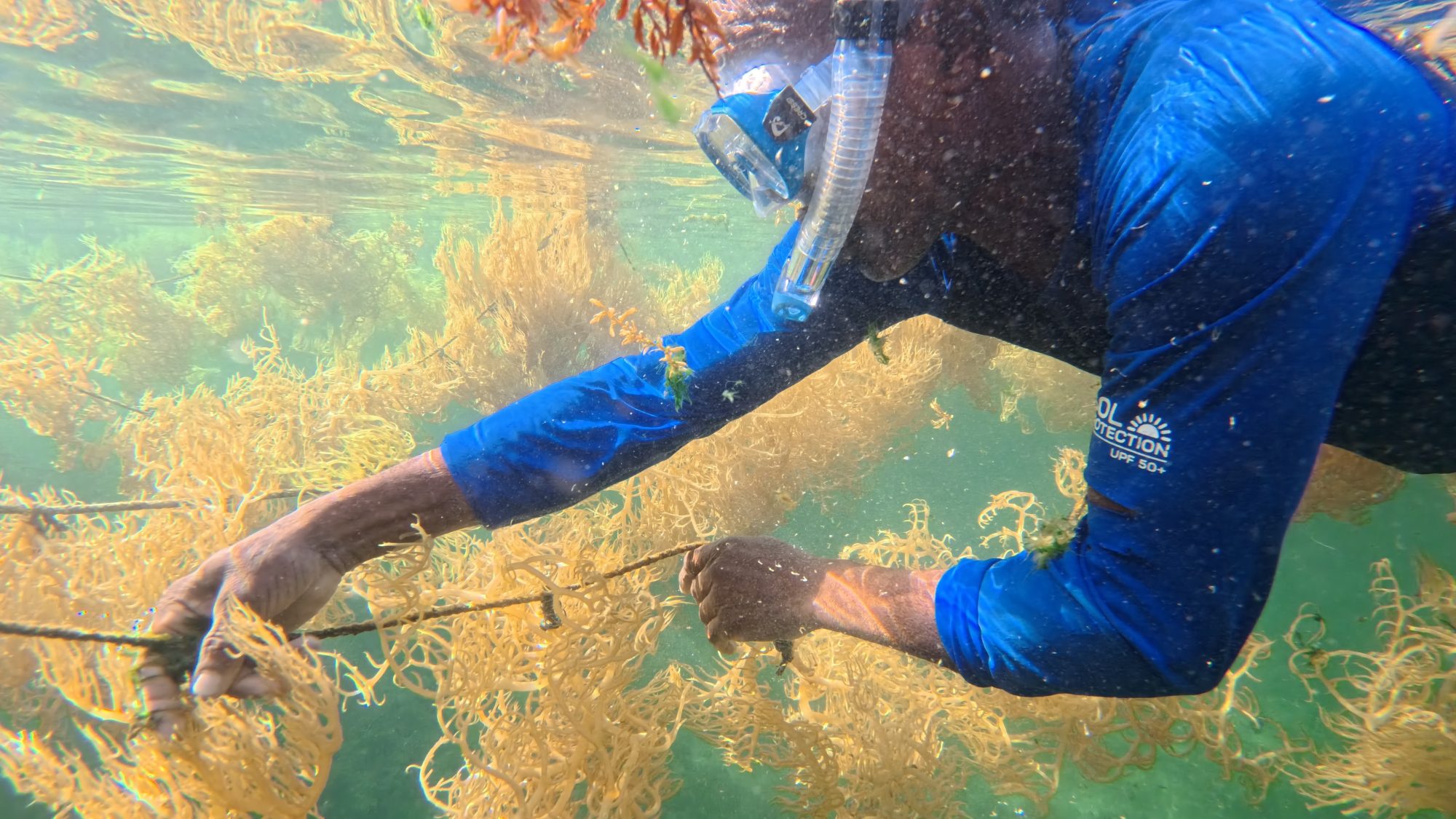
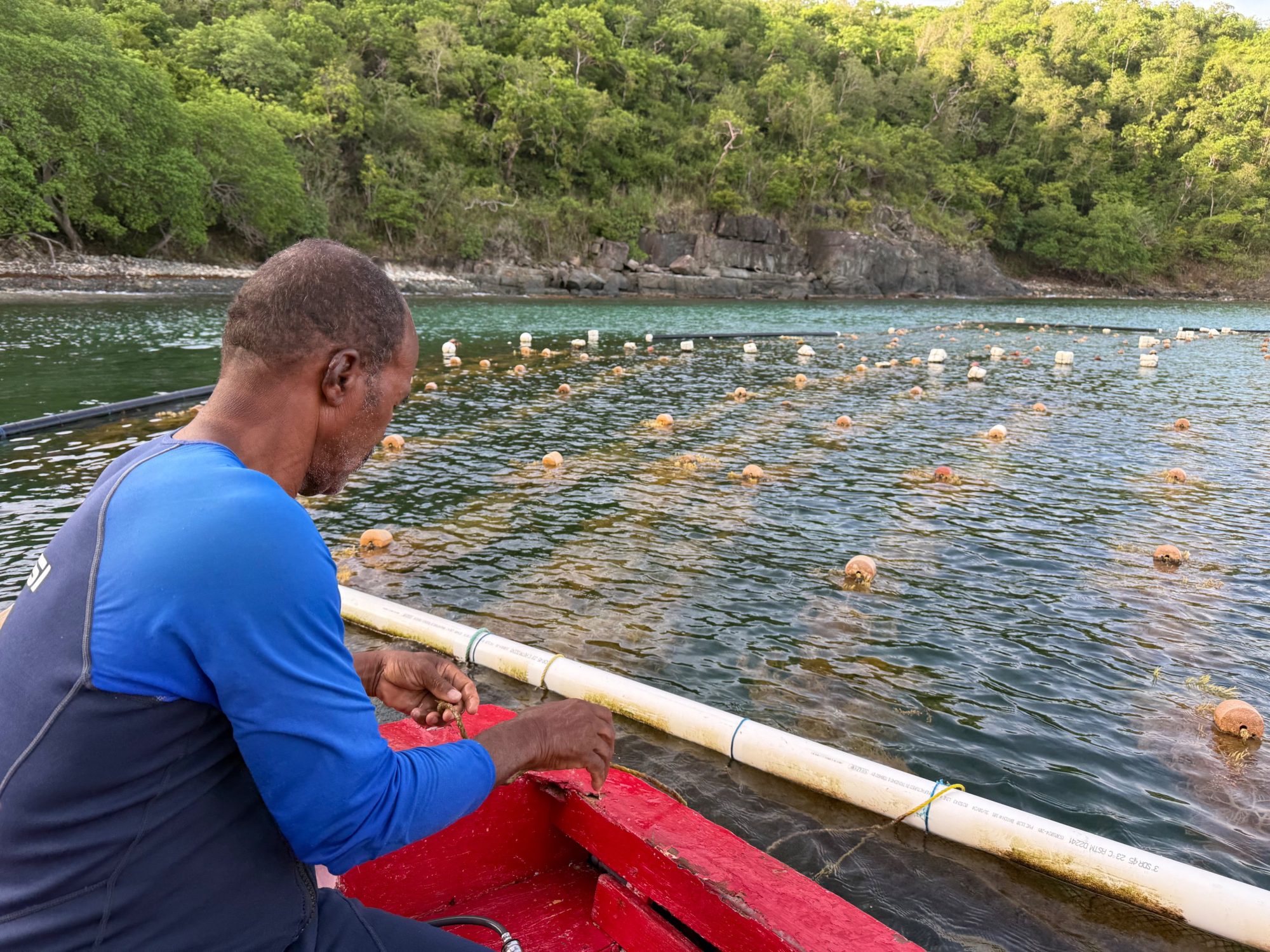
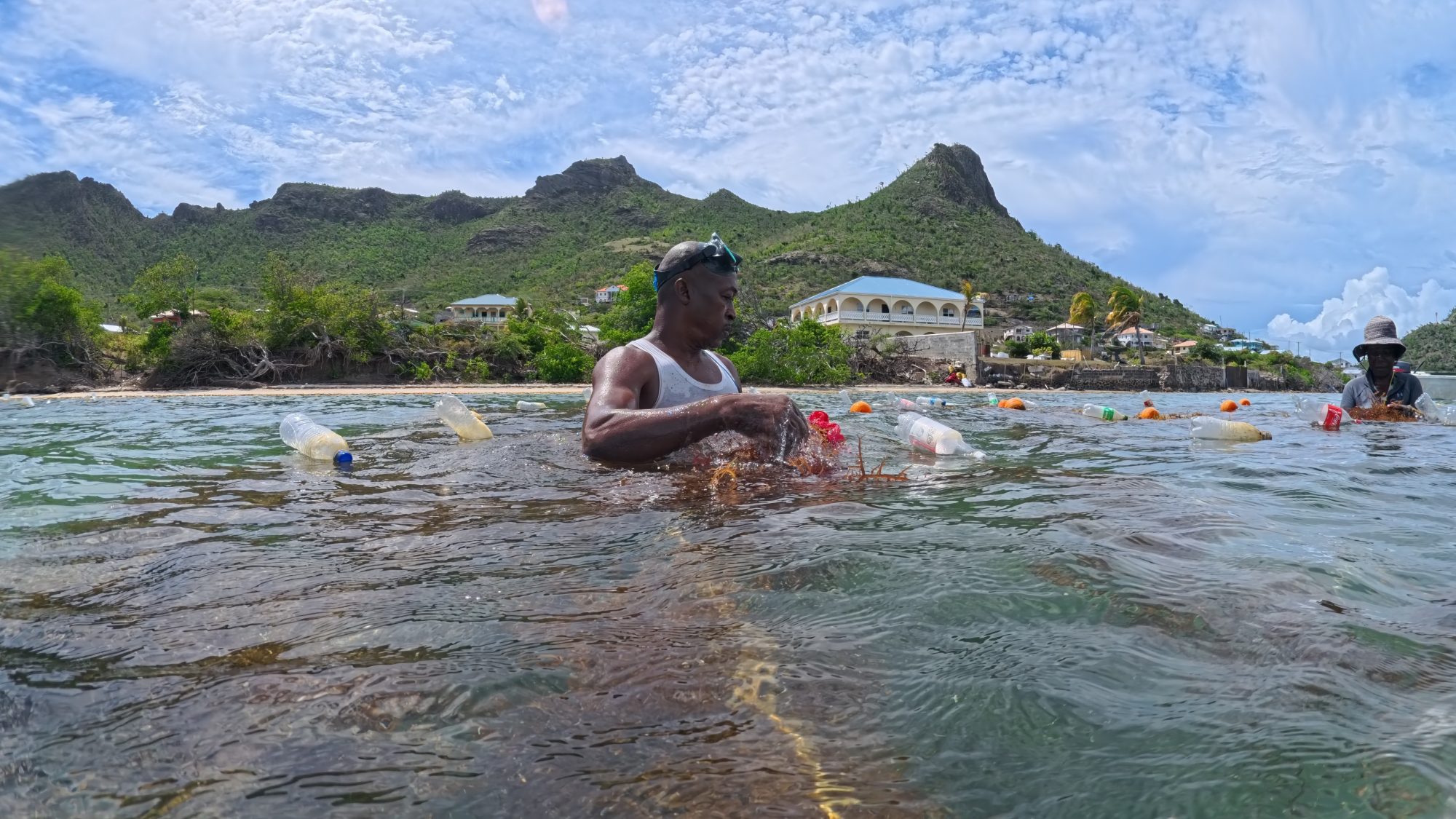
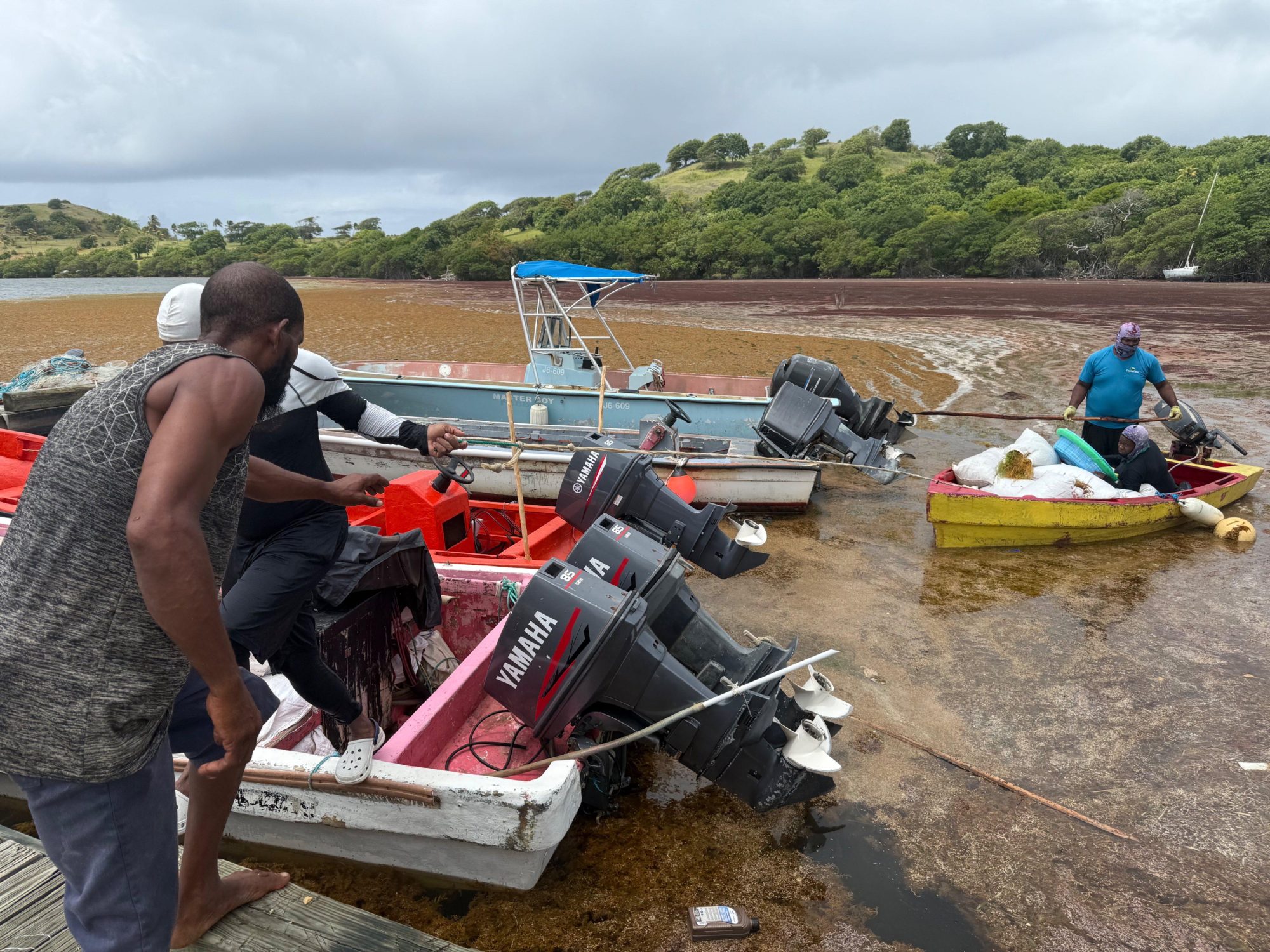
In Caribbean island nations, farmers typically visit their lines at least twice per week. Even when legal tenure exists, there is an unwritten rule that abandoned lines may be taken over by others.
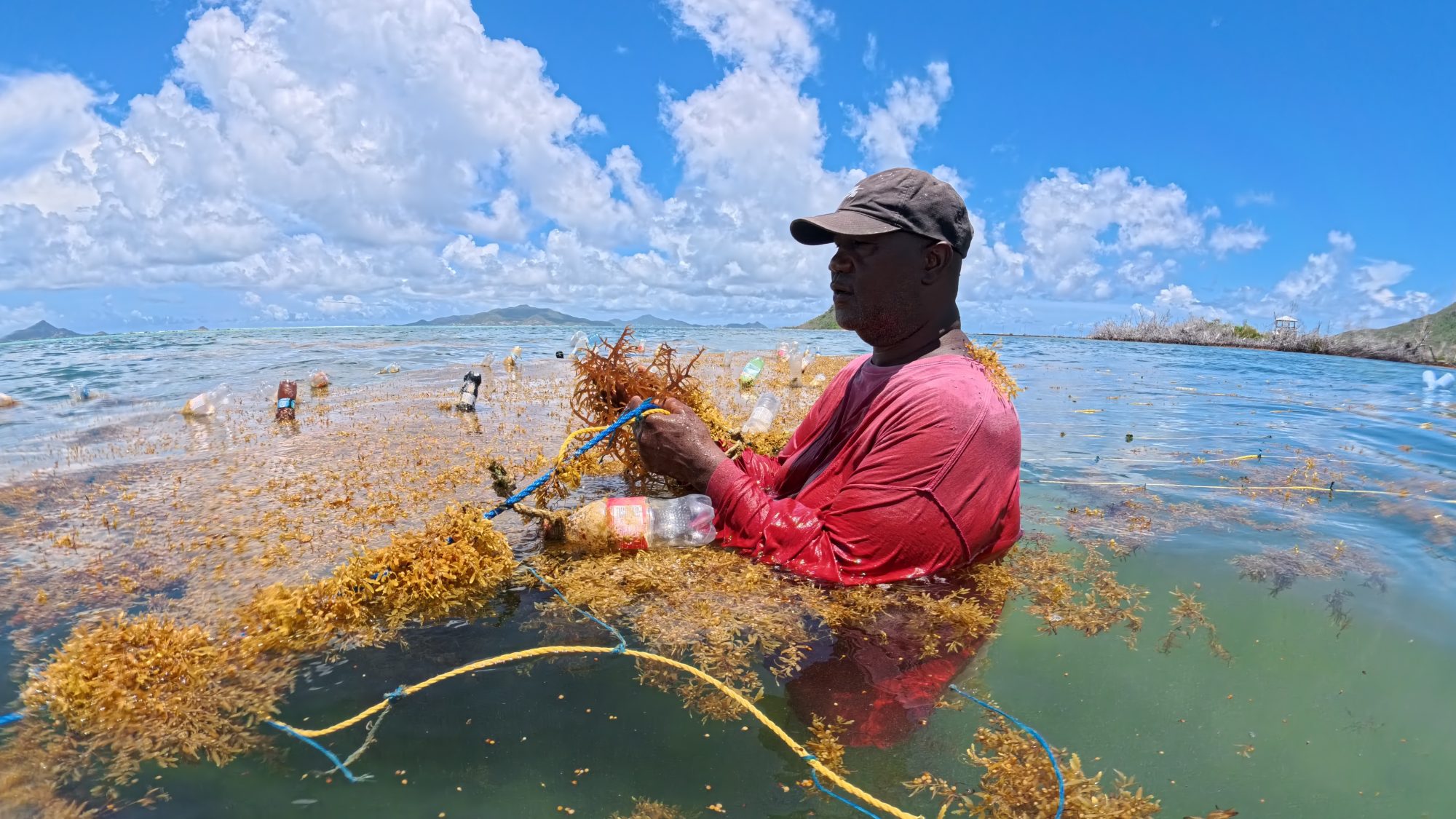
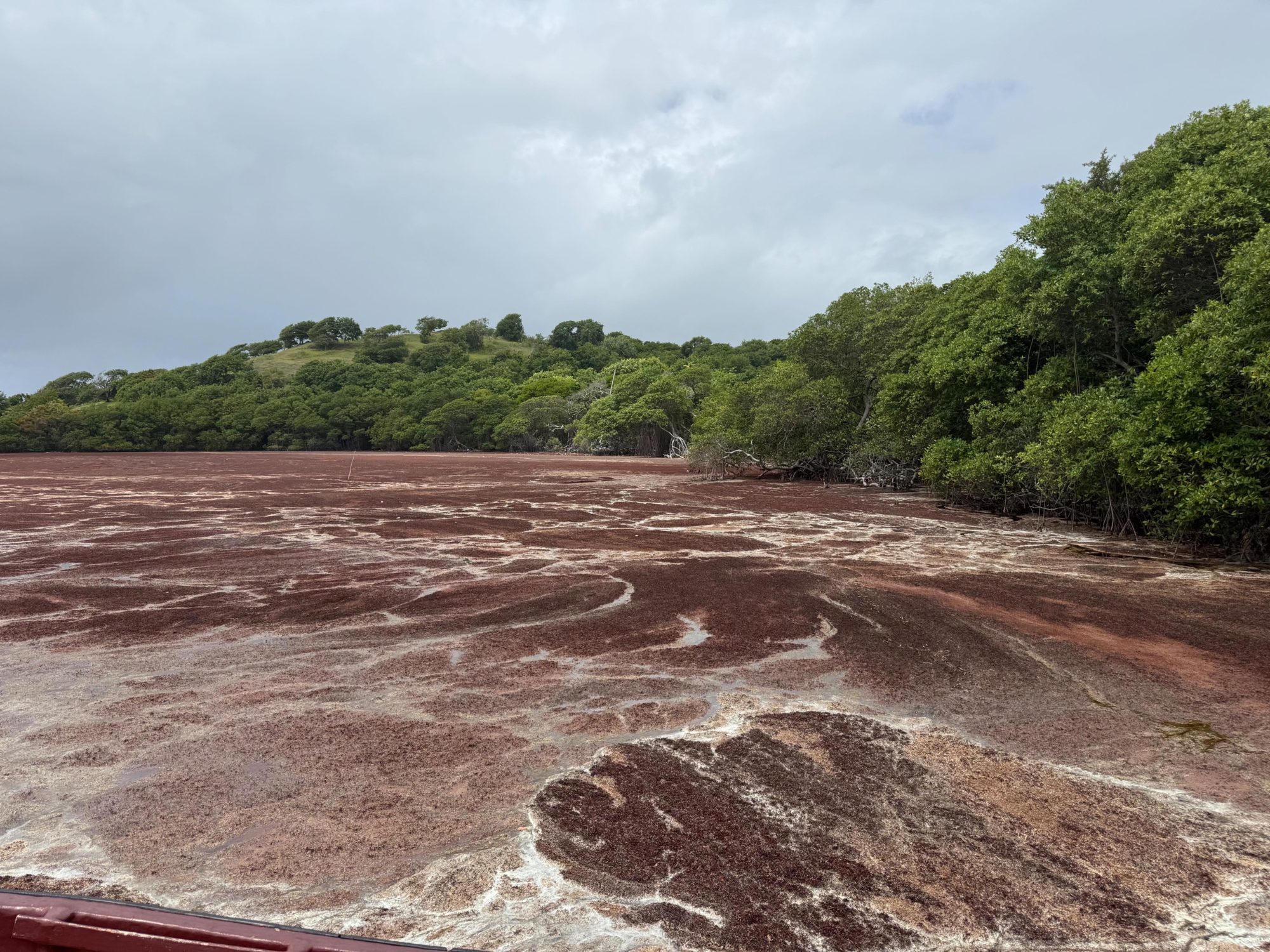
During the rainy season, sargassum becomes a major challenge across the islands. It can cause “melting” and degradation of the seaweed, forcing farmers to clean their lines by hand on a daily basis. While ice-ice syndrome is not formally reported, some symptoms resembling the disease can be observed (see SEA section). Farmers also note that seaweed farms attract marine life such as fish and turtles. Although these species are grazers, most farmers do not consider them a serious threat to cultivation.
Another widespread concern is theft. Poaching of seaweed is a significant risk, particularly for farms in remote areas. Farmers report robbery across islands, with Union Island’s community sensitisation efforts initially reducing theft. However, once wild stocks declined after COVID, farmed seaweed again became vulnerable.
South America
Overview
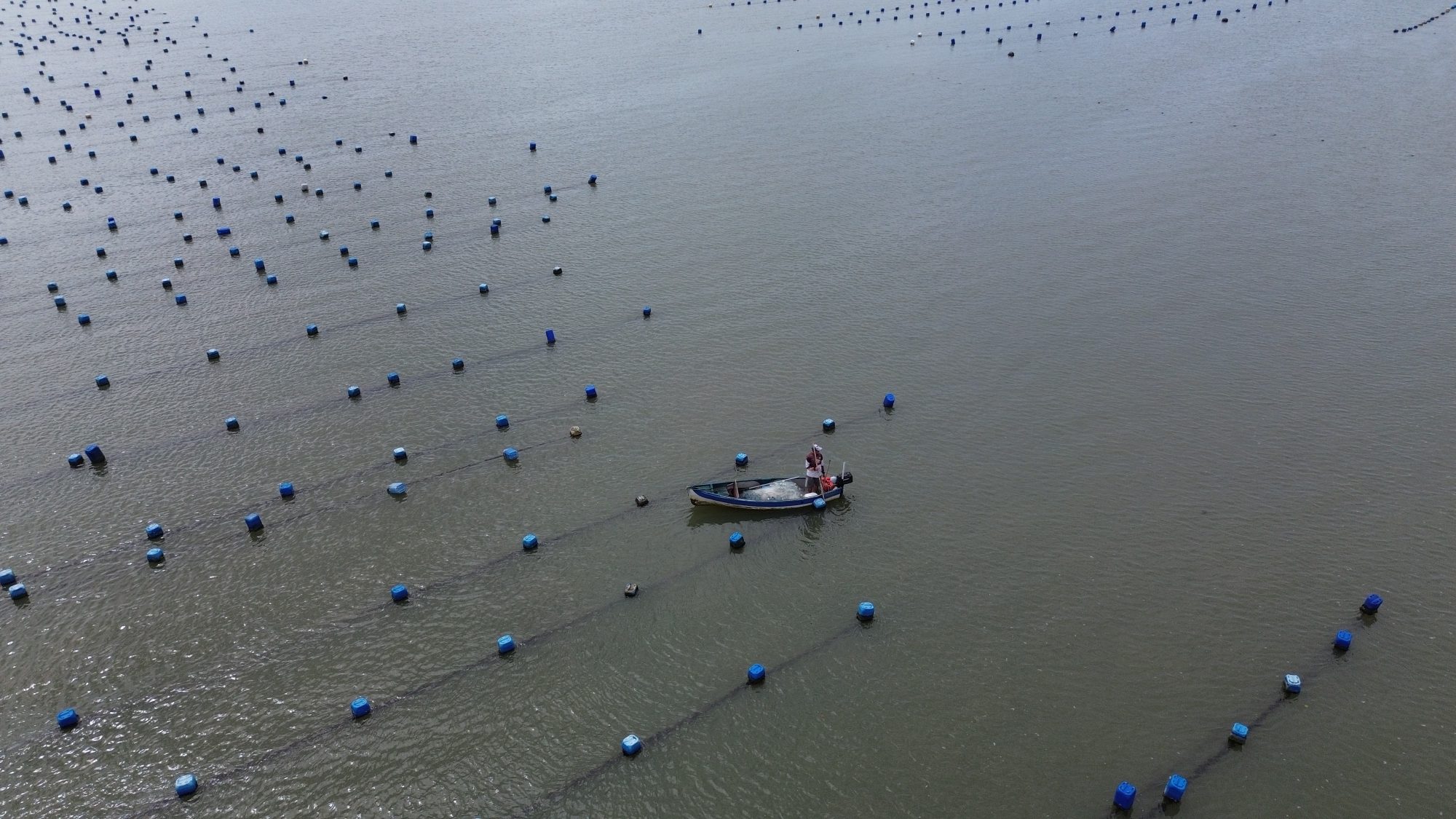
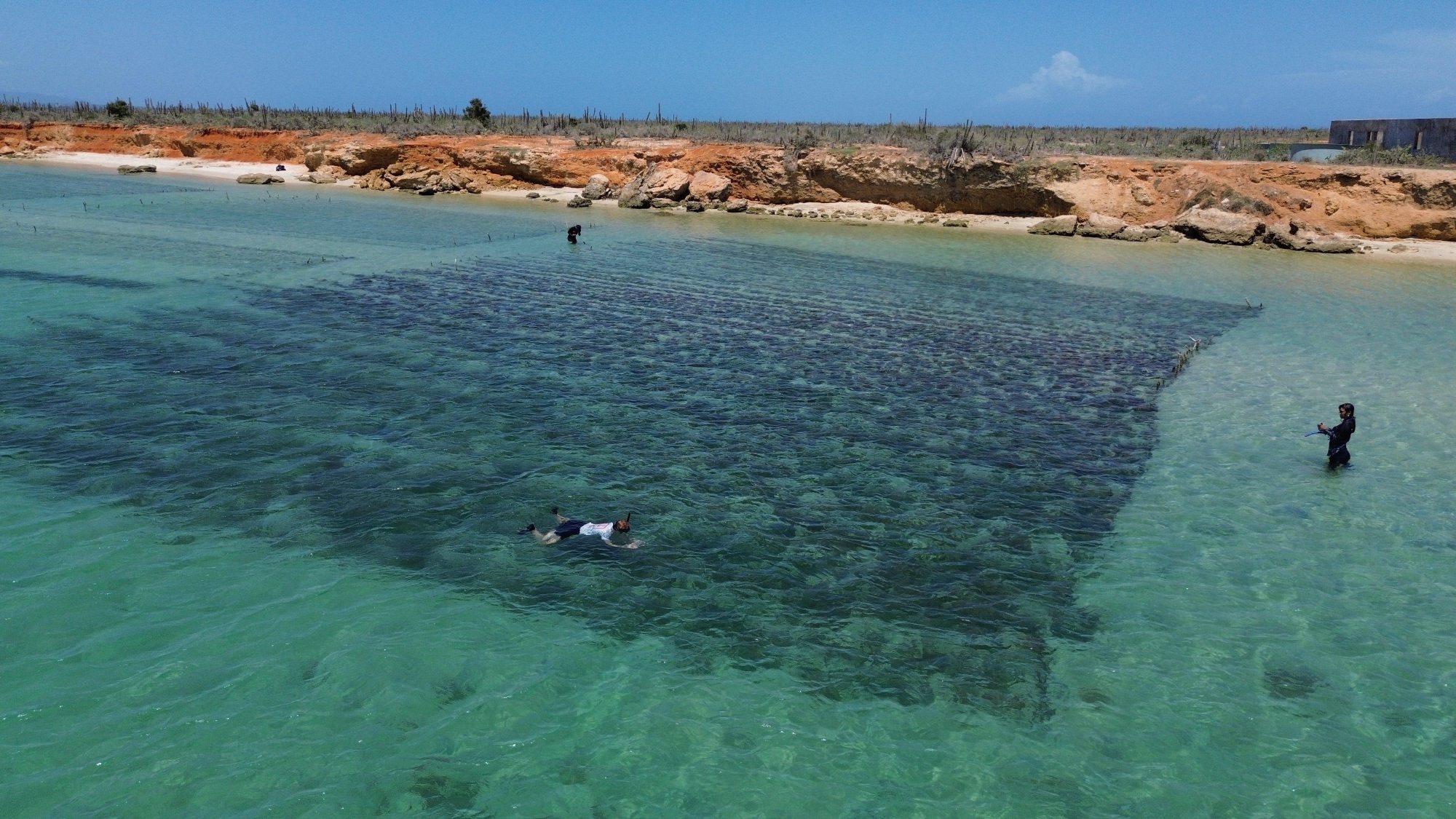
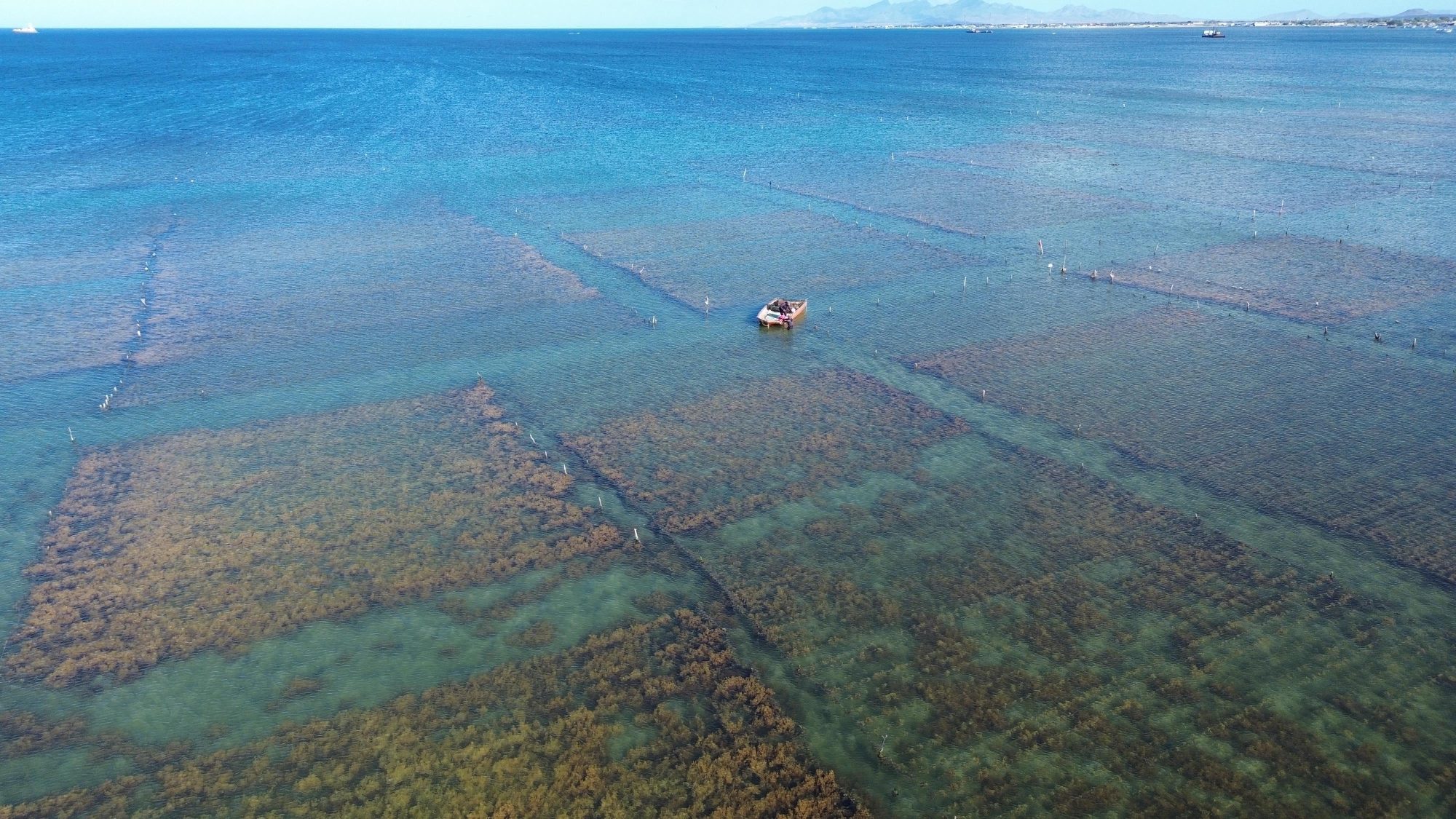
The cultivation of Eucheumatoids in South America is shaped by a clear climatic divide, from the stable tropical waters of Venezuela to the strongly seasonal environment of subtropical southern Brazil. In Venezuela’s protected bays, ideal and consistent temperatures support year-round farming with rapid daily growth. In contrast, Santa Catarina, Brazil, endures a restrictive winter that halts cultivation for several months, confining the main growing season to the warmer half of the year. Rio de Janeiro occupies a middle ground, with milder winters that still permit continuous production, yet lower growth rates.
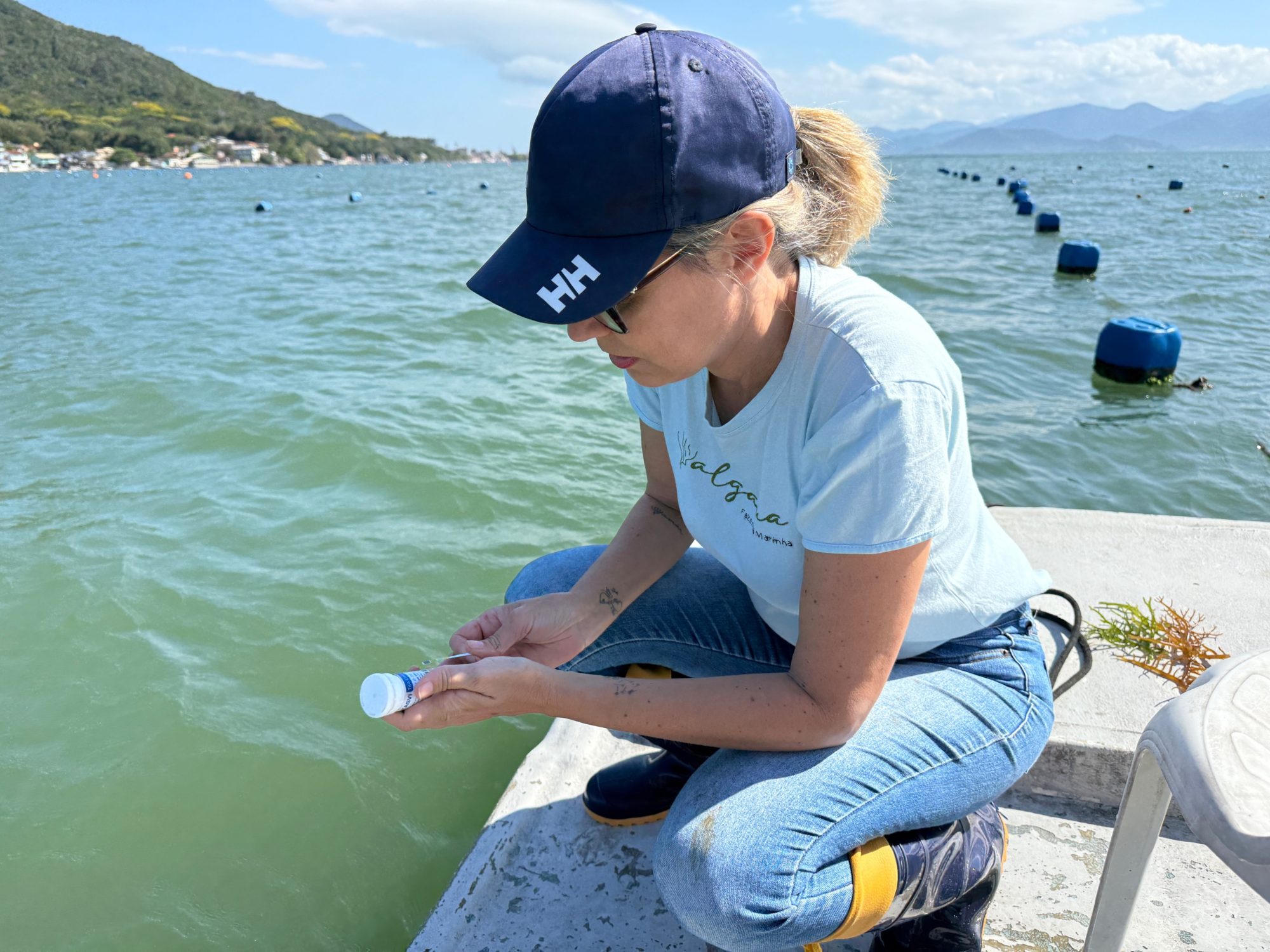
Water quality monitoring is a critical practice to manage these environmental variations. In Brazil, Santa Catarina's research institutions use qualitative tests and sensors to monitor key parameters, while Rio de Janeiro receives less institutional support for water quality monitoring. In Venezuela, the private farming enterprises regularly track temperature, salinity, and nutrients.
Farmers in these regions plan their activities around nature's rhythms. They rely heavily on weather forecasts from digital applications to schedule work and avoid storms. In Brazil, their harvest calendar is primarily dictated by delivery contracts with biostimulant processors. This commercial schedule operates alongside the biological imperative to harvest within 45 days to preempt heavy biofouling.
Maintenance
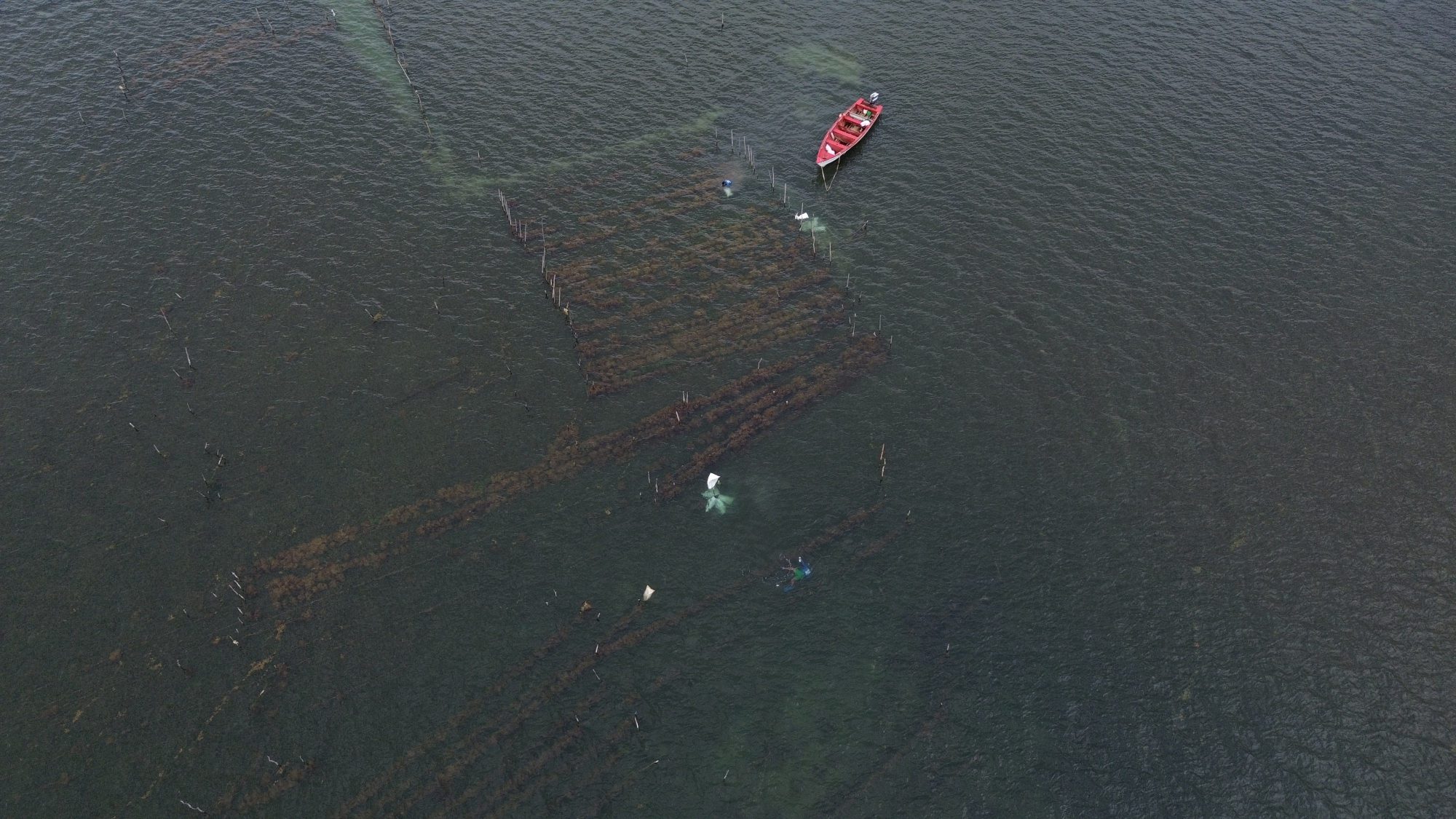
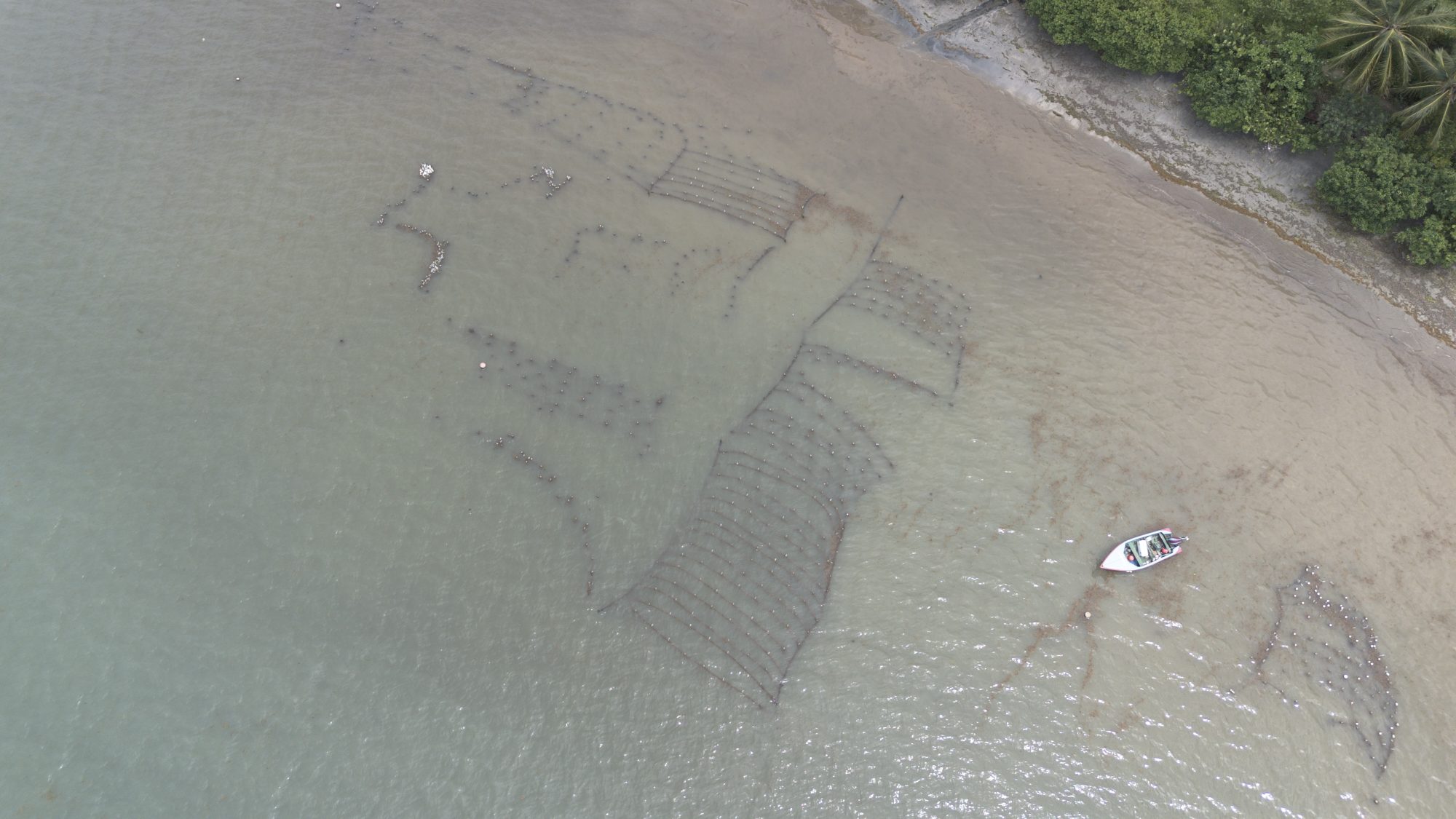
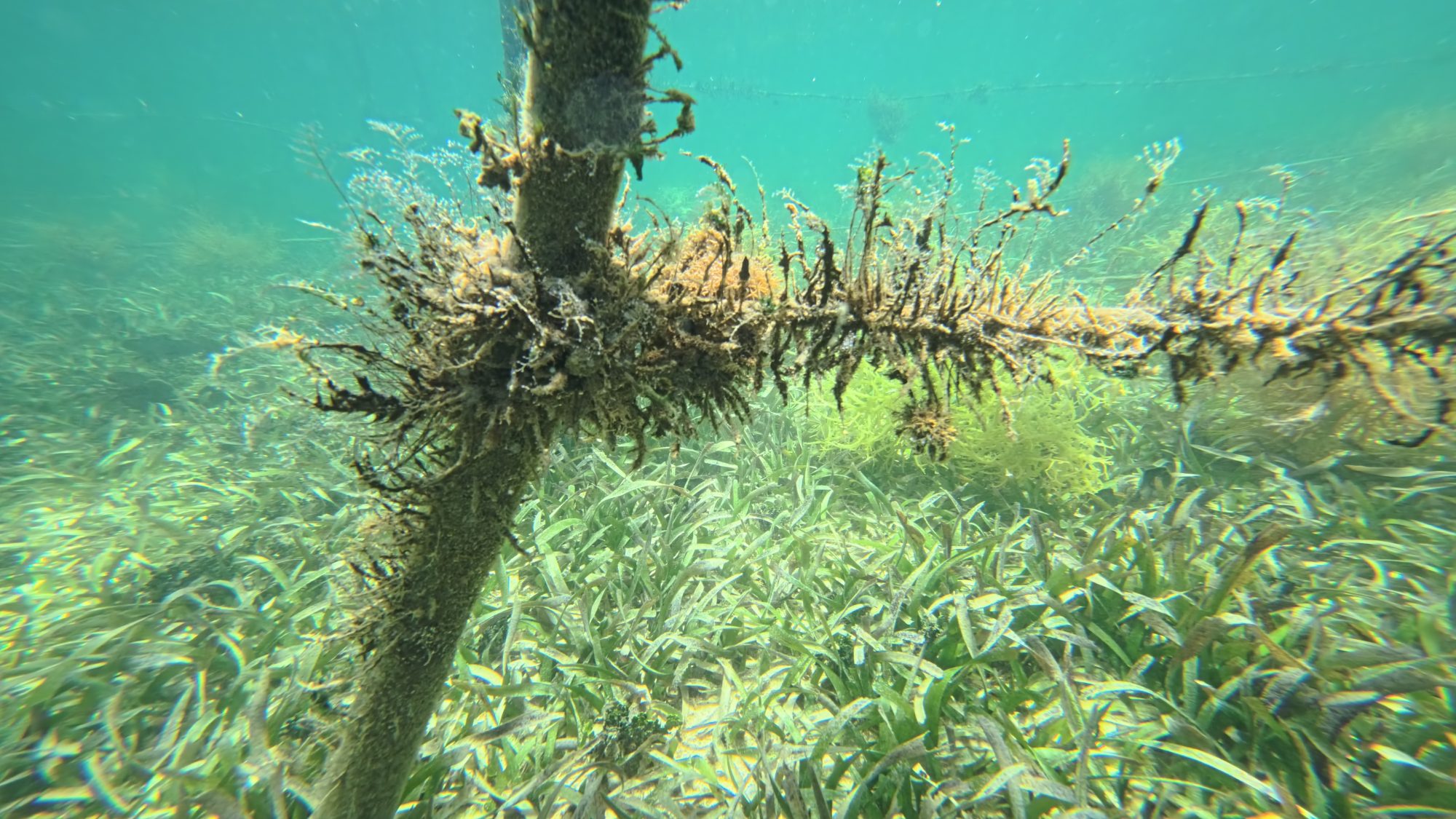
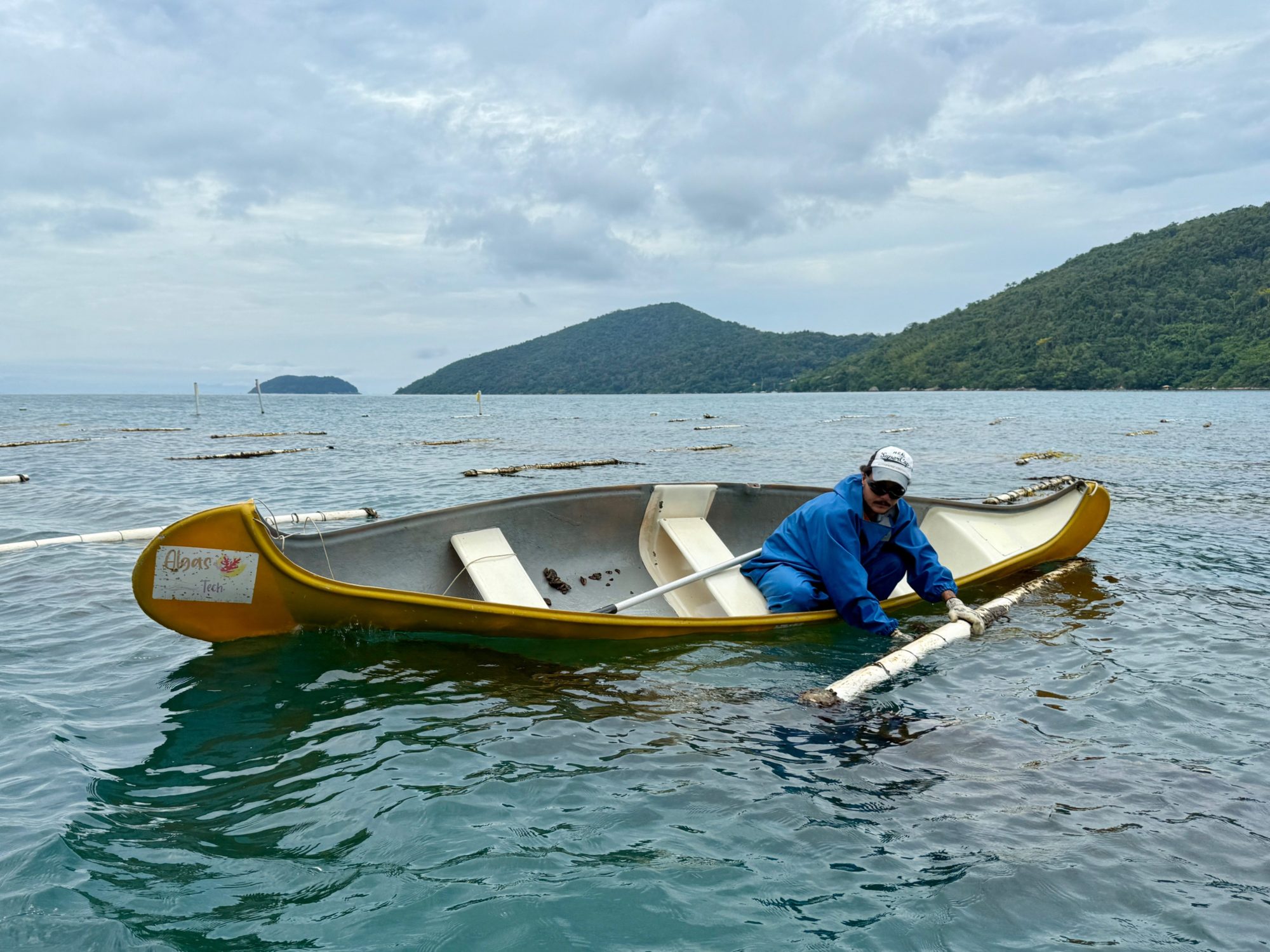
Daily maintenance is the cornerstone of successful cultivation. Farmers visit their plots frequently to clean lines and tighten ropes. In Santa Catarina, the most significant operational challenge is biofouling, which forces a short growth cycle and increases costs. A different issue, sporadic green slime, occasionally afflicts farms in Rio de Janeiro. To survive the winter, most recently Santa Catarina farmers lower their cultivation structures to the seafloor, where the cooler, darker water induces a protective dormant state in the seaweed.
Farms face persistent biological and environmental threats. Biofouling from epiphytes and filamentous algae consistently affect biomass quality, often forcing early harvests to maintain marketability. While grazers like turtles are present, their impact is often marginal on a commercial scale. The most devastating losses come from extreme weather, with powerful storms capable of destroying over half of a farm's infrastructure. In Santa Catarina, some sites have also struggled with extreme salinity drops, after heavy rainfall, which could wipe-out the entire cultivation in an area.